

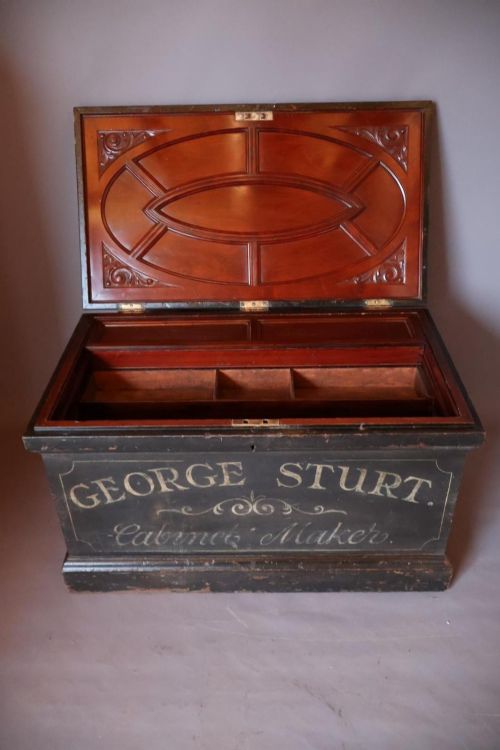
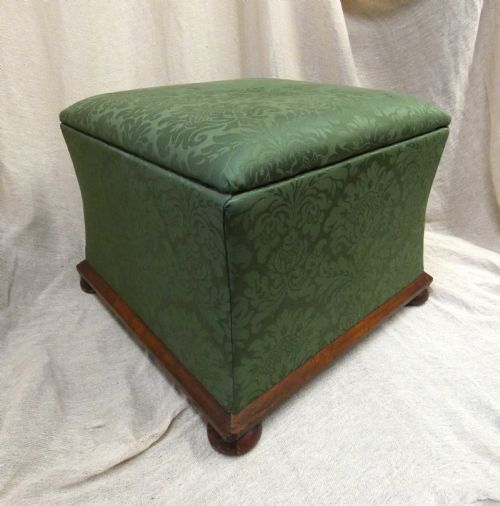


Victorian Mahogany Coffer
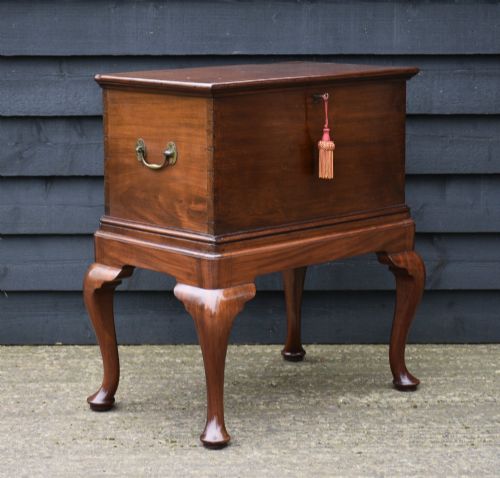
A victorian mahogany coffer offers robust timber storage, combining deep utility with the rich grain typical of nineteenth-century cabinet work.
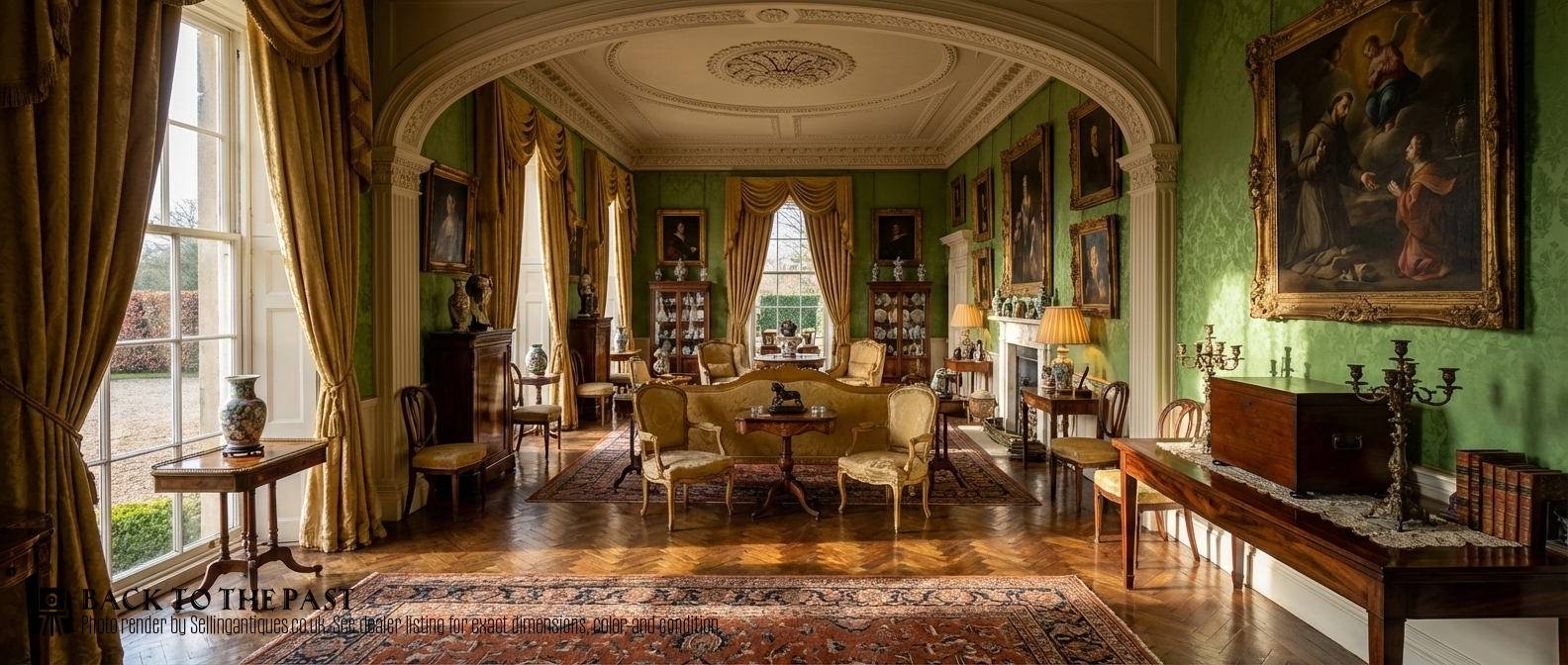
Victorian Mahogany Coffer
When you search for a victorian mahogany coffer, you encounter sturdy timber storage boxes designed to hold blankets, linens, and personal effects.
The pieces on this page span the nineteenth century and encompass forms ranging from plain travel trunks to fitted tool chests and cellarettes.
Makers utilised dense hardwoods to construct practical receptacles that double as benches, ottomans, or decorative tables in modern interiors.
Materials and Construction
Carpenters built these storage vessels primarily from solid mahogany and flame mahogany veneer, occasionally selecting Brazilian mahogany for panelled settles.
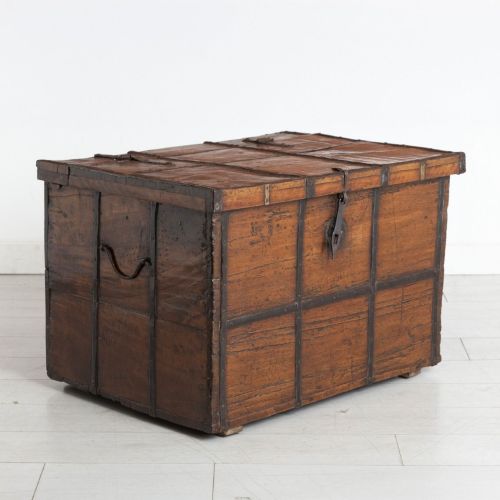
Workers reinforced structural corners and lids using brass, iron, and steel straps, hinges, and carrying handles designed for travel.
Interiors frequently incorporate secondary timbers such as pine alongside fitted compartments, bone inlays, or zinc linings to protect contents.
Listings incorporate pieces spanning from the Georgian era through the Victorian period, Edwardian cabinets, and up to 1920s Brazilian mahogany settles.
Distinctions in Quality
The hierarchy among these pieces rests upon the selection of timber grain, particularly the dramatic figure found in flame mahogany veneer.
Mastery is evident in the precision of dovetailed joints, the integration of brass or iron hardware, and the complexity of fitted internal compartments.
Provenance and specialised forms, such as campaign chests or Royal Navy cabinets, elevate certain items far above standard domestic blanket boxes.
The Victorian Mahogany Coffer Glossary
- Flame mahogany veneer
- A thin slice of wood cut from the fork of a tree to produce a flickering, highly figured grain pattern. This decorative surface defines the exterior of finer nineteenth-century cases.
- Cellarette
- A fitted box or cabinet designed to hold bottles of wine or spirits. These containers often feature internal dividers and lead linings.
- Campaign chest
- A modular storage trunk built for military officers on the move. These pieces typically separate into sections with recessed brass handles and corner brackets.
- Sarcophagus shaped
- Describing a case form with a rounded or stepped lid tapering toward the base, resembling an antique stone coffin. The profile was popular for nineteenth-century cellarettes and heavy storage boxes.
- Deed box
- A compact, secure chest intended for storing legal documents and important papers. They usually feature heavy locks and reinforced timber or iron bindings.
Victorian Mahogany Coffer: Frequently Asked Questions
What is a victorian mahogany coffer used for?
These versatile timber chests serve as practical storage for blankets, bed linen, and household items. Many owners also utilise them as coffee tables, window seats, or hallway benches.
The sturdy construction allows the heavy lids to support seating, while the enclosed interiors keep contents protected from dust and light.
How do I date a mahogany coffer?
Dating relies on examining the secondary timbers, construction methods, and hardware styles. Hand-cut dovetails and iron or brass fittings help distinguish nineteenth-century examples from later revival pieces.
Makers' marks, brass stamps, or inscribed presentation plates can also narrow down the exact decade of manufacture.
Are campaign coffers different from standard chests?
Campaign coffers feature specific design elements tailored for military travel. They often include recessed brass handles, protective corner brackets, and sectional construction for easy transport.
Standard domestic coffers prioritize decorative mouldings and fine polished veneers over travel-ready hardware.
How do I care for mahogany furniture?
Keep mahogany pieces away from direct heat sources and strong sunlight to prevent the timber and veneer from drying out or fading. Regular dusting with a soft, dry cloth maintains the polished surface.
A light application of traditional beeswax nourishes the wood and preserves the depth of the mahogany grain over time.