
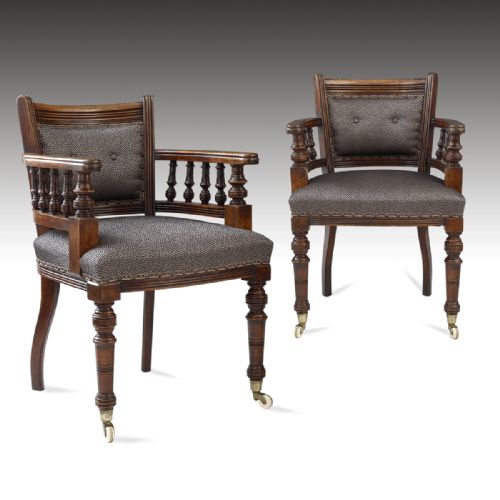
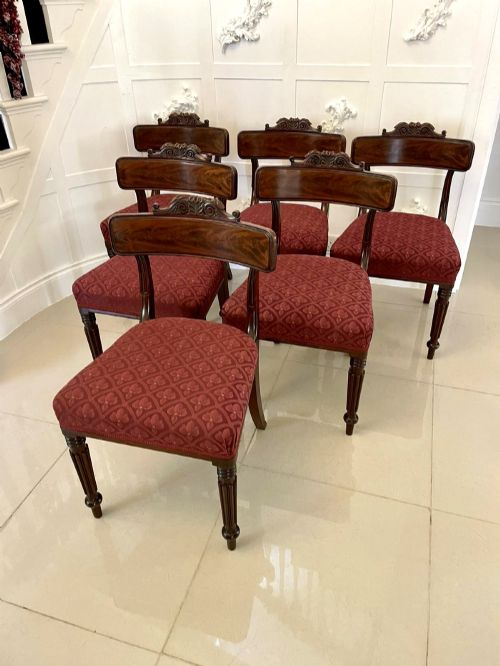
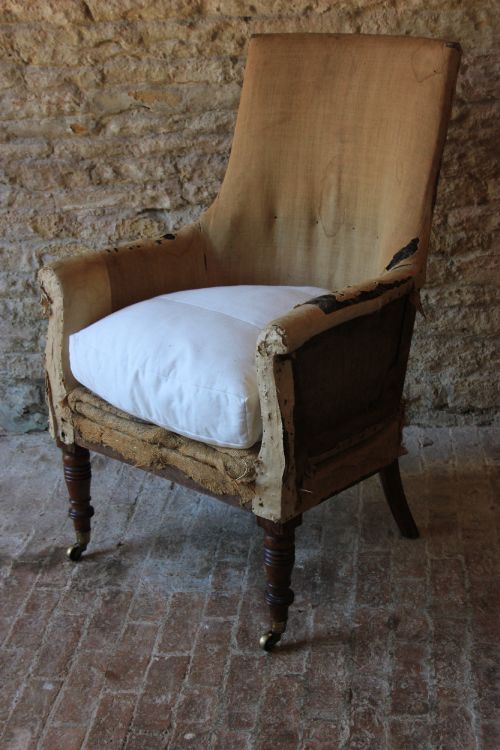
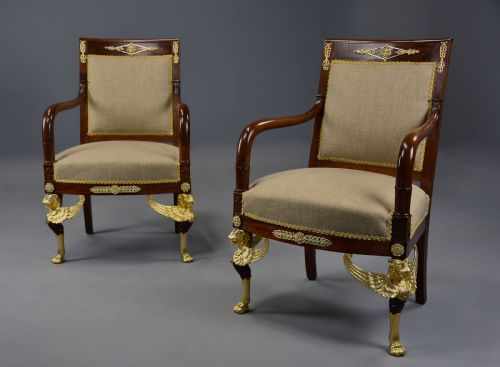

19th Century Library Seating
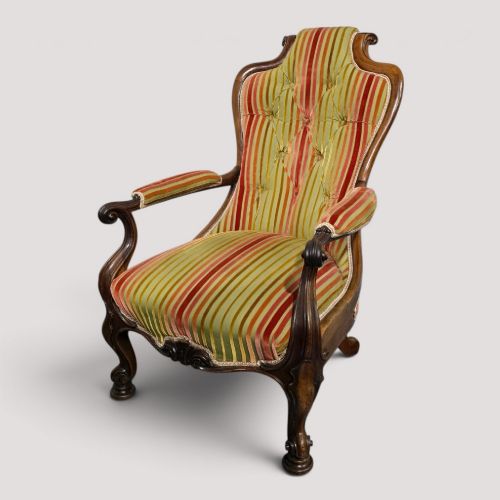
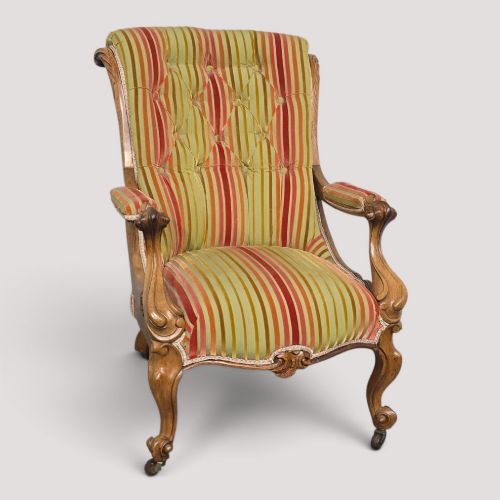
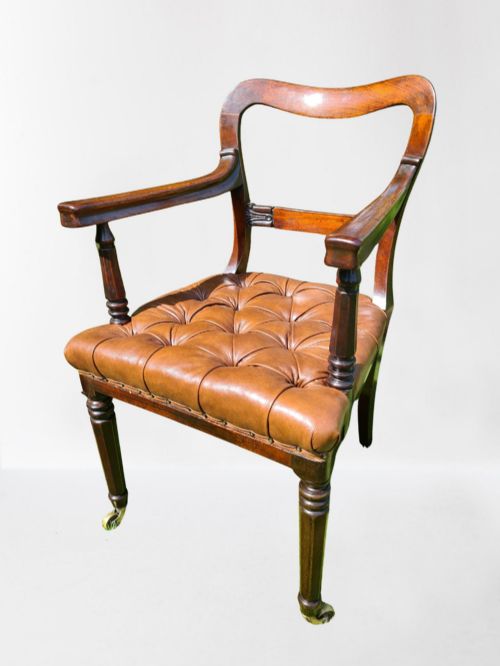
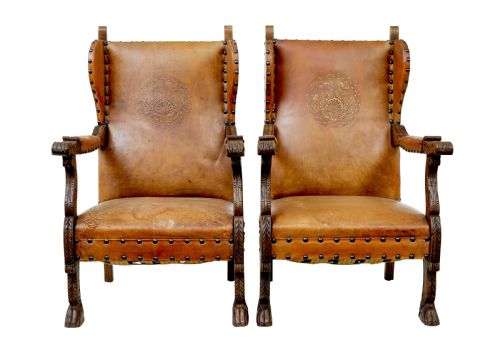
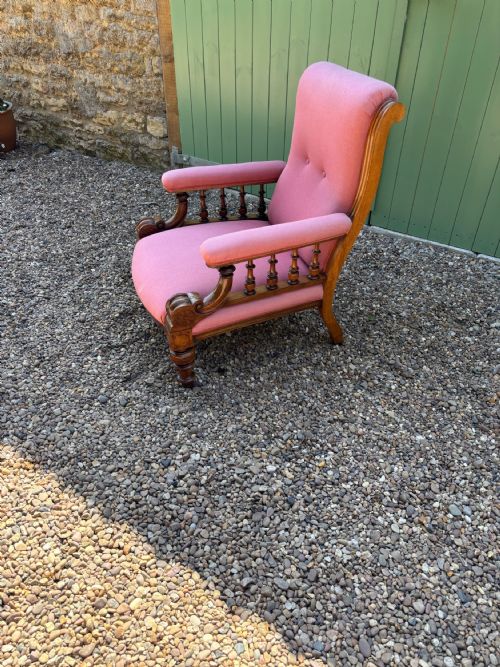
These 19th century library seating pieces bring substantial timber frames and deep upholstery to a room, offering sturdy support and historic character for daily reading.
Materials and Construction Techniques
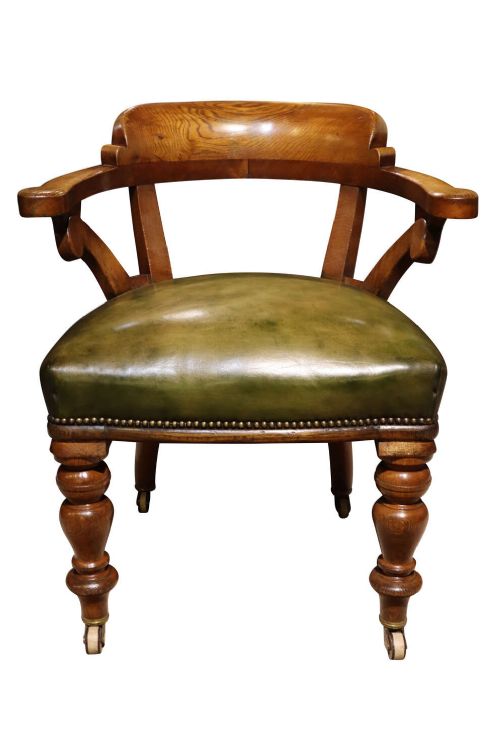
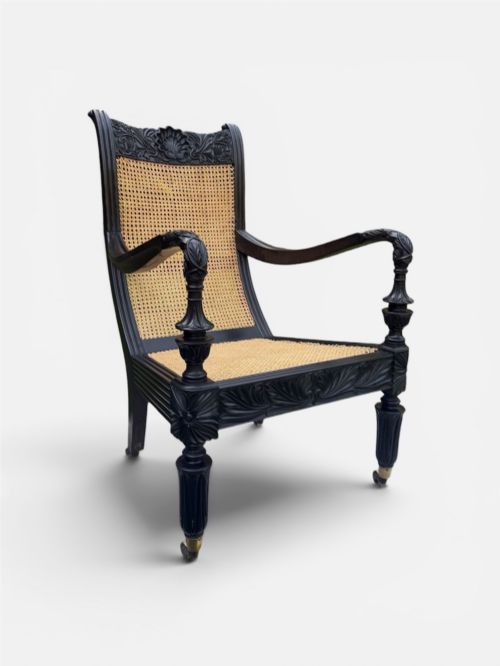
Cabinetmakers constructed these frames using dense hardwoods such as mahogany, walnut, oak, rosewood, and occasional exotic timbers like ebony. Joinery techniques ensured sturdy support for daily use, frequently incorporating carved details, reeded legs, or parcel gilt accents.
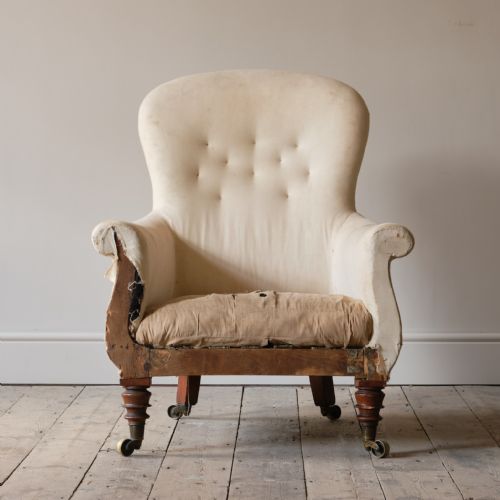
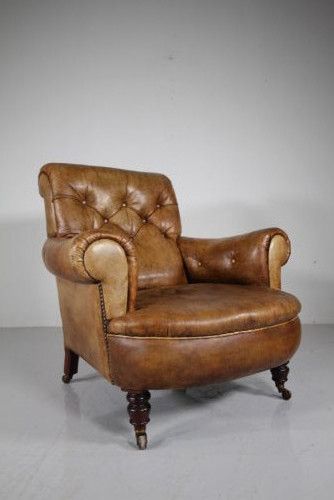
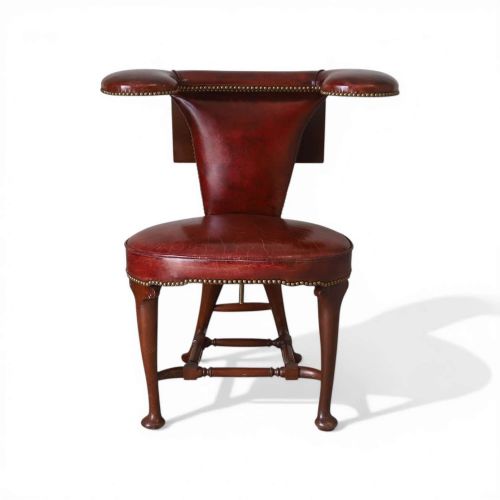
Upholstery forms a central element of these seats, utilising traditional stuffing finished with leather, velvet, calico, or woven leather panels. Brass inlays, studs, and adjustable mechanisms also appear across specific desk and campaign variations.
Factors That Separate the Range
The calibre of these seating pieces depends heavily on the selection of timber and the crispness of the original carving or brass inlay work. Solid, heavy woods and balanced proportions distinguish finer examples from standard production pieces.
Integrity of the frame construction and the retention of period upholstery materials, such as embossed or woven leather, influence the overall standard. Pieces bearing attribution to known workshops demonstrate superior structural design and refined finishing.
Listings feature mahogany, oak, walnut, and rosewood frames paired with leather, velvet, and woven leather upholstery.
Gillows
The 19th Century Library Seating Glossary
- Regency
- A style and period spanning the early 19th century, characterised by classical motifs, elegant lines, and dark woods like rosewood or mahogany. Pieces from this era often incorporate brass inlay or parcel gilding.
- Gothic Revival
- An architectural and decorative style drawing on medieval forms, featuring pointed arches, tracery, and heavy oak frames. It gained significant popularity during the Victorian period.
- Campaign chair
- A portable seating form designed for travel or military use, typically featuring folding wooden frames and metal hinges or adjustments. These items prioritize practical utility alongside domestic comfort.
- Fauteuil
- An open-armed French armchair with upholstered back and armrests, exposed wooden framework, and stylistic links to the Empire period. These seats bring lighter carved contours to a study or drawing room.
- Gainsborough chair
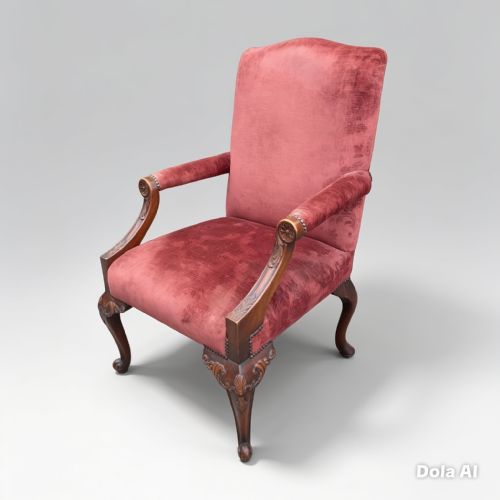
- A wide, high-backed armchair with open padded arms and short legs, traditionally placed in libraries or studies during the 18th and 19th centuries.
19th Century Library Seating: Frequently Asked Questions
What defines a library armchair?
Library armchairs are substantial seating pieces built from heavy timbers like mahogany, oak, or walnut, designed for prolonged reading and study in domestic libraries.
They typically combine deep seats with durable upholstery in leather or fabric to provide lasting support.
How do I identify a Regency desk chair?
Regency desk chairs feature classical proportions, often executed in mahogany or rosewood with turned legs and curved backrests.
Cabinetmakers of this era frequently integrated subtle brass inlay or reeded details into the wooden frame.
Are these chairs suitable for daily use?
These pieces were originally constructed for heavy daily service in country houses and private studies using dense hardwoods and traditional joinery.
Their robust timber frames continue to offer dependable support when placed in modern working environments.
What is a Gothic Revival library chair?
Gothic Revival library chairs incorporate medieval architectural elements such as heavy oak construction, pointed arches, and deep carved mouldings.
These generous seats reflect the Victorian enthusiasm for historic revival designs within domestic interiors.