



19th Century Lacquer Cabinet
When you select a 19th century lacquer cabinet, you bring home a functional statement piece that merges intricate Eastern or European decoration with practical storage.
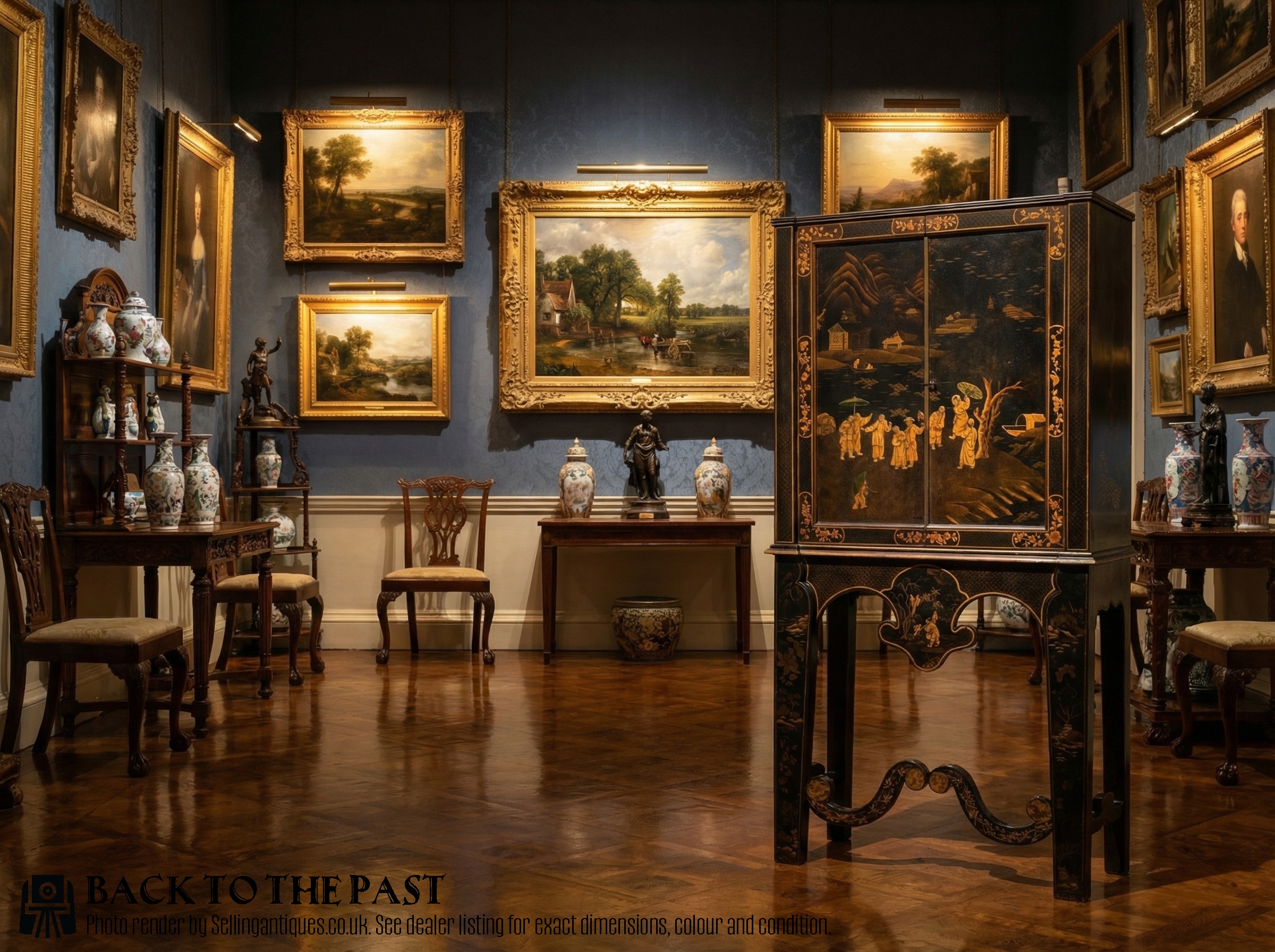
19th Century Lacquer Cabinet
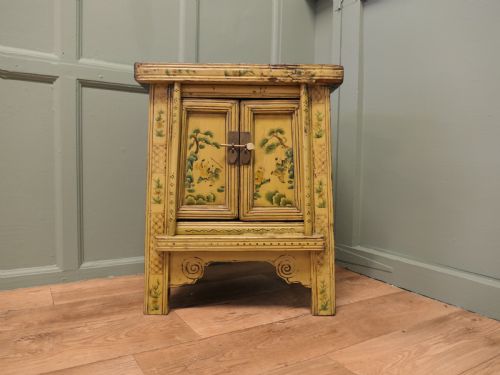
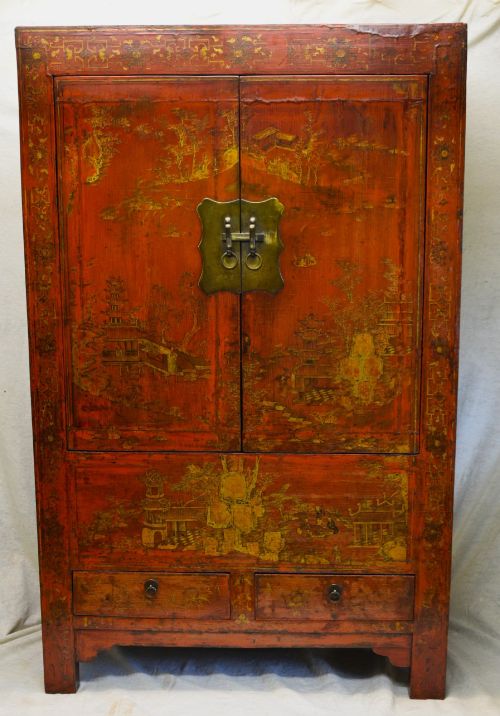
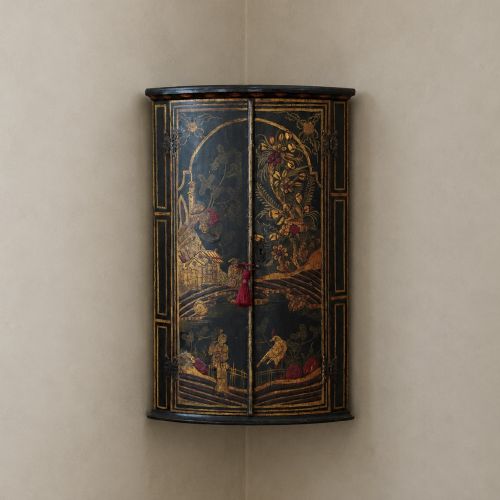
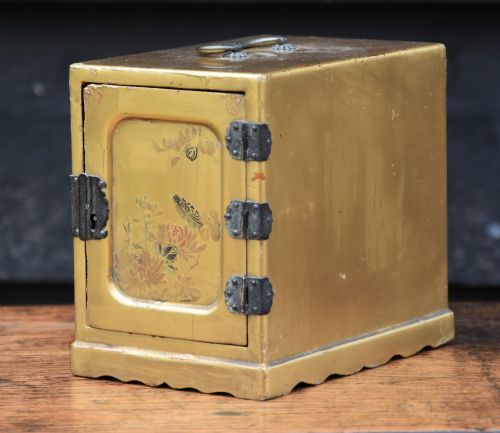
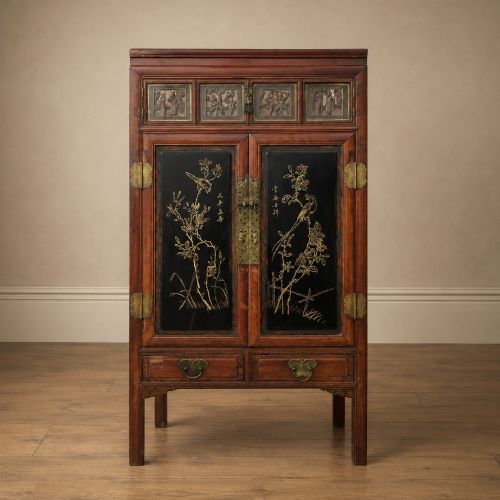
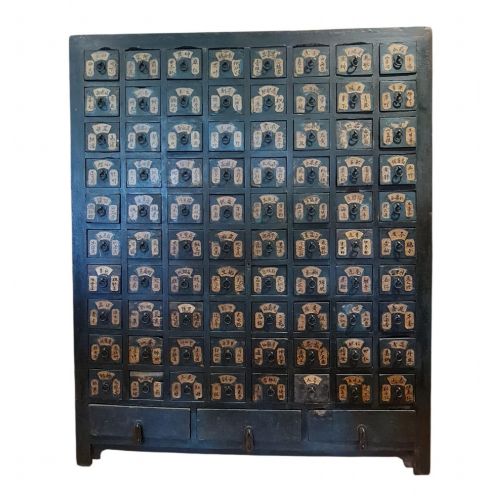
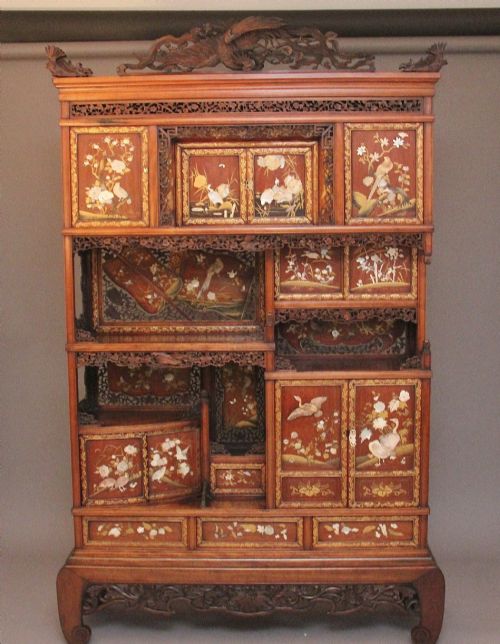
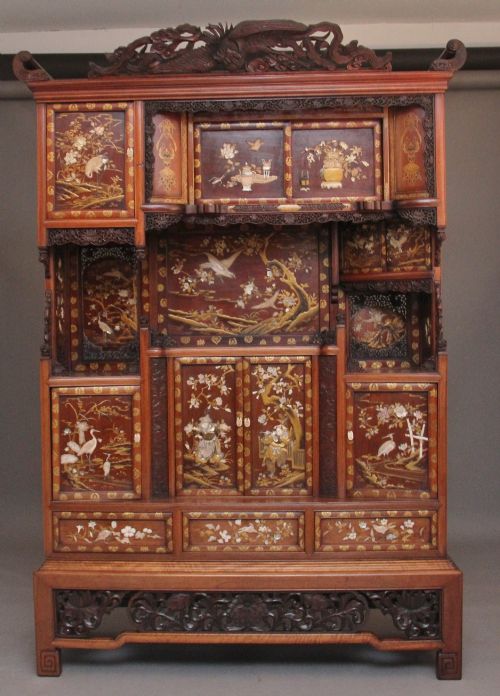
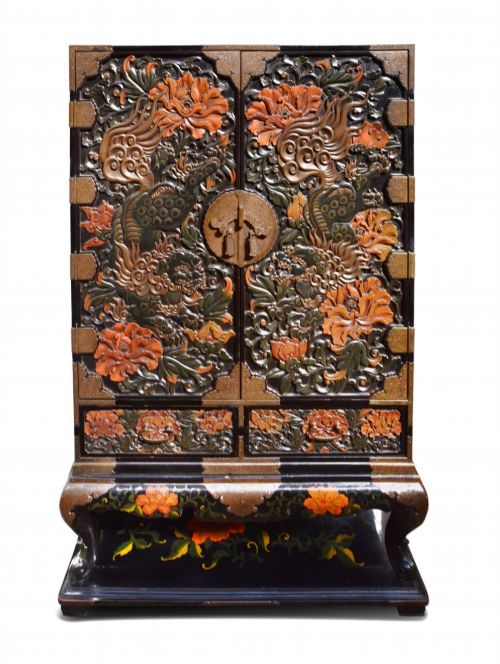
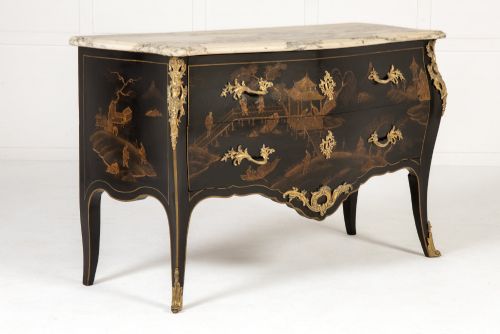
A 19th century lacquer cabinet encompasses a diverse group of storage furniture, ranging from towering Chinese wedding cupboards and Japanese shodona display units to compact European corner cabinets and table-top writing boxes. These pieces often feature vibrant red, black, or cream ground colours paired with detailed figurative or landscape scenes.
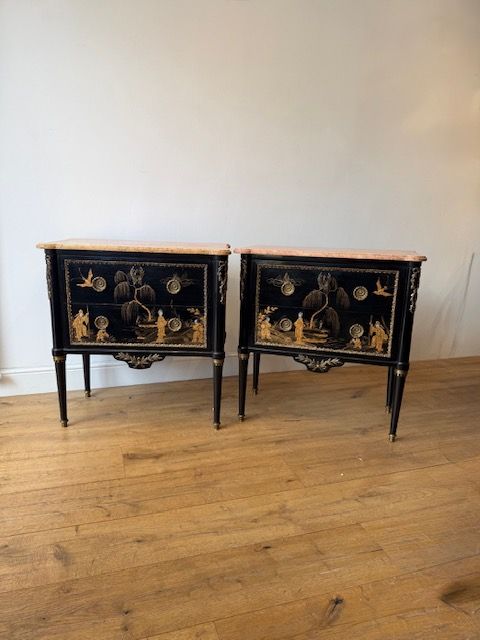
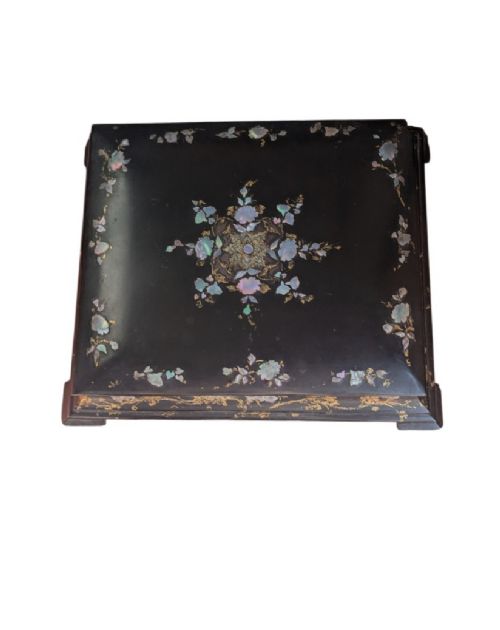
The selection on this page leans heavily toward pieces originating from Chinese workshops, Japanese Meiji period studios, and European centres influenced by Chinoiserie tastes. Buyers encounter everything from large compound cabinets to small tabletop jewellery chests designed to hold precious items.
How They Were Made
Constructed primarily from hardwoods like elm or secondary timbers such as pine, these cabinets rely on stable foundational woods to support the layered sap or synthetic varnishes applied to the surface. Artisans built structural frames using traditional joinery before preparing the exterior for decorative treatments.
Surfaces received multiple coats of lacquer, sometimes enhanced with gold leaf, metallic powders, or intricate mother-of-pearl inlay embedded directly into the damp finish. European makers utilised techniques like japanning or applied Vernis Martin panels alongside gilt bronze mounts to emulate Eastern aesthetics.
Listings feature pieces spanning the 19th century alongside items from the Meiji period, Qing Dynasty, and Regency eras.
What Varies in Quality
The depth and execution of the surface decoration dictate much of the distinction between standard and exceptional pieces, particularly where hand-carved relief work and fine gold detailing are present. Pieces displaying crisp, multi-layered pictorial scenes or precise parquetry demonstrate a higher level of artisan involvement.
Structural integrity and the retention of original hardware, such as brass hinges and lock plates, also define the grade of a piece. Cabinets retaining their original unblemished coloured ground and stable door alignment stand apart from examples requiring extensive surface restoration.
The 19th Century Lacquer Cabinet Glossary
- Chinoiserie
- European artistic style reflecting Chinese motifs and decorative techniques. This aesthetic heavily influenced British and French cabinet makers throughout the period.
- Shodona
- Japanese multi-tiered display cabinet featuring asymmetrical shelving and small cupboards. These pieces originate predominantly from the Meiji period.
- Japanning
- European imitation of East Asian lacquer work produced using varnish and heat-cured layers. Craftsmen used this technique to decorate corner cupboards and writing boxes.
- Vernis Martin
- European imitation lacquer developed in France during the 18th century and continued into later furniture production. It uses clear varnishes over painted panels.
- Kodansu
- Traditional small Japanese portable cabinet or chest with multiple internal drawers. They were typically utilised for storing documents, seals, or jewellery.
19th Century Lacquer Cabinet: Frequently Asked Questions
How were lacquer cabinets used?
These cabinets served various storage functions depending on their scale, from housing precious family documents and jewellery to displaying ceramics and curiosities.
Larger versions, such as wedding or compound cupboards, held household textiles and garments within domestic interiors.
Where were these cabinets made?
Originating locations span traditional Asian workshops in China and Japan alongside European furniture-making hubs in France and Britain.
Export workshops produced specific items for Western markets, while European craftsmen created their own interpretations using local timber and japanning techniques.
How do I care for lacquer?
Keep wooden lacquer surfaces away from direct sunlight and maintain a stable indoor humidity to prevent the underlying wood from moving.
Dust gently with a dry, soft cloth and avoid chemical cleaning agents that might degrade the delicate varnish layers.
What is a shodona?
A shodona is a distinct form of Japanese display furniture characterised by staggered shelving and small compartment doors.
These cabinets date largely from the Meiji period and were designed to exhibit small artistic objects.