

19th Century Keepsake Box
A 19th century keepsake box is a small timber or metal container lined for letters, trinkets, and jewellery, prized for fine cabinetwork.
19th Century Keepsake Box
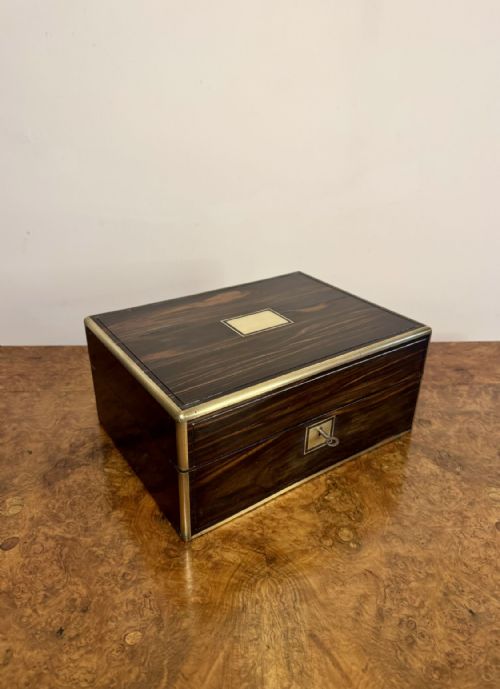
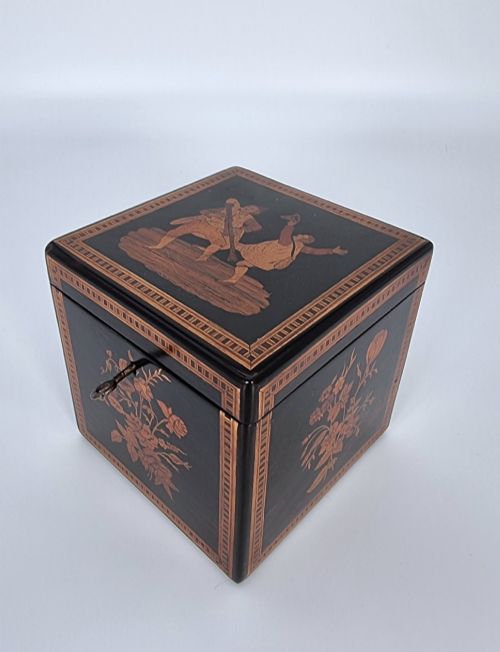
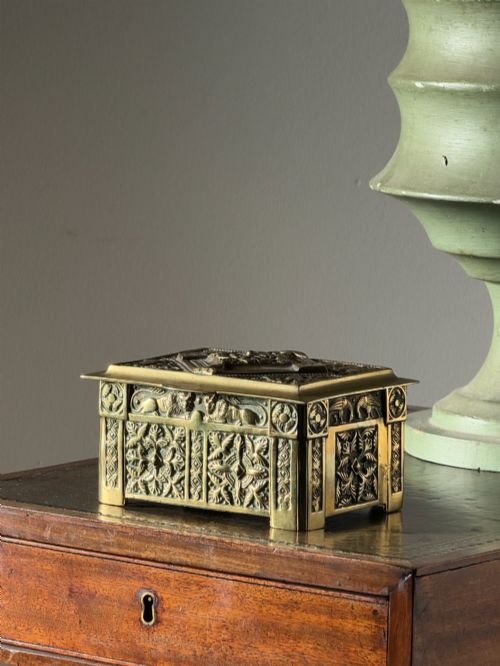
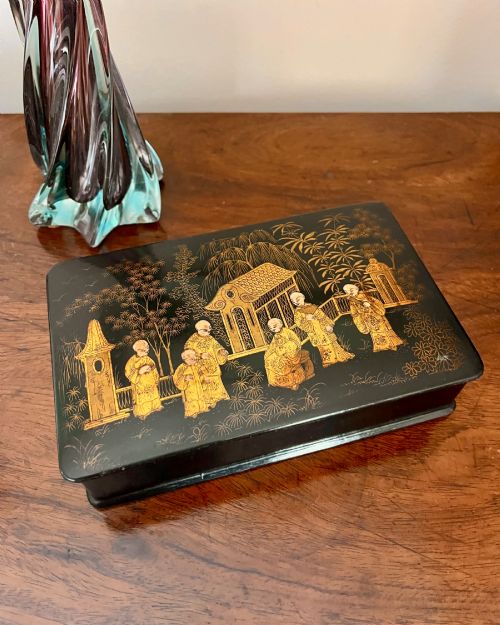
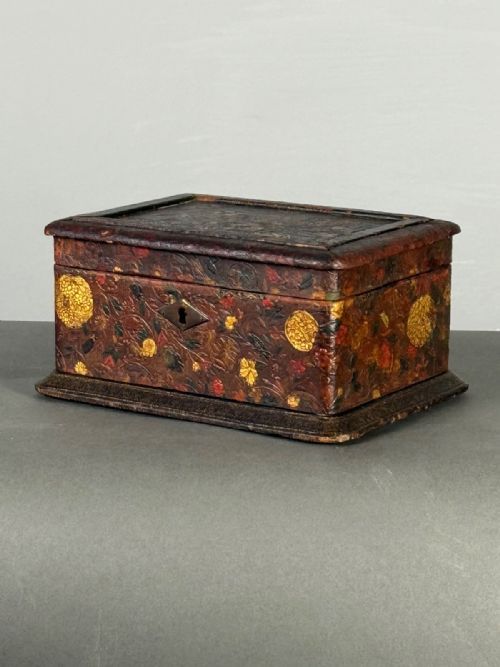
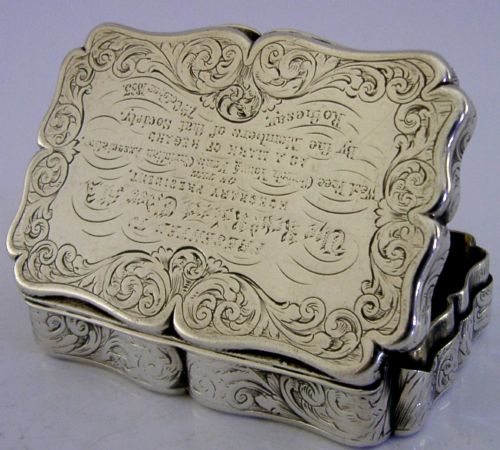
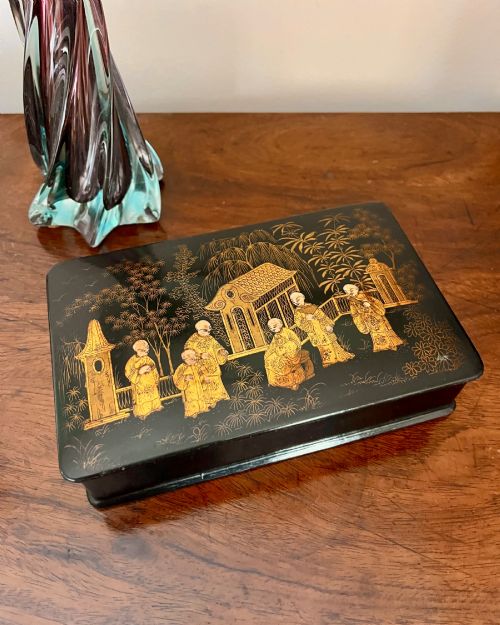
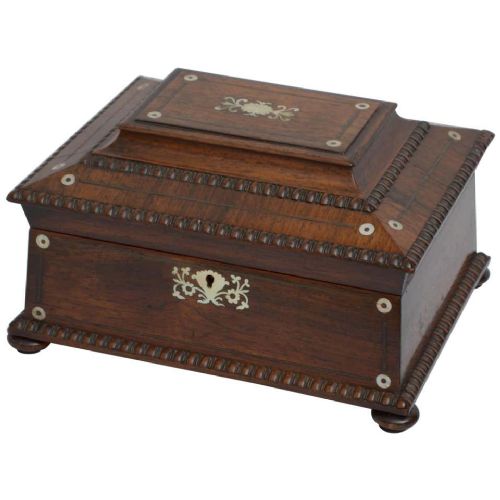
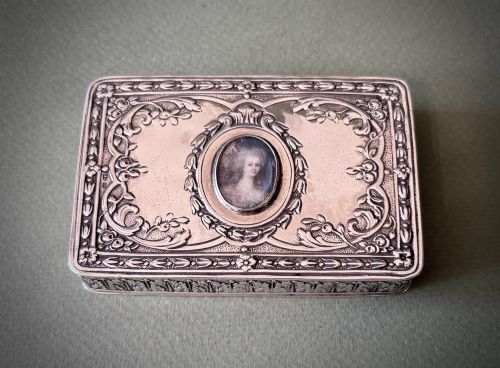
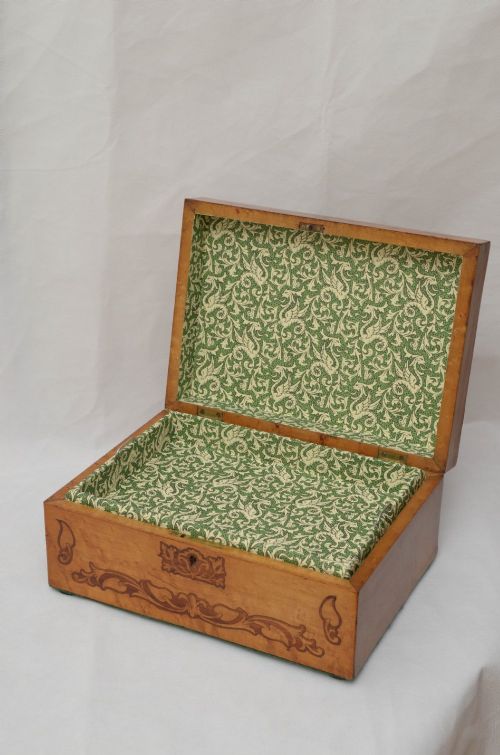
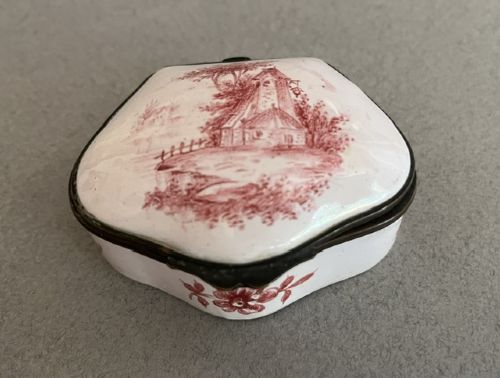
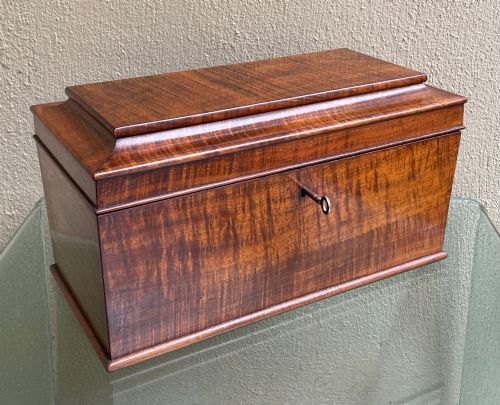
A 19th century keepsake box encompasses a wide variety of small containers designed to hold jewellery, letters, tea, and personal trinkets. The listings on this page span the Victorian and Regency periods, stretching from simple Scandinavian hand-painted pine storage chests to elaborate French ormolu and boulle caskets.
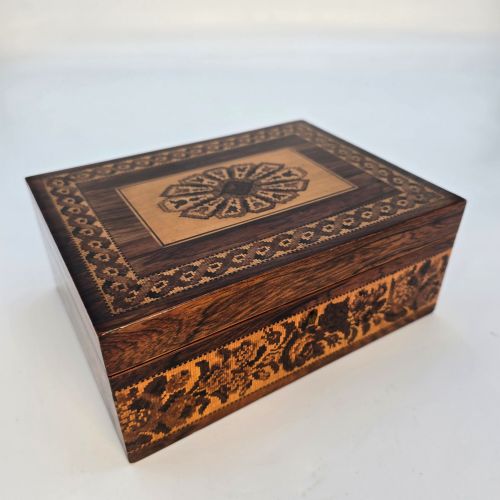
Regional variations appear regularly, ranging from English Tunbridge ware marquetry and brass-bound campaign boxes to Anglo-Indian forms and Scandinavian folk art. Each object reflects the domestic storage needs and decorative tastes of the nineteenth century.
How They Were Made
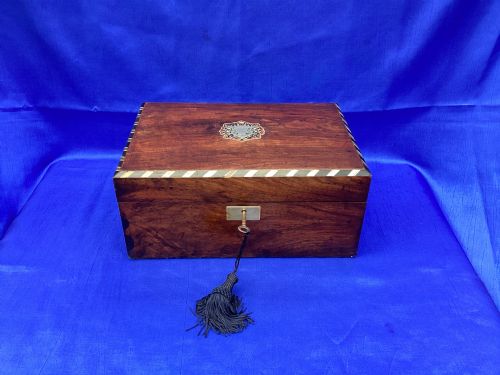
Cabinetmakers constructed these boxes using solid timbers such as mahogany and pine, frequently applying decorative veneers of rosewood, burr walnut, sycamore, and bird's eye maple. Surfaces were often enhanced with intricate inlays of tulipwood, mother of pearl, and brass stringing.
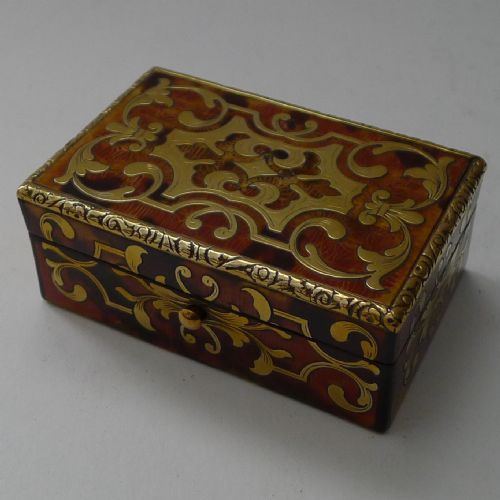
Specialised techniques defined specific regional workshops, including the micro-mosaic wood blocks of Tunbridge ware, the tortoiseshell and brass inlay of boulle work, and hand-painted folk art finishes on pine. Structural hardware such as brass escutcheons, campaign mounts, and claw feet provided both reinforcement and visual contrast.
19th Century Keepsake Box Retail Price Guide 2026
Typical asking prices for 19th century keepsake box among the pieces listed under this phrase on Sellingantiques today, from the lower quarter to the upper quarter. They describe what is for sale here now, not the wider market.
Camphor wood chests kept unwanted insects away from stored garments using the distinct aromatic scent of the timber.
What Varies in Quality
The standard of a box rests heavily on the selection of timber veneers and the precision of its inlays. Grain matching across a burr walnut or rosewood lid demonstrates superior carpentry compared to plain or mismatched surfaces.
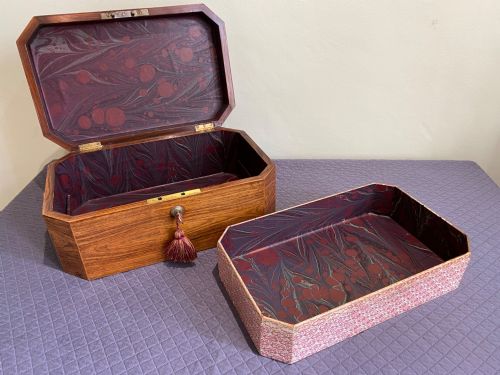
Internal fittings dictate the utility and refinement of the piece. Boxes featuring fully fitted velvet linings, working locks with original keys, secret drawers, and intact bevelled mirrors sit at the upper end of the scale.
Edmund Nye·Susse Freres
The 19th Century Keepsake Box Glossary
- Tunbridge Ware
- Small wooden items decorated with microscopic tesserae of coloured woods to form pictorial mosaics. This meticulous technique was centred in Kent during the nineteenth century.
- Boulle
- A method of marquetry using tortoiseshell and brass inlaid in contrasting patterns. Named after a French cabinetmaker, it frequently appears on nineteenth-century trinket boxes.
- Campaign Box
- A portable container reinforced with brass corners, strapwork, and recessed handles. These were designed for travel and military officers in the Regency period.
- Casket
- A formal box, often domed or heavily decorated, used for storing precious items. They frequently incorporate gilt metal mounts or gesso work.
- Escutcheon
- A protective plate surrounding a keyhole, usually fashioned from brass or mother-of-pearl. It prevents the surrounding wood from wearing down with repeated use.
19th Century Keepsake Box: Frequently Asked Questions
What were keepsake boxes used for?
Keep-sake boxes served to safely store personal valuables, including correspondence, jewellery, small trinkets, and sewing accessories. They sat prominently on dressing tables, writing desks, and drawing-room side tables.
Many contained specialised fitted interiors with velvet trays, compartments for rings, and small locking sections for private items. Their portable nature also allowed owners to carry cherished possessions between rooms or during travel.
How do I tell Regency from Victorian boxes?
Regency boxes often feature clean architectural lines, contrasting exotic wood veneers like yew or rosewood, and restrained brass stringing or brass lion paw feet. They tend to reflect classical restraint and date from the early nineteenth century.
Victorian pieces generally display heavier ornamentation, including extensive mother-of-pearl inlay, burr walnut, carved ormolu mounts, and more elaborate fitted interiors. The Victorian era introduced complex multi-tiered jewellery cabinets and stationery boxes.
Are keys usually included with antique boxes?
Original working keys are occasionally present with nineteenth-century boxes, but many have been lost over decades of use. Locks can often be opened by specialists or fitted with a replacement key if desired.
The absence of a key rarely diminishes the decorative appeal of a box, though collectors naturally prize pieces that retain their original functioning lock and key.
How should I clean a wooden keepsake box?
Dust the exterior gently with a soft, dry cloth to prevent scratching the polished wood surface or delicate veneers. Avoid using modern chemical sprays or excessive water, which can damage old polishes and lift inlays.
A light application of traditional beeswax polish can help nourish dry timber and maintain the natural lustre of rosewood, walnut, or mahogany.