





19th Century Japanese Urn
A 19th century japanese urn brings centuries of meticulous metalwork and ceramic artistry into a room.
19th Century Japanese Urn
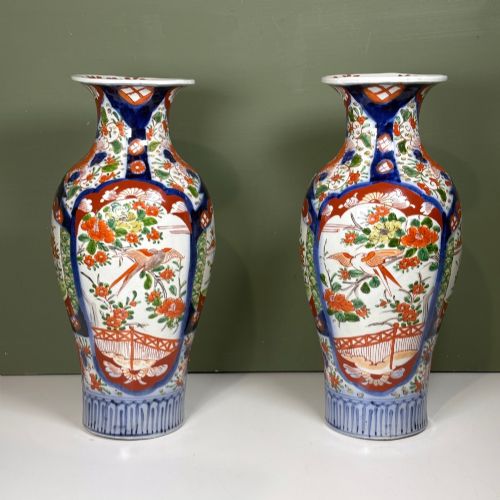
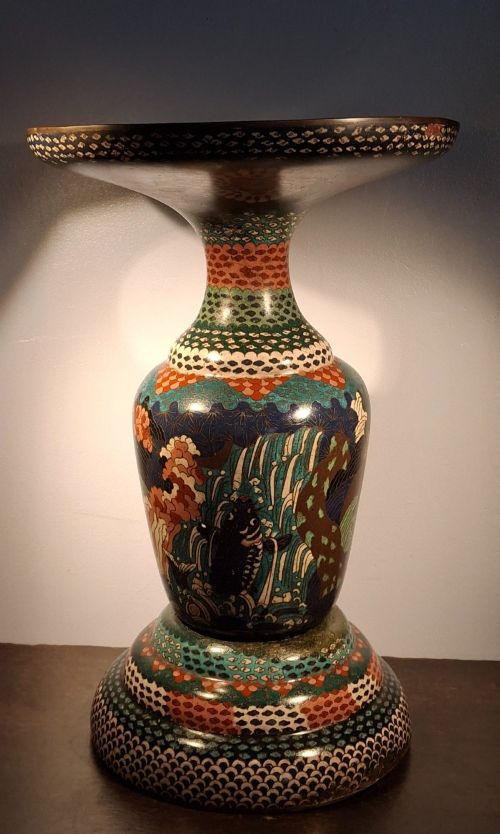
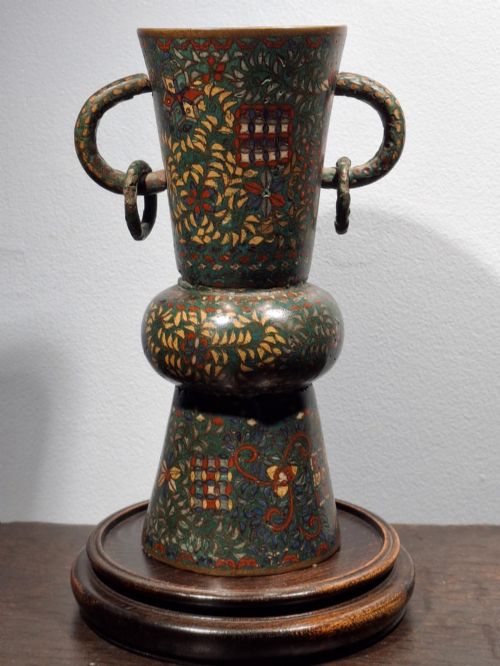
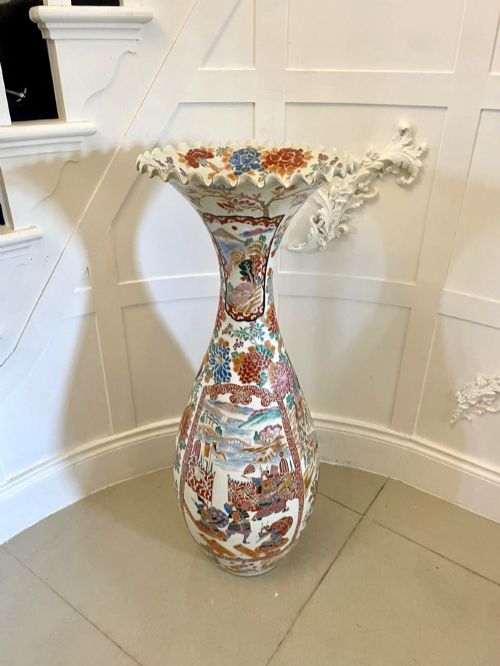
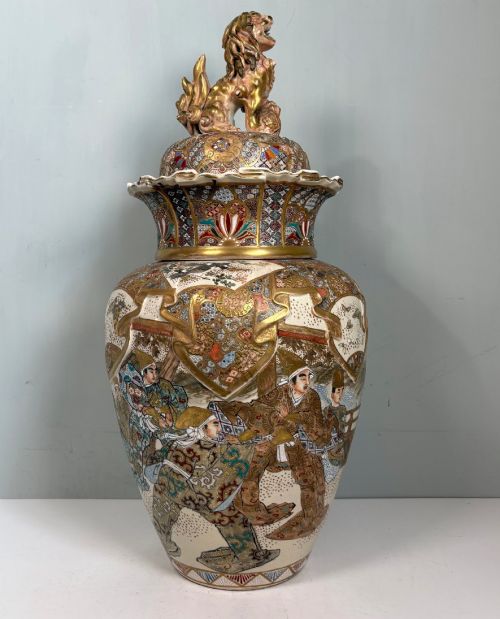
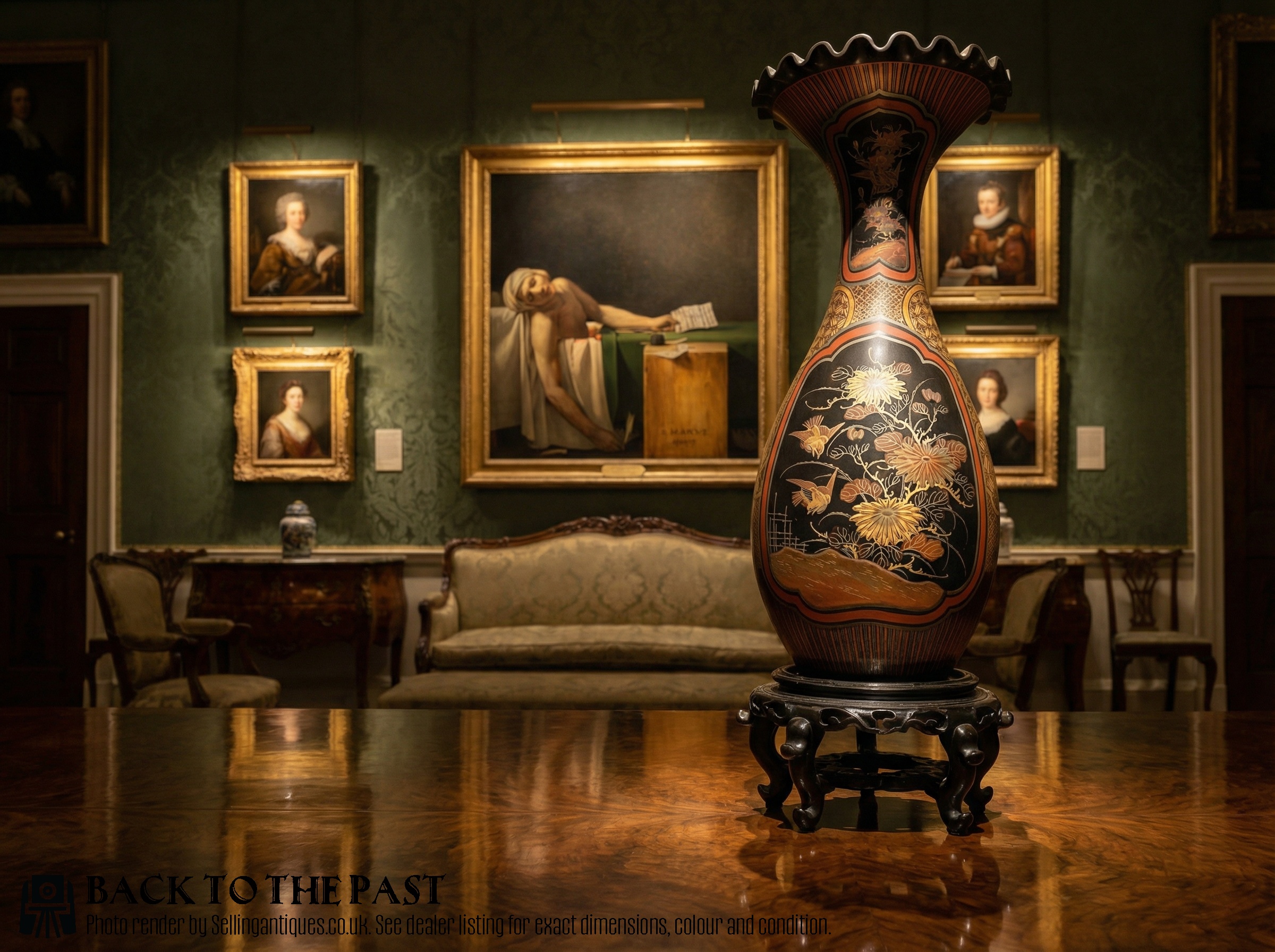
When searching for a 19th century japanese urn, collectors encounter a diverse selection of vessels that span porcelain, bronze, and enamel forms. These pieces frequently manifest as large floor vases, covered ginger jars, and monumental temple pieces designed to command attention in a space.
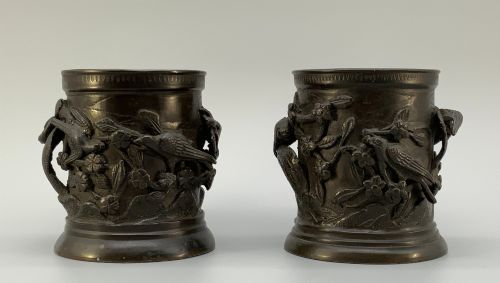
The objects on this page predominantly reflect the Meiji period, alongside Edo period survivals and Western-influenced Japonisme creations. Imari and Satsuma porcelains dominate the ceramic offerings, sitting alongside heavy cast bronze vessels finished with intricate avian and floral motifs.
How They Were Made
Ceramic pieces utilise clay bodies finished with vibrant glazes, gold leaf, and raised moriage decoration that adds tangible texture to the surface. Porcelain creations often combine cobalt blue underglazes with rich iron-red and gilt overglaze painting.
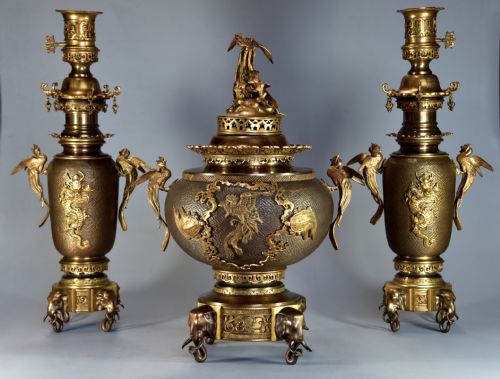
Metal vessels rely on bronze casting, incorporating patinated finishes, applied gilt bronze mounts, and detailed relief work depicting dragons, egrets, and blossoming branches. Cloisonné enamel works employ delicate wire cells soldered to metal bases, filled with vitreous pastes and fired repeatedly.
19th Century Japanese Urn Retail Price Guide 2026
Typical asking prices for 19th century japanese urn among the pieces listed under this phrase on Sellingantiques today, from the lower quarter to the upper quarter. They describe what is for sale here now, not the wider market.
Listings feature 19th Century, Victorian, and Edwardian periods alongside materials such as bronze, porcelain, enamel, wood, and brass.
What Varies In Quality
The standard of execution depends heavily on the precision of the hand-painted details and the crispness of the cast or carved motifs. Superior examples display restrained symmetry, harmonious colour palettes, and well-executed signatures from recognised workshops or artists.
Scale and ambition separate standard decorative items from monumental palace pieces and temple water dispensers. The density of the gilding, the complexity of the figural processions, and the preservation of delicate enamel or lacquer layers dictate the standing of each vessel.
Hayakawa·Christopher Dresser
The 19th Century Japanese Urn Glossary
- Imari
- A style of Japanese porcelain decorated in underglaze blue and overglaze red, gold, and green. This palette originated in Arita and gained immense popularity across Europe during the nineteenth century.
- Satsuma
- Earthenware pottery featuring a crackle-glaze ivory finish and ornate polychrome and gilt decoration. These pieces frequently depict historical scenes, court figures, and dense floral landscapes.
- Meiji Period
- The era in Japanese history spanning from 1868 to 1912, marked by industrialisation and a surge in decorative arts exported to Western markets. Objects from this period often display exceptional technical refinement.
- Cloisonne
- A decorative metalwork technique where thin metal wires form raised barriers on a surface to create compartments filled with enamel paste. Artisans fire these vessels multiple times to achieve a smooth, vitreous finish.
- Moriage
- A ceramic technique involving the application of slip in dots or lines to build up raised relief patterns before glazing and firing. This method gives vases and jars a tactile, three-dimensional quality.
19th Century Japanese Urn: Frequently Asked Questions
What is the difference between Imari and Satsuma?
Imari refers to hard-paste porcelain characterised by blue underglaze and red or gold overglaze painting. These pieces typically possess a resonant ring and a smooth, vitrified body.
Satsuma describes earthenware pottery featuring a distinctive cream-coloured crackle glaze. Artisans paint these vessels with intricate figural scenes augmented by heavy gilding and raised enamel details.
How can I identify a Meiji period piece?
The Meiji period spans from 1868 to 1912, coinciding with Japan opening its ports to international trade. Works from this era often bear artist signatures, workshop stamps, or specific crests like the Shimazu mark.
Technically, these objects demonstrate a high degree of industrial and artistic ambition. The merging of traditional motifs with Western scale produces monumental bronzes and large palace vases unique to this timeframe.
Where were these urns originally displayed?
Many large vessels served as floor-standing decorative elements in traditional Japanese interiors and Western drawing rooms. Monumental bronze items and temple water dispensers occupied sacred or civic spaces before entering the export market.
Covered jars and garniture sets typically sat upon mantelpieces, sideboards, or dedicated wooden stands. Their substantial size allowed them to anchor large reception spaces.
How do I care for antique enamel and bronze?
Bronze vessels benefit from gentle dusting with a soft, dry cloth to preserve their patinated surfaces. Avoid using chemical polishes or abrasive cleaners that might strip historical patinas and applied gilding.
Enamel and cloisonne pieces require protection from direct sunlight and sudden temperature shifts. Keep them away from excessive moisture to safeguard the delicate metal wires and vitreous pastes.