



19th Century Italian Portrait
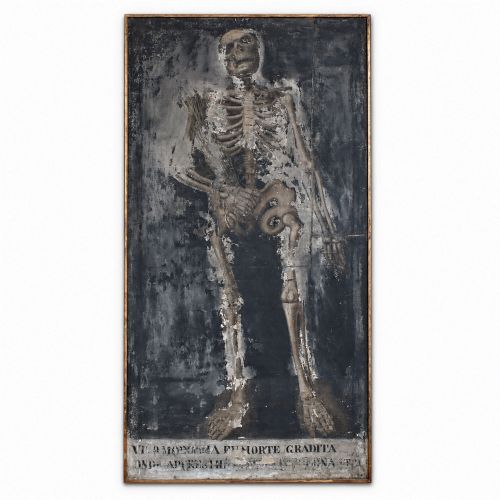
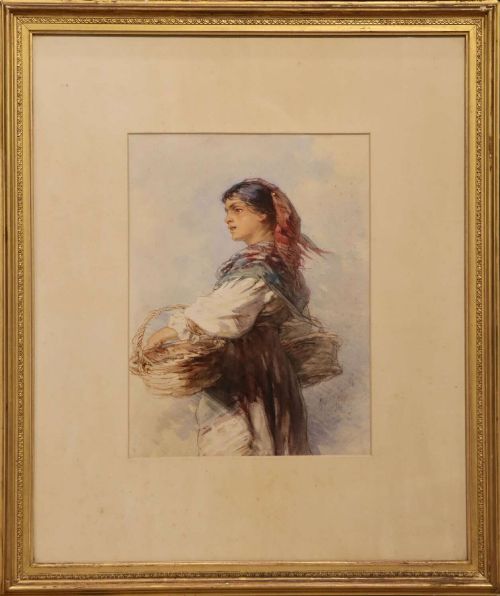
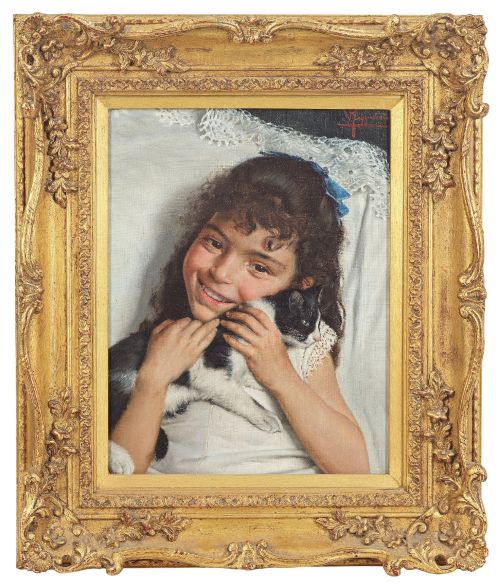
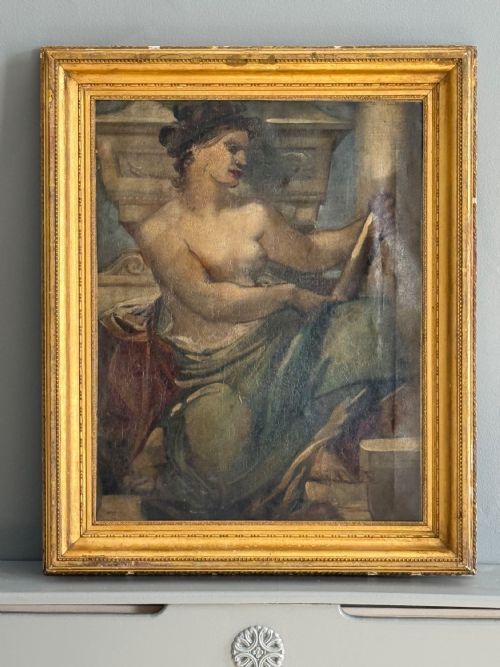
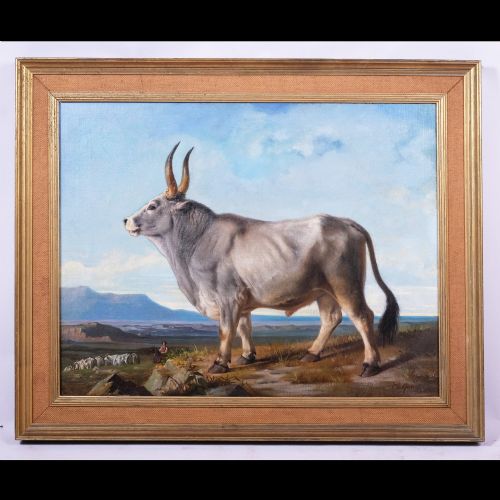
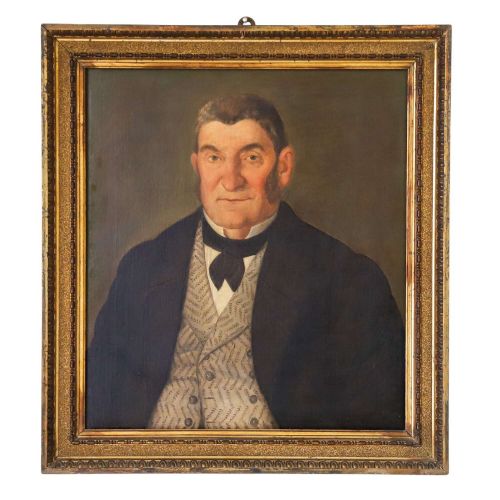
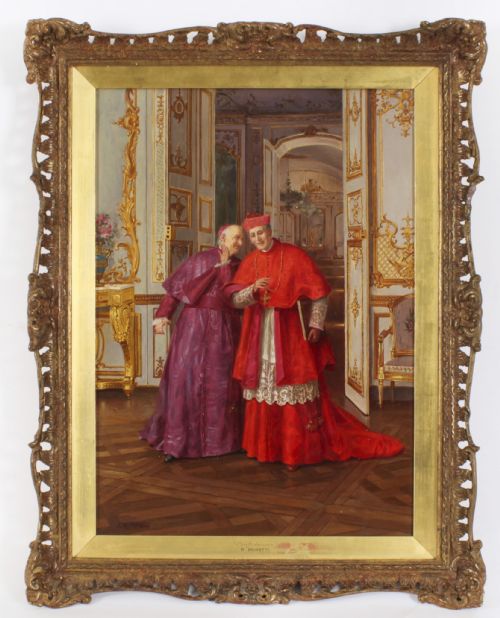
A 19th century italian portrait captures the character and dramatic atmosphere of southern Europe through academic canvas and carved marble.
19th Century Italian Portrait
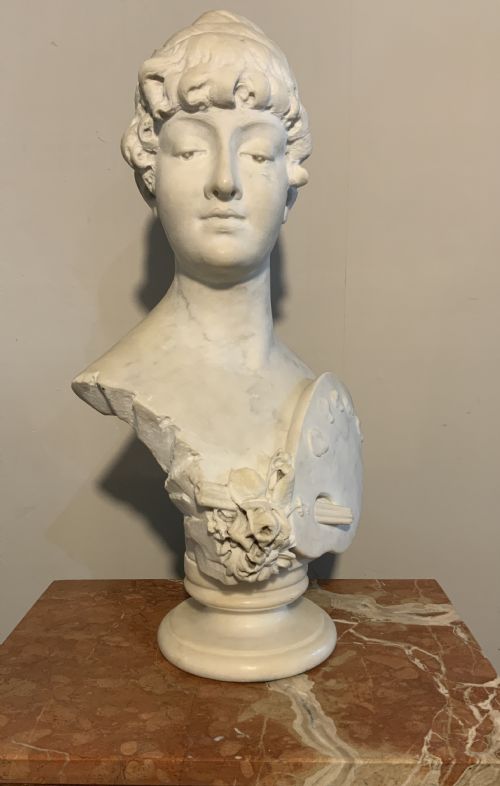
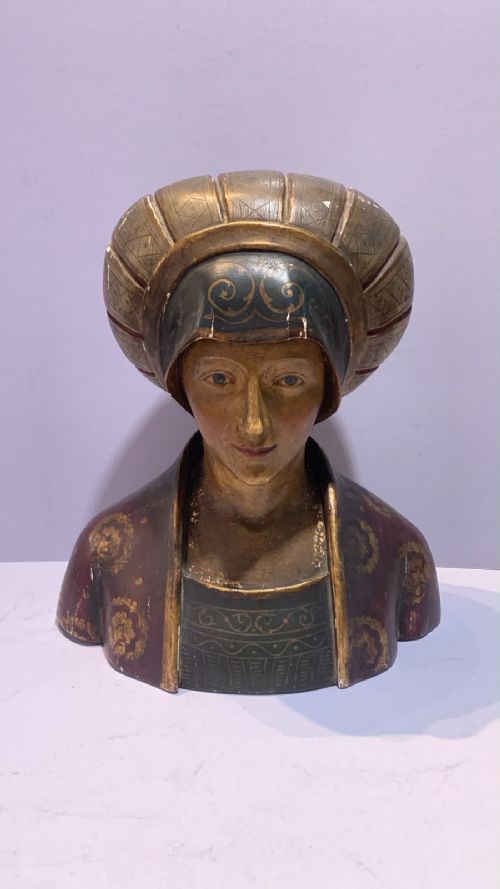
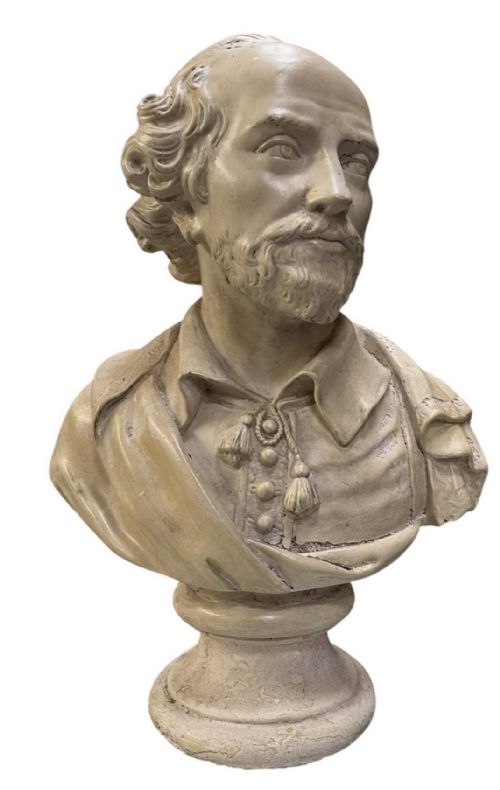
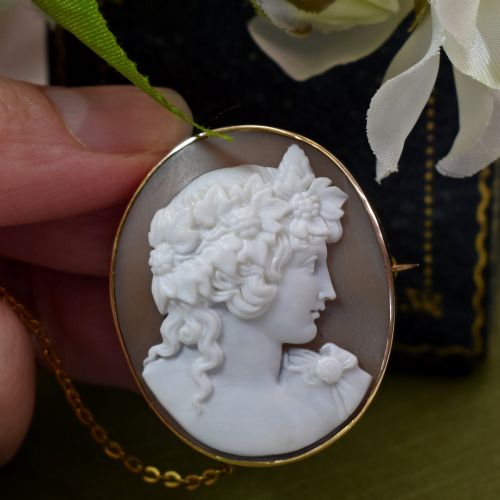
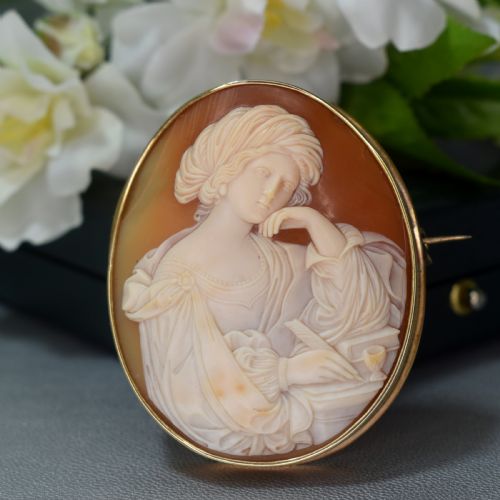
A 19th century italian portrait encompasses painted canvases, watercolours, carved marble busts, and shell cameo brooches originating from Italian studios and Grand Tour workshops. Buyers seek these works for their expressive depictions of nobility, peasants, historical figures, and anonymous sitters.
The selection ranges from large academic oil paintings signed by named artists to modest watercolours of local figures and carved profile plaques of literary icons such as Dante and Virgil. Many pieces reflect a deep engagement with Renaissance masters and classical antiquity through revival styles.
Materials and methods
Painters utilised oil paint applied to canvas, often housed within giltwood frames, alongside watercolour on paper for smaller genre studies. Carvers shaped Carrara and prato verde marble, terracotta, and plaster to create three-dimensional busts and relief wall plaques.
Detailed miniature work appears in shell cameo brooches set in gold, utilising layered natural materials to render classical profiles and historical likenesses with high precision.
Listings feature oil on canvas, watercolours, Carrara marble, prato verde marble, terracotta, and shell cameo set in gold.
Markers of quality
In sculptural forms, the crispness of the carving in marble or shell distinguishes finer studio output from softer, more generalized souvenir items produced for the Grand Tour trade.
Guido Bach·Vittorio Reggianini·Raffaelo Monti·Filipo Indoni·Costantino Frixione·Vincenzo Irolli·Ferruccio Vitale·Federico Andreotti·Pompeo Massani
The 19th Century Italian Portrait Glossary
- Grand Tour
- A traditional trip through Europe undertaken by upper-class young men to absorb classical art and culture. Souvenirs from these journeys included marble busts, carved inkstands, and small portraits.
- Cameo
- A method of carving an object such as a engraved shell or stone where a raised image stands out from a background of a different colour. These often depicted classical deities or historical nobility.
- Renaissance Revival
- An artistic style drawing inspiration from the art and architecture of the 15th-century Italian Renaissance. It frequently manifests in portraits that echo the composition and palette of earlier masters.
- Intaglio
- A gem or other piece of stone carved in incision rather than relief. These appear set into marble desk items and personal ornaments from the period.
- Oileograph
- A mechanical print on canvas made to imitate an oil painting, utilising textured rollers. These are distinct from original hand-painted canvases.
19th Century Italian Portrait: Frequently Asked Questions
What is a Grand Tour portrait?
A Grand Tour portrait is a painting, bust, or carved cameo acquired by travellers exploring Italy during the nineteenth century. These objects served as sophisticated mementoes of cultural education.
They often depict local peasants, classical monuments, or historical literary figures carved in marble, shell, or painted in oil.
Are these portraits original paintings?
The selection includes original oil paintings and watercolours created by hand, alongside some later decorative oileographs and copies after Renaissance masters. Each listing specifies the exact medium used by the artist.
Original works bear the physical texture of brushstrokes and artist signatures where recorded.
How should I display a marble bust?
Carved marble and terracotta busts require stable placement on sturdy furniture or dedicated pedestals capable of supporting significant weight. Keep them away from direct heat sources and moisture.
Dust them gently with a dry, soft cloth to protect the polished or matte surfaces.