


Neoclassical Oil Portrait
A neoclassical oil portrait brings sober elegance and classical restraint to a room, capturing subjects through the refined lens of eighteenth and nineteenth-century European art.
Neoclassical Oil Portrait
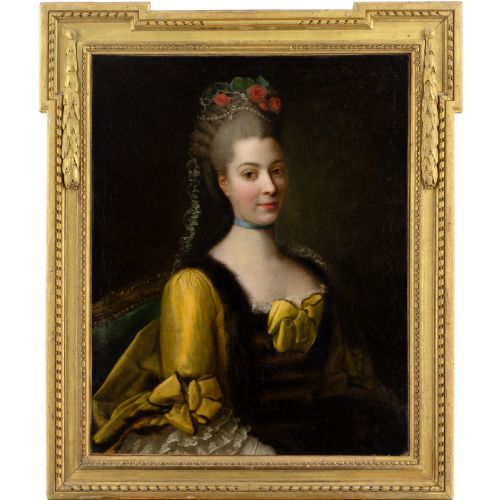
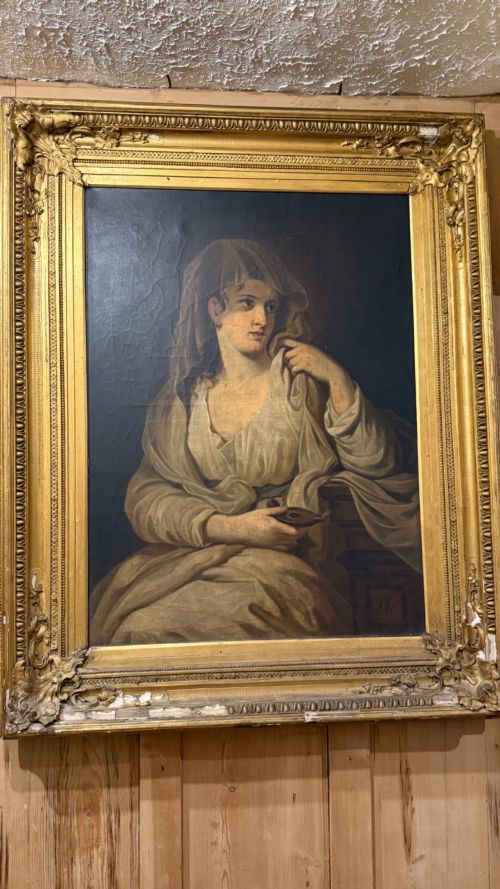
A neoclassical oil portrait presents subjects ranging from elegant women and children to gentlemen, rendered in styles that span French, Italian, German, Austrian and British schools. These works capture figures with distinct attributes, such as books, spaniels, or shells, reflecting the intellectual and aesthetic ideals of the period.
The pieces listed here emerge primarily from the eighteenth and nineteenth centuries, including works associated with specific regional traditions and named artists. Buyers encounter both standalone canvases and coordinated sets, such as seasonal series, offering a direct window into historical portraiture.
How they were made
These works are executed using oil paint on canvas or board, capturing fine detail and subtle tonal gradations. The physical support relies on traditional stretching and mounting techniques appropriate to the period.
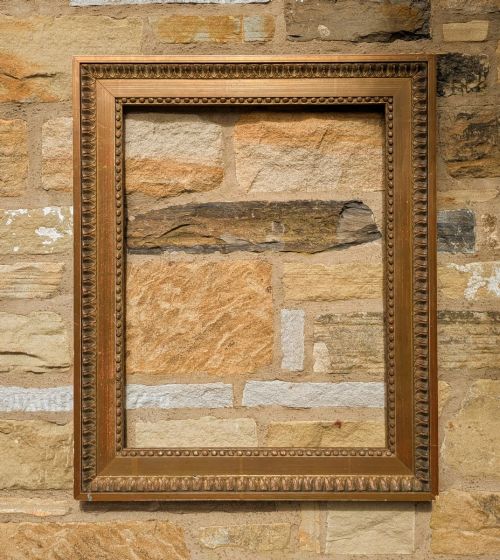
Many portraits are housed in giltwood and gesso frames featuring decorative elements like egg and dart beaded moulding. These frames utilise wood substrates finished with applied ornamentation to complement the aesthetic of the painting.
Listings feature works from the eighteenth and nineteenth centuries, utilising oil on canvas, giltwood, and gesso materials across French, Italian, and British artistic traditions.
What varies in quality
The integrity and craftsmanship of the accompanying period frame contribute significantly to the overall merit of the piece. Frames with crisply carved or moulded gesso and well-preserved gilding enhance the presentation of the canvas.
Louis Leopold Boilly·Guiseppe Mazzolini·Elisabeth Vigee Le Brun·John Russell RA·Francis Alleyne·Angelica Kauffman
The Neoclassical Oil Portrait Glossary
- Giltwood
- Wood carved and covered with a thin layer of gold leaf. This technique provides a luminous, durable finish characteristic of period picture frames.
- Gesso
- A plaster-like mixture applied to wood surfaces as a base for gilding or painting. It allows craftsmen to carve intricate relief details before applying gold leaf.
- Neoclassical
- An artistic movement drawing inspiration from the classical art and culture of ancient Greece and Rome. It emphasises balance, proportion, and restrained emotion.
- Oil on Canvas
- Pigments bound with an oil medium applied to a woven fabric support. This combination permits rich blending and longevity.
Neoclassical Oil Portrait: Frequently Asked Questions
How do I care for an oil portrait?
Keep the painting away from direct sunlight and sudden temperature shifts to protect the canvas and paint layers. Dust gently with a dry, soft cloth and avoid chemical cleaners.
Ensure the hanging environment maintains stable humidity to prevent warping of the wooden stretcher or panel. Professional conservation should be sought for cleaning or canvas tension adjustments.
How are periods identified?
Dating relies on stylistic markers in clothing, hairstyles, and framing techniques characteristic of the eighteenth and nineteenth centuries. Costume details offer reliable clues for narrowing down the decade of creation.
Signatures, inscriptions, and stretcher construction provide additional physical evidence for provenance. Comparing handling techniques with documented works by regional schools helps confirm the era.
Where should I hang these portraits?
These works suit traditional reception rooms, libraries, or hallways where lighting can be carefully controlled. Pairing them with period furniture enhances the historical context of the interior.
Consider eye-level placement to appreciate the finer details of brushwork and expression. Adequate wall space allows the frame and canvas to command attention without crowding.
What is the difference between schools?
Regional schools display distinct approaches to colour palette, lighting, and composition. French and Italian works often lean towards theatrical elegance and softness, while other regional variations emphasise linear clarity.
Attributions to specific schools reflect training traditions shared among contemporary artists of that geography. These stylistic differences help historians trace the transmission of artistic techniques across Europe.