

Antique Lady Portrait Art
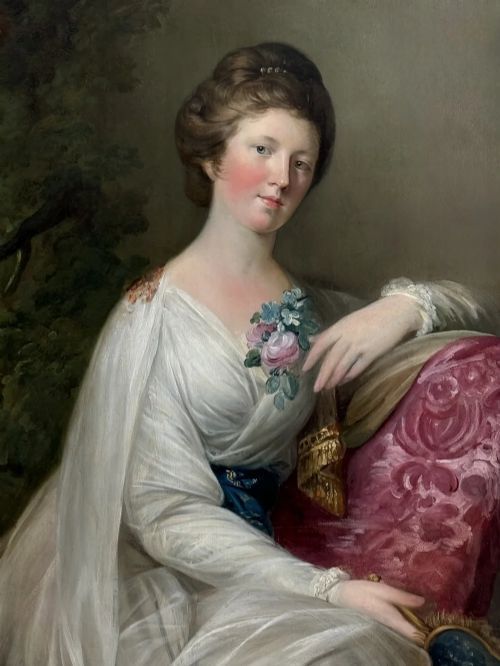
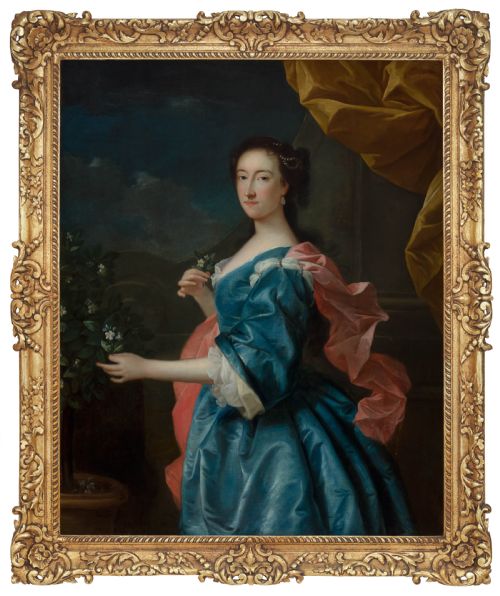
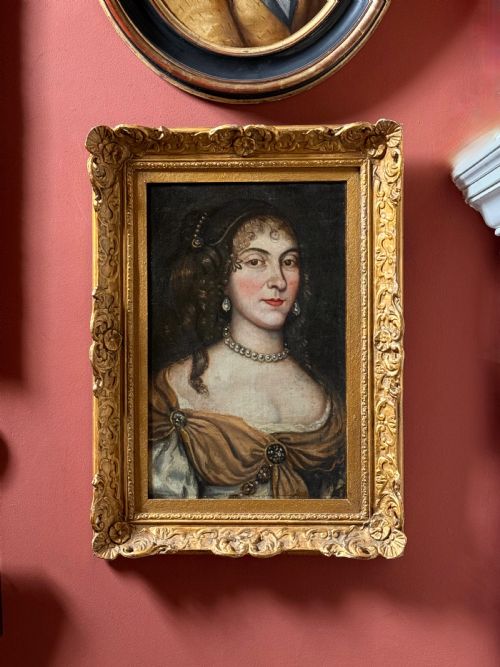
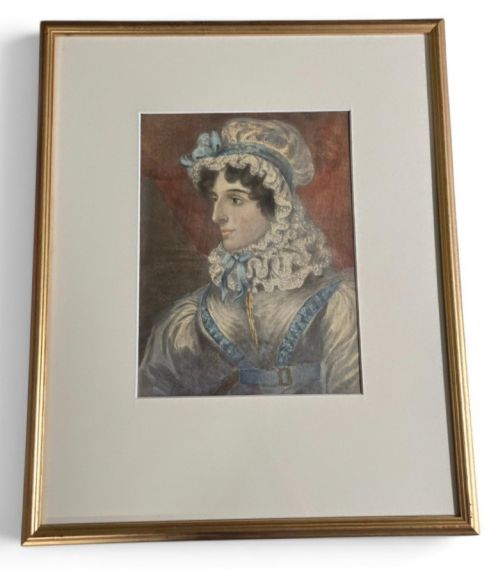
Antique lady portrait art captures individual identity across centuries, offering collectors tangible connections to historical figures through painted canvas, delicate miniatures, and framed prints.
Antique Lady Portrait Art
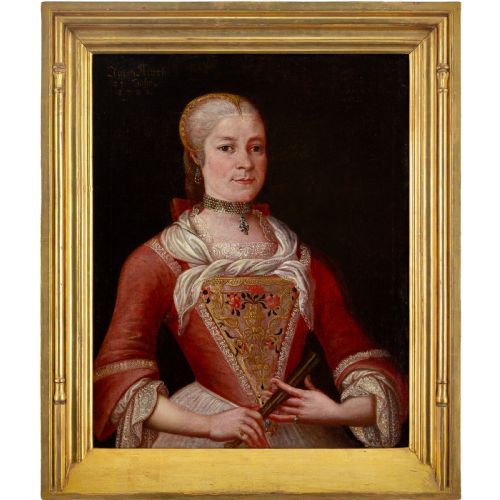
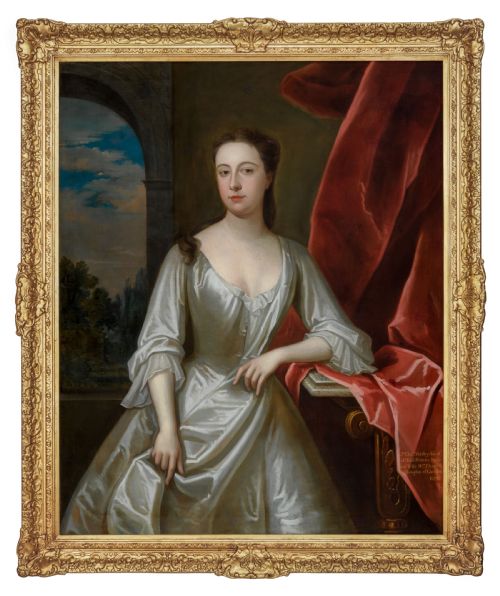
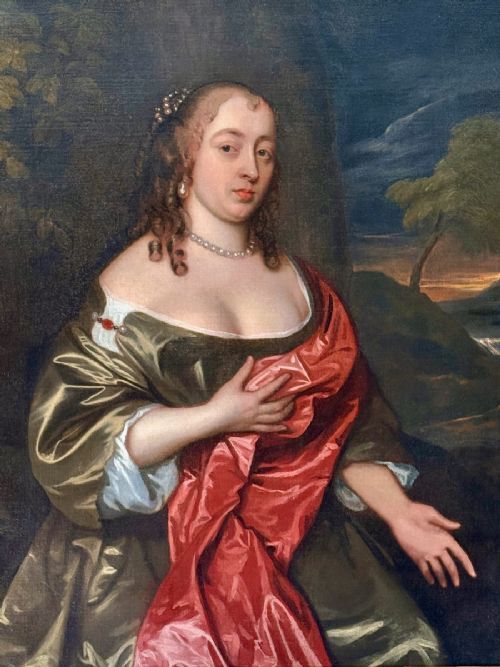
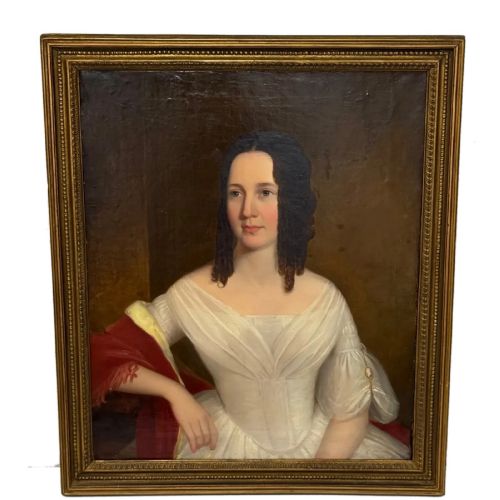
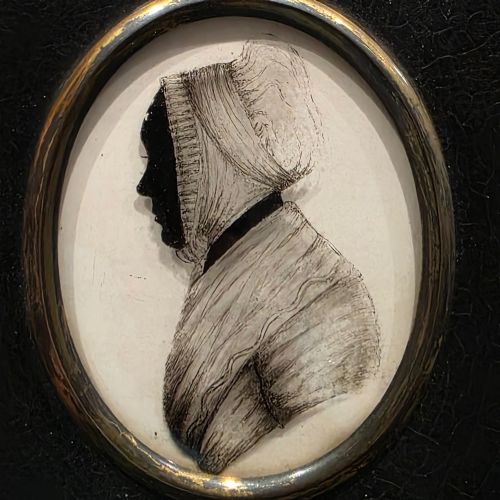
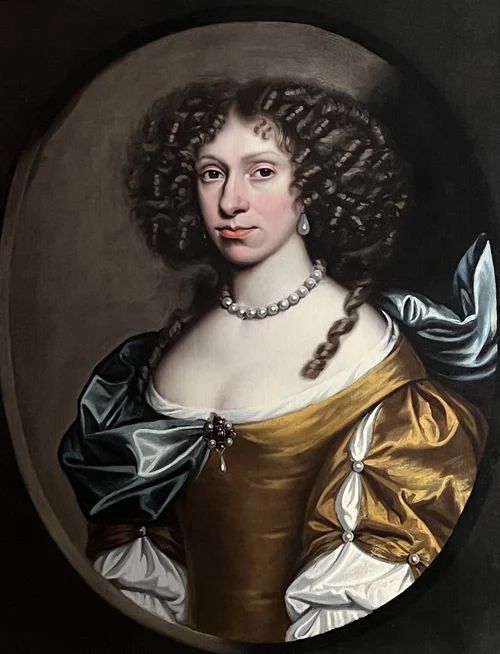
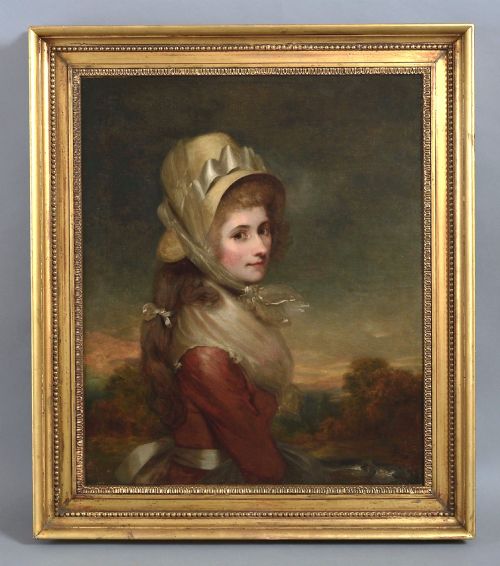
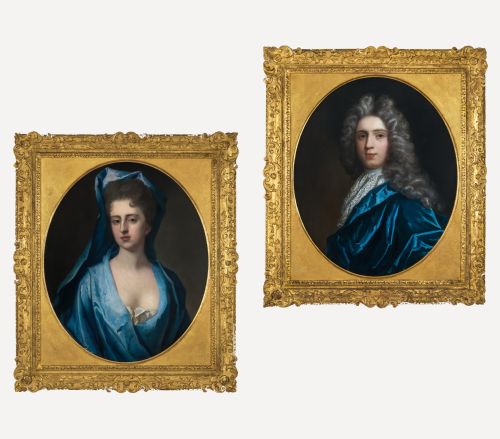
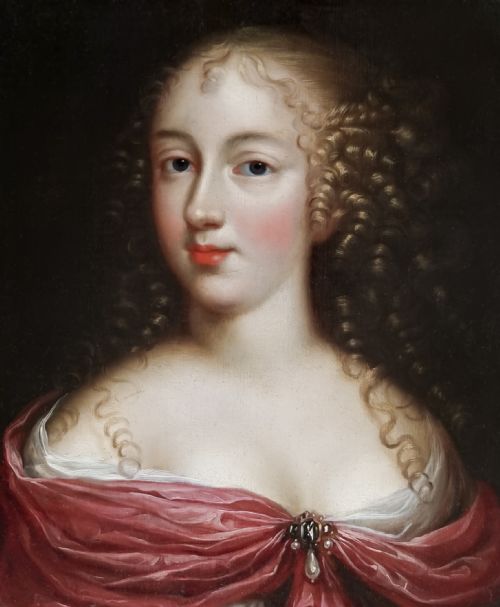
Collectors seeking antique lady portrait art examine works ranging from seventeenth-century oil paintings on canvas to nineteenth-century silhouettes and Victorian oils. These pieces record the likenesses of named sitters, noblewomen, and fashionable figures from the Georgian, Regency, and Edwardian periods.
The selection includes large monumental canvases alongside intimate portrait miniatures encased in gilt frames. Buyers frequently encounter works produced by studio circles, British and European schools, or folk artists working in oil, pastel, and watercolor.
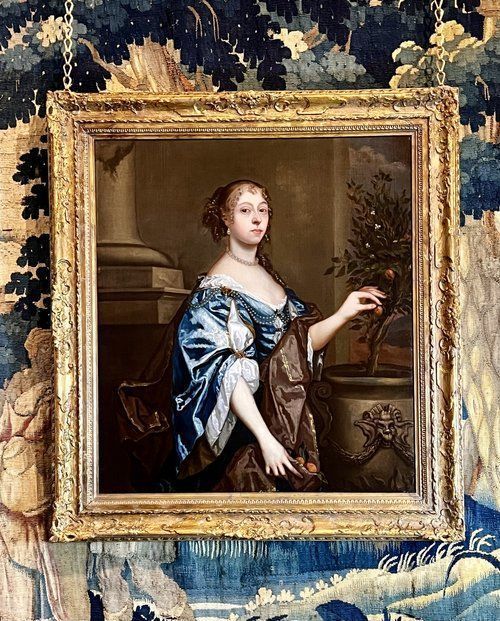
Subjects appear in diverse settings, from extensive landscapes and draped interiors to quiet domestic scenes holding flowers or books. Each format reflects the prevailing aesthetic sensibilities of its specific century.
Materials and Methods
Makers utilised oil paint applied to stretched canvas, wood panels, or board as the primary medium for monumental and domestic works. Artists also employed pastel on paper, watercolour, and reverse painting techniques on glass.
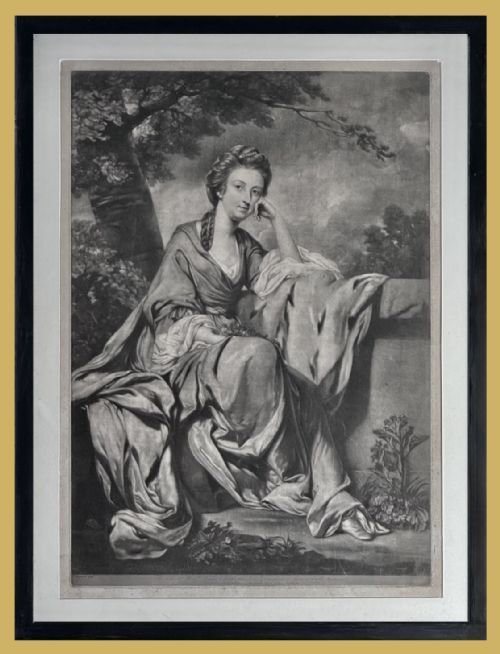
Framing utilised giltwood and gilded wooden surrounds that enhanced the visual depth of the artwork. Specialised printmaking methods such as mezzotint engraving translated painted compositions into multiple impressions on paper.
Listings feature works spanning the 17th Century to 1950, utilising oil on canvas, pastel, watercolour, and engraved mezzotint.
Evaluating Quality and Execution
Preservation of the original pigment layer, minimal retouching, and the presence of authentic period framing elevate the standing of a piece. Documentation regarding the sitter or attribution to a recorded artist adds historical weight.
Sir Godfrey Kneller·John Hayls·David Scougall·Sir Martin Archer Shee·John Maler Collier·George Willison·Jeremiah Davison·Michael Dahl·Thomas Murray·Pierre Mignard·Pieter Borsseler·Sir Peter Lely·John Russell·John Vanderbank·Thomas Beach·Sir Allan Ramsay·Francis Cotes·James Watson·Valentine Green·Rudolphus Schmutz·Jean Baptiste Discart
The Antique Lady Portrait Art Glossary
- Mezzotint
- A printmaking process of the printmaker's art that achieves tonal gradation through roughening a metal plate. It allows for rich, velvety darks and subtle portraits.
- Miniature
- A small-scale portrait painted on ivory, vellum, or paper, often housed in a protective case. These portable works required fine, precise brushwork.
- Giltwood
- Wood carved and coated with gold leaf or a gold-coloured finish. It provides ornate borders for antique frames.
- Silhouette
- A portrait profile filled in with a solid dark colour, typically black, against a pale background. Artists sometimes painted these directly onto glass or card.
- Provenance
- The documented history of ownership of an artwork. It establishes authenticity and traces the lineage of the piece.
Antique Lady Portrait Art: Frequently Asked Questions
What periods do these portraits cover?
The available selection spans multiple centuries, with particular representation from the seventeenth, eighteenth, and nineteenth centuries. Examples stretch from Baroque and Georgian eras through Victorian and Edwardian periods.
Buyers encounter works executed during specific reigns such as the Regency and through early twentieth-century interpretations.
How were portrait miniatures displayed?
Portrait miniatures were often designed to be portable, intended to be carried in pockets, worn as pendants, or kept in travel cases. Many were also housed in small gilt frames for placement on desks or walls.
Their intimate scale allowed sitters to share likenesses with family members across distances.
What is a mezzotint portrait?
A mezzotint is an engraved print created by roughening a copper plate to hold ink, producing deep tones and smooth gradations. Printmakers used this technique to reproduce famous oil paintings by artists like Sir Joshua Reynolds.
These prints made aristocratic portraits accessible to a wider contemporary audience.
How do I identify the sitter?
Many portraits include inscriptions directly on the canvas, frame, or reverse side detailing the name of the individual. Archival records, coats of arms, and accompanying family documentation often assist in confirming identity.
When names are absent, costume style and hair fashion provide clues to the decade of creation.