



19th Century Italian Mirror
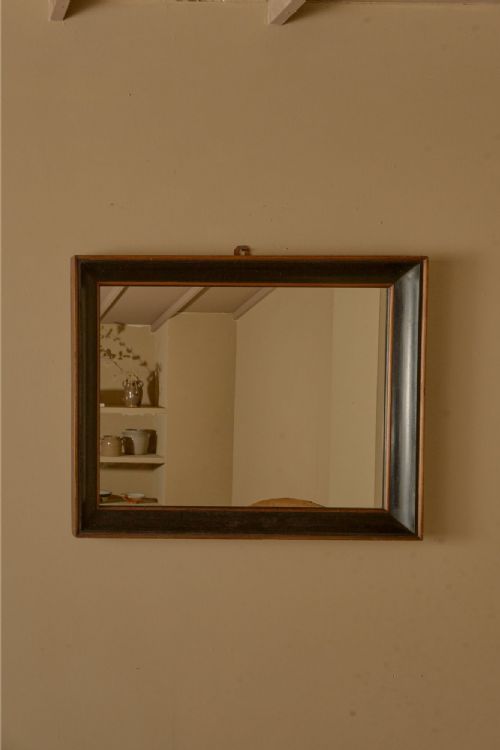
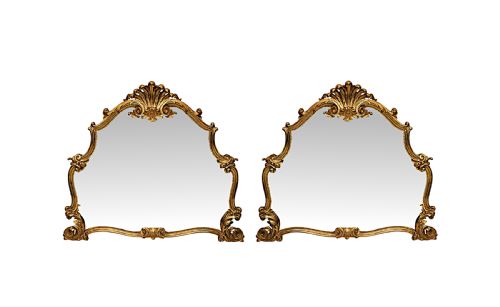
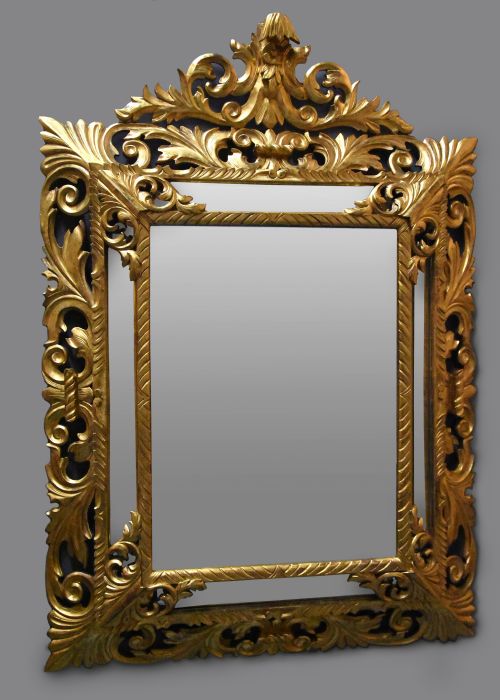
A 19th century italian mirror brings theatrical warmth and intricate carving to a room, drawing the eye with gilded surfaces or deep ebonised frames.
19th Century Italian Mirror
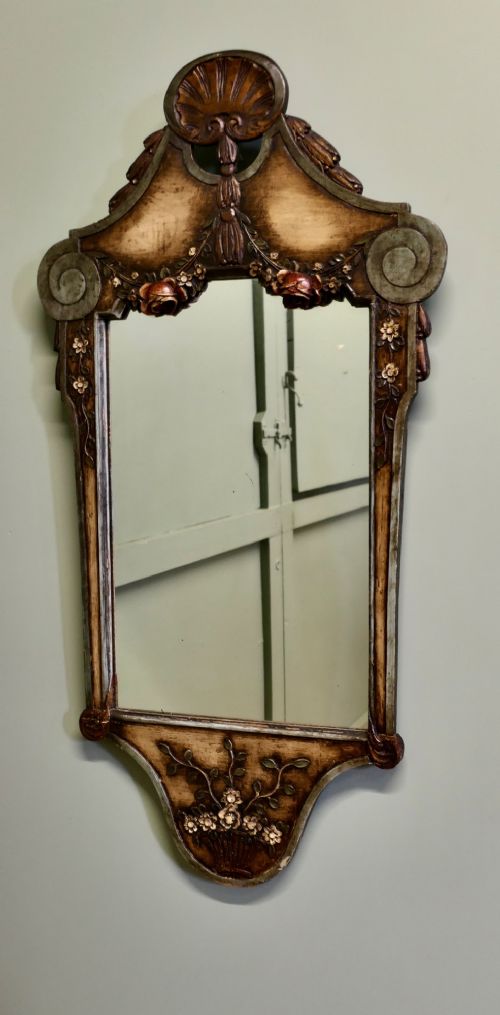
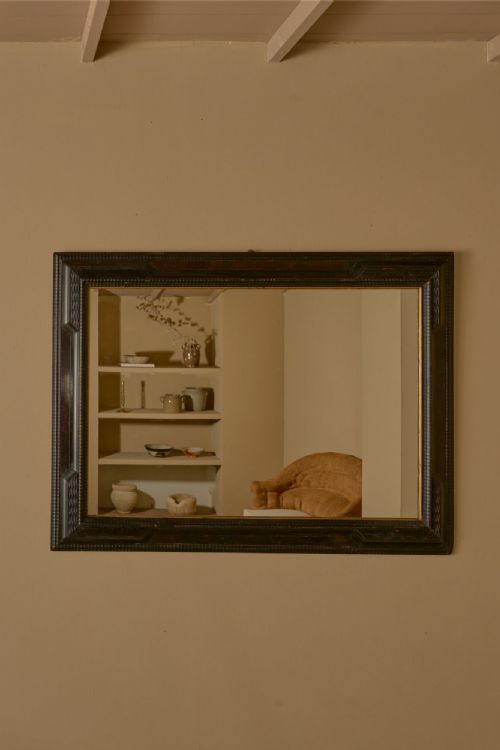
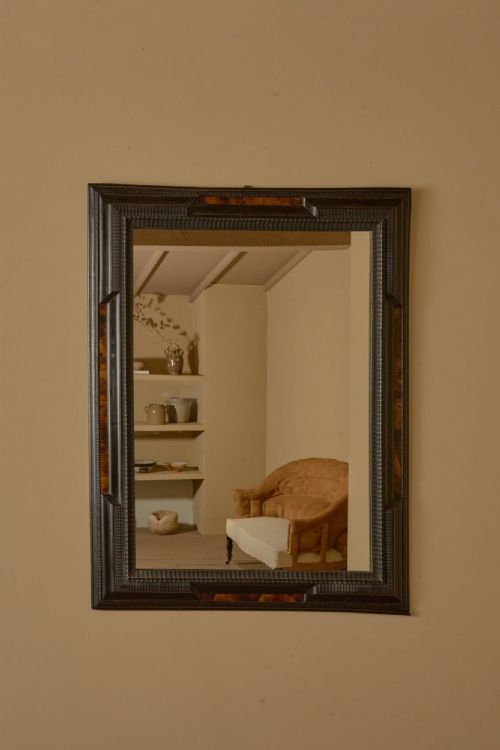
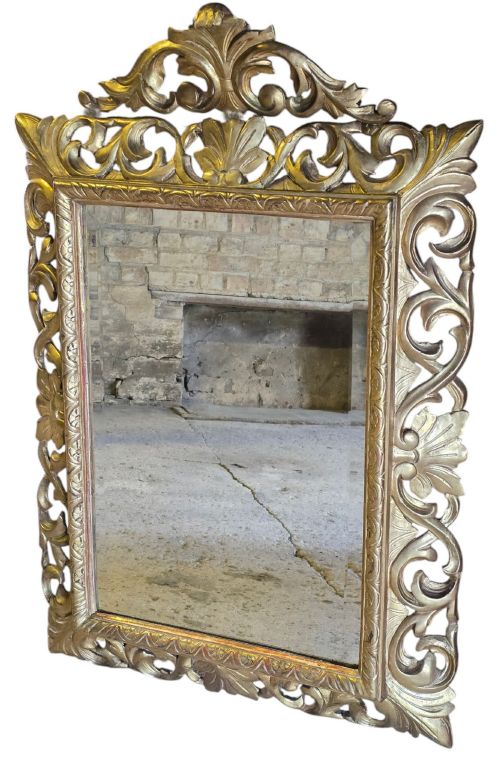
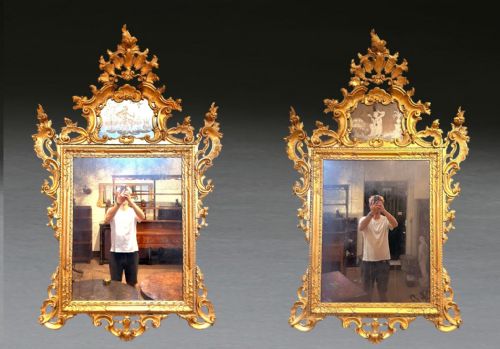
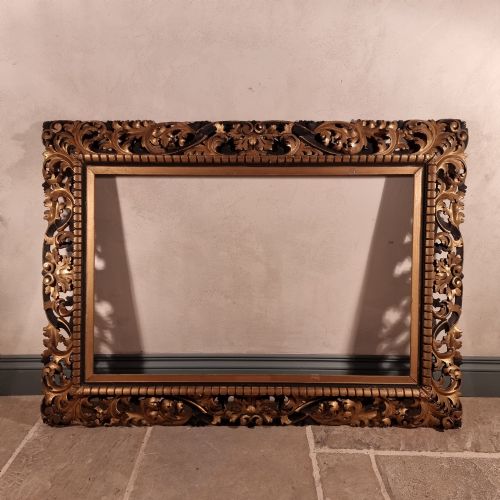
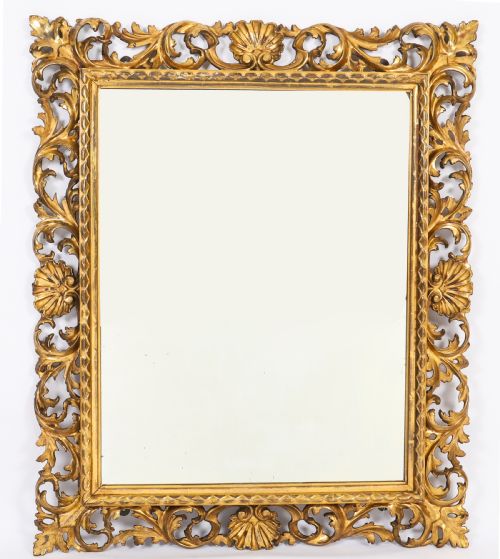
When searching for a 19th century italian mirror, buyers encounter grand overmantel pieces, smaller Florentine wall frames, and ornate Venetian designs shaped by regional workshops. The selection ranges from deeply carved giltwood statement pieces to restrained ebonised and faux tortoiseshell frames designed for domestic spaces.
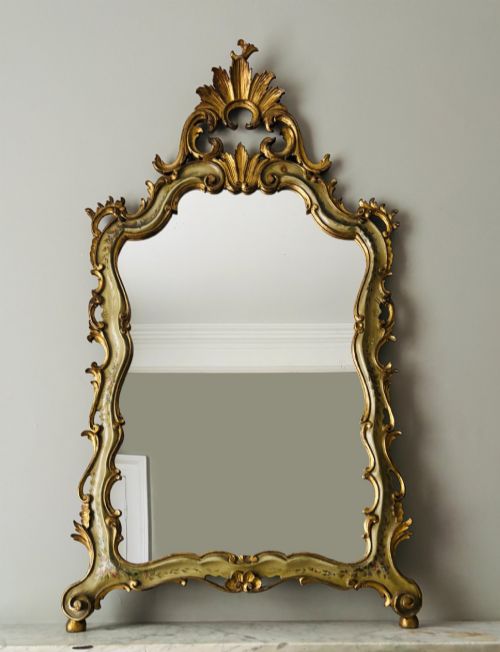
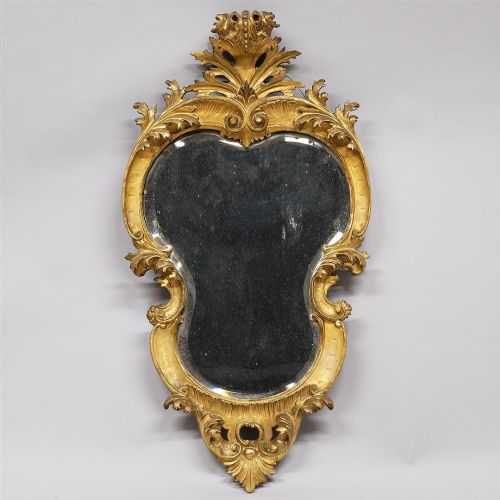
Florentine and Rococo Revival styles dominate the pieces available, offering elaborate foliate carving, scrolls, and crested tops. Buyers frequently discover wall mirrors and pier glasses alongside rarer cheval mirrors, dressing glasses, and marginal glass configurations.
Origins span major historic centres, with Venetian makers contributing blue glass panels and cushion frames, while northern workshops produce heavy giltwood and limewood carvings. These mirrors served grand reception rooms and private chambers alike, adapting to varied architectural proportions.
Markers of distinction
The depth and crispness of the hand carving dictate the calibre of the frame, where sharp undercut foliage separates superior work from softer, mechanical mouldings. Superior examples retain their original gilding and historic mirror plates, showing natural patination rather than later re-gilding.
The integrity of the wooden substrate and gesso foundation determines structural longevity, particularly on large overmantel frames where weight stresses joints and corners. Finer pieces demonstrate careful symmetry in complex Rococo scrolls and precise execution in micro mosaic or ebonised details.
19th Century Italian Mirror Retail Price Guide 2026
Typical asking prices for 19th century italian mirror among the pieces listed under this phrase on Sellingantiques today, from the lower quarter to the upper quarter. They describe what is for sale here now, not the wider market.
Several mirrors include faux tortoiseshell finishes designed to trick the eye into seeing exotic shell without leaving the workshop.
Ciceri and Co
The 19th Century Italian Mirror Glossary
- Giltwood
- Timber coated with gold leaf over a prepared gesso ground. This technique creates a luminous metallic finish characteristic of high-status frames.
- Gesso
- A plaster mixture applied to wood frames to provide a smooth surface for carving and gilding. It allows intricate relief work to be modelled before applying metal leaf.
- Cushion mirror
- A frame profile with a broad, convex border that slopes outward toward the wall. This shape reflects light from multiple angles across the room.
- Pier glass
- A tall mirror specifically designed to hang on the wall space between windows. These pieces often pair with matching console tables.
- Marginal mirror
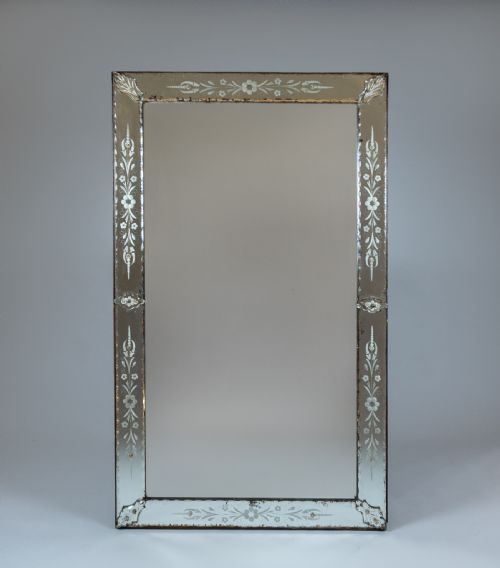
- A central glass plate surrounded by smaller, angled border sections held together by rosette stops. Venetian makers favoured this decorative layout.
19th Century Italian Mirror: Frequently Asked Questions
Where should I hang a large overmantel mirror?
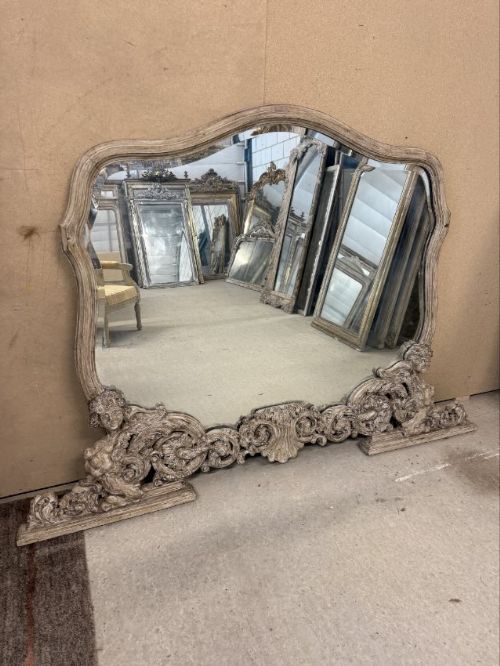
These large frames suit placement above a fireplace mantel or a low sideboard in a principal reception room. Their scale reflects natural light and anchors surrounding furniture arrangements.
Ensure the wall structure supports substantial weight, as carved giltwood and thick glass plates require secure fixings into masonry or studs.
How do I care for antique gilt surfaces?
Dust surfaces gently with a dry, soft feather duster or a clean, dry microfiber cloth. Avoid applying water, cleaning sprays, or chemical solvents to gold leaf or gesso.
Keep frames away from direct sunlight and damp environments to prevent the wooden substrate from warping and the gesso from cracking.
What defines the Florentine style?
Florentine frames typically feature dense, continuous carving of acanthus leaves, scrolls, and floral motifs finished in bright gold leaf. These designs focus heavily on sculptural depth.
Such pieces often lack straight outer edges, substituting irregular organic outlines that project outward from the wall.
Are original mirror plates expected?
Original glass plates frequently exhibit light foxing, minor grey spots, and gentle distortion, which confirm the age and authenticity of the piece. Collectors generally value this historic patination over modern replacement glass.
Clear, flawless reflections on a nineteenth-century frame often indicate a later mirror plate replacement.