

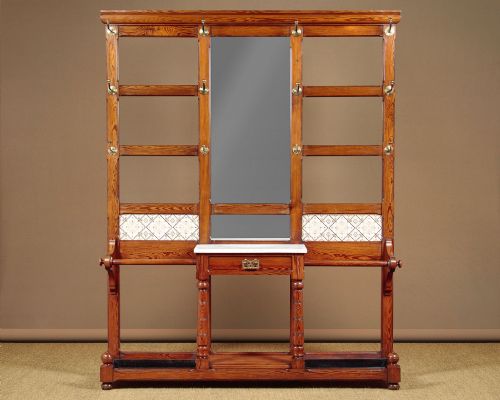
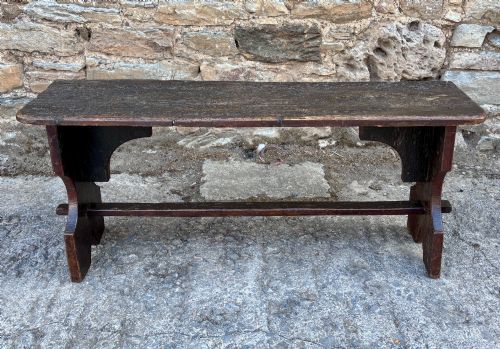
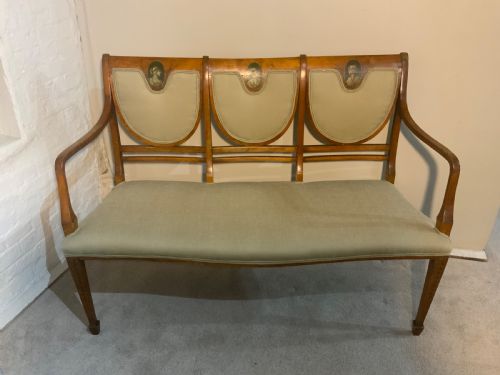
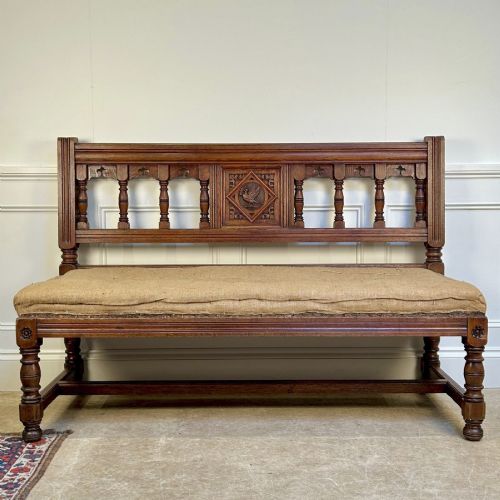
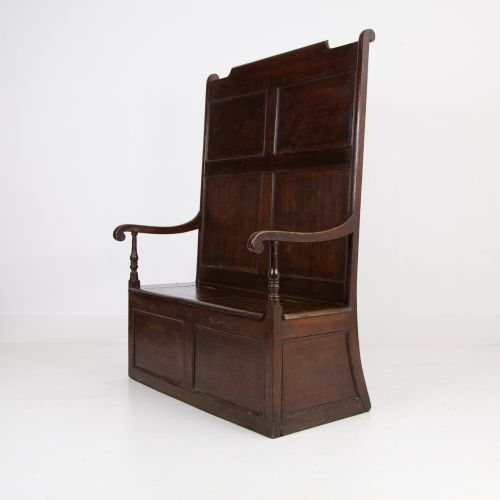
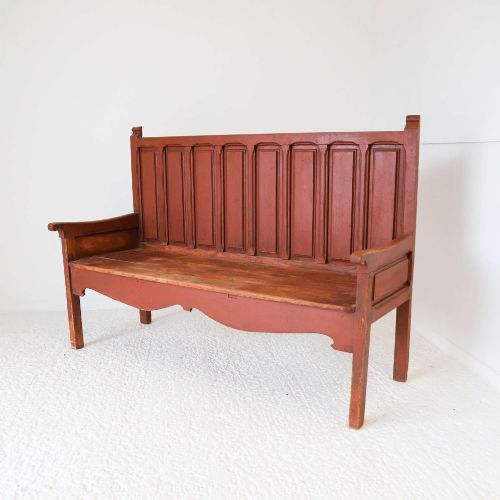
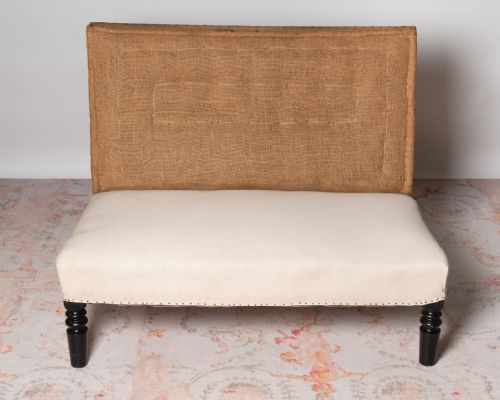
19th Century Hall Bench
A 19th century hall bench anchors an entryway with deep character, offering solid utility and distinct period presence.
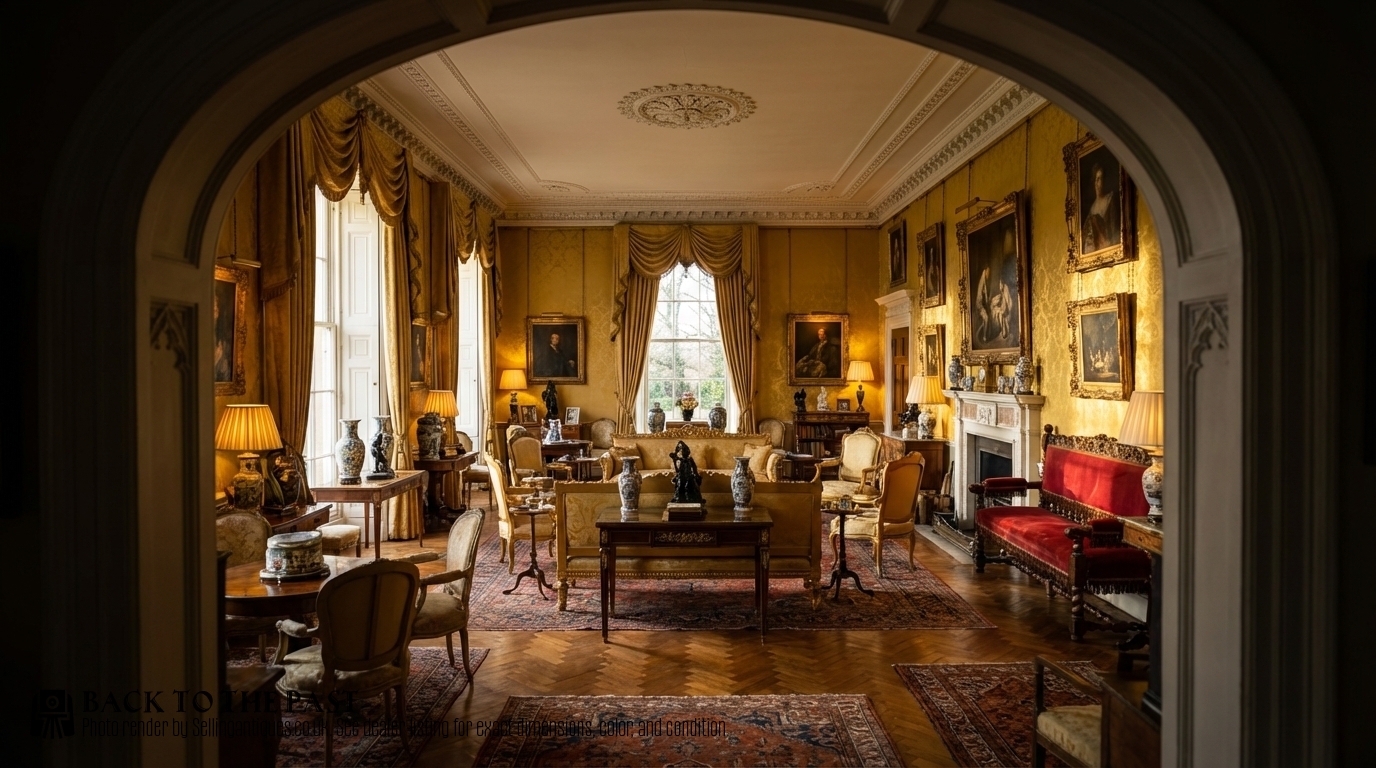
What a 19th century hall bench is
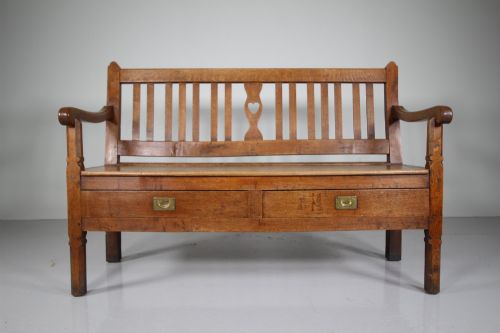
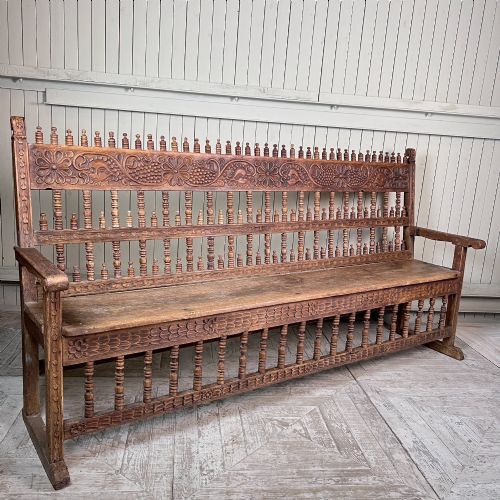
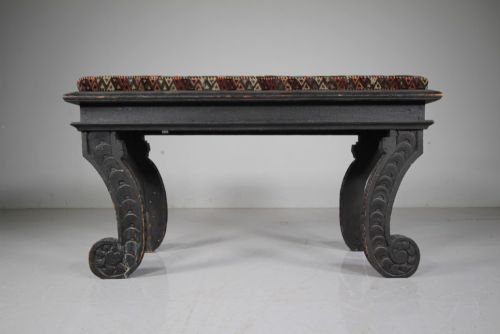
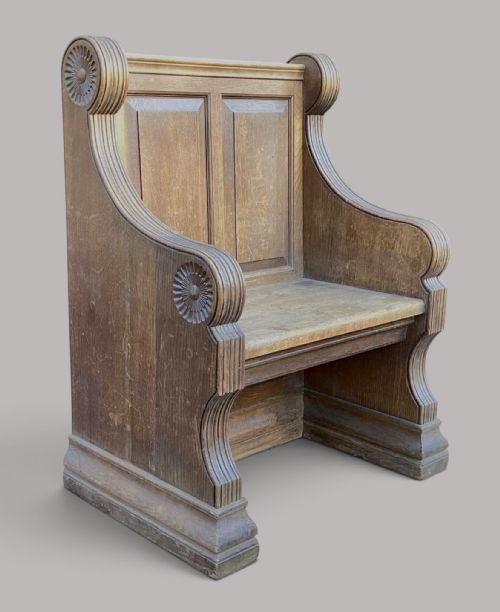
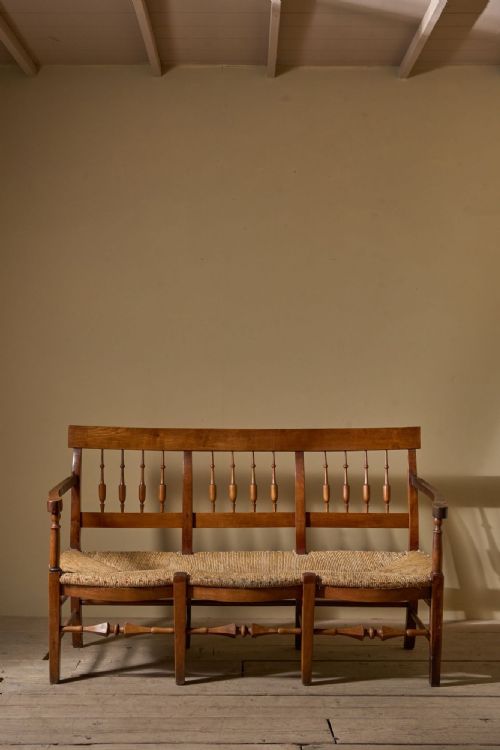
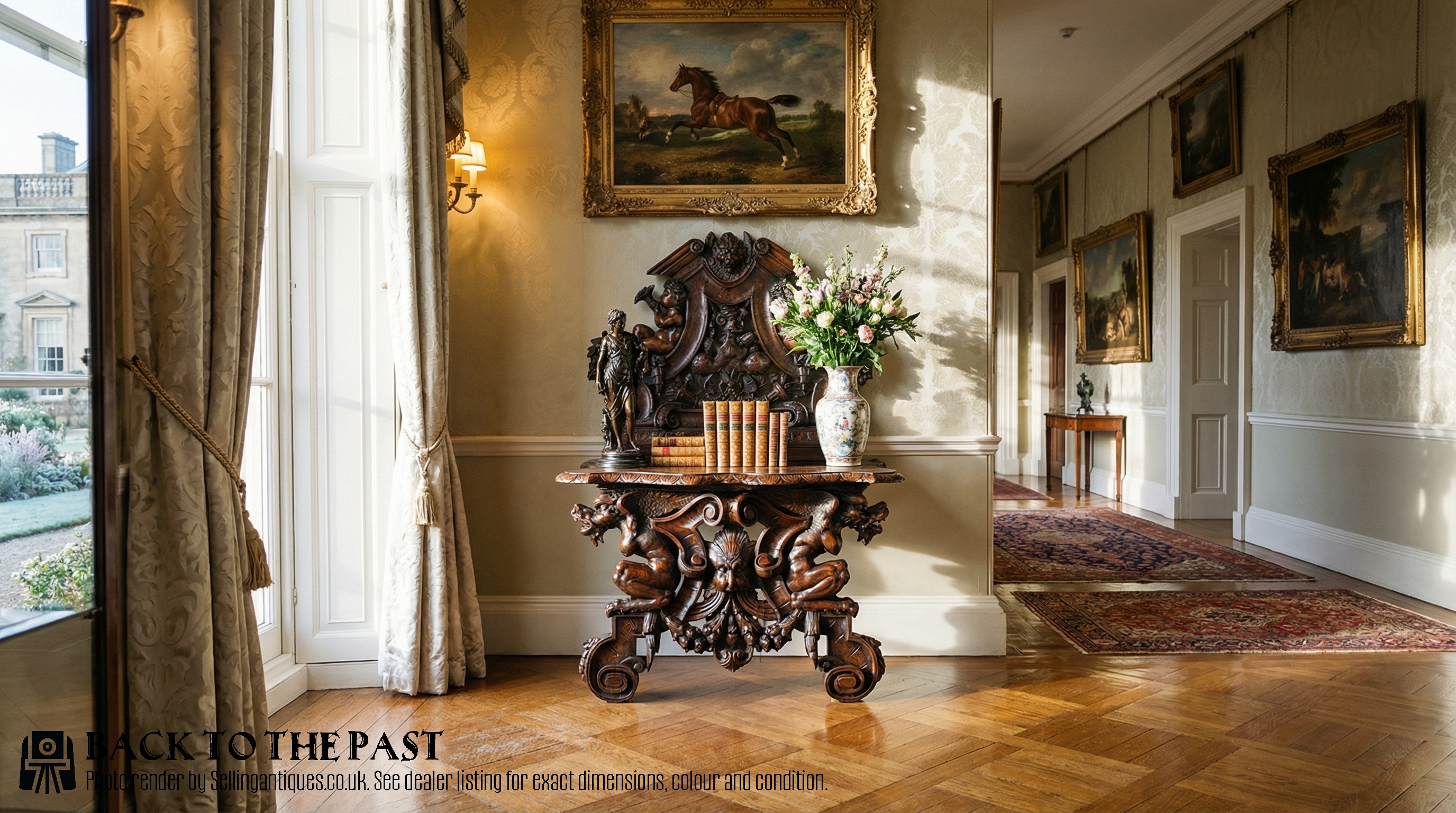
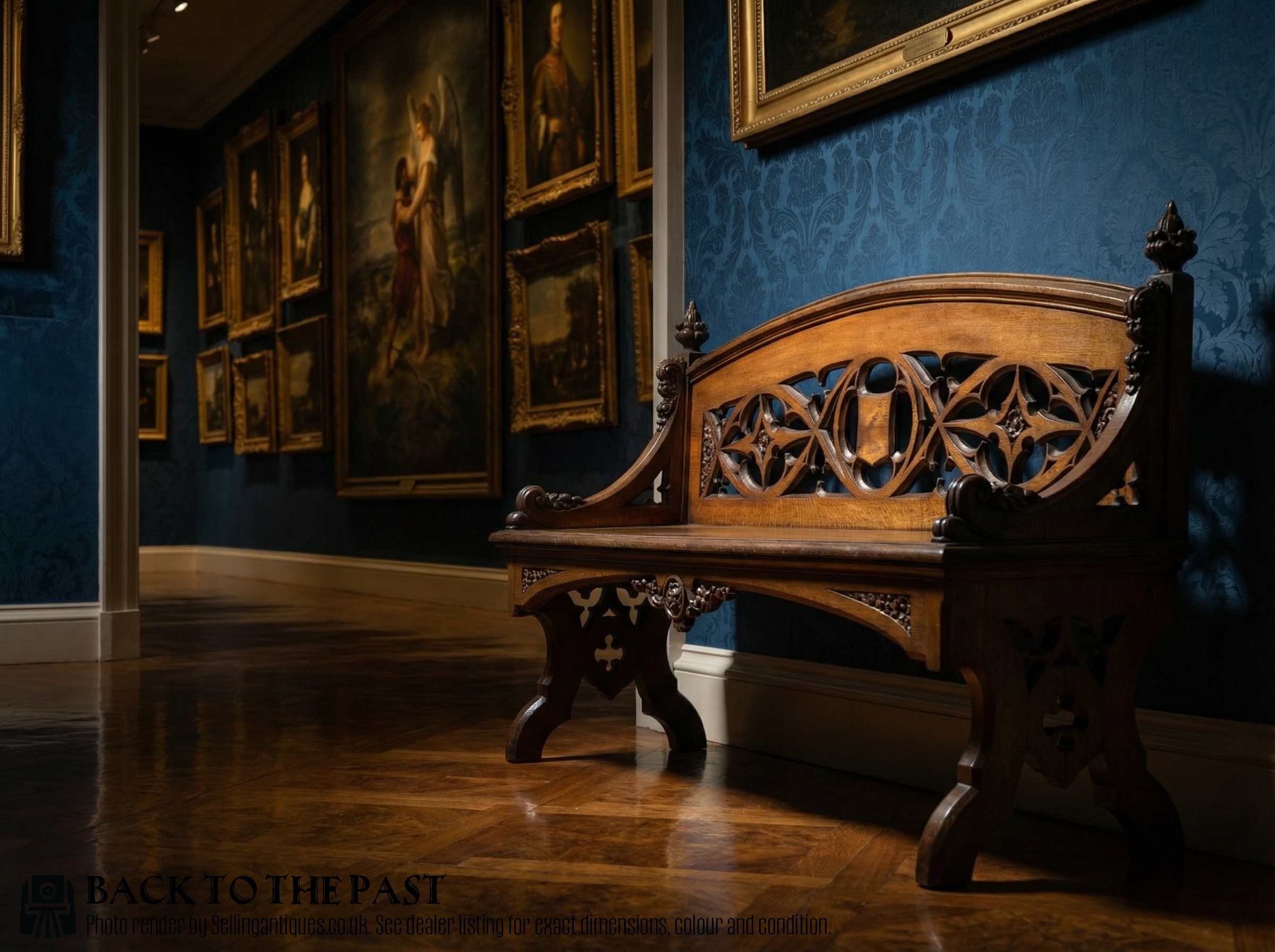
A 19th century hall bench serves as a functional and decorative entryway seating piece, frequently incorporating backs and armrests designed for grand hallways. These furnishings appear under various forms including settles, window seats, settees, and monks benches.
The material record relies heavily on oak and walnut, alongside mahogany, lindenwood, and rush. Regional variations span English country styles, French seating, Spanish baroque designs, and Italian Renaissance Revival forms.
Makers and workshops like Shoolbred and Co contributed specialised seating, while regional vernacular pieces utilise local woods and traditional carving motifs.
How they were made
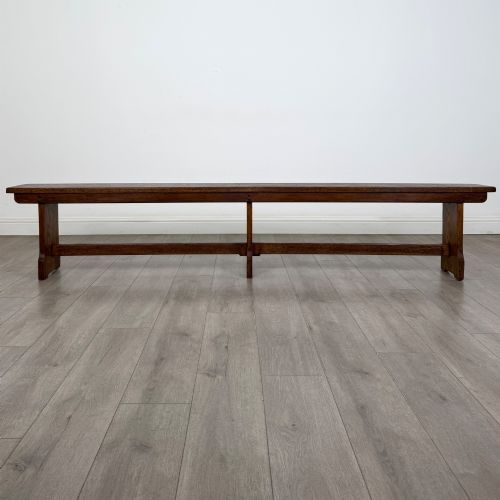
Construction relies on sturdy hardwoods such as oak, walnut, and mahogany, fashioned into robust frames designed to withstand heavy everyday use in entranceways. Master carpenters utilised traditional joinery methods to ensure long-term stability across large benches and settles.
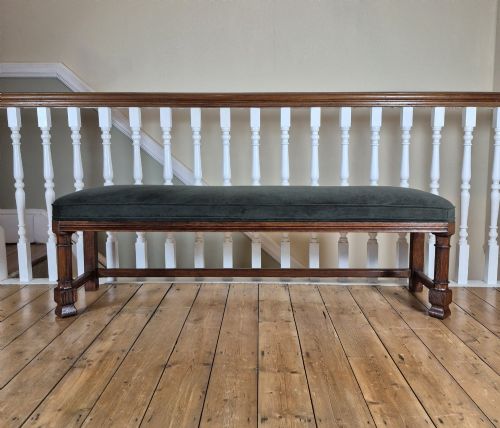
Decoration includes deep hand-carving, barley twist turnings, and figural details like Green Man masks. Some examples integrate upholstered elements featuring leather, velvet, and textile fringe.
Surface finishes range from natural polished timber grains to original paint layers and dark patinated waxes developed over generations.
Retail Price Guide 2026
Typical UK retail prices for 19th century hall bench, calculated from the Sellingantiques database of over a million retail prices indexed since 2003. This retail price guide relies exclusively on Sellingantiques data; no external sources or auction records are used, so the figures do not describe the wider market.
Recorded listings feature robust timbers including oak, walnut, and mahogany alongside carved lindenwood and brass accents.
What varies in quality
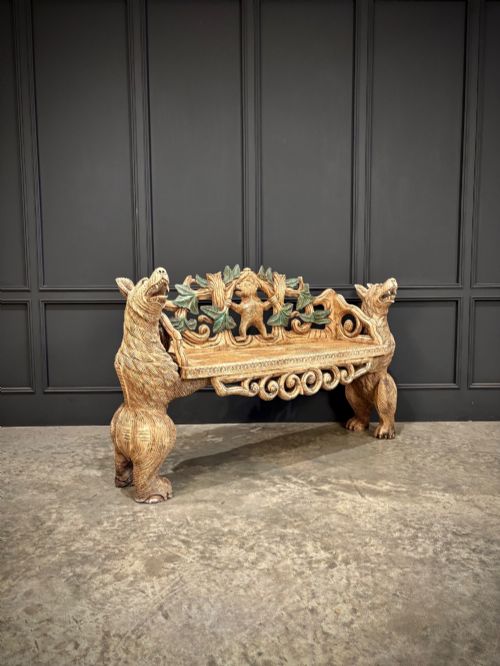
The distinction between ordinary and exceptional examples rests upon the depth and crispness of the hand-carving. Pieces bearing intricate regional motifs, such as Black Forest animal carvings or bold Green Man masks, demonstrate superior sculptural ambition.
Structural integrity and timber selection dictate the longevity of each frame, with dense solid oak or figured walnut holding a clear advantage over simpler utility builds. Retaining original surfaces, paint layers, or period upholstery hardware elevates the historical integrity of the piece.
Shoolbred and Co
The 19th Century Hall Bench Glossary
- Monks bench
- A convertible furniture form that transforms from a bench with a high back into a table by pivoting the upper section. This clever dual-purpose design was popular in traditional interiors.
- Settle
- A wooden bench featuring a high back to block cold drafts, often equipped with solid armrests and a box seat for storage. These pieces provided sheltered seating near hall hearths and entryways.
- Barley twist
- A decorative turning style resembling a twisted rope, carved into the vertical legs and structural supports of nineteenth-century furniture. This technique adds dynamic movement to heavy timber frames.
- Green Man
- A sculptural architectural motif depicting a human face entwined with leaves, vines, or foliage. It appears frequently on heavily carved Victorian and Renaissance Revival hall seating.
Frequently Asked Questions
Where should I place a hall bench?
These benches suit spacious entrance halls, corridors, or large landings where their architectural backs and substantial frames command attention.
They also function effectively beneath windows as extended window seats, combining practical seating with period visual weight.
Did these benches include storage?
Many examples, particularly settles and monks benches, feature hinged seats that open to reveal deep compartments beneath.
This concealed space was historically used for storing heavy textiles, boots, and everyday items away from the main living areas.
How do I identify a Renaissance Revival piece?
Renaissance Revival pieces display heavy proportions, dark walnut or oak timbers, and classical architectural motifs drawn from earlier European eras.
Look for deep relief carving, symmetrical panels, and formal structural lines that evoke sixteenth-century design.