

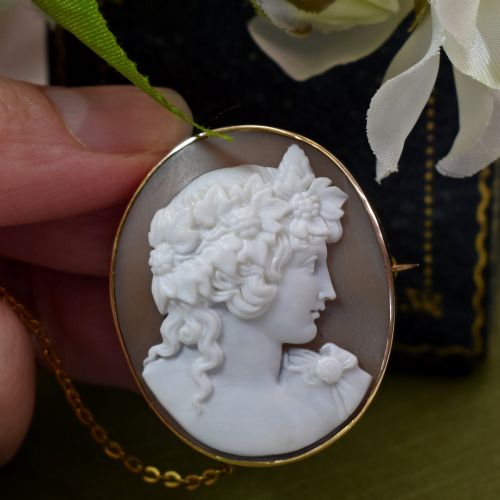


19th Century Grand Tour Cameos
These 19th century grand tour cameos capture classical antiquity through wearable brooches and framed wall art brought home by travellers.
19th Century Grand Tour Cameos
When you search for 19th century grand tour cameos, you encounter portable classical art and souvenir pieces collected by affluent travellers touring Europe. These objects reflect a deep Victorian fascination with ancient Rome and Greece, translating mythological figures and imperial profiles into intimate portable formats.
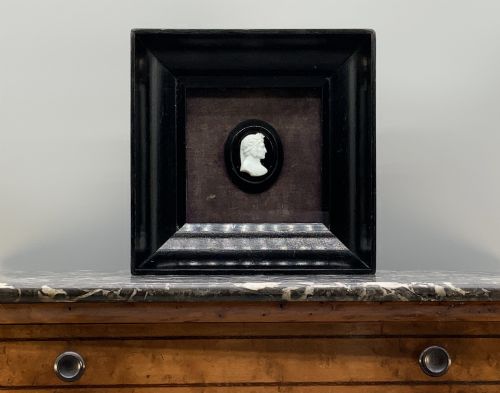
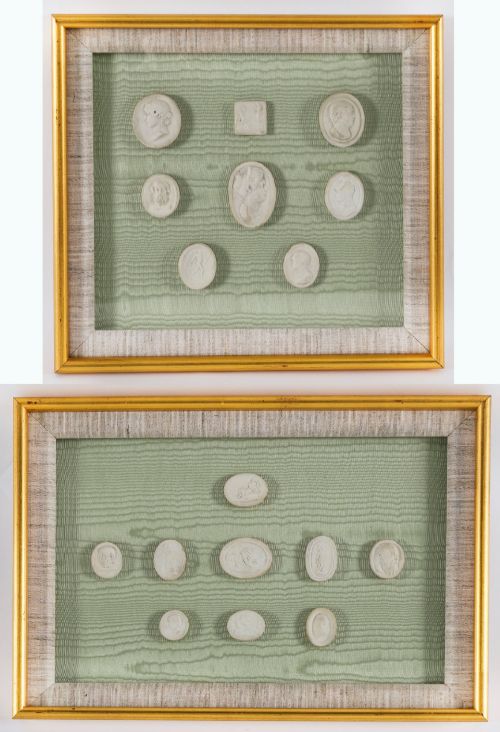
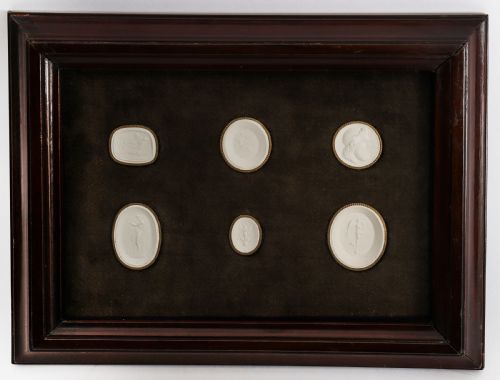
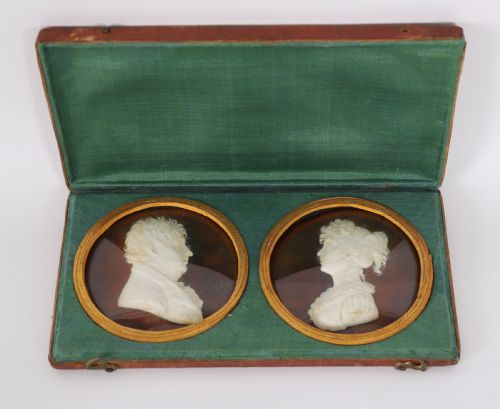
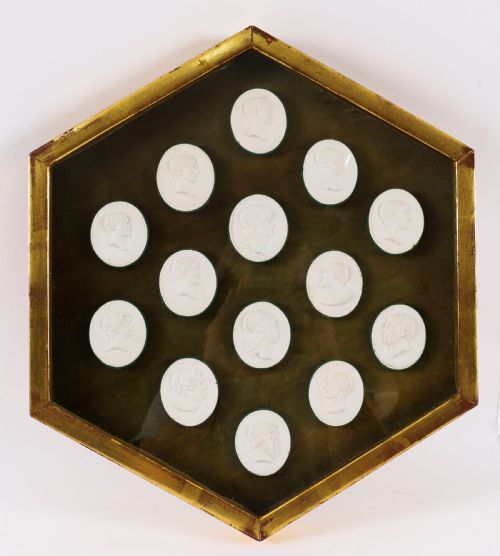
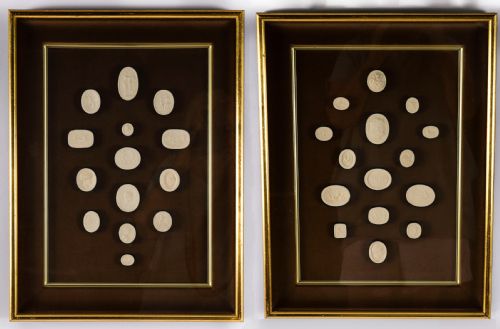
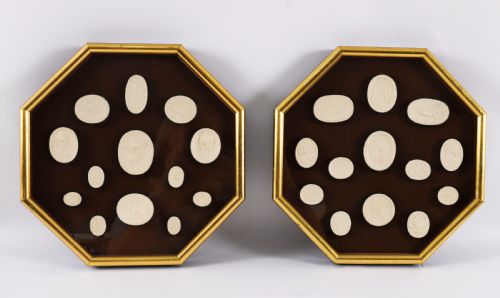
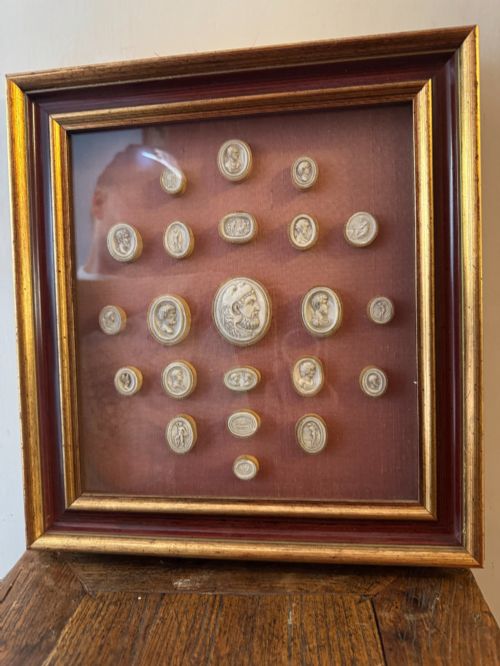
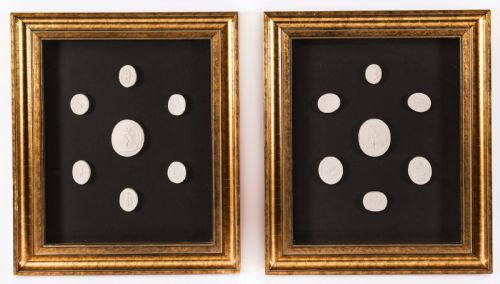
The pieces on this page appear primarily as framed wall art containing plaster, glass, or wax intaglios, alongside wearable brooches and desk accessories. You will frequently find collections mounted in wood and giltwood frames, or mounted on marble and prato verde bases.
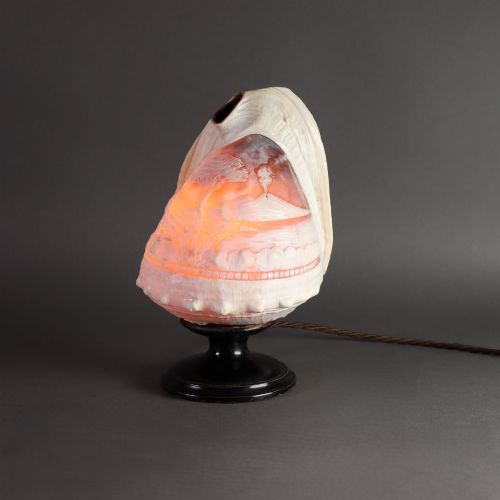
The physical forms range from single carved ivory portrait plaques and shell cameos to extensive framed sets of classical intaglios. These diverse objects served as tangible proof of cultural education and sophisticated travel during the nineteenth century.
Distinctions in quality
The framing and housing elevate certain pieces significantly above standard souvenirs. Original giltwood frames, bespoke velvet backing boards, and matched sets demonstrate superior workshop execution and higher status among period collectors.
Travellers brought home Vesuvius views carved into seashells to prove they survived the dust.
Giovanni Liberotti·Pietro Bracci·Thorvalsen Workshop
The 19th Century Grand Tour Cameos Glossary
- Intaglio
- A design carved into a material so that the impression sits below the surface, commonly used for making seals.
- Grand Tour
- A traditional trip of Europe undertaken by upper-class European young men of sufficient means and rank.
- Plaster
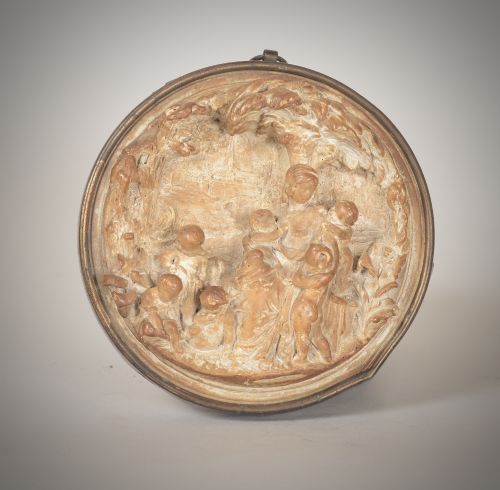
- A building material based on gypsum, extensively used by period workshops to cast portable classical relief panels.
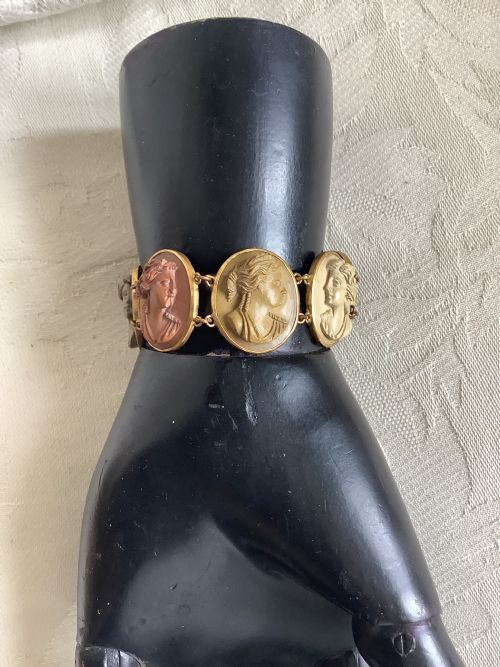
- Lava stone
- A volcanic material carved in Italy into dark portrait cameos and mounted into bracelets and brooches.
- Prato verde
- A green marble variety utilised in Italian desk sets and architectural souvenir ornaments.
19th Century Grand Tour Cameos: Frequently Asked Questions
What are grand tour cameos?
They are portable miniature artworks and souvenirs collected by travellers visiting classical sites in Italy during the nineteenth century.
These pieces recorded famous sculptures, architectural monuments, and historical figures for display back home.
How were they displayed?
Many intaglios and relief profiles were arranged neatly inside custom wood and giltwood frames to hang upon library walls.
Others functioned as personal jewellery items like brooches, or formed decorative elements on inkstands and table lamps.
What materials did makers use?
Artisans worked in carved shell, lava stone, ivory, and marble for direct sculptural pieces.
Plaster, wax, and glass served extensively for cast intaglio collections mounted on velvet or fabric within frames.
How do I identify periods?
Pieces align with nineteenth-century manufacturing techniques, specific framing styles, and traditional Italian souvenir production methods.
Named workshop signatures or specific subject matter like the Bay of Naples help anchor pieces to the mid-nineteenth century.