


Red Velvet Framed Art
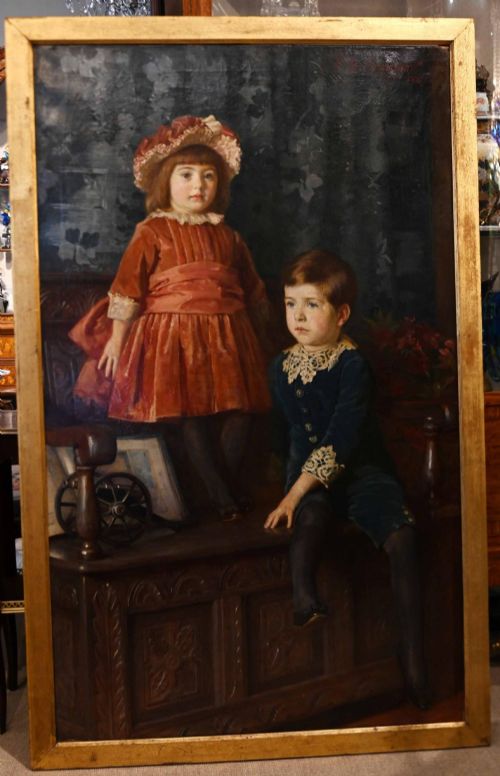
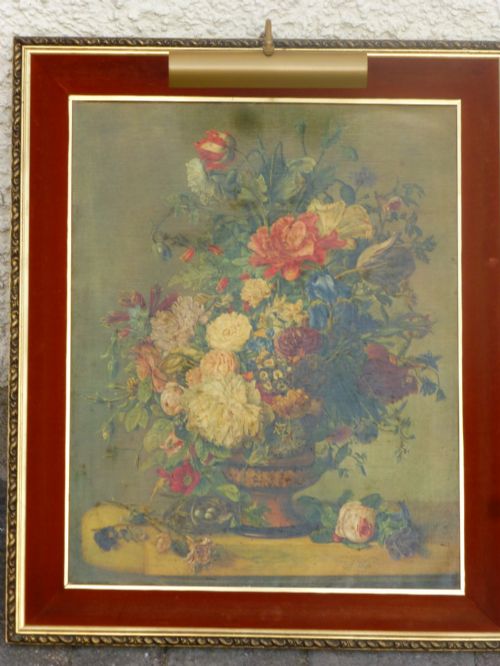
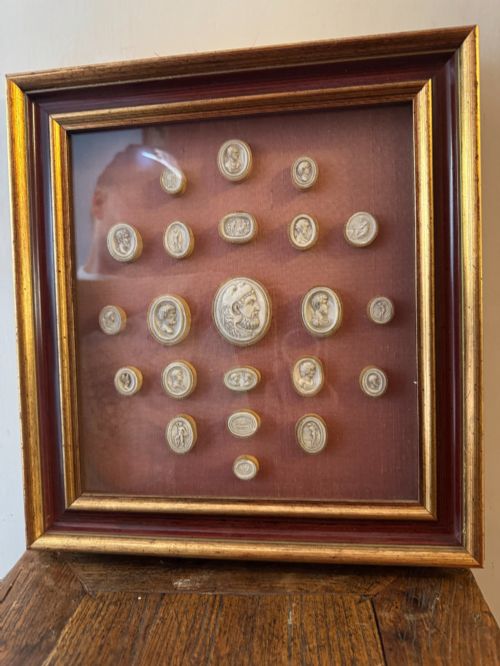
Red velvet framed art pieces combine rich fabric mounts with detailed portraits, intaglios, and textiles, offering an immediate focal point for your wall.
Red Velvet Framed Art
When you search for red velvet framed art, you encounter a curated selection of wall decor where velvet serves as the primary backing or surrounding mount. These pieces span several distinct historical eras, ranging from the eighteenth century to the mid twentieth century.
The objects themselves vary considerably in form, including oil paintings, gypsum intaglio cameo panels, portrait miniatures, framed textiles, and mirrors. You are most likely to meet nineteenth century examples that combine rich textile backings with classical motifs or portraiture.
Origins stretch across various European and Near Eastern traditions, encompassing Italian Grand Tour items, Dutch Golden Age style works, Ottoman Empire embroidery, and early Victorian British pieces. Each item uses its velvet mount to frame and elevate the artwork or object held within.
Materials and construction
The construction of these works relies on tactile textiles paired with rigid structural supports of wood and metal. Velvet forms the soft, absorbing background that sets off brighter details, while wooden frames and brass elements provide structural containment and protective borders.
Surface decoration frequently incorporates metallic thread and intricate gold embroidery directly onto the fabric fields. Painted works utilise oil on canvas, while sculptural elements employ gypsum for detailed intaglio panels and cameo reliefs under glass.
Listings feature items from the 18th century, 19th century, and 1960, incorporating velvet, glass, wood, metallic thread, and gypsum.
Assessing quality
Quality in these framed works rests upon the crispness of the interior object, whether that is a hand painted portrait miniature or a sharply cast gypsum intaglio. The preservation of the velvet background also dictates the overall standard, as pile loss and fading alter the visual weight of the frame.
The integration between the textile backing, the frame, and the central artwork reveals the hand of a skilled maker. Superior pieces maintain secure mountings and harmonious proportions between the velvet surround and the framed subject.
The Red Velvet Framed Art Glossary
- Intaglio
- A design incised or carved into a material so that the impression rises above or sinks below the surface. Gypsum is frequently utilised for these cameo panels.
- Oleograph
- A mechanical colour lithograph textured to imitate an oil painting. These prints are often mounted within decorative frames.
- Tableau
- A striking and artistic grouping or scene. These relief works present figures in three dimensional detail.
- Grand Tour
- A cultural trip through Europe traditionally undertaken by upper class young men in the eighteenth and nineteenth centuries. Souvenirs from these journeys often included framed intaglios and classical scenes.
- Portrait Miniature
- A small, highly detailed painting capturing a person's likeness. These delicate works require precise brushwork.
Red Velvet Framed Art: Frequently Asked Questions
How should I hang red velvet framed art?
These pieces require stable wall fixings suited to the combined weight of their wooden frames and glass panels.
Position them away from direct sunlight to protect the rich fabric backing from fading over time.
What periods do these pieces come from?
The listings span from the eighteenth century through the nineteenth century up to the mid twentieth century.
Victorian and Grand Tour examples appear frequently alongside earlier oil paintings and textiles.
How do I clean the velvet mount?
Gently brush the fabric surface with a soft, dry brush to remove dust accumulation.
Avoid using water or liquid cleaners, as moisture damages both the textile pile and the surrounding frame.
Are all the frames original to the art?
Frames vary and some pieces combine historical textiles or paintings with complementary settings from different periods.
Review individual descriptions to understand the relationship between the artwork and its current mount.