


19th Century Gothic Table
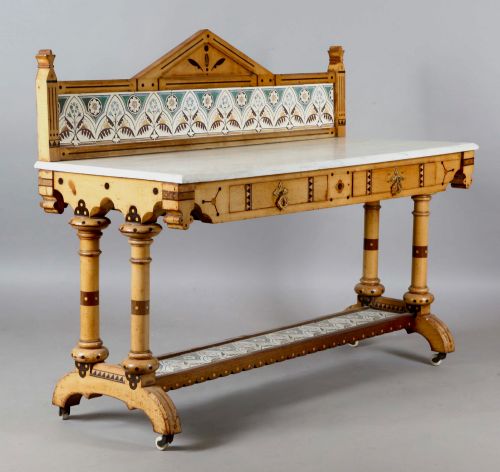
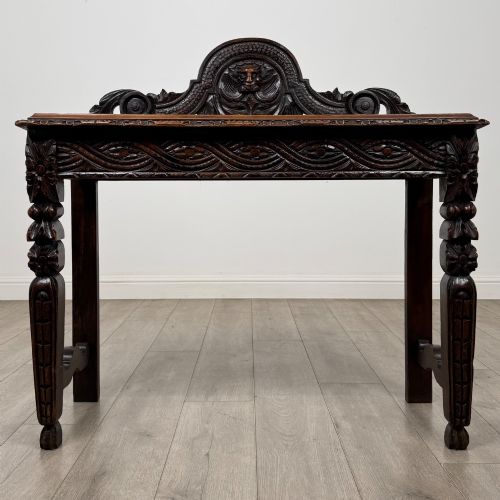
When a 19th century gothic table catches the eye, it brings the architectural weight and rich ecclesiastical carved detail of the Victorian revival straight into a domestic interior.
19th Century Gothic Table
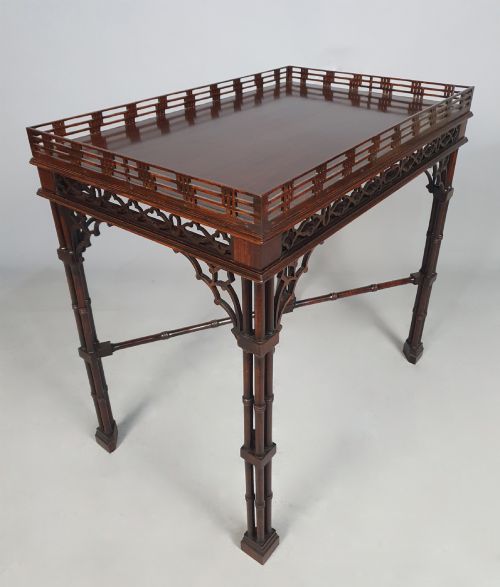
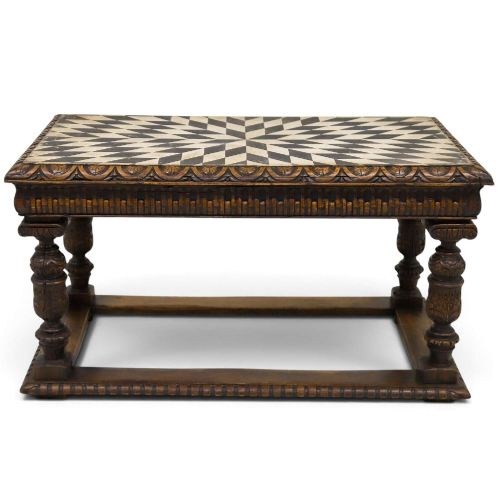
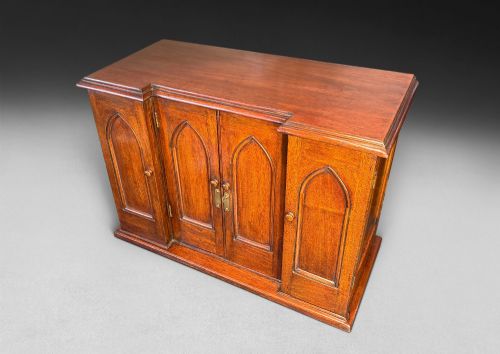
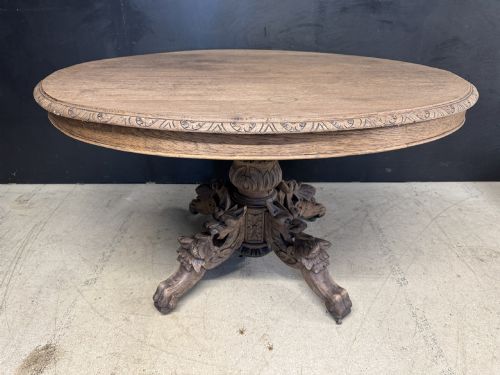
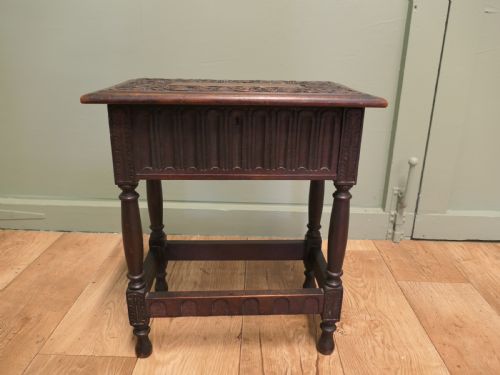
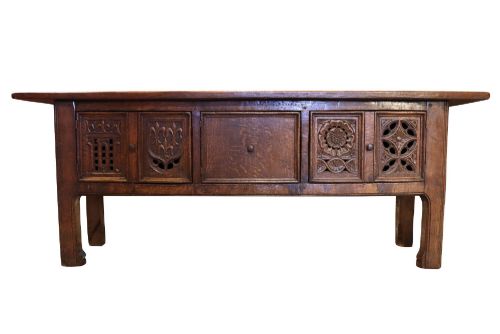
A 19th century gothic table typically manifests as an oak side table, library table, or writing desk, heavily influenced by the Gothic Revival movement of the Victorian era. These pieces draw directly on medieval architectural motifs, utilising pointed arches, trefoils, and tracery carved deeply into solid timber.
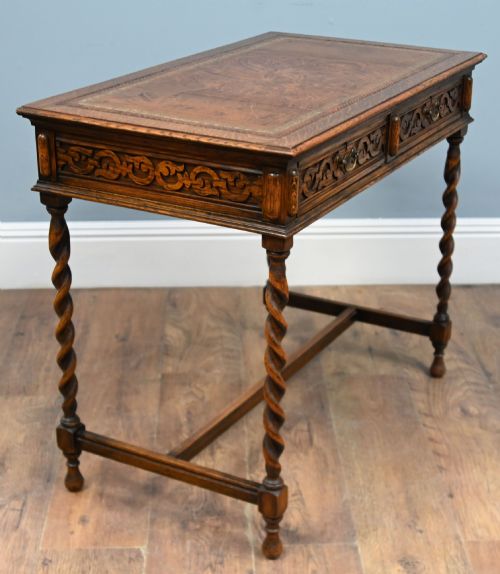
The most common versions met on this page are oak side tables and writing tables dating from the middle to the late decades of the nineteenth century. These range from modest domestic pieces with simple chamfered legs to larger library and centre tables boasting elaborate linenfold panelling and carved edge details.
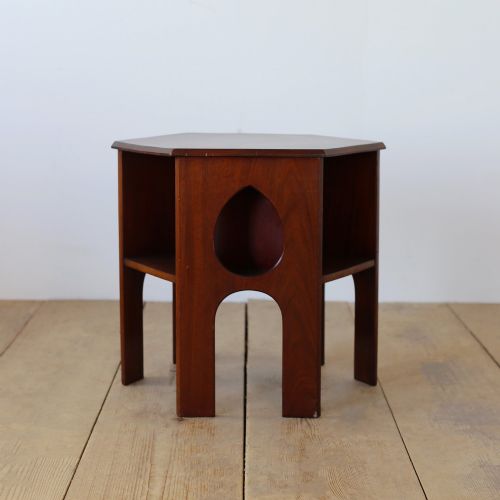
Beyond standard writing and side forms, the broader category encompasses occasional tables, console tables, and occasional dining pieces executed in walnut, pitch pine, or ebonised wood. Their shared characteristic remains the structural application of medieval design principles adapted for nineteenth-century domestic utility.
Materials and construction
Solid oak serves as the primary material for these tables, chosen by nineteenth-century cabinetmakers for its durability and its historical association with medieval architecture. Carpenters relied on traditional joinery methods such as mortise and tenon joints to anchor heavy legs and thick tabletops.
Carving was executed by hand, rendering deep relief work including Green Man motifs, blind tracery, and stiff-leaf foliage directly into the dense grain of the timber. Secondary woods like pine appeared in concealed structural areas, while occasional examples utilised walnut or padauk for enhanced grain pattern and colour.
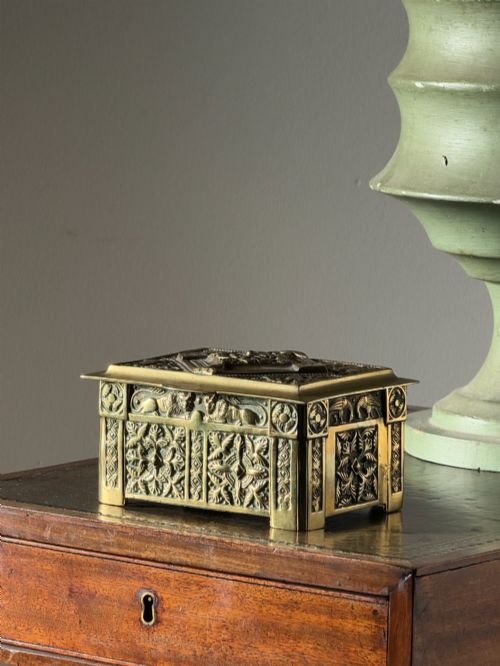
Surface treatments typically involved wax polishing to accentuate the natural figure of the oak, though some pieces utilised ebonised finishes to mimic heavier, older woods. Hardware frequently consisted of brass or cast iron handles and fittings, matching the austere and robust aesthetic of the gothic taste.
19th Century Gothic Table Retail Price Guide 2026
Typical asking prices for 19th century gothic table among the pieces listed under this phrase on Sellingantiques today, from the lower quarter to the upper quarter. They describe what is for sale here now, not the wider market.
Several tables conceal small drop-in inkwells and secret locking compartments designed to hide private Victorian correspondence.
Assessing quality and execution
The standard of carving marks the primary divide between ordinary utility pieces and exceptional examples. Superior tables display crisp, deeply undercut foliage and architectural tracery executed with confident control, whereas lesser pieces rely on shallow, machine-routed stamping or repetitive mechanical milling.
Proportion and structural integrity dictate the long-term success of the form. The finest items maintain balanced architectural proportions even at smaller scales, with tight joinery that resists the natural tendency of heavy oak to warp or split across wide expanses.
Material selection and patination complete the hierarchy. Tables retain higher desirability when the timber exhibits a rich, unblemished natural grain and deep historic wax finish, free from unsympathetic modern stripping or excessive timber replacement.
George Wadham·Richard Winter·Barber and North·George Orpwood
The 19th Century Gothic Table Glossary
- Gothic Revival
- An architectural and decorative style popular during the nineteenth century that revived medieval forms, pointed arches, and structural motifs. It dominated ecclesiastical and domestic cabinet making.
- Tracery
- Openwork or surface patterns of intersecting ribwork, derived from gothic stone window design. It appears frequently carved onto table aprons and drawer fronts.
- Library table
- A large freestanding desk or table designed to sit in the centre of a room, often featuring leather writing surfaces and drawers beneath the top. Nineteenth-century versions frequently incorporated gothic carved brackets.
- Bracket clock
- A portable table clock designed originally to sit on a bracket, though commonly placed on tabletops and mantelpieces during the nineteenth century. They often featured elaborate wooden cases matching contemporary furniture styles.
- Patina
- The surface sheen and mellowing of colour acquired by wood over decades of handling, polishing, and exposure to light. Collectors value an undisturbed, rich patina on older timber.
19th Century Gothic Table: Frequently Asked Questions
Where were these tables originally used?
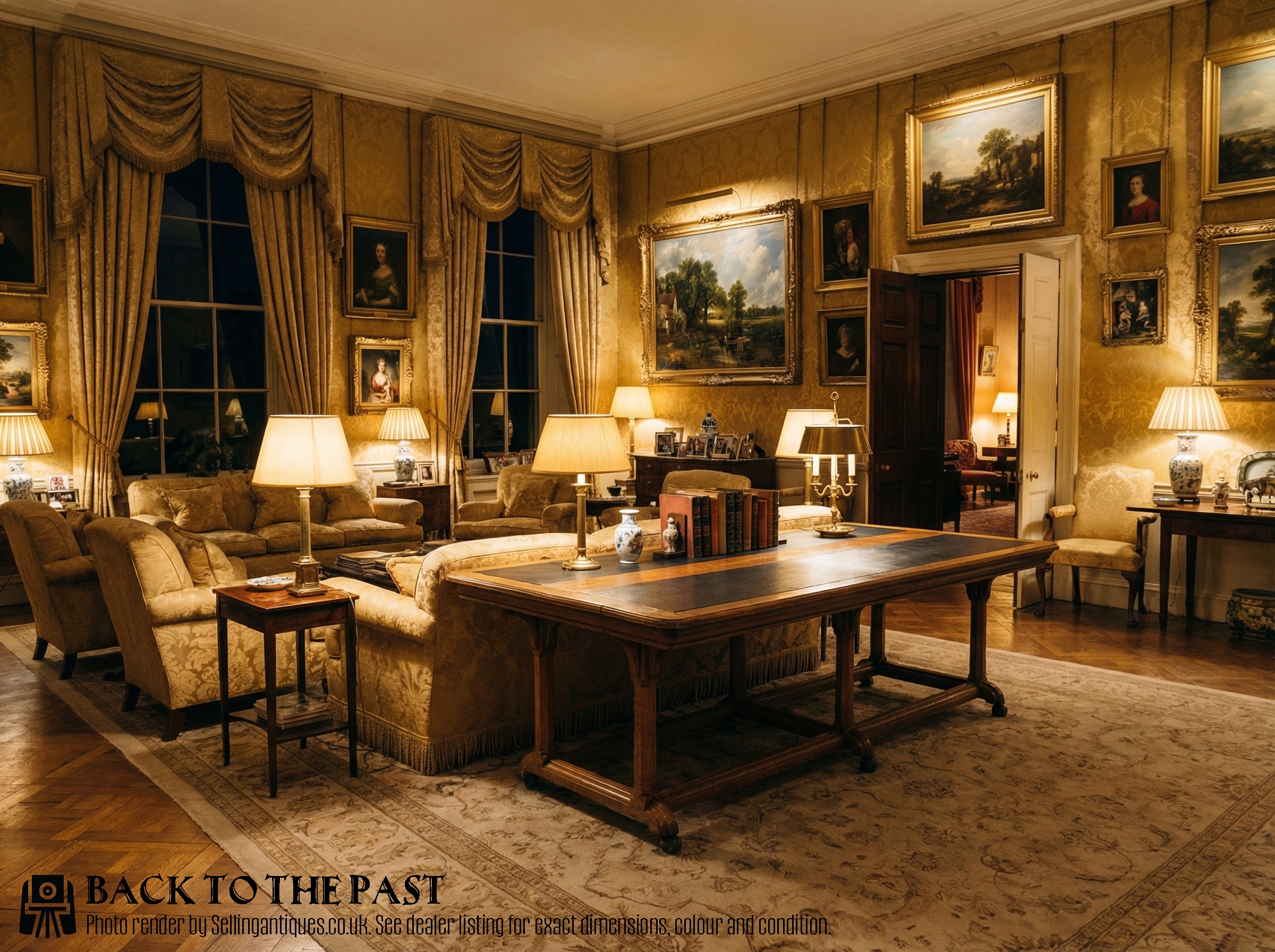
These tables were typically commissioned for the libraries, studies, and principal reception rooms of Victorian country houses and town residences. They served functional roles as writing desks, side supports, or central display surfaces.
Their heavy architectural presence made them particularly suited to rooms furnished in the prevailing gothic or baronial taste of the period.
How do I care for an antique oak surface?
Maintenance requires regular dusting with a dry, soft cloth and the occasional application of traditional beeswax to nourish the dry timber. Avoid placing these pieces in direct sunlight or near sudden heat sources that might cause the solid wood to split.
Water and alcohol spills should be wiped away immediately to prevent staining the historic wax finish.
How do I distinguish a Victorian piece from an earlier one?
Victorian gothic revival pieces generally display machine-sawn secondary timbers, standardised screw fixings, and characteristically crisp, deep-machined or hand-carved Gothic motifs. Earlier prototypes from the seventeenth or eighteenth centuries show entirely hand-riven timber and different tool marks.
Examining the construction inside drawer linings and beneath tabletops usually reveals the technological markers of nineteenth-century workshop production.
Can these tables be used in modern interiors?
Their solid construction and practical proportions make them highly adaptable as modern desks, hall tables, or centrepieces in contemporary spaces. The dark timber and strong architectural lines anchor minimalist or neutral rooms effectively.
Styling them with simple, clean-lined objects helps balance their inherent nineteenth-century visual weight.