
19th Century Gothic Cabinet
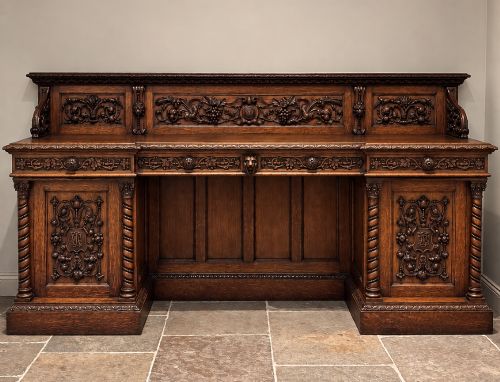
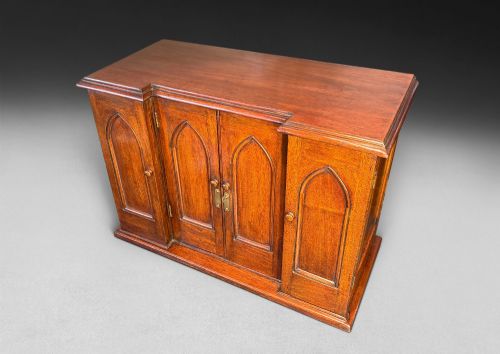
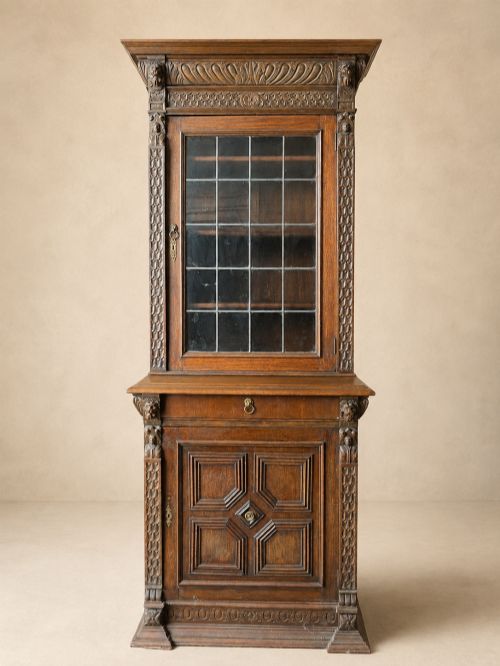
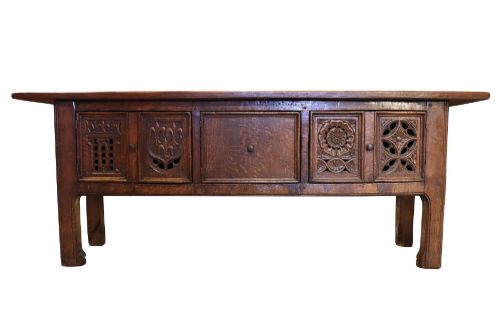
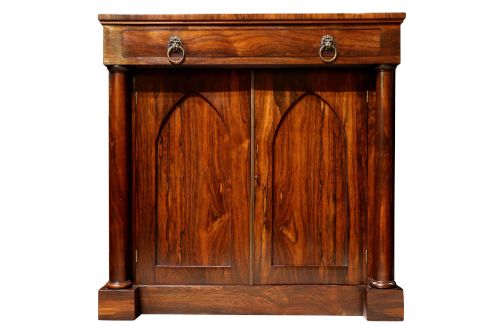
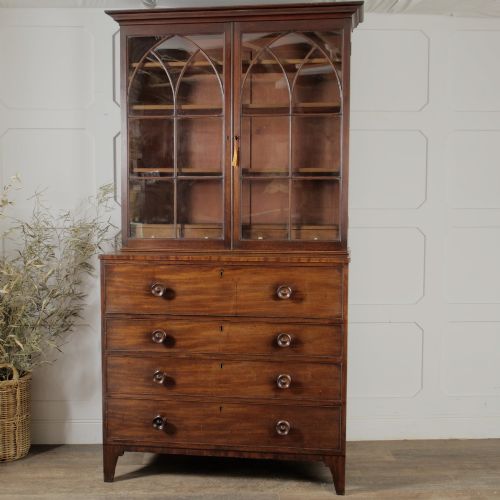
A 19th century gothic cabinet brings heavy timber, pointed arches and medieval authority directly into a room.
19th Century Gothic Cabinet
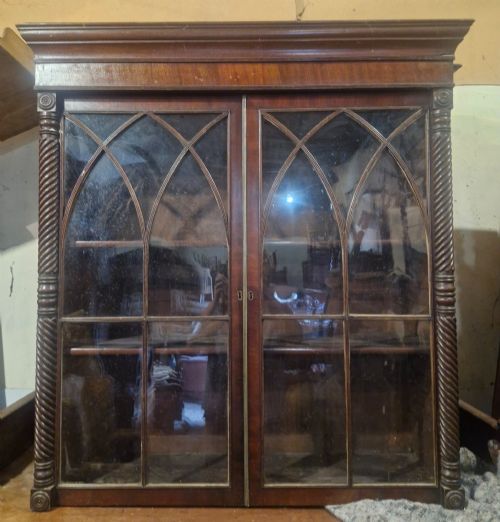
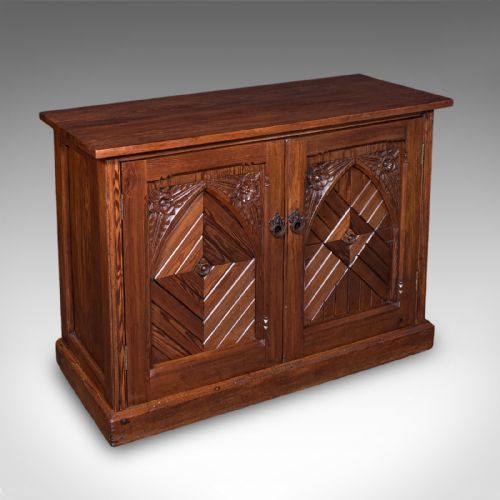
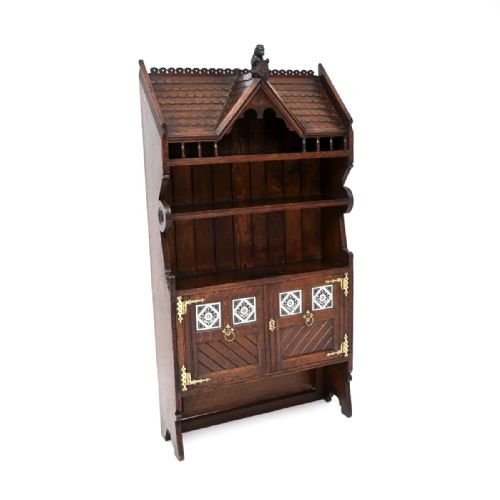
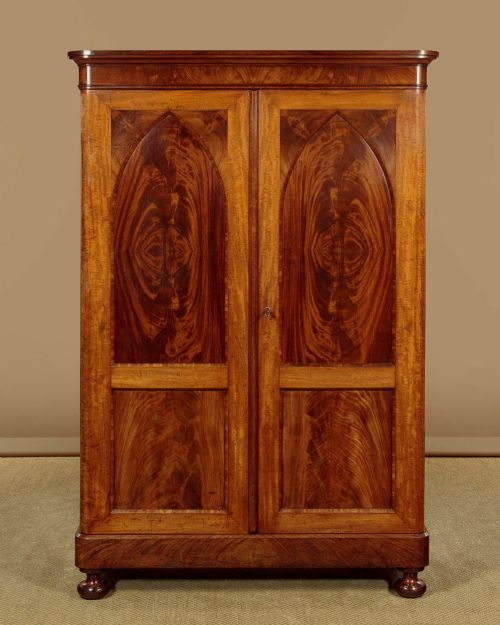
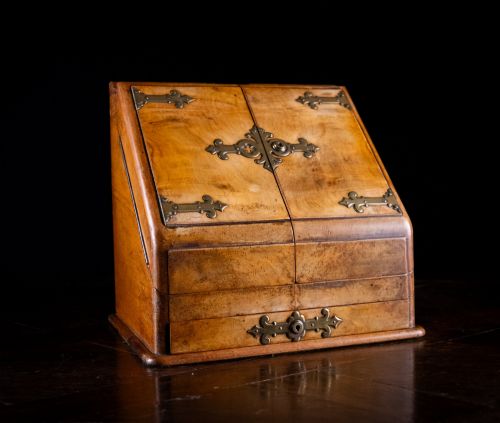
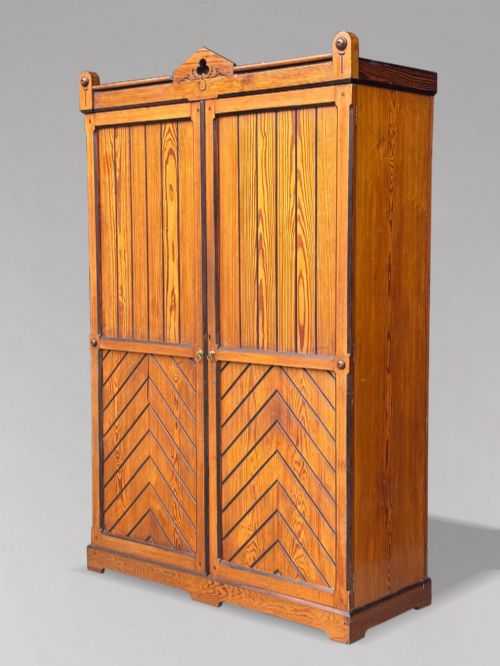
When searching for a 19th century gothic cabinet, buyers encounter heavy oak, walnut and mahogany forms that draw heavily on medieval architecture and ecclesiastical design. These pieces range from substantial bookcases and display cabinets to smaller side cupboards, pot cupboards and wall shelves.
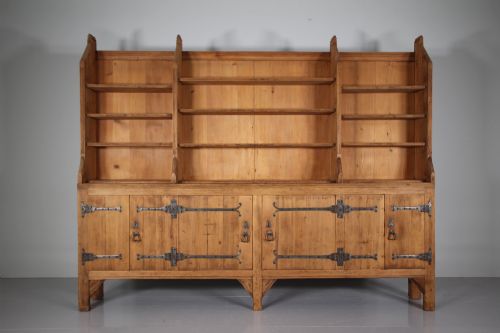
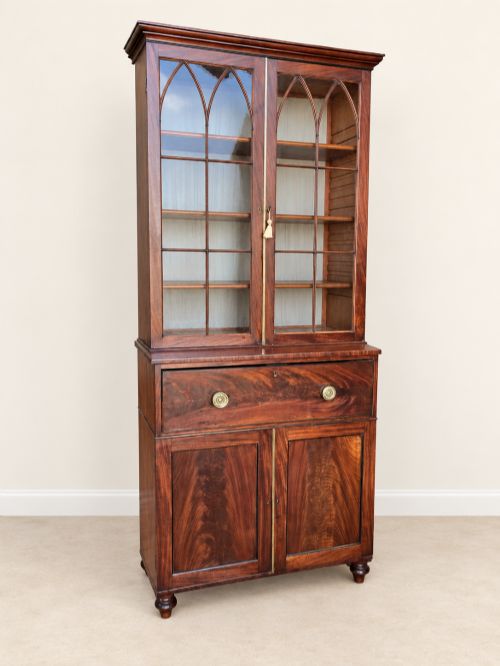
The versions met most frequently on this page date from the Victorian era and the broader nineteenth century, reflecting the nineteenth century Gothic Revival, Arts and Crafts and Aesthetic movements. Makers adapted historic forms into functional storage, incorporating linenfold panelling, glazed doors and brass details suited to contemporary domestic interiors.
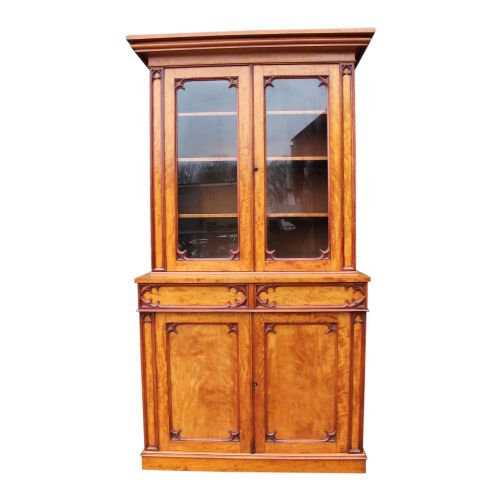
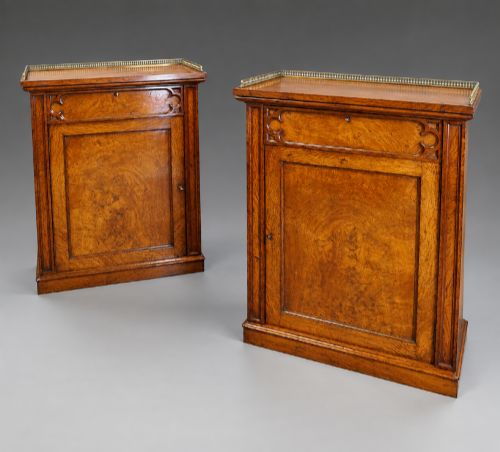
Many examples demonstrate the architectural ambitions of the period through pointed arches, heavy moulding and carved detailing. Smaller tabletop and bedside variants appear alongside room-defining bookcases and sideboards, offering diverse scales for storing books, china and household goods.
How they were made
Cabinet makers relied primarily on solid oak, mahogany, walnut and pine, often selecting woods with rich natural grain or figuring like pollard oak and satinwood. Construction frequently involved sturdy framing, hand-cut dovetails and pegged joints to support the weight of extensive shelving and heavy doors.
Metalwork played a structural and decorative role, with brass hinges, keyplates and iron fittings securing doors and drawers. Glass was glazed into leaded or timber frames for bookcases and display cabinets, while carved ornamentation, linenfold panels and applied mouldings defined the architectural surfaces.
Among the heavy timber wardrobes and solemn bookcases, a taxidermy bat keeps watch over the nineteenth-century archive.
What varies in quality
The distinction between standard utility storage and superior cabinet-making rests in the depth of the timber carving and the precision of the joinery. Master craftsmen executed crisp tracery, deep relief work and balanced proportions that integrated the architectural motifs naturally into the furniture carcase.
Materials also signal the tier of production, with dense pollard oak, figured walnut and selected satinwood elevating a piece above standard pine or mahogany. Finer examples retain original brass hardware, uncompromised glazed doors and fitted interiors that demonstrate careful planning by the workshop.
John Moyr Smith·Gillows
The 19th Century Gothic Cabinet Glossary
- Gothic Revival
- An architectural and decorative movement drawing inspiration from medieval forms, pointed arches and ecclesiastical motifs. It dominated much nineteenth-century design.
- Secretaire
- A cabinet or desk incorporating a pull-down writing flap that conceals small drawers and pigeonholes. This hybrid form offers both desk space and concealed storage.
- Breakfront
- A large piece of furniture where the central section projects forward from the side wings. This layout creates visual depth and breaks up long expanses of shelving.
- Linenfold
- A style of carved wooden panelling that imitates folded fabric. It appears frequently on the doors and sides of medieval-inspired storage furniture.
- Pollard Oak
- Timber taken from trees that have been pollarded, producing a heavily figured and mottled grain pattern. Cabinet makers valued this wood for its decorative surface movement.
19th Century Gothic Cabinet: Frequently Asked Questions
Where should I put a gothic cabinet?
These imposing timber pieces anchor studies, libraries and living rooms where their architectural presence can be appreciated. Their dark woods and carved details suit spaces with traditional decor or high ceilings.
Smaller variants like bedside cupboards and pot cupboards function well in bedrooms or hallways for compact storage. Placing them away from direct heat sources protects the dry nineteenth-century timber from warping.
How do I care for nineteenth-century wood?
Maintain a stable indoor humidity level to prevent the aged oak, mahogany or walnut from cracking or splitting. Regular dusting with a soft cloth keeps the carved surfaces clean without building up residue.
Apply occasional appropriate wax polish to nourish the timber grain and preserve the finish. Avoid commercial chemical sprays that can strip the historic polish.
What is the difference between a sideboard and a dresser base?
A sideboard generally stands as a self-contained dining room storage unit with cupboards and drawers enclosed within a structured timber carcase. They often feature heavy carving and flat tops for serving food or displaying items.
A dresser base provides similar low storage but historically derives from kitchen and utility furniture, sometimes lacking the formal decorative moulding of a grand sideboard. Both forms display the robust joinery of the period.
How do I identify the Arts and Crafts influence?
Arts and Crafts pieces emphasise honest construction, visible joinery and simpler, functional lines rather than excessive surface ornamentation. They highlight the natural qualities of the pine, oak or other timber used.
Decoration is restrained, often letting the grain of the wood and hand-hammered metal hardware speak for themselves. This style emerged in the later nineteenth century as a reaction against industrial mass production.