
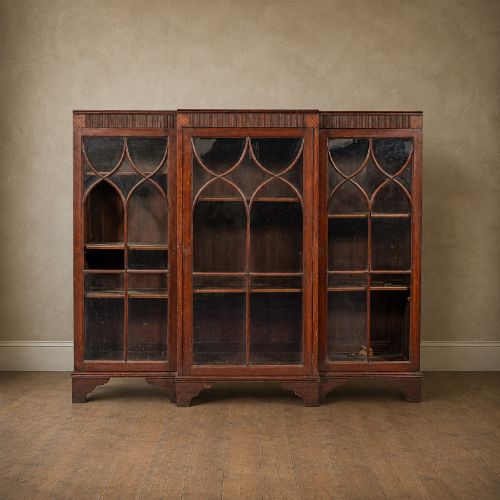

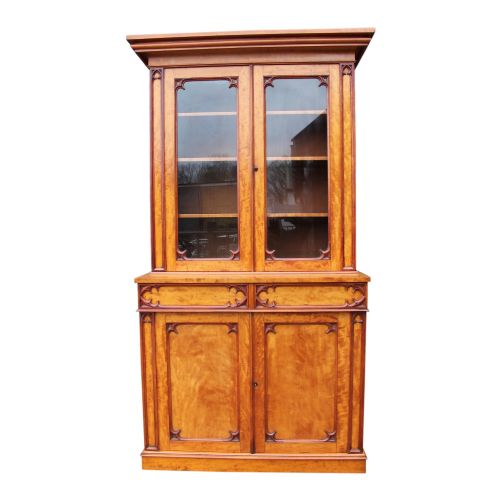
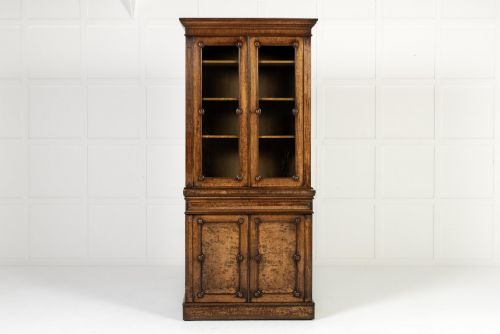
Victorian Gothic Cupboard
When you search for a victorian gothic cupboard, you step into an era where heavy timber met medieval romance in domestic furniture.
Victorian Gothic Cupboard
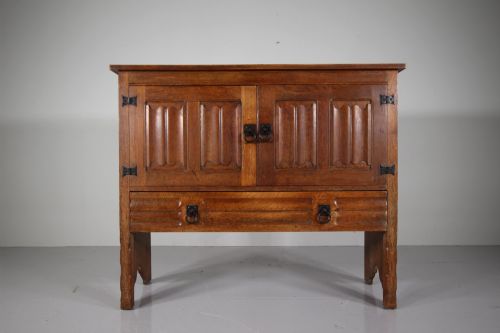
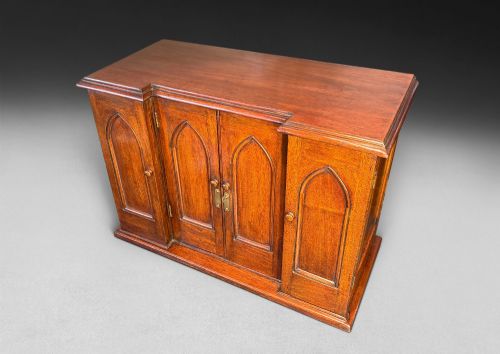
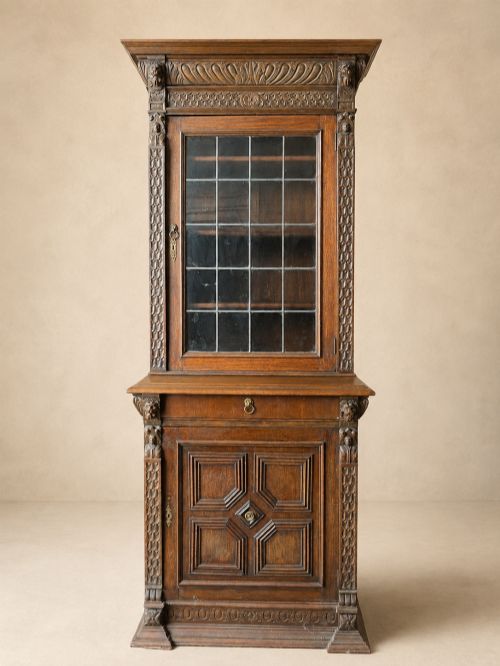
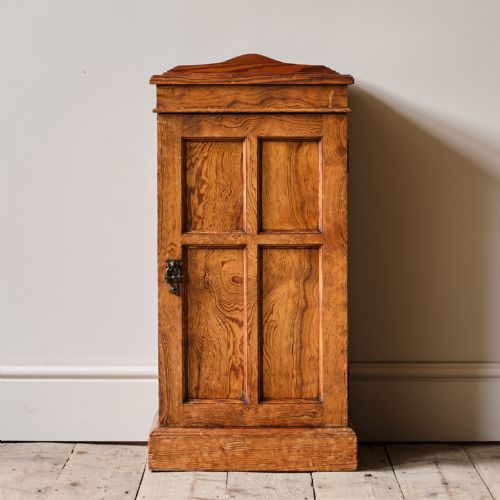
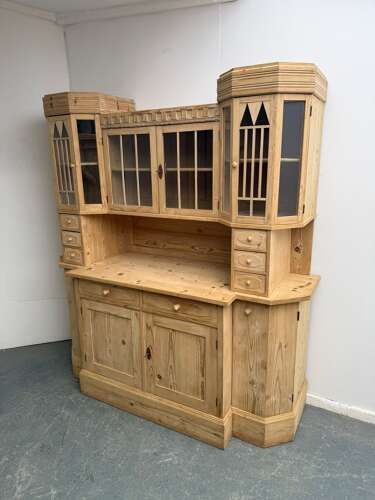
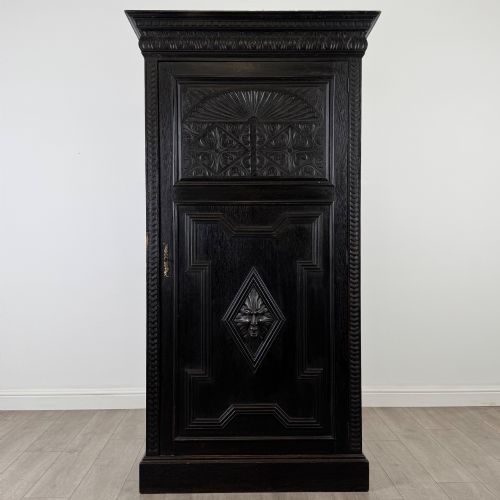
A victorian gothic cupboard brings severe architectural lines, pointed arches, and deep carved panels into domestic spaces. These pieces emerge primarily from the nineteenth century, spanning various forms from bedside chests to large hall cupboards and corner units.
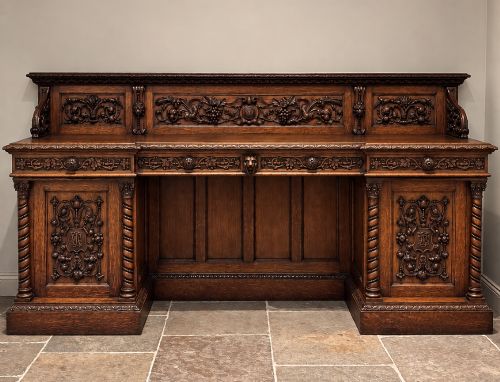
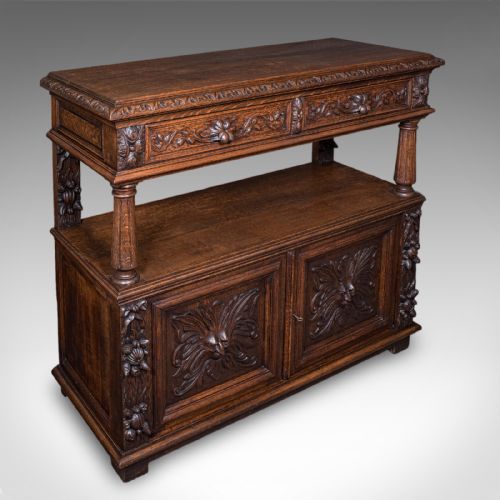
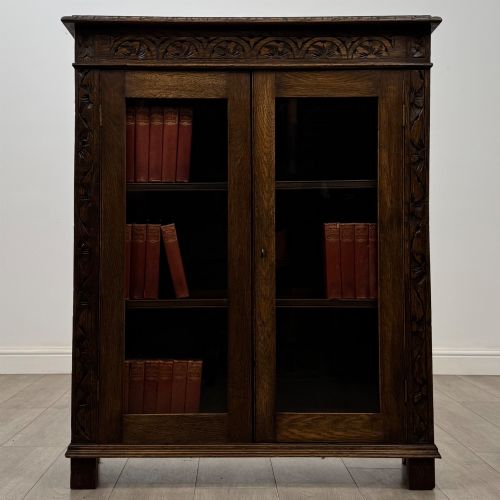
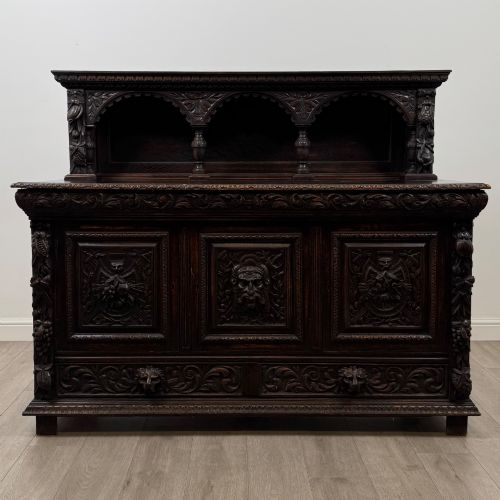
The version you meet most frequently on this page is constructed from solid oak, often heavily carved with linenfold panels, tracery, and grotesque masks. They serve as functional storage while asserting a dramatic medieval presence in a room.
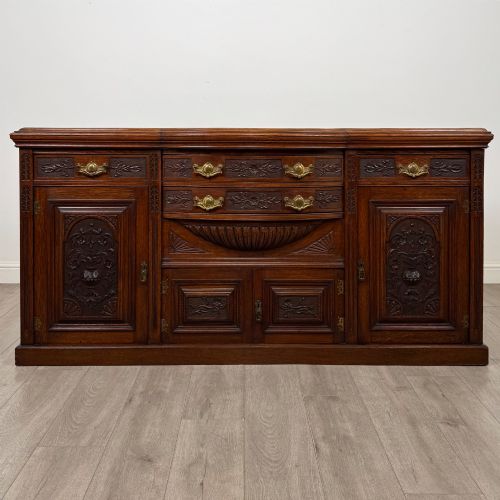
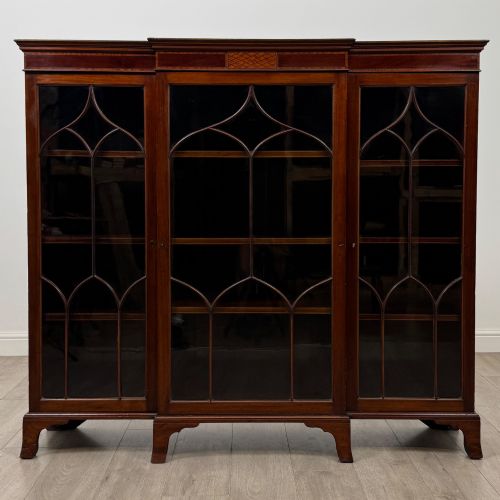
Alongside dedicated cupboards, the selection embraces related storage forms such as bookcases, sideboards, and wardrobes sharing the same architectural vocabulary. These pieces reflect a widespread nineteenth-century enthusiasm for revival styles rooted in medieval design.
Assessing Quality
The depth and crispness of the carving separate standard production from superior examples. Master carvers worked directly into the timber to create sharp undercut foliage, tracery, and figurative details that catch the light.
Timber selection dictates overall harmony, with figured oak, pollard oak, or matched grain panels elevating the status of a piece. Robust internal construction, original brass or iron fittings, and balanced proportions distinguish finer workshop output.
A grinning Green Man occasionally peers out from the foliage, keeping watch over whatever linens or books you entrust to the dark interior.
Jas Shoolbred·John Moyr Smith
The Victorian Gothic Cupboard Glossary
- Gothic Revival
- An architectural and decorative movement drawing inspiration from medieval design. It employs pointed arches, trefoils, and structural massing.
- Linenfold
- A style of wood carving used on panels to imitate folded linen fabric. It appears frequently on the doors of medieval-inspired storage.
- Tracery
- Openwork ornamentation in stone or wood, commonly found in the upper sections of cabinet doors. It echoes the window designs of medieval churches.
- Green Man
- A sculptural motif depicting a human face disgorged from foliage. It recurs frequently in nineteenth-century carved woodwork.
- Escutcheon
- A flat plate surrounding a keyhole, designed to protect the surrounding wood. In this style, iron and brass versions often feature decorative medieval shaping.
Victorian Gothic Cupboard: Frequently Asked Questions
Where were these cupboards placed in a Victorian home?
These pieces found places in entrance halls, libraries, and dining rooms where their dark timber and architectural carvings could command attention. Smaller variants served bedrooms as bedside storage or compact hanging spaces.
Larger sideboards and bookcases anchored principal living areas, storing linen, books, or dining ware behind heavily panelled doors.
How do I care for antique oak furniture?
Maintain a stable room environment away from direct heat sources and strong sunlight to prevent the timber from splitting or warping. Dust regularly with a dry cloth and apply a traditional beeswax sparingly to nourish the grain.
Avoid modern liquid polishes containing silicones, which build up on the surface and dull the finish over time.
How do I distinguish revival periods?
Early nineteenth-century examples often blend gothic motifs with classical proportions, while mid-century pieces embrace more exuberant tracery and heavy carving. Later nineteenth-century iterations frequently incorporate aesthetic movement or arts and crafts influences.
Examine the construction joints, timber preparation, and hardware style to help place a piece within the broader Victorian timeline.