
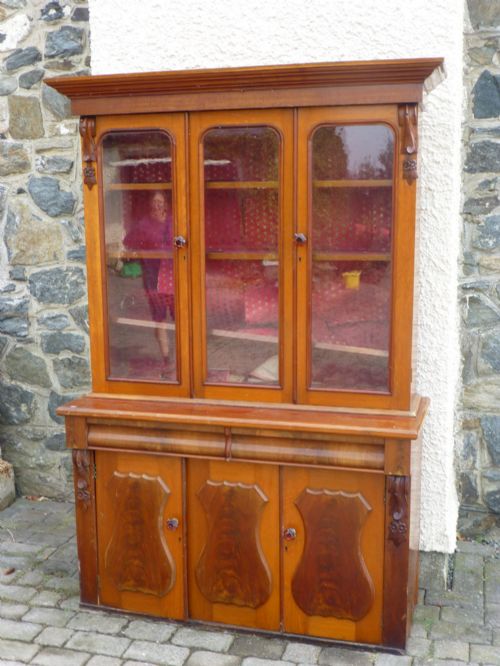
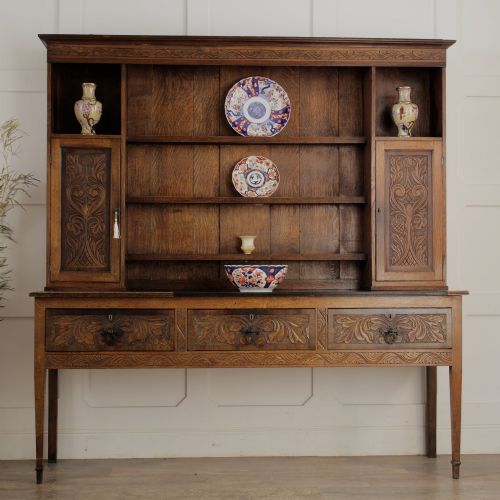
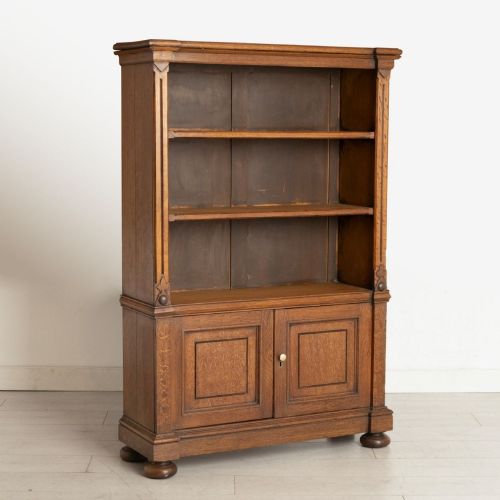
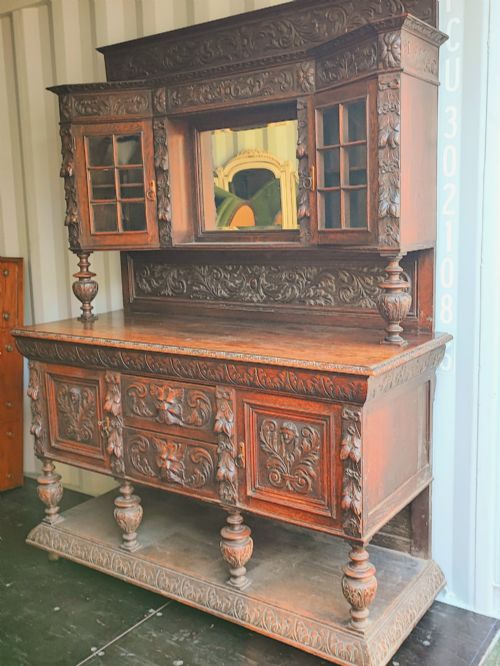
Victorian Carved Oak Cupboard
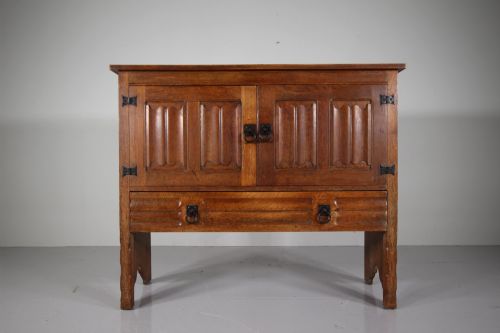
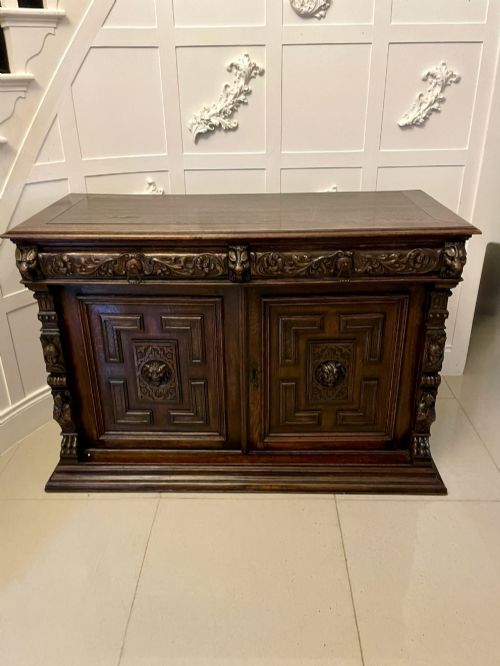
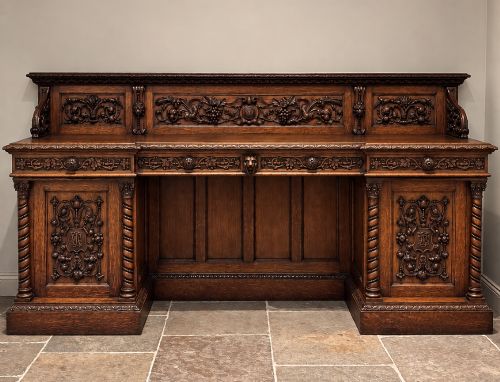
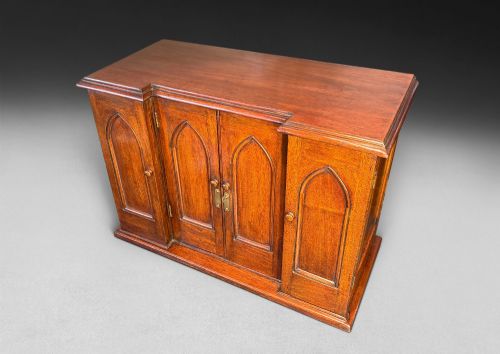
A victorian carved oak cupboard brings dense relief work and deep timber tones into an interior, offering practical storage with distinct period presence.
What victorian carved oak cupboard pieces are
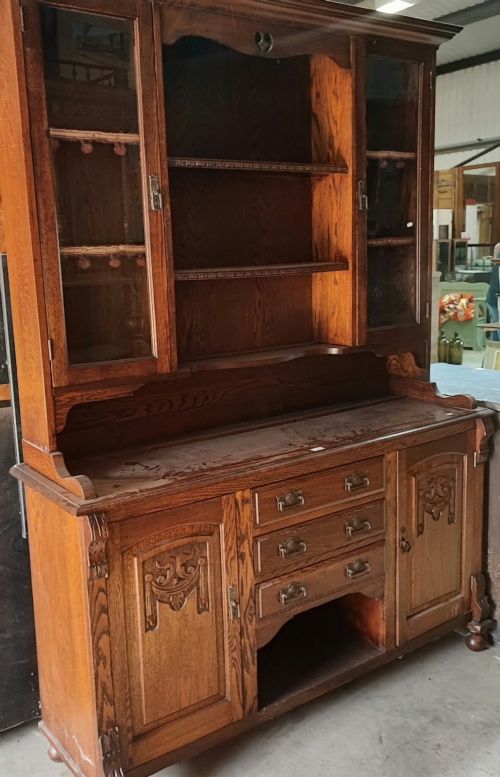
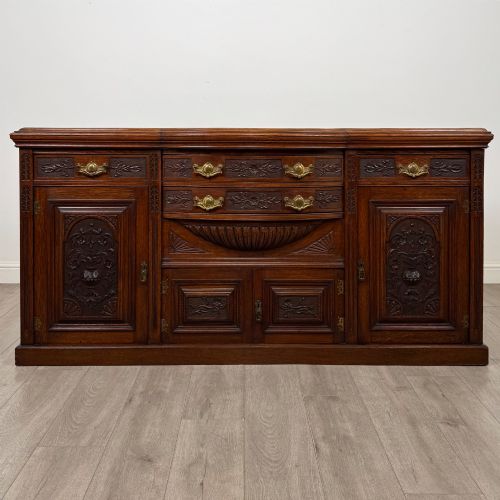
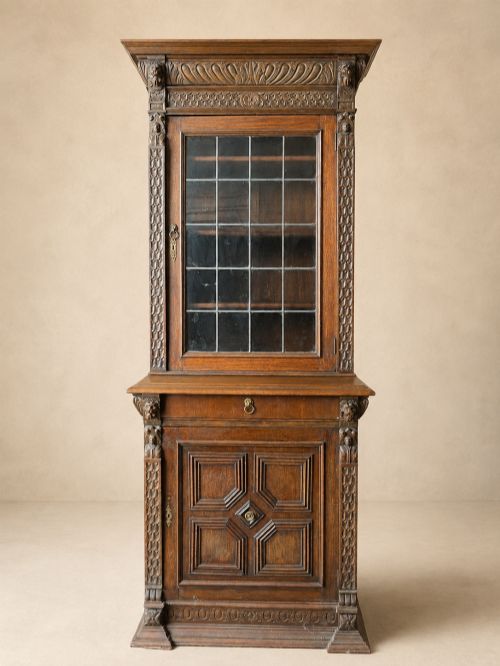
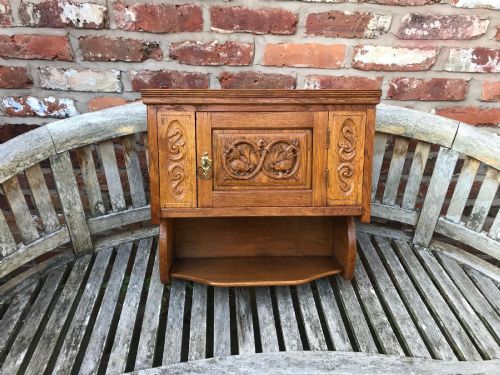
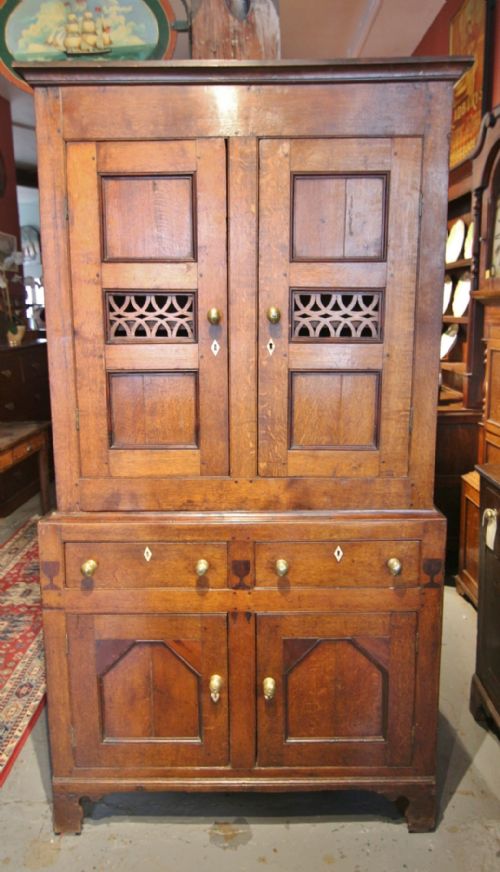
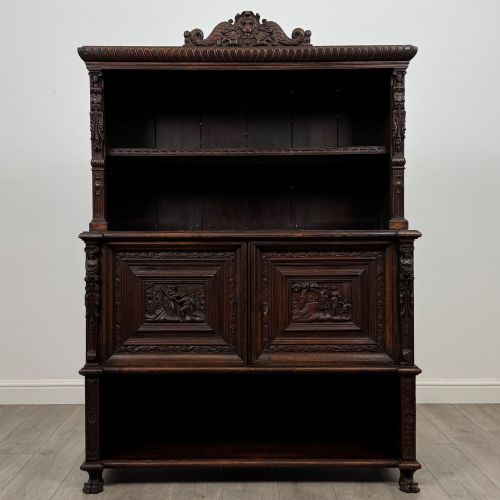
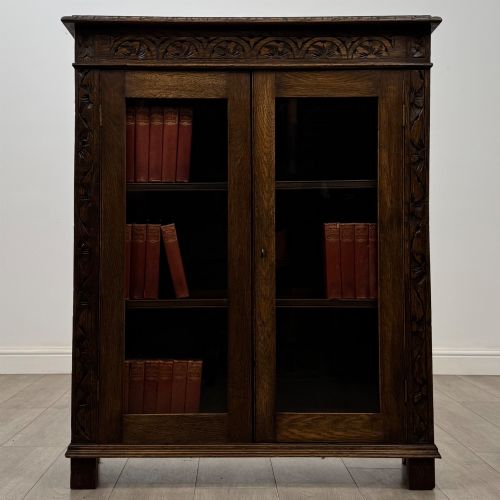
When searching for a victorian carved oak cupboard, you encounter a robust range of furniture types spanning hall cupboards, corner cabinets, sideboards, and wall-hanging units. The nineteenth-century examples dominate the selection, bringing heavy timber construction and intricate ornamentation into domestic spaces.
You are most likely to meet hall cupboards and corner cabinets on this page, often built with panelled doors and fitted interior shelves. These pieces range from small bedside or wall-mounted versions to large standing sideboards and livery cupboards designed for substantial storage.
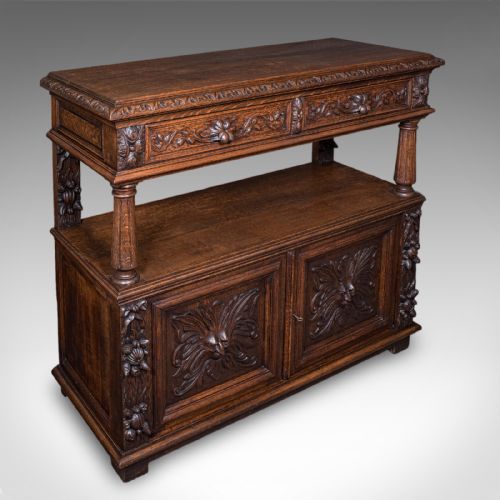
The aesthetic leans heavily into revival styles, drawing upon Gothic, Renaissance, and Jacobean motifs. Carvings frequently include floral patterns and distinct green man masks, anchoring each piece firmly in the aesthetic tastes of the nineteenth century.
How they were made
These items rely on solid oak timbers, chosen for strength and pronounced grain patterns, combined with iron and brass for hinges, handles, and locking hardware. Artisans shaped the wood using traditional joinery methods before applying deep hand-carved relief work across doors, panels, and drawer fronts.
Surface decoration involves manual chiselling rather than applied moulding, producing sculptural depth on panels, cornices, and friezes. Hardware elements like drop handles and key escutcheons are fixed securely to the structural oak frame to withstand daily use.
Retail Price Guide 2026
Typical UK retail prices for victorian carved oak cupboard, calculated from the Sellingantiques database of over a million retail prices indexed since 2003. This retail price guide relies exclusively on Sellingantiques data; no external sources or auction records are used, so the figures do not describe the wider market.
Styles recorded in the archive span Gothic Revival, Renaissance Revival, Victorian Revival, and Jacobean Revival.
What varies in quality
Quality rests upon the crispness and depth of the timber carving, distinguishing flat, mechanical work from sculptural relief executed with confident hand tools. The choice of oak timber also matters, with denser grain patterns and uniform colouration indicating better selection at the bench.
Structural integrity sets apart superior examples, visible in tight joinery, original brass or iron hardware, and well-fitted internal shelving. Pieces retaining original backs, working locks, and stable bases represent the upper tier of the surviving selection.
The Victorian Carved Oak Cupboard Glossary
- Green man
- A sculptural mask of a human face surrounded by or sprouting foliage, commonly found on nineteenth-century carved woodwork. This motif symbolizes rebirth and spring.
- Livery cupboard
- A traditional standing storage unit originally used for keeping food or provisions, adapted in the Victorian era into large wardrobes and cabinets. These pieces often feature double doors and internal hanging space or shelving.
- Gothic revival
- An architectural and decorative style drawing inspiration from medieval forms, characterised by pointed arches, tracery, and heavy mouldings. Furniture in this taste often displays serious ecclesiastical proportions.
- Court cupboard
- A two-tier sideboard or storage unit with an enclosed upper section and recessed lower structure supported by columns. It serves as a display surface and enclosed cabinet combined.
- Escutcheon
- A protective plate surrounding a keyhole, usually fashioned from brass or iron. It prevents the wood around the lock from splitting during regular use.
Frequently Asked Questions
Where should I place a corner cabinet?
A corner cabinet fits neatly into unused room angles, turning dead space into functional display or storage areas.
Standing or wall-hanging versions work well in dining rooms, hallways, or living spaces to house ceramics and books without obstructing movement.
How do I care for antique oak?
Feed the timber periodically with appropriate wax to maintain moisture levels and prevent the grain from drying out.
Keep these cabinets away from direct heat sources and strong sunlight to protect the finish and structural joints.
What is a green man carving?
A green man carving depicts a face emerging from leaves and foliage, representing ancient folklore and regeneration.
Craftsmen frequently placed these masks on drawer fronts and cupboard doors to add symbolic depth to the woodwork.
Are these cupboards suitable for daily use?
Solid oak construction and fitted interior shelves make these cabinets practical for storing tableware, linens, or general household items.
Robust joinery ensures they handle normal daily opening and closing while adding period character to a room.