
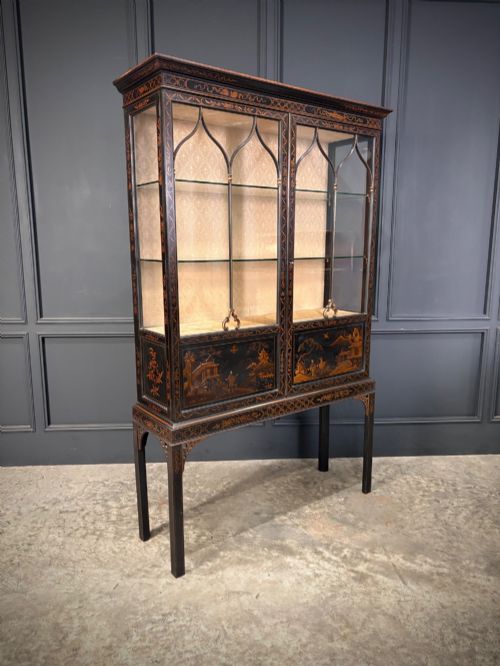
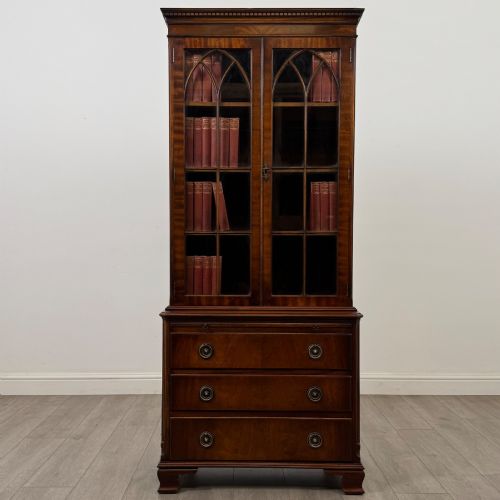
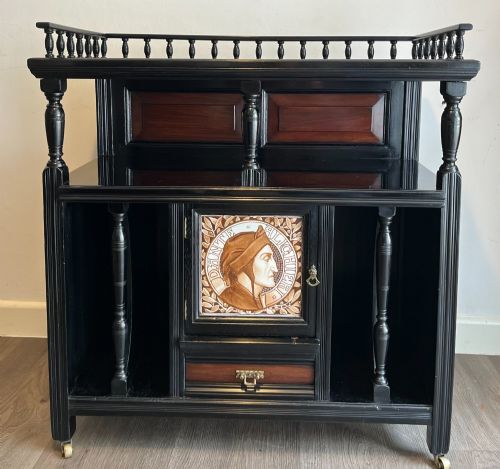
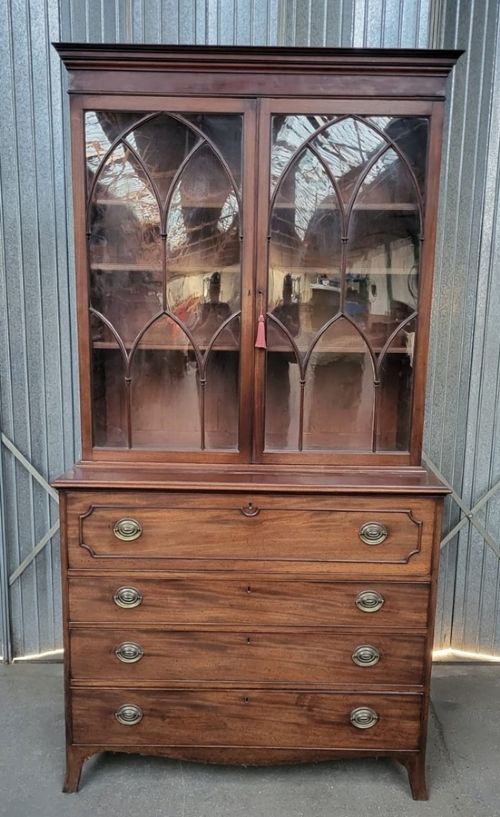

Antique Gothic Bookcase
An antique gothic bookcase brings architectural drama to a room, combining pointed arches and tracery with practical shelving for a library.
Antique Gothic Bookcase
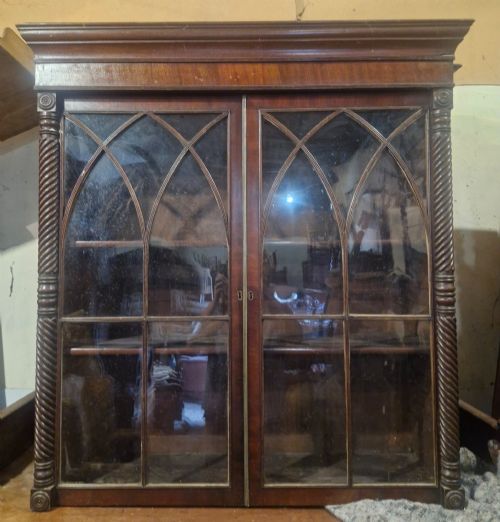
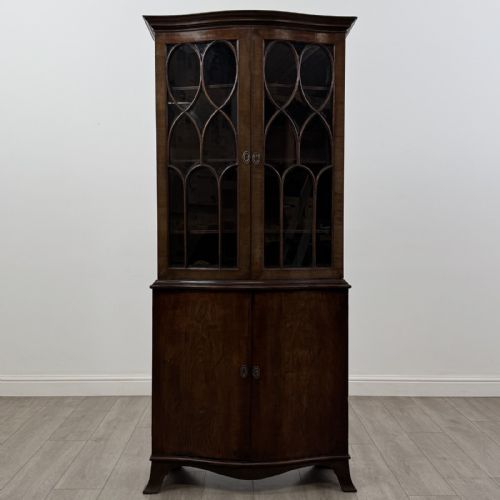
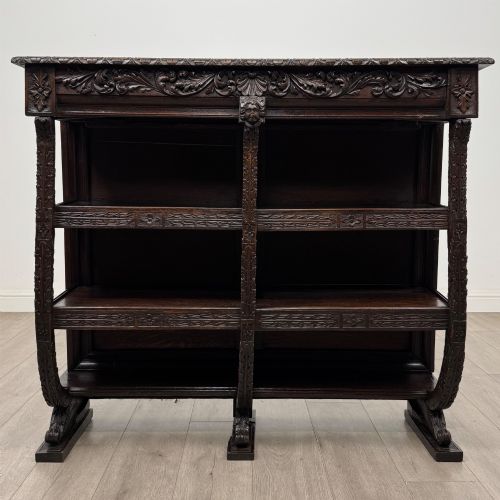
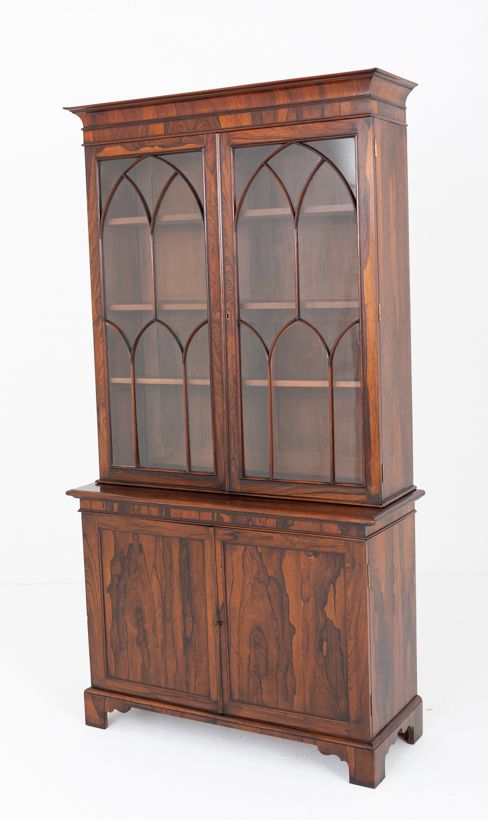
An antique gothic bookcase is a large storage piece designed to house books and display volumes behind glazed doors, utilising motifs drawn from medieval architecture. These pieces emerge chiefly from the nineteenth century, spanning the Victorian and Regency periods, alongside Edwardian revivals.
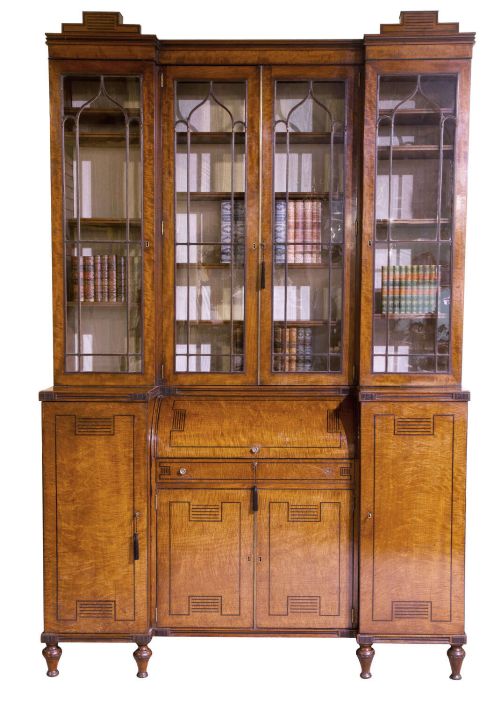
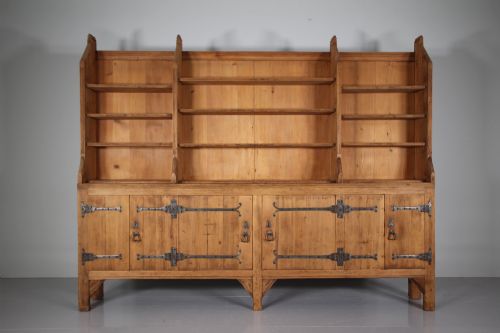
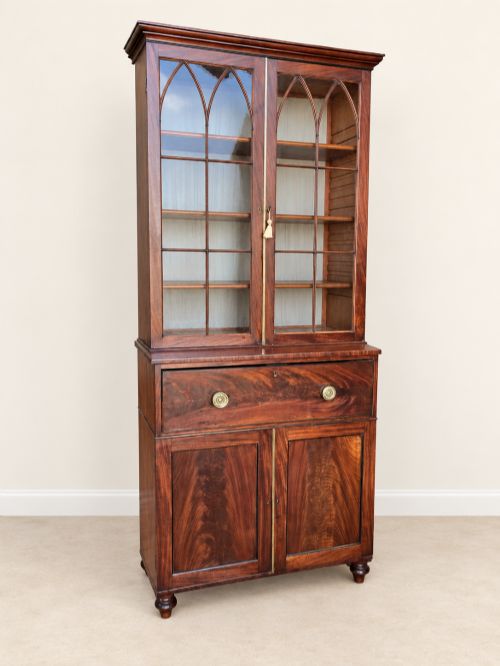
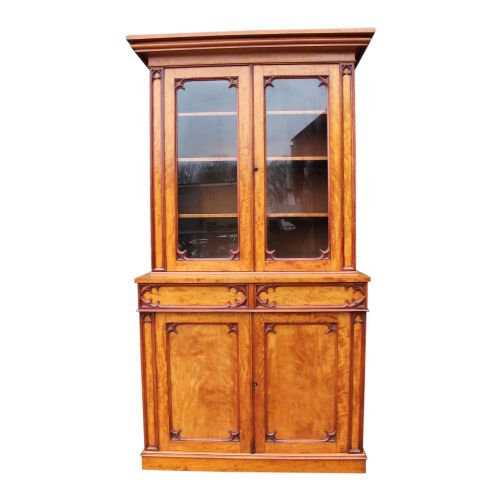
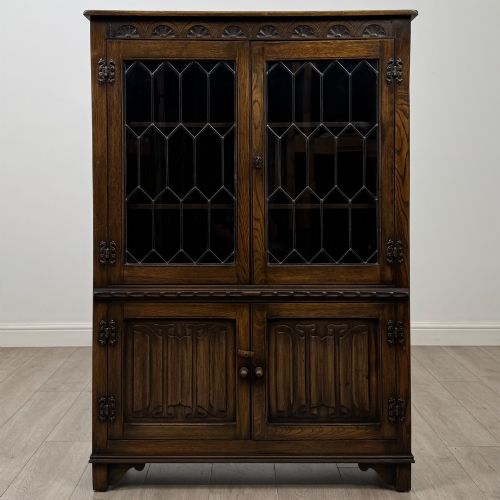
The most common formats met on this page include breakfront library bookcases, taller secretaire bookcases with fitted writing drawers, and smaller dwarf open bookcases. Oak and mahogany serve as the primary timbers, shaped with distinctive pointed arches and leaded or astragal glazing bars.
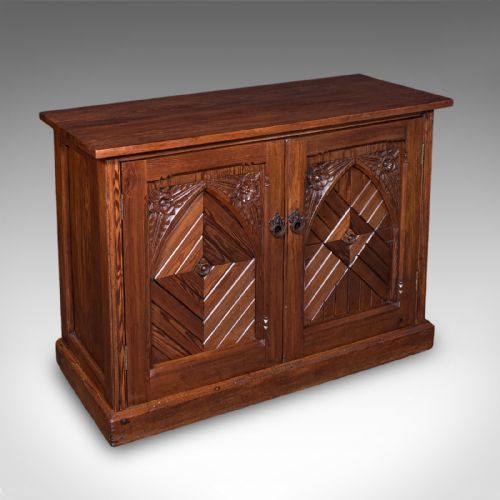
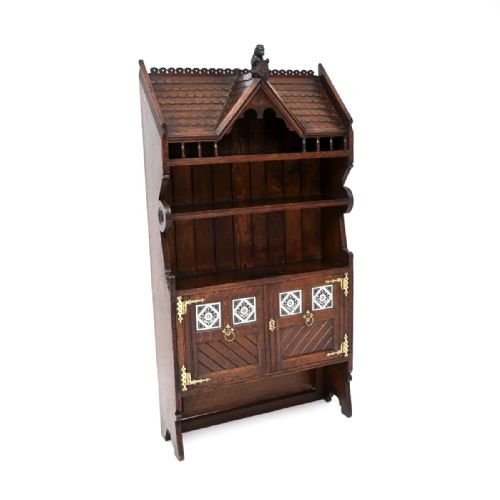
Makers and designers of the period drew inspiration from Gothic Revival principles, creating substantial architectural forms that range from carved oak cabinets to ebonised wall units.
How they were made
Cabinet makers utilised dense hardwoods such as mahogany, oak, and pollard oak, often accented with satinwood, rosewood, and ebony inlay. These timbers were joined using traditional framing techniques to support the heavy weight of extensive book collections.
Glazing involved lead, brass, and timber bars arranged in intricate gothic arch patterns, requiring skilled handiwork to shape the delicate tracery. Metal hardware such as brass handles and hinges completed the construction of these storage cupboards and display cabinets.
Materials documented across the inventory include brass, lead, and glass alongside hardwoods such as satinwood and rosewood.
What varies in quality
The degree of hand-carved detail separates standard examples from exceptional library pieces, particularly where artisans executed intricate green man motifs, tracery, and linenfold panels. Timber selection also dictates the tier of the piece, with figured mahogany, pollard oak, and satinwood representing superior material choice.
Proportion and scale define the architecture of the bookcase, with breakfront forms and balanced proportions showing a higher level of design ambition. The integration of functional secretaire drawers with fitted interiors adds considerable complexity to the construction.
John Moyr Smith·Jas Shoolbred·Gillows·George Edmund Street
The Antique Gothic Bookcase Glossary
- Secretaire bookcase
- A cabinet featuring a pull-down writing drawer that conceals a fitted interior of small drawers and pigeonholes. This hybrid form combines a desk with upper bookshelves.
- Breakfront
- A large cabinet design where the central section projects forward from the flanking wings. This configuration creates a strong architectural presence in a library.
- Astragal glazing
- Timber or metal bars holding small panes of glass within a door. In gothic pieces, these bars frequently form pointed arches.
- Leaded glass
- Small panes of glass held together by strips of lead to form geometric or decorative patterns. This method appears frequently in Edwardian display cabinets.
- Gothic Revival
- An architectural and decorative style drawing on medieval forms, pointed arches, and ecclesiastical motifs. It experienced a major resurgence during the nineteenth century.
Antique Gothic Bookcase: Frequently Asked Questions
What is a gothic bookcase?
An antique gothic bookcase is a storage unit for books characterised by architectural elements inspired by medieval design, such as pointed arches, tracery, and carved panels.
These pieces typically date from the nineteenth century and incorporate glazed doors to protect volumes while displaying them.
How do I use a secretaire bookcase?
A secretaire bookcase incorporates a drawer that drops forward to create a writing surface, revealing small compartments and pigeonholes inside.
This allows the cabinet to function simultaneously as a bookcase and a compact writing desk.
What wood are these bookcases made from?
The listings show bookcases constructed from timbers such as mahogany, oak, pollard oak, rosewood, and pine.
Finer examples often utilise exotic veneers and inlay, including satinwood and ebony.
How do I date a gothic bookcase?
Dating relies on identifying the period styles present, such as Regency, Victorian Gothic Revival, or Edwardian revivals.
Construction methods, timber choices, and specific design influences like the Aesthetic Movement also help determine the age of the cabinet.