
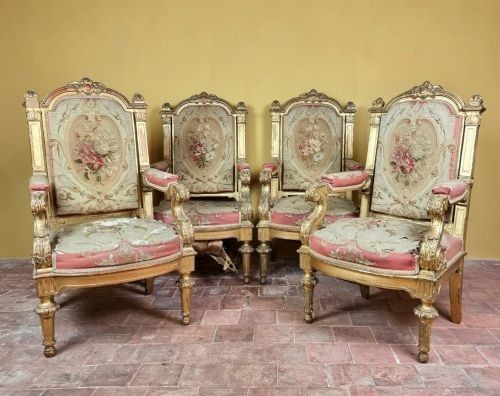


19th Century Giltwood Chair
A 19th century giltwood chair brings gilded elegance and carved detail to a room, offering both decorative presence and period seating.
19th Century Giltwood Chair
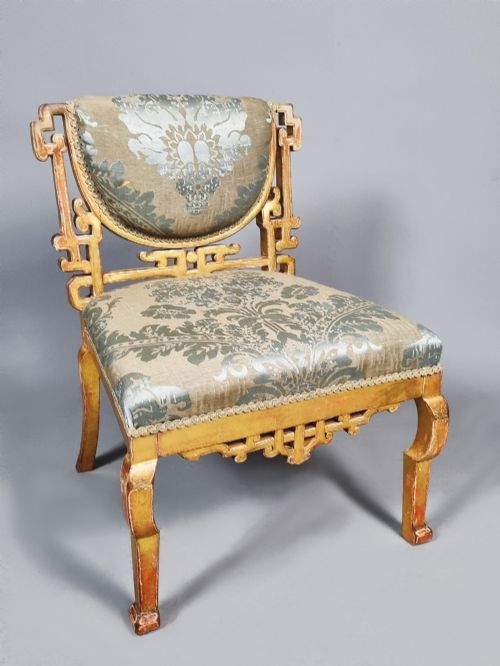
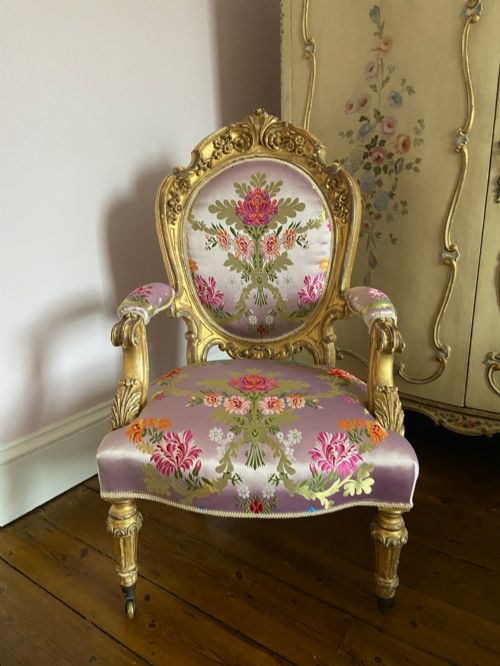
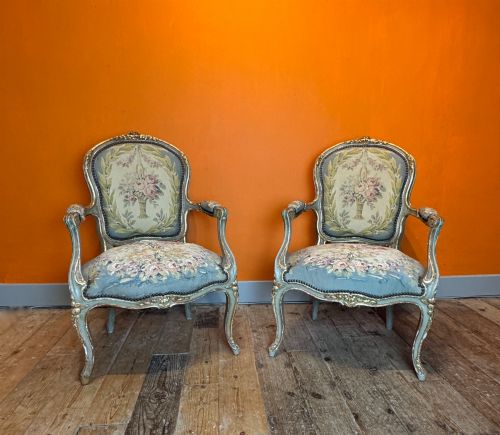
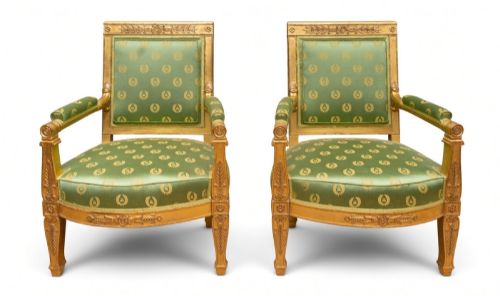
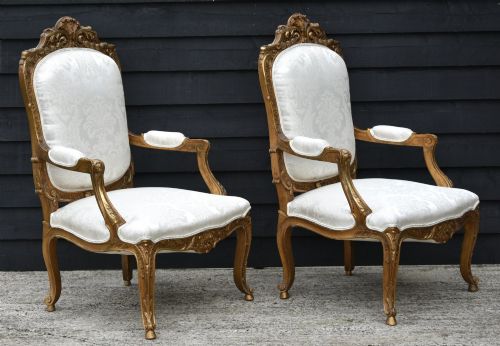
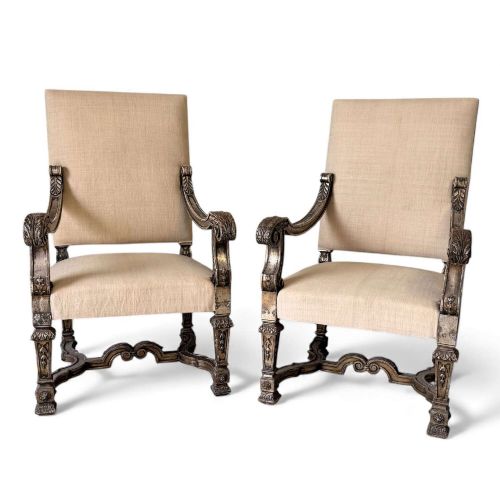
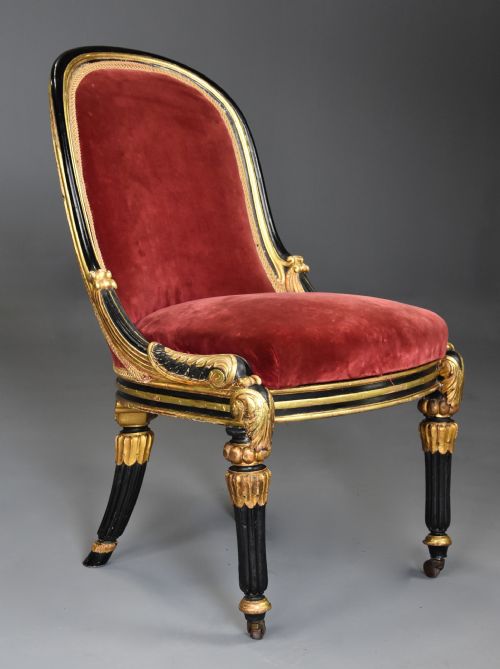
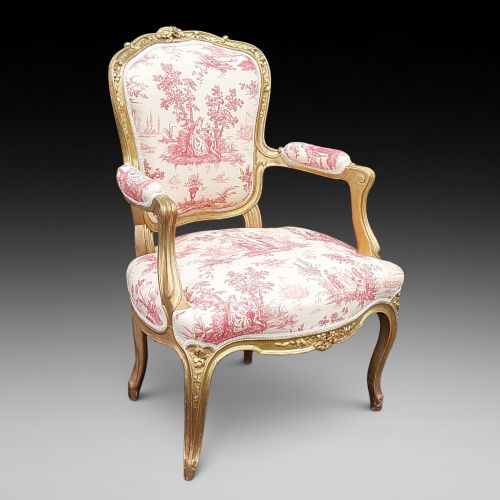
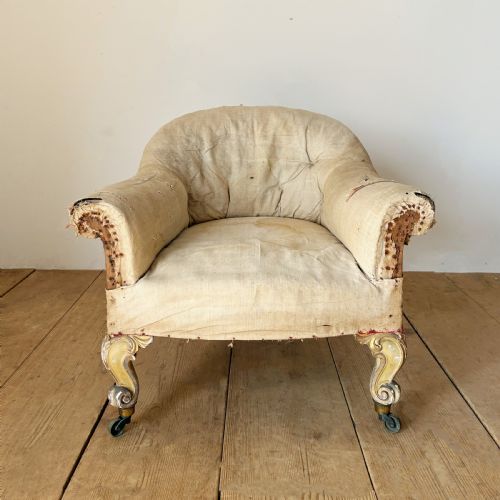
When you search for a 19th century giltwood chair, you encounter a diverse array of seating forms designed for formal salons, boudoirs, and grand reception rooms. The selection ranges from substantial open armchairs and throne chairs to smaller side chairs, slipper chairs, and nursing chairs.
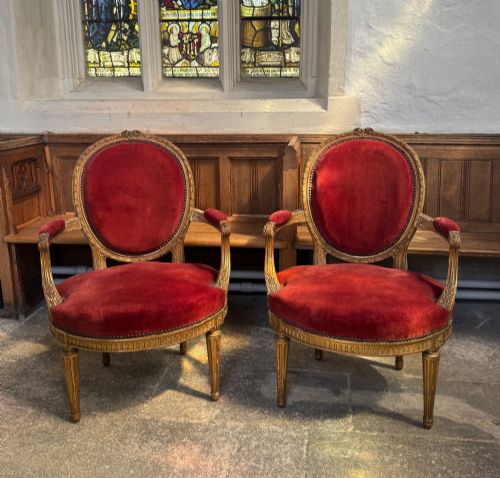
The prevailing aesthetic leans heavily toward French influence, with numerous examples rendered in Louis XVI, Rococo Revival, and Napoleon III styles. English interpretations, including Regency and Chinese Chippendale variants, also appear alongside Continental pieces from Sweden and Italy.
How They Were Made
The primary structural framework of these seats relies on timbers such as beech, walnut, or mahogany, shaped through traditional joinery and detailed carving. Artisans applied gold leaf over a prepared gesso and bole ground on the wood to achieve the characteristic shimmering finish.
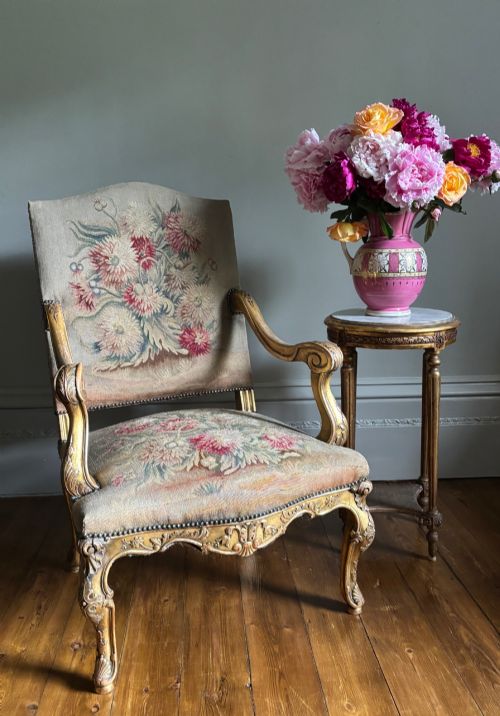
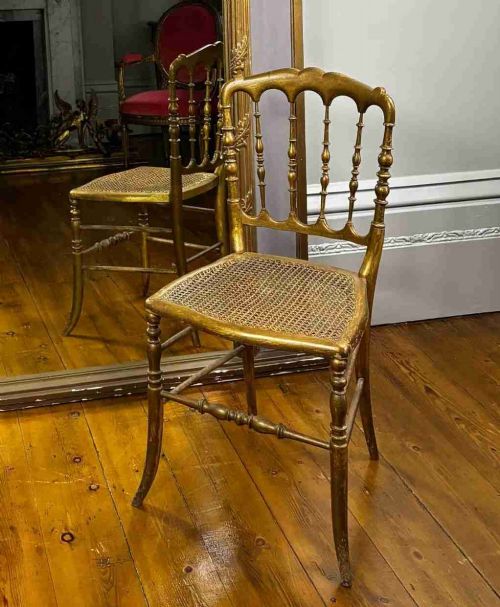
Upholstery methods varied widely according to the intended function of the seating, incorporating silk fabric, velvet, tapestry, or traditional caning for seats and backs. Some surfaces combined parcel gilt details with painted elements or ebonised accents to contrast the metallic sheen.
Listings feature woods like beech, walnut, and mahogany beneath gold leaf, silk, velvet, tapestry, and cane.
What Varies in Quality
The depth and crispness of the wood carving distinguish standard production from exceptional artistry, particularly in the rendering of acanthus leaves, scroll arms, and floral motifs. Finer examples exhibit meticulous hand-chasing across the gilded surfaces where the gold leaf catches the light.
Structural integrity depends on the original joinery and the preservation of the underlying gesso layer beneath the gilding. Pieces retaining their period upholstery materials or authentic canework command greater interest from collectors seeking unaltered condition.
Waugh & Son·Jacob-Desmalter·Holland & Sons·Lamb of Manchester·Morison & Co
The 19th Century Giltwood Chair Glossary
- Giltwood
- Wood that has been coated with thin sheets of gold leaf over a prepared base. This technique creates a luminous metallic finish characteristic of formal period furniture.
- Fauteuil
- An open-armed upholstered armchair originating in France. The wooden frame around the arms is typically exposed and carved.
- Caning
- Woven rattan or cane material used for seat panels and backs. It provides a lightweight and flexible surface often seen on lighter salon seating.
- Parcel Gilt
- A decorative treatment where only specific portions of a wooden object are gilded, leaving the underlying wood or paint visible elsewhere.
19th Century Giltwood Chair: Frequently Asked Questions
How do I identify a Louis XVI style chair?
Louis XVI style pieces are defined by straight tapered legs, often fluted, and geometric framework reflecting neoclassical restraint. Oval or rectangular backs predominate over the flowing curves seen in earlier rococo designs.
Carvings on these pieces typically feature classical motifs such as ribands, beading, and acanthus leaves rather than asymmetrical shells.
Can I use a giltwood chair at a dining table?
Dining chairs appear in sets within the period evidence, though most surviving giltwood seating consists of armchairs, salon chairs, or side chairs intended for reception rooms. Using them at a dining table requires careful consideration of seat height and fragile gilded surfaces.
Lighter side chairs function well for occasional dining use, while heavy armchairs are better suited to living spaces and bedrooms.
What is the difference between a salon chair and a nursing chair?
Salon chairs were built for formal entertaining and conversation in drawing rooms, featuring upright backs and decorative frames. Nursing chairs sit lower to the ground with open spaces designed for comfort and ease of dress in private chambers.
Their proportions and heights distinguish their original domestic functions within nineteenth century interiors.
How should I care for antique giltwood?
Giltwood requires gentle maintenance to protect the delicate gold leaf and the underlying gesso layers from moisture and abrasion. Dusting should be done lightly with a dry, soft brush without applying commercial cleaning sprays.
Keeping the chair away from direct sunlight and fluctuating humidity prevents the wood from warping and the gilding from flaking.