
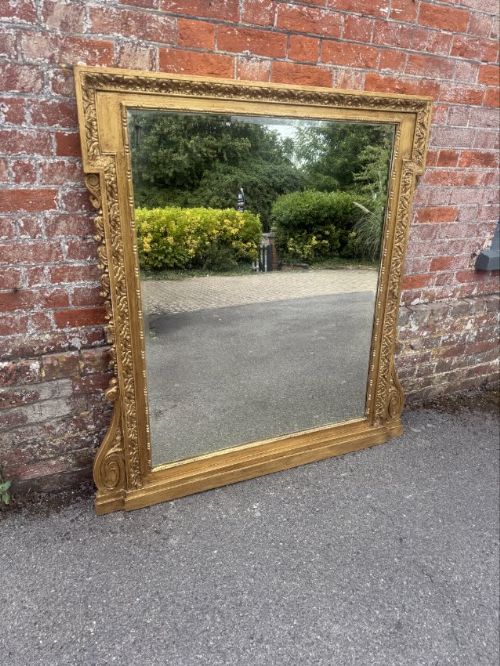
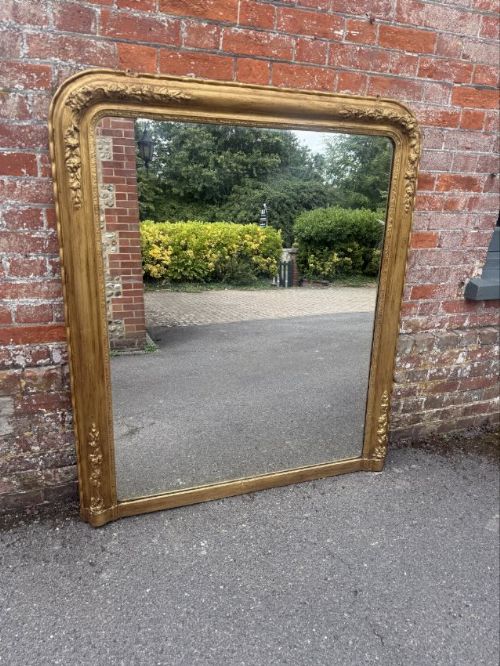
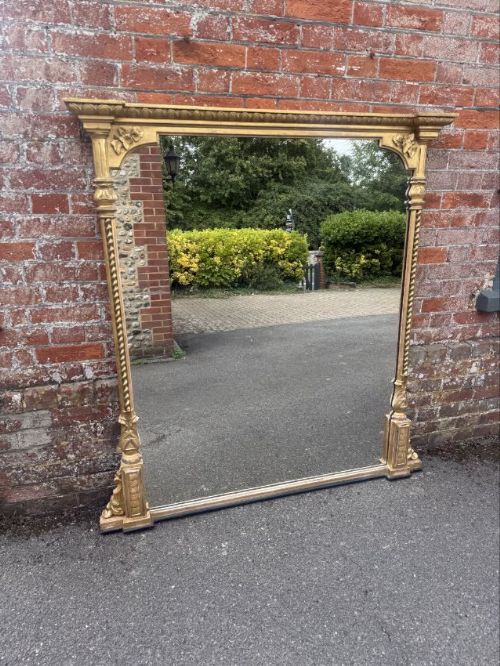
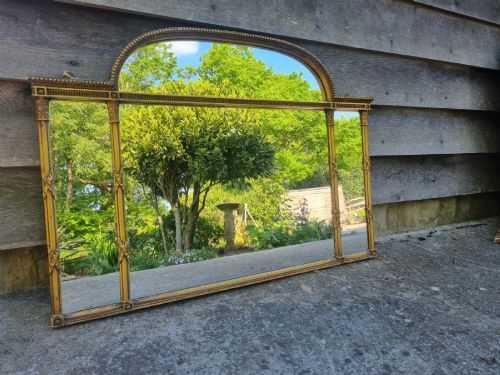
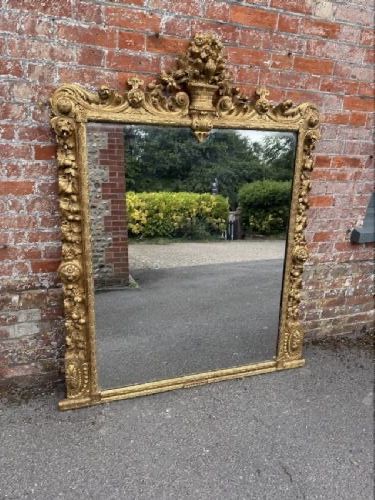
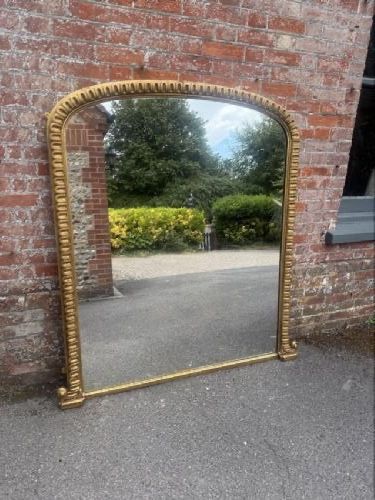
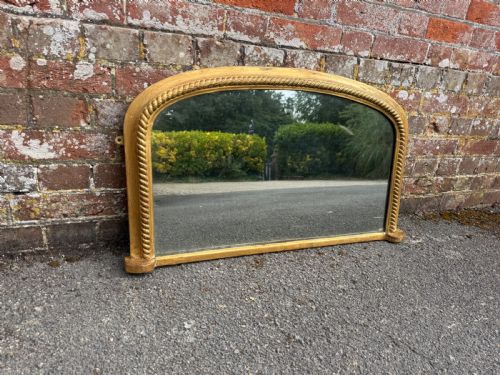
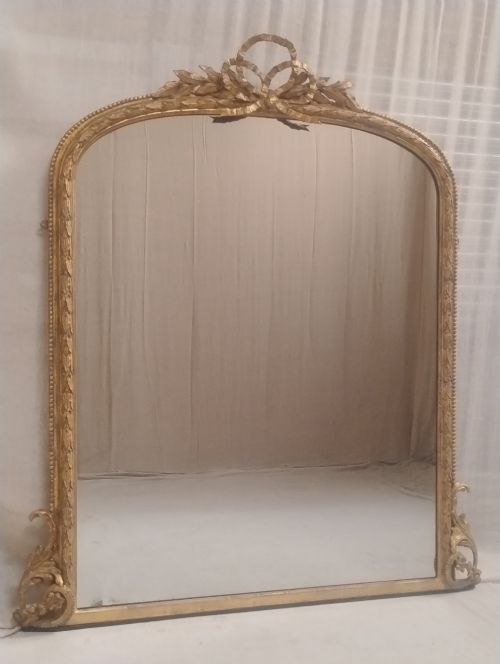
19th Century Gilt Overmantle Mirror
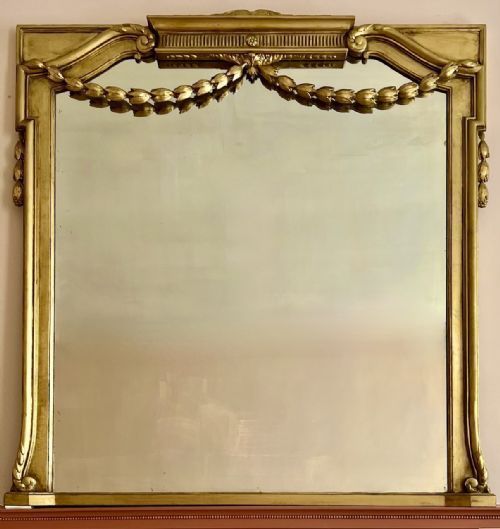
A 19th century gilt overmantle mirror brings grand architectural presence and reflected light to a principal fireplace.
19th Century Gilt Overmantle Mirror
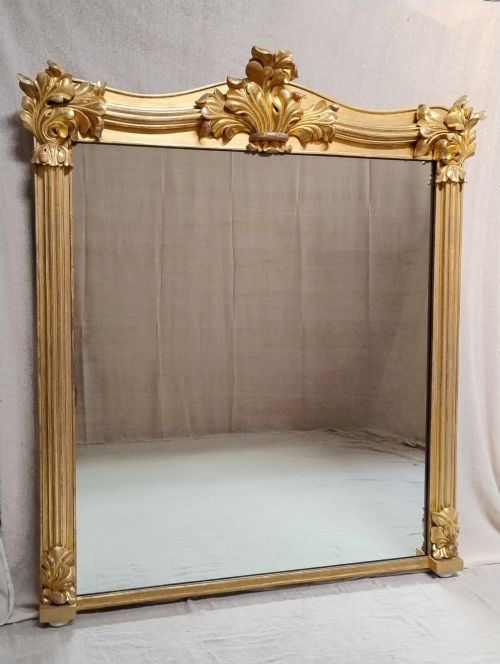
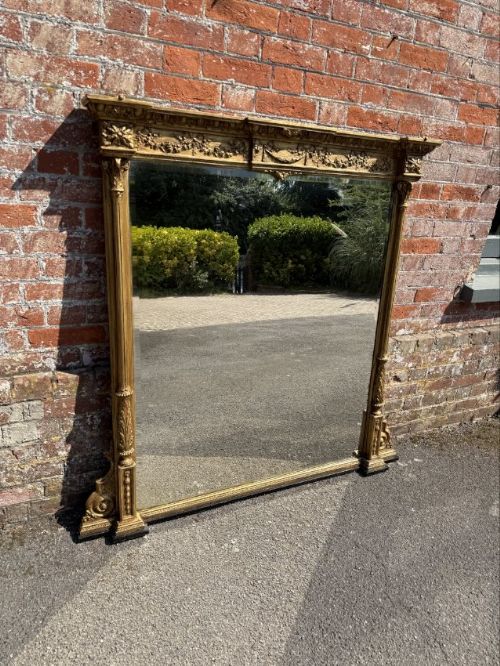
A 19th century gilt overmantle mirror is a large wall-hanging looking glass designed to sit directly above a chimney piece in a formal reception room. These mirrors anchor the wall space, providing a strong horizontal or vertical focal point that reflects natural light around the interior.
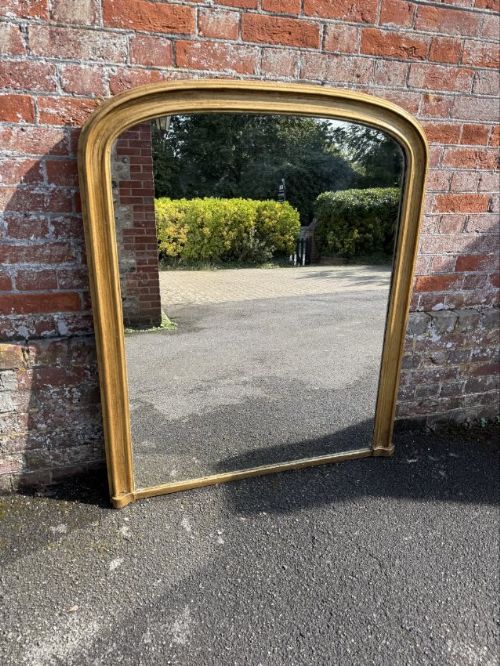
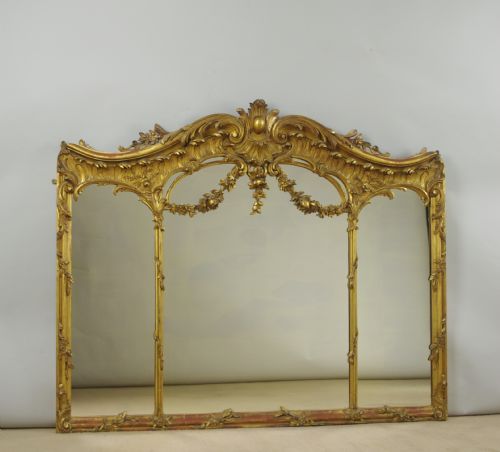
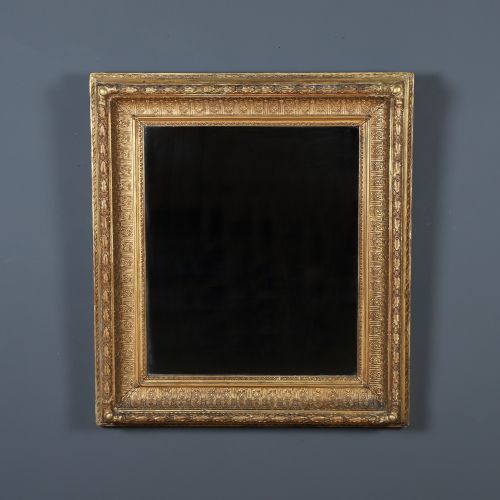
Most examples encountered here originate from the Victorian and Regency periods, featuring substantial proportions built for high-ceilinged rooms. Common formats include arched tops, shaped frames, and triple plate configurations designed to command the mantelpiece.
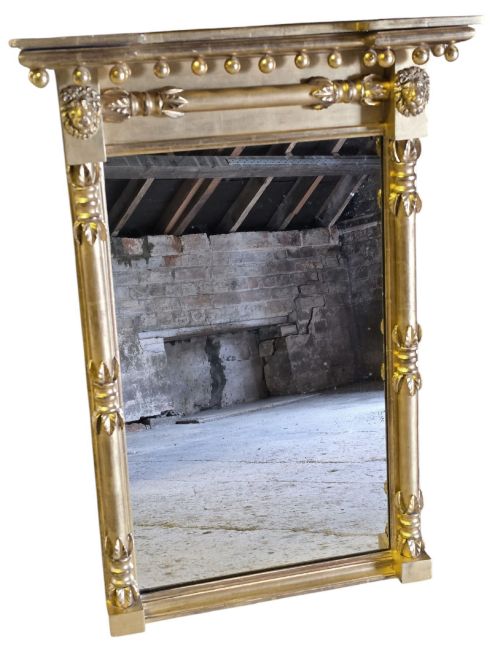
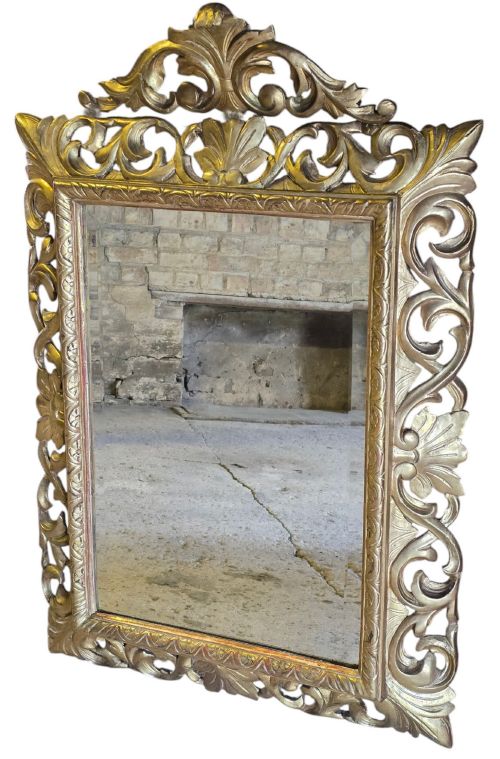
Stylistic influences range from classic English interpretations to Rococo Revival, Florentine, and Chinese Chippendale designs. They serve primarily as statement pieces that combine practical reflection with ornate decorative woodwork.
How They Were Made
Makers constructed the structural frames using carved wood, applying layers of gesso to build up smooth surfaces for intricate ornamentation. Artisans then applied gold leaf or giltwood finishes over the prepared ground to achieve a brilliant metallic sheen.
Mirror glass was set securely into the heavy wooden rebates, often utilising multiple plates in larger formats such as triple plate overmantles. Specialised framing techniques accommodated weight distribution across arched and shaped top profiles.
Some overmantle mirrors retain secret dust trails behind their original glass from a century of coal fires.
What Varies in Quality
The sophistication of the carved wood and gesso ornamentation dictates the refinement of the piece, distinguishing finely detailed rope twist, tulip, or column motifs from simpler mouldings. Relief depth and crispness in the decorative elements show the hand of a skilled artisan.
Originality of the gilding and the mirror glass heavily influences the character of the piece, with intact gold leaf surfaces and period silvering retaining greater historical integrity. Frame construction robustness ensures the heavy glass remains secure within its architectural surround.
The 19th Century Gilt Overmantle Mirror Glossary
- Overmantle
- A large mirror specifically proportioned to hang on the wall directly above a fireplace mantel. These pieces were central to 19th century interior decoration.
- Gesso
- A plaster-like mixture applied to carved wooden frames to create a smooth surface for gilding. It allows for crisp, detailed relief ornamentation.
- Giltwood
- Timber that has been coated with gold leaf or gilt material. This finish provides a bright, reflective metallic appearance.
- Archtop
- A mirror frame featuring an arched curve at the top edge. This shape softens the rigorous horizontal lines of a chimney breast.
- Pier glass
- A tall mirror designed to hang on the wall space between windows. They share many decorative characteristics with overmantle mirrors.
19th Century Gilt Overmantle Mirror: Frequently Asked Questions
How do I hang a heavy overmantle mirror safely?
These large mirrors carry considerable weight due to their dense wooden frames and thick glass plates. Secure installation requires anchoring directly into structural wall studs using heavy-duty brackets.
Professional mounting is strongly recommended to distribute the load evenly and protect both the frame and the wall below.
Where should an overmantle mirror be placed?
Traditionally, these mirrors are mounted centrally on the chimney breast directly above a fireplace mantel. This placement allows the glass to reflect light from opposite windows and visually balance the hearth.
While designed for fireplaces, they also function effectively as statement wall mirrors in large hallways or principal reception rooms.
How do I clean a antique gilt frame?
Historic gilt surfaces require gentle maintenance to preserve the delicate gold leaf and underlying gesso layers. Dusting should be done lightly with a dry, soft-bristled brush without applying pressure.
Avoid using liquid cleaners, commercial polishes, or damp cloths, as moisture can strip the historic gilding from the wood.
What is the difference between an overmantle and a wall mirror?
An overmantle mirror is specifically proportioned to span the width of a fireplace breast, often featuring a broad horizontal format. Standard wall mirrors are designed for general room placement without relation to a hearth.
Overmantle frames frequently incorporate architectural details like columns or arched tops tailored for mantelpiece display.