
19th Century Gilded Frame
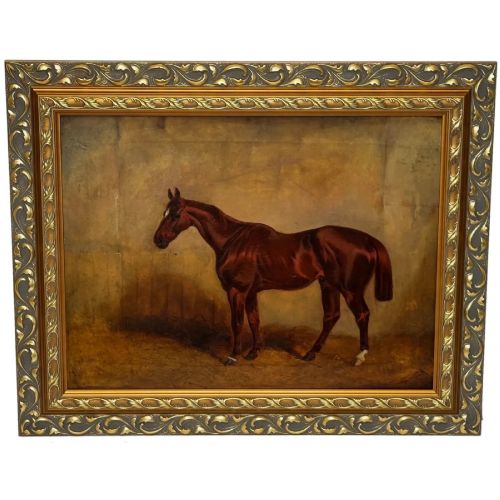
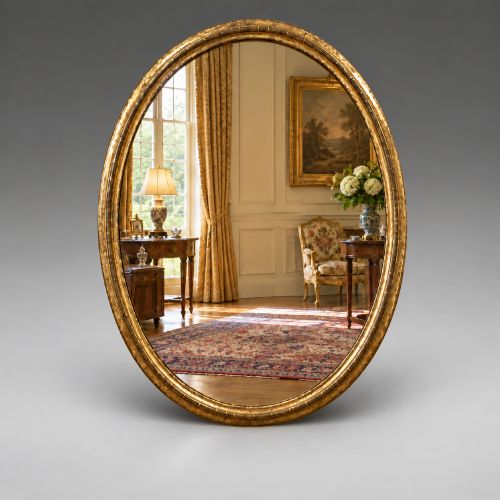
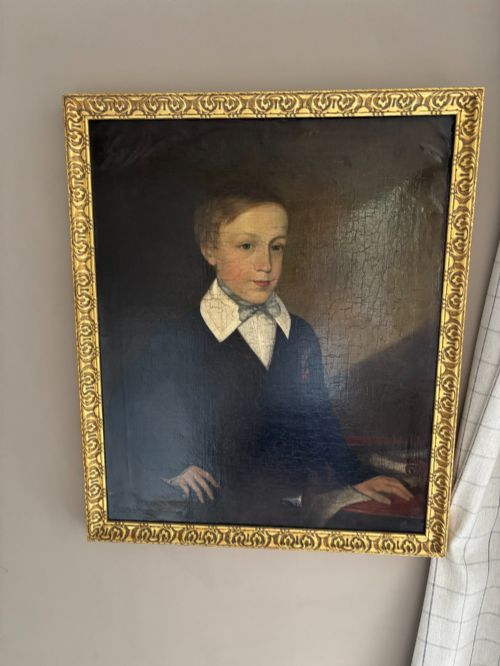
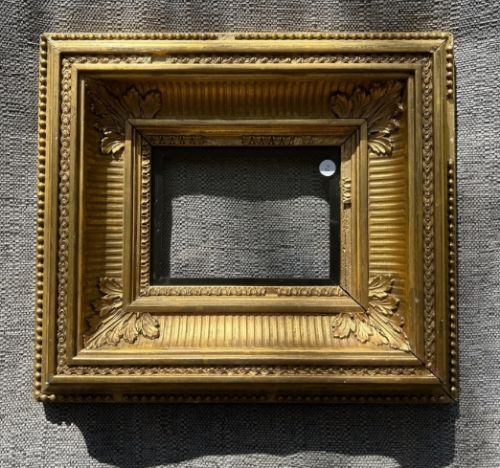
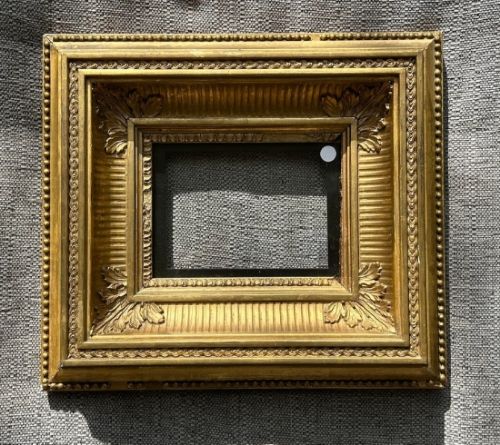
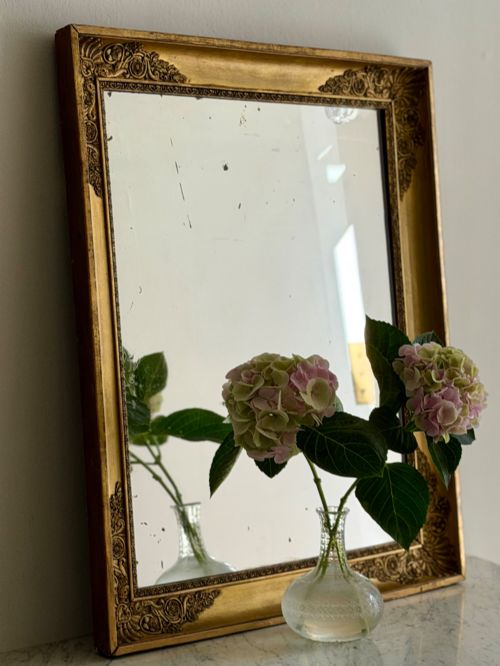
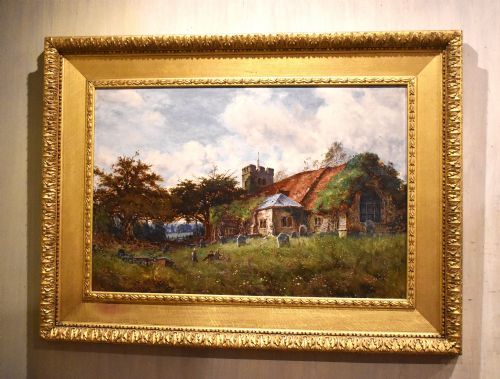
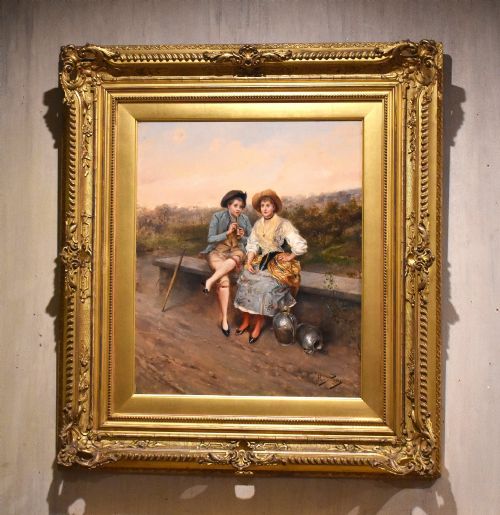
A 19th century gilded frame brings warmth and reflected light to a room, framing oil paintings, mirrors, and silhouettes with period character.
19th Century Gilded Frame
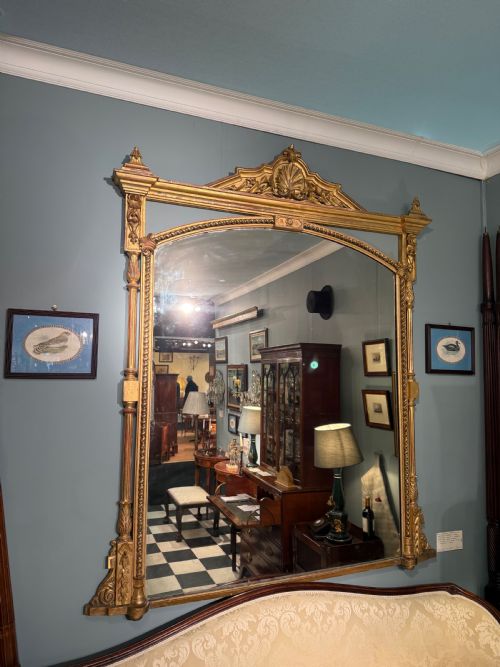
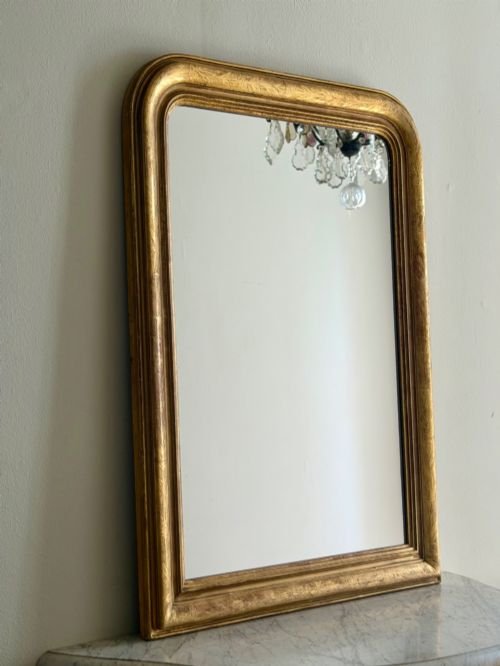
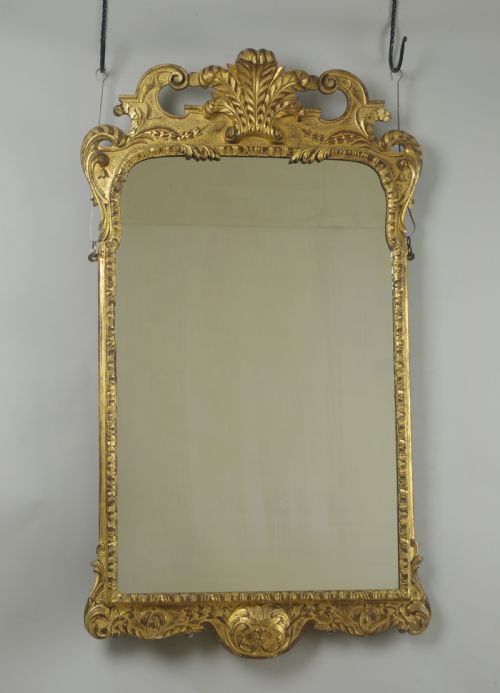
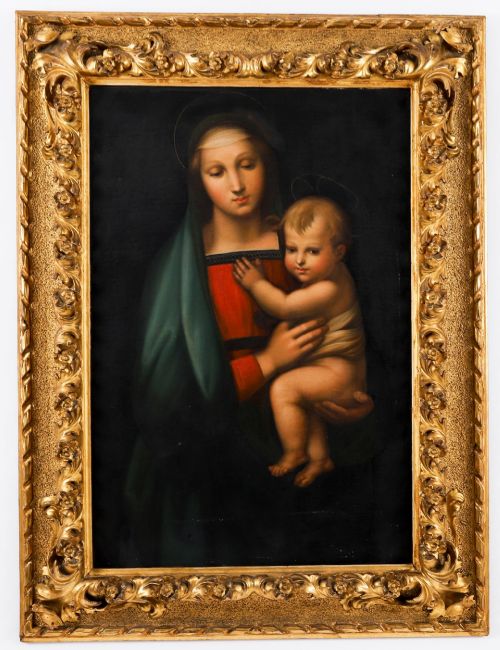
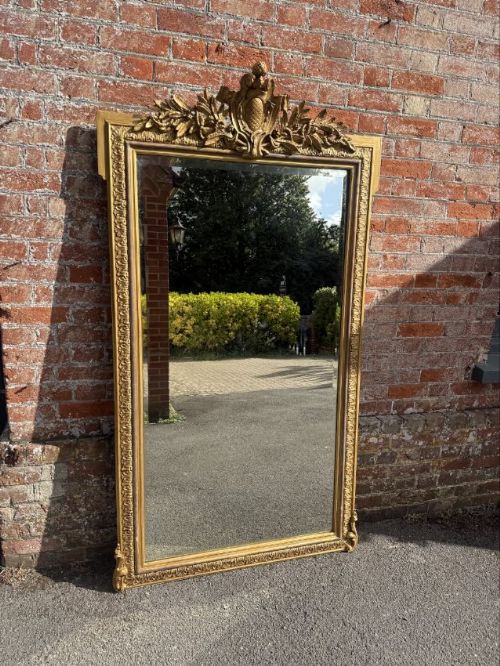
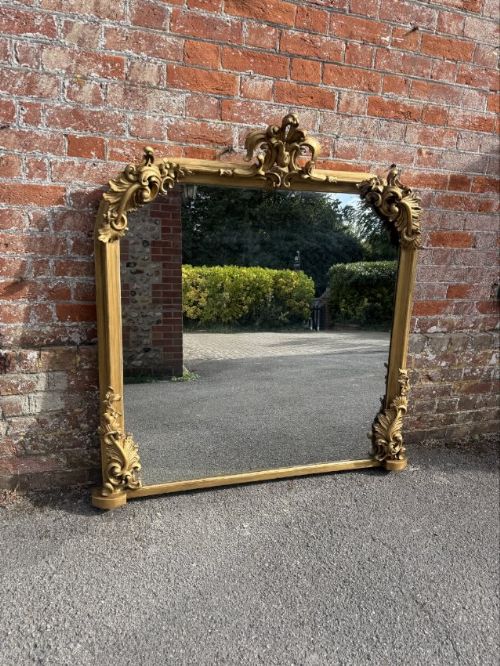
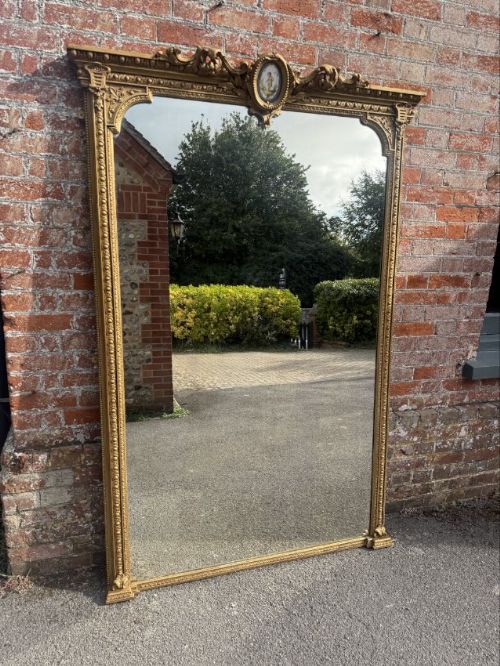
A 19th century gilded frame encompasses a range of decorative mouldings designed to house mirrors and artworks from the Victorian, Regency, and later decades. Buyers encounter large overmantel mirrors, arched wall mirrors, and picture frames housing oil on canvas landscapes or portraits.
The selection frequently includes French Louis Philippe mirrors alongside English carved wood and gesso pieces from the middle and late decades of the period. These objects bridge decorative furnishing and fine art display.
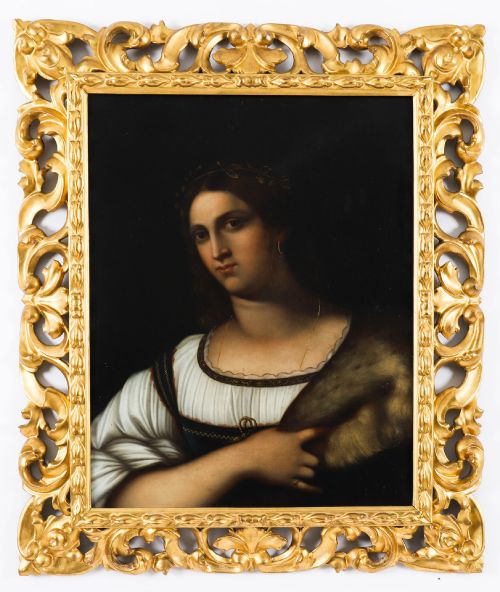
Pieces span various regional styles, from Florentine wall mirrors to simpler giltwood frames enclosing prints and watercolours.
How They Were Made
Carpenters shaped foundational structures from timber such as oak, walnut, or softer woods before applying layers of gesso to build up decorative ornament. This plaster-like mixture provided a smooth surface for carving intricate relief work and floral motifs.
Giltwood and gold leaf were applied over the prepared wooden frames, often using water gilding or oil gilding techniques to achieve a metallic sheen. Glass elements, including mercury glass for mirrors, were fitted into the finished surrounds.
Several portraits capture domestic life with unexpected companions, including a silhouette of two girls holding a bird and a painting featuring a beloved dog.
What Varies in Quality
The depth and crispness of the carved wood and gesso ornamentation separate standard production from superior examples. Hand-carved relief work retains sharper botanical and scroll details than moulded compositions.
The method and preservation of the gilding influence the visual weight of the object. Intact gold leaf layers show a warmer light reflection compared to worn or later repainted surfaces.
Richard Sebastian Bond·Joseph Clover RA·Valentine T Garland·Dumini Leopoldo·George Atkinson·W Klombeck·Alfred Fontville de Breanski Jr·Edward Mills·Stephen Samuel Lewin
The 19th Century Gilded Frame Glossary
- Gesso
- A plaster mixture applied to wood frames to create a smooth surface for relief carving and gilding. It allows artisans to shape intricate decorative details.
- Giltwood
- Timber covered with a thin layer of gold leaf or gold paint. This technique gives the appearance of solid gold while utilising a lighter wooden base.
- Overmantel mirror
- A large wall glass designed to hang above a fireplace mantel. These pieces frequently feature arched tops and heavy carved frames.
- Mercury glass
- A type of silvered glass produced by pouring a mercury amalgam between double-walled blown glass. Older examples often display characteristic foxing spots.
19th Century Gilded Frame: Frequently Asked Questions
How do I hang a heavy overmantel mirror safely?
Large overmantel mirrors require secure wall fixings distributed across the main wooden structure rather than relying solely on original hanging loops. Professional installation ensures the weight of the timber and glass is supported properly.
Positioning the piece at the correct height above a mantelpiece balances the visual proportions of the room and reflects light effectively.
Can I replace the glass in a period frame?
Original mirror glass often exhibits foxing and age spots that contribute to the historic character of the piece. Retaining the original plate maintains the integrity of the object.
When glass is cracked or missing, a glazier can cut a replacement to fit the rebate of the frame carefully.
What is the difference between gesso and carved wood?
Carved wood forms the structural core and main relief decoration of high-quality frames. Artisans applied gesso over the wood to fill grain and build up intricate surface ornamentation.
Many decorative mouldings combine both materials, using carved timber foundations enhanced with moulded gesso details.
How do I clean a gilded surface?
Dusting gently with a dry, soft brush prevents the accumulation of dirt without disturbing fragile gold leaf layers. Moisture and chemical cleaners damage nineteenth-century gilding permanently.
Keeping frames away from direct sunlight and damp environments preserves the stability of the wood and gesso underneath.