
19th Century German Painting
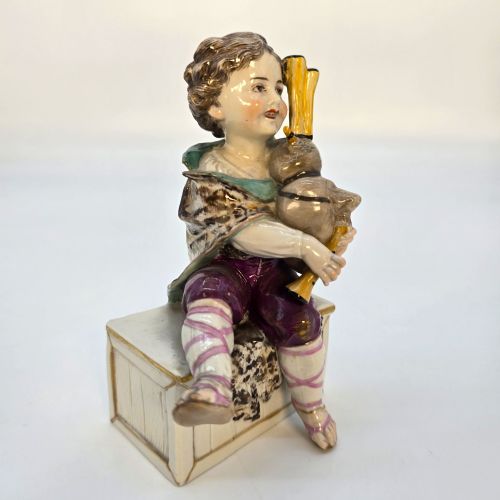
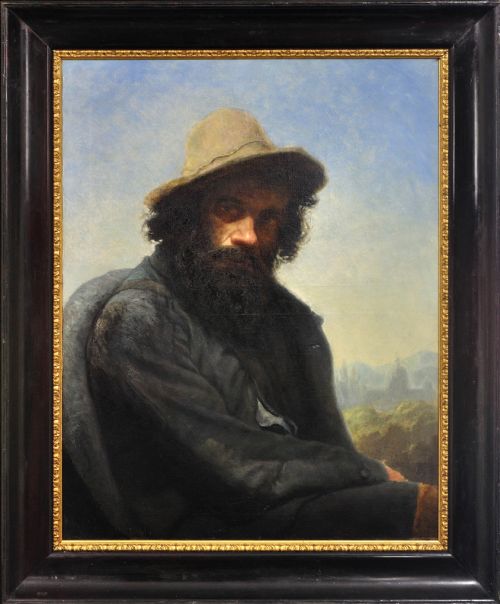
These 19th century german painting and porcelain works encompass detailed portraits, landscapes, and hand-painted figures that collectors prize for their intricate craftsmanship.
19th Century German Painting
Buyers seeking 19th century german painting and decorative objects encounter a diverse selection ranging from framed oil paintings on canvas and board to hard-paste porcelain figures and vessels.
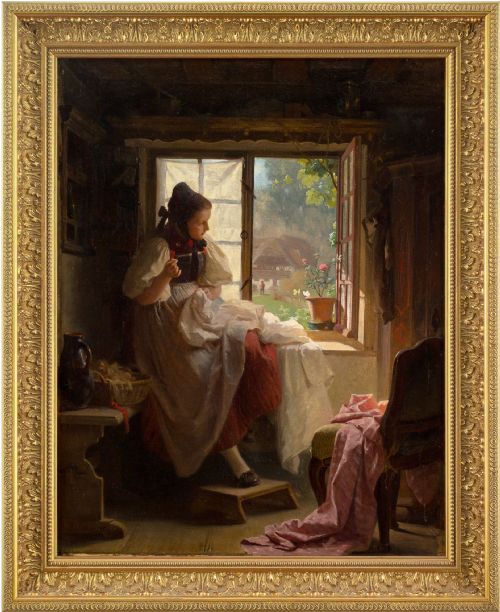
The oil paintings frequently depict rural landscapes, pastoral scenes, architectural studies, and portraits executed by identifiable artists or the broader German School.
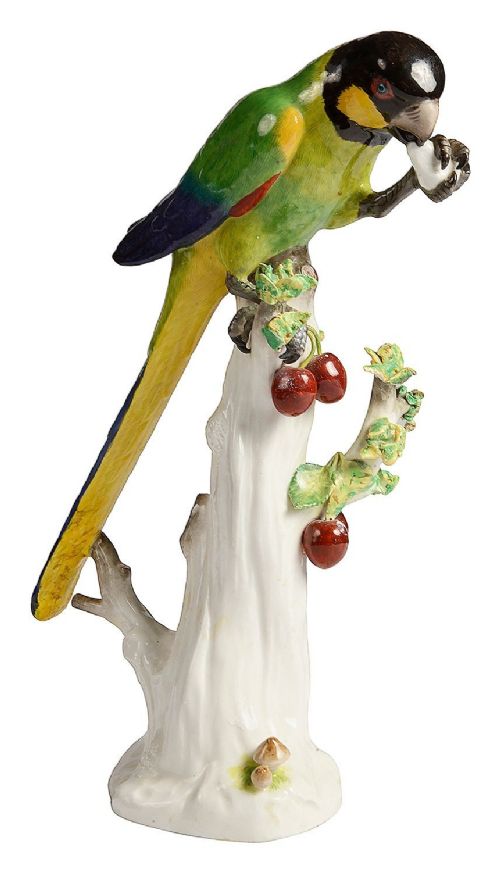
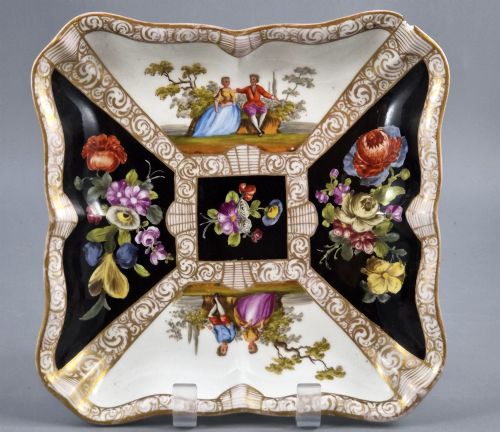
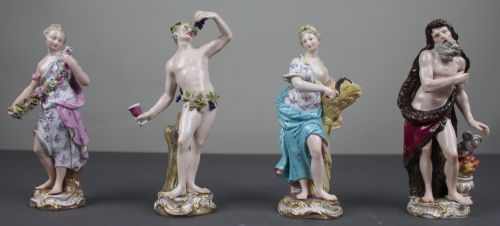
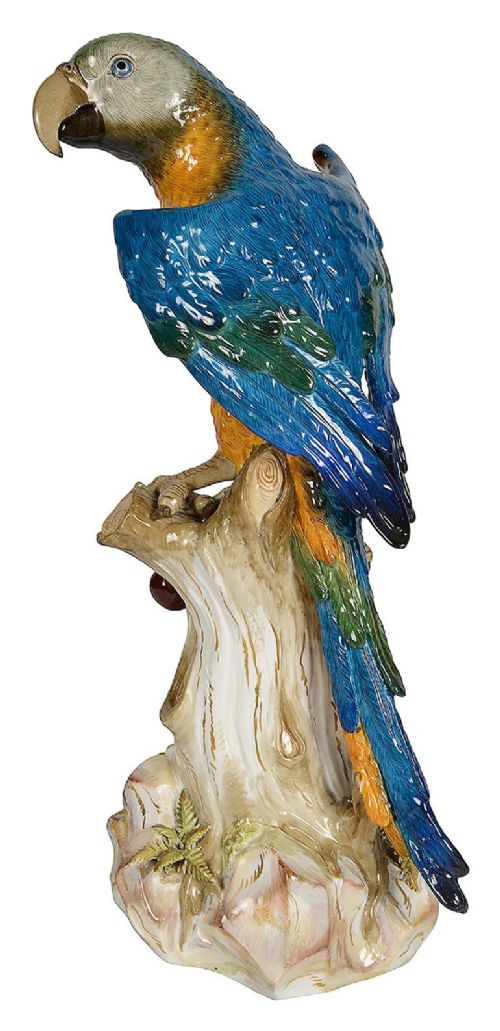
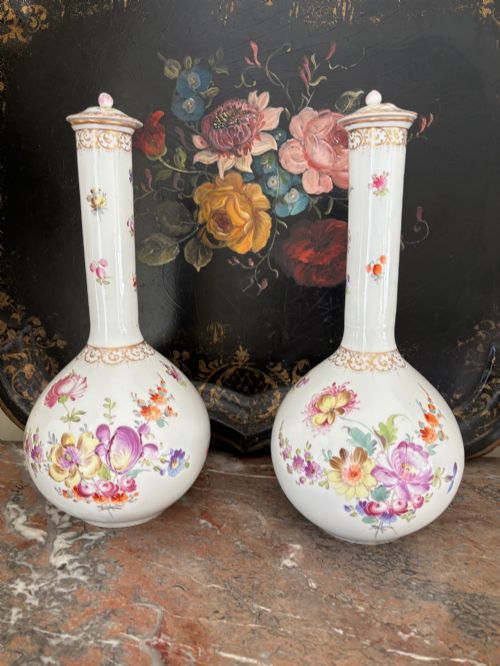
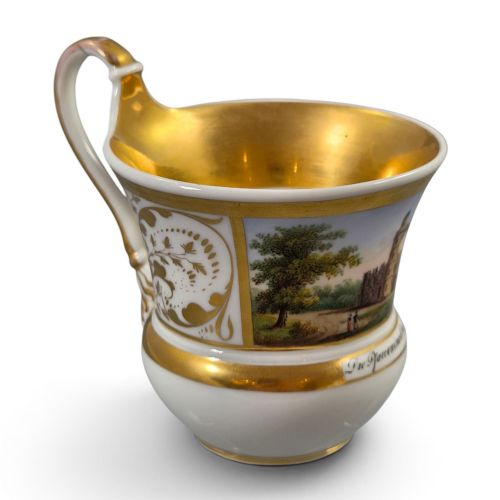
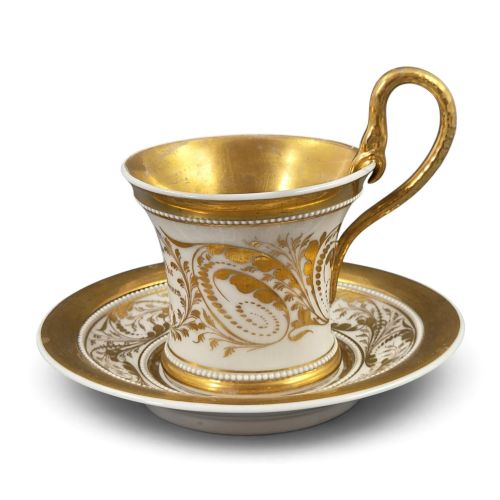
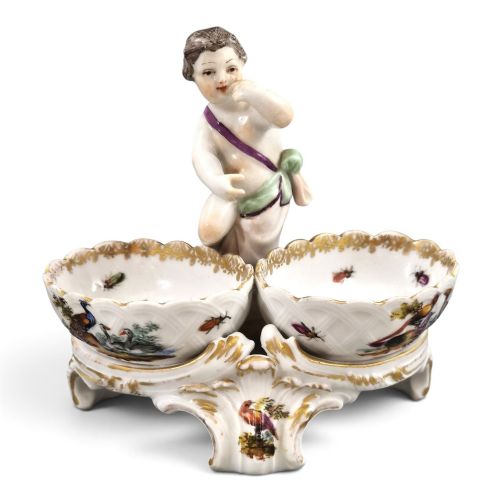
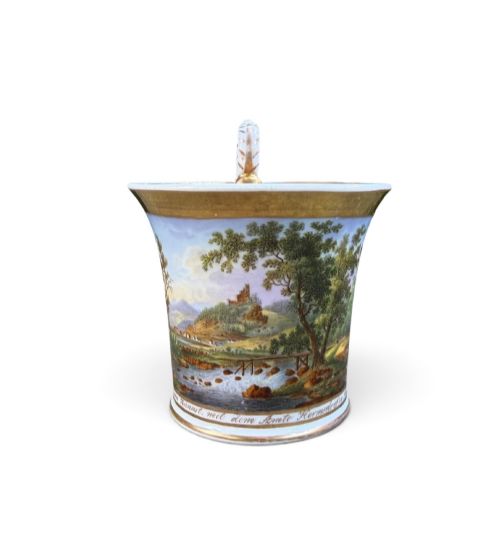
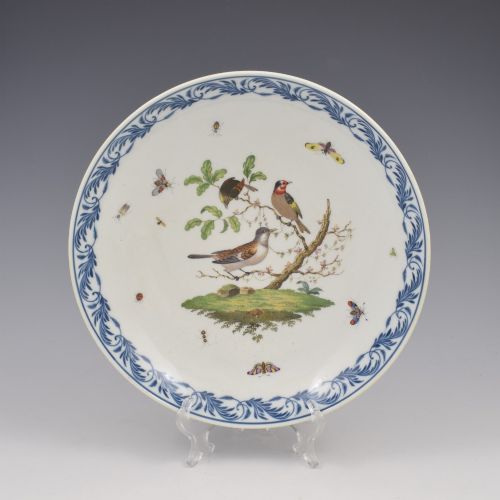
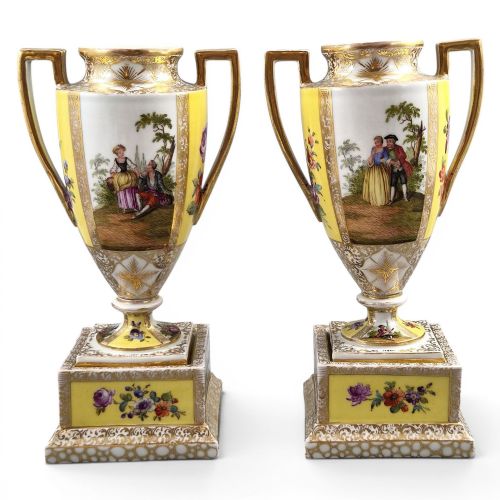
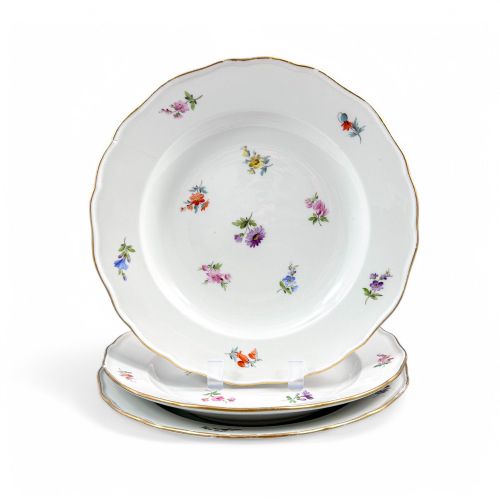
Porcelain works on this page predominantly feature items from renowned factories such as Meissen, KPM Berlin, and Volkstedt, including cabinet cups, vases, and detailed animal and human figurines.
How They Were Made
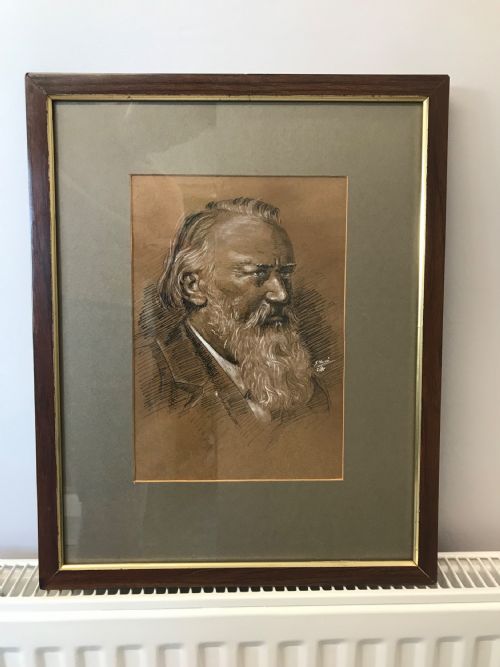
Painters utilised oil and gouache on panels or canvas, applying pigment to capture subtle light in portraits and natural textures in landscape studies.
Porcelain pieces were formed from hard-paste clay, fired at high temperatures, and finished with hand-painted polychrome decoration, gilding, and gold leaf highlights.
Factories employed specialised techniques for moulding intricate figures, reticulated plates, and lidded vessels before applying detailed transfer or freehand pictorial scenes.
The selection includes oil paintings, porcelain figures, and cabinet cups produced across the 19th century utilising gold leaf, enamel, and hard-paste porcelain.
What Varies In Quality
The refinement of the hand-painted details, particularly in facial expressions on portraits and the precision of avian and floral motifs on porcelain, sets exceptional pieces apart.
The preservation of original gilding and enamel integrity heavily influences the standing of ceramic items like cabinet cups and decorative urns.
The depth of the composition and the handling of light and atmosphere distinguish superior oil paintings from standard studio output.
Meissen·KPM Berlin·Volkstedt Rudolstadt Factory·Helena Wolfsohn Dresden·Sitzendorf·C. G. Schierholz
The 19th Century German Painting Glossary
- Hard-paste porcelain
- A durable ceramic composition fired at very high temperatures, commonly utilised by European factories for figures and tableware.
- Gilding
- The application of gold leaf or powdered gold to the surface of porcelain or wood frames to provide decorative highlights.
- Gouache
- An opaque water-based medium used on paper or board, offering dense pigment application suitable for detailed drawings and studies.
- Reticulated
- Describes ceramic plates and vessels featuring openwork lattice patterns cut into the clay body before firing.
- Demitasse
- A small cup used for serving strong black coffee, frequently decorated with fine floral or topographical hand-painted scenes.
19th Century German Painting: Frequently Asked Questions
How do I identify a Meissen piece?
Meissen porcelain is typically identified by the underglaze blue crossed swords mark painted on the base. The quality of the modelling and fine hand-painted details also help distinguish these works.
Items range from delicate animal figures to elaborate architectural vases and decorated plates produced throughout the period.
What subjects are common in these paintings?
The paintings frequently portray rural landscapes, forest paths, architectural town views, and intimate human portraits. Many works originate from the broader German School.
Artists also recorded still life arrangements featuring fruit and flowers alongside pastoral scenes.
How should I care for antique porcelain?
Antique porcelain requires gentle dusting with a soft, dry cloth to protect fragile painted surfaces and raised gilding. Hand-washing should be avoided to prevent damage to historic enamels.
Display items away from direct sunlight to preserve the vibrancy of the hand-painted pigments.
What is hard-paste porcelain?
Hard-paste porcelain is a robust ceramic material fired at extreme temperatures, making it highly durable and resistant to scratching. It served as the primary medium for high-end German figures and cabinet cups.
This composition allowed factories to create thin, crisp forms with sharp details.