





German Portrait Painting
German portrait painting encompasses centuries of regional artistry, capturing likenesses in oil, porcelain, and paper for collectors valuing European heritage.
German Portrait Painting
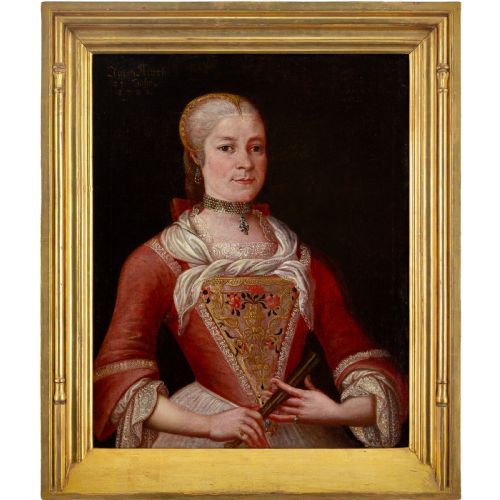
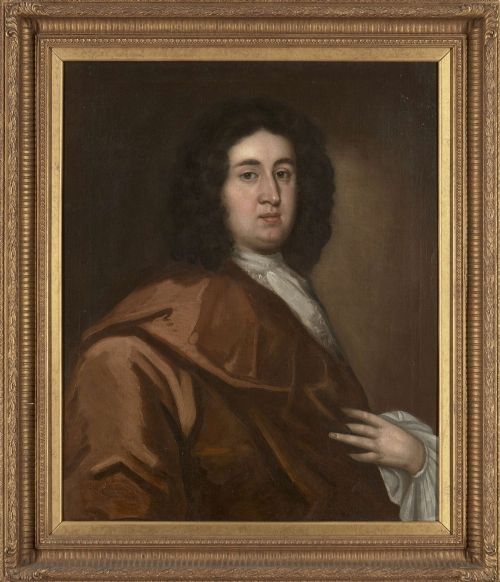
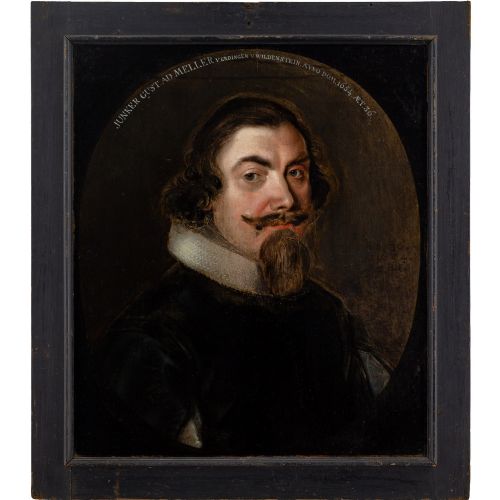
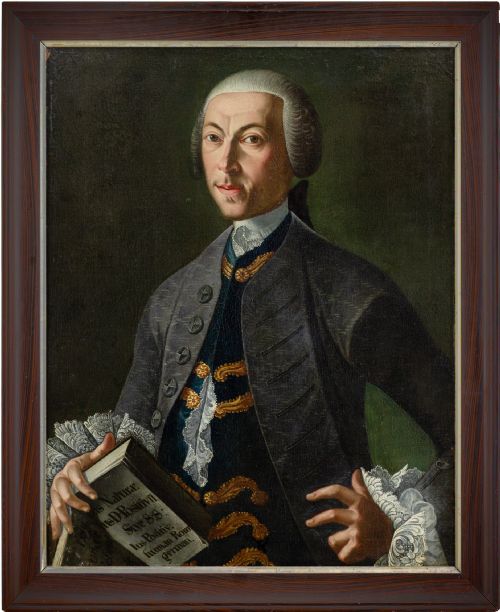
German portrait painting spans multiple centuries, offering depictions of aristocracy, clergy, and everyday citizens captured by regional schools and named artists.
The pieces on this page range from grand 17th-century oils on canvas to delicate 19th-century porcelain plaques and painted snuff boxes.
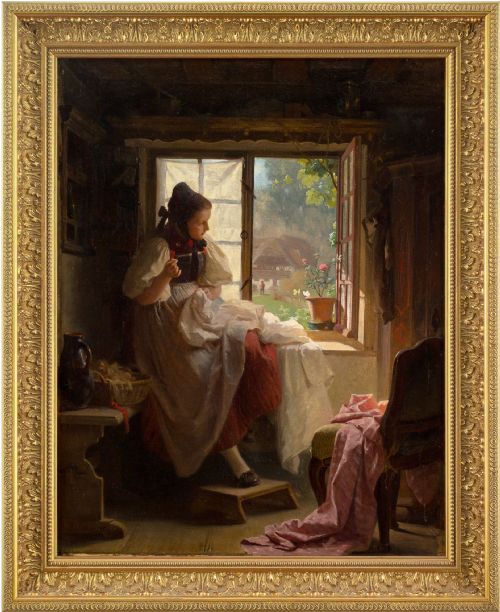
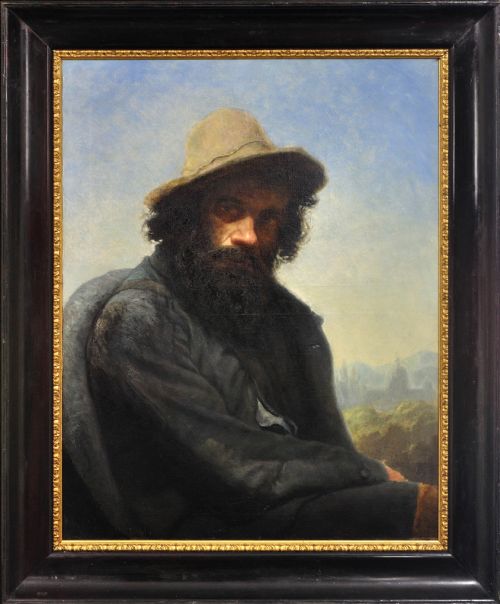
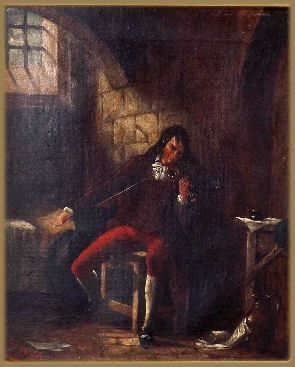
Subjects include seated officers, young girls with pets, and musicians, rendered in styles from Baroque realism to Biedermeier intimacy.
How they were made
Artists primarily utilised oil paint applied to stretched canvas or wooden panels, often building rich layers of pigment to achieve depth in garments and skin tones.
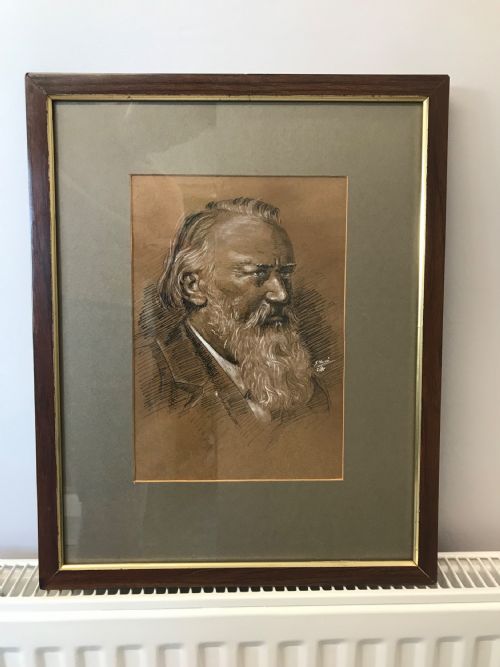
Miniature and decorative works employed alternative mediums such as hand-painted porcelain plaques, gouache on paper, and papier-mâché finished with detailed lacquer.
Many historical examples retain their original giltwood frames, which incorporate gold leaf and ornate moulding suited to the period of creation.
German Portrait Painting Retail Price Guide 2026
Typical asking prices for german portrait painting among the pieces listed under this phrase on Sellingantiques today, from the lower quarter to the upper quarter. They describe what is for sale here now, not the wider market.
Several portraits capture subjects holding unexpected items, including ivory staves, pet birds, and cherry baskets.
What varies in quality
The distinction in quality often lies in the precision of facial expression, hand rendering, and the subtlety of light handling across the subject.
Works attributed to established regional schools or documented makers frequently display superior compositional balance and preservation of fine detail compared to anonymous studio pieces.
John Closterman·Max Kaltenmoser·Albin Mattenheimer·Christian Lindner·Bernd Funke·Balthasar Denner·Wilhelm Alexander Meyerheim·Ferdinand Barth
The German Portrait Painting Glossary
- Biedermeier
- A style reflecting domestic comfort and realism in Central Europe during the mid-19th century. It prioritises clean lines and unpretentious subject matter.
- Baroque
- An artistic period characterised by drama, rich colour, and deep shadow. Portraits from this era often feature elaborate garments and strong lighting.
- Giltwood frame
- Wood carved and coated with gold leaf or metallic powder. These frames enhance the visual weight of oil paintings.
- Porcelain plaque
- A flat ceramic surface fired and painted with enamel colours. Berlin and KPM factories specialised in this durable medium.
- Gouache
- An opaque water-based paint mixed with a binding agent. It provides solid matte areas of colour in drawings and works on paper.
German Portrait Painting: Frequently Asked Questions
What subjects appear in these paintings?
Portraits feature a diverse range of subjects, including aristocratic officers, clergymen, musicians, and children accompanied by pets.
Artists also recorded everyday citizens, family groups, and self-portraits, reflecting the social hierarchies of their respective centuries.
How should I care for an oil painting?
Keep paintings away from direct sunlight and fluctuating humidity to prevent the canvas from sagging and the paint from cracking.
Dust the surface gently with a soft, dry brush and avoid using chemical cleaners on either the canvas or the frame.
What is a porcelain plaque portrait?
Porcelain plaques are finely painted ceramic panels produced by factories such as KPM and Berlin during the 19th century.
Artists fired enamel pigments onto the glazed ceramic surface, creating vibrant portraits that resist fading over time.
How do I identify the period of a frame?
Frames often match the era of the artwork, displaying stylistic traits such as Baroque carving or Victorian historicism.
Examine the construction methods, corner joints, and the application of gold leaf to determine if the frame is contemporaneous with the painting.