



Orientalist Portrait Painting
Orientalist portrait painting captures figures from Eastern lands through Western eyes, offering striking studies of character across diverse nineteenth and twentieth century traditions.
Orientalist Portrait Painting
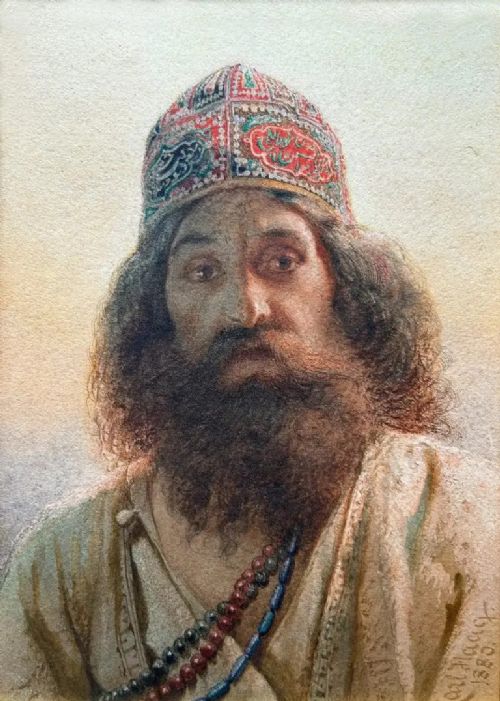
Orientalist portrait painting comprises framed artworks depicting individuals from Middle Eastern, South Asian and North Eastern cultures through the lens of European and British artists. These works range from grand oil paintings on canvas and panel to delicate watercolours, pastels and period photogravures.
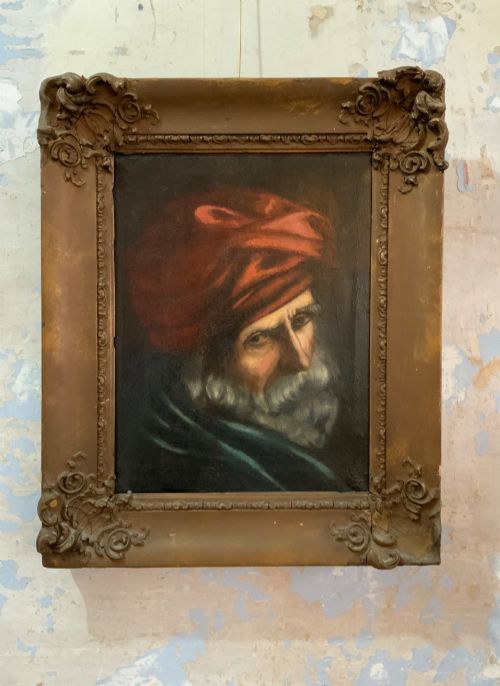
Buyers browsing this selection will most frequently encounter nineteenth century oils on canvas depicting gentlemen, pashas and local figures from Cairo to India. The forms vary from intimate framed portraits to imposing board paintings, often housed in original giltwood frames.
The styles span the broader Orientalism movement alongside French Orientalist traditions, Anglo-Indian subjects and occasional Romanticism influences. Each piece records a distinct encounter between Western academic technique and Eastern costume, expression and setting.
How they were made
Artists executed these works primarily using oil paint on stretched canvas or wooden panels, building up rich layers of pigment to capture the complex textures of turbans, robes and interior furnishings. Watercolour and pastel on paper also appear, offering a lighter touch for intimate portraiture.
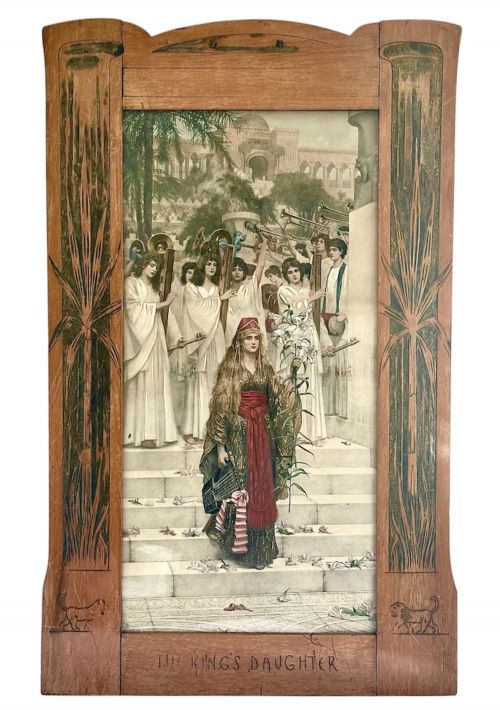
Makers housed these paintings in bespoke wood frames, frequently finished with giltwood detailing that enhanced the warmth of the palette. Printed works such as photogravures utilised early photographic reproduction to spread popular exhibition portraits to a wider audience.
Orientalist Portrait Painting Retail Price Guide 2026
Typical asking prices for orientalist portrait painting among the pieces listed under this phrase on Sellingantiques today, from the lower quarter to the upper quarter. They describe what is for sale here now, not the wider market.
Several gentlemen in these paintings wear remarkably elaborate turbans that clearly demanded far more patience from the sitters than any modern studio session.
What varies in quality
Quality rests upon the artist's ability to render facial expression and anatomy with convincing depth, separating master academic hands from lesser commercial studio outputs. The nuance in brushwork across fabrics and backgrounds dictates the visual power of the composition.
The preservation of the original medium, whether oil, watercolour or pastel, defines the longevity and visual impact of the piece. Associated framing, particularly period giltwood surrounds that complement the canvas, adds substantial integrity to the overall object.
Carl Haag·Herbert Gustave Schmaltz·Charles Bellay·Frederick Goodall RA·Abraham Cooper RA
The Orientalist Portrait Painting Glossary
- Oil on canvas
- Pigment bound in drying oil applied to a woven fabric support. This remains the primary medium for durable, detailed portraiture.
- Photogravure
- An intaglio printmaking process producing photographic images with continuous tonal gradations. It allowed faithful reproduction of famous gallery paintings.
- Giltwood
- Wood carved and coated with gold leaf or a gold-coloured finish. It provides ornate framing designed to catch and reflect light around the artwork.
- Watercolour
- Pigments suspended in a water-based, translucent solution applied to paper. It creates luminous, delicate effects distinct from opaque oils.
- Panel painting
- Art executed on a flat wooden support rather than canvas. Panels offer a rigid surface favoured in various nineteenth century traditions.
Orientalist Portrait Painting: Frequently Asked Questions
What defines orientalist portrait painting?
These works depict specific individuals from Eastern cultures through the perspective of European and British artists working from the nineteenth century onward.
They combine academic painting techniques with subjects encountered during travels, diplomatic missions or exhibitions across the Middle East and Asia.
How should I hang an oil painting?
Oil paintings on canvas require stable indoor environments away from direct sunlight and excessive humidity to protect the pigments and wooden stretchers.
Ensure the wall fixings safely support the combined weight of the painting and its original giltwood or wood frame.
Are watercolours fragile?
Watercolour and pastel works on paper are sensitive to light and moisture due to the delicate nature of the unbound or lightly bound pigments.
They benefit from professional framing behind protective glass and placement away from direct glare.
How do I identify nineteenth century frames?
Period frames often feature hand-carved wooden ornament finished with gesso and gold leaf, showing honest signs of age and construction beneath.
Examining the corner joints and the reverse of the wood helps distinguish original housings from later replacements.