

19th Century Genre Artwork
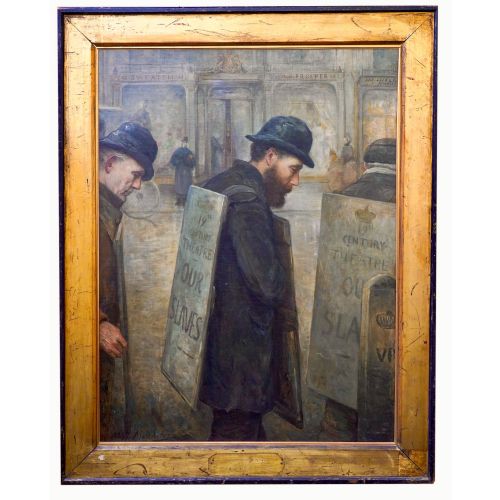
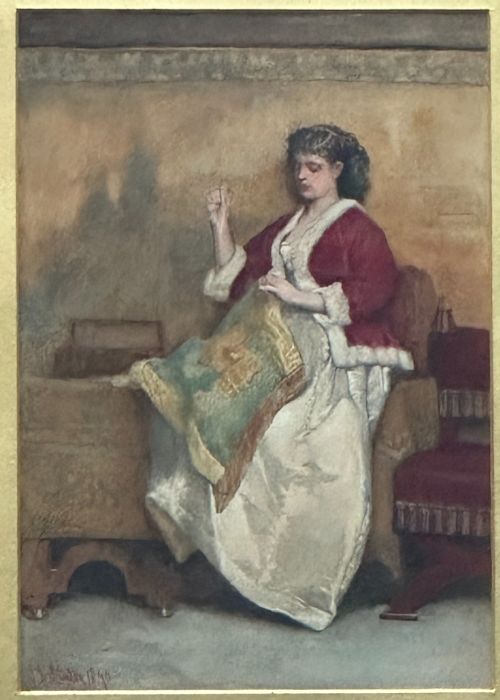
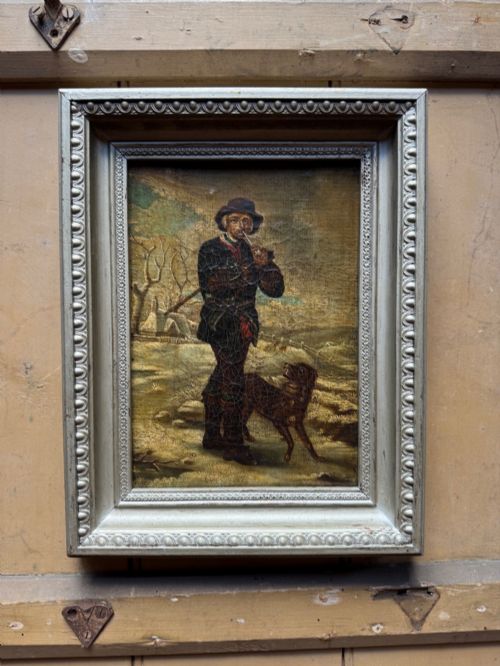
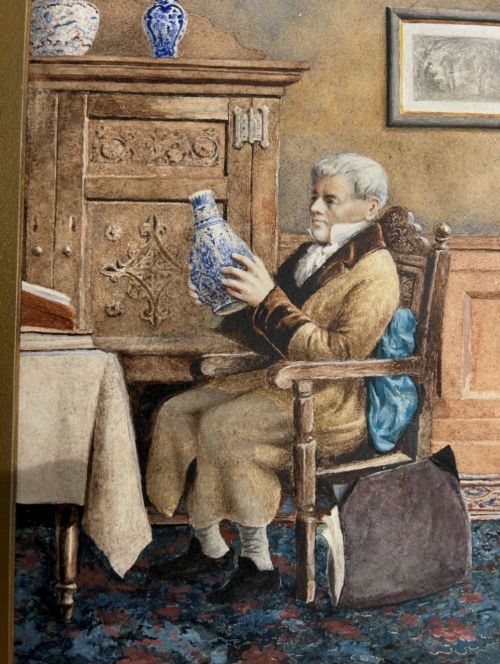
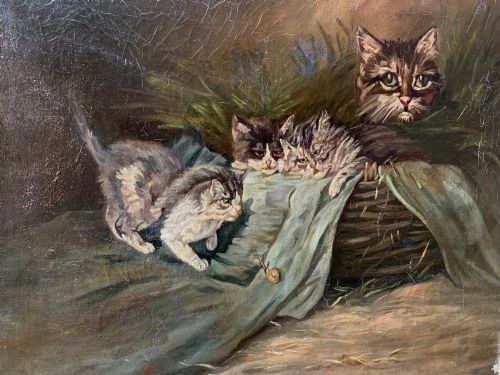
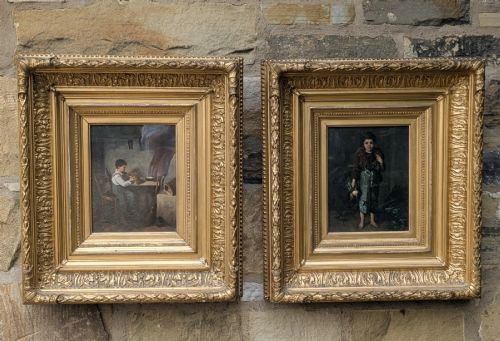
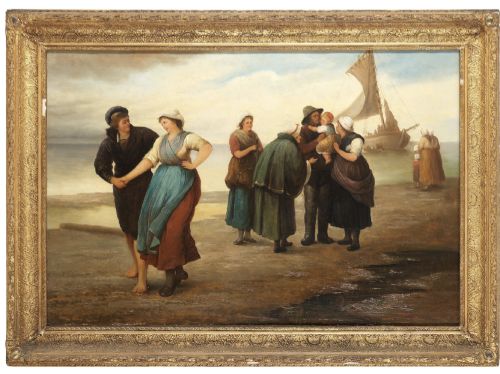
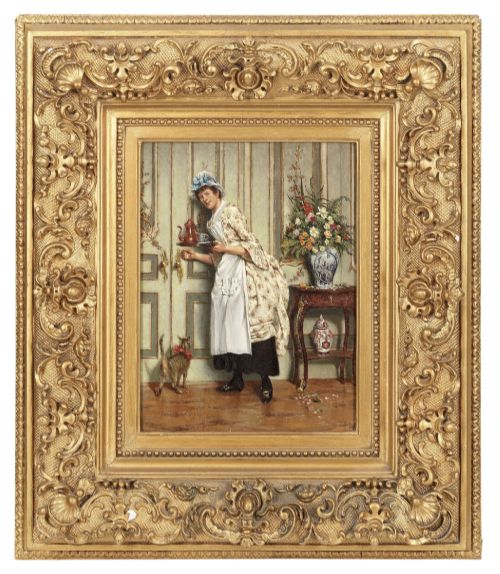
These 19th century genre artwork pieces capture everyday life and domestic moments through oil paint and watercolour.
19th Century Genre Artwork
When you search for 19th century genre artwork, you are looking at paintings and watercolours that depict scenes of everyday human life, domestic interiors, and social history rather than formal portraits or grand landscapes. The pieces on this page span the Victorian era, the 1870s, 1850s, 1880s, 1890s, and into the early twentieth century, reflecting both British and continental European schools.
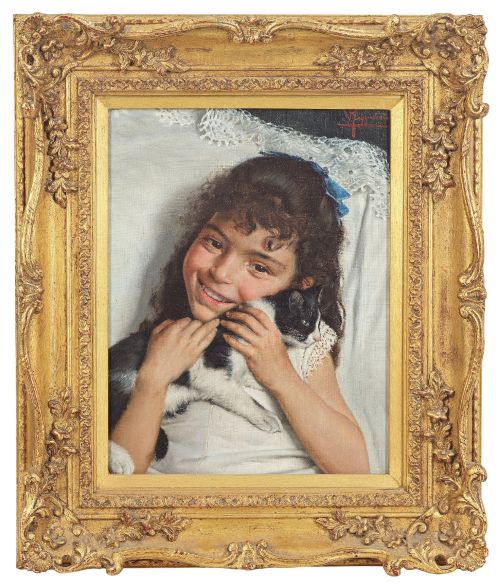
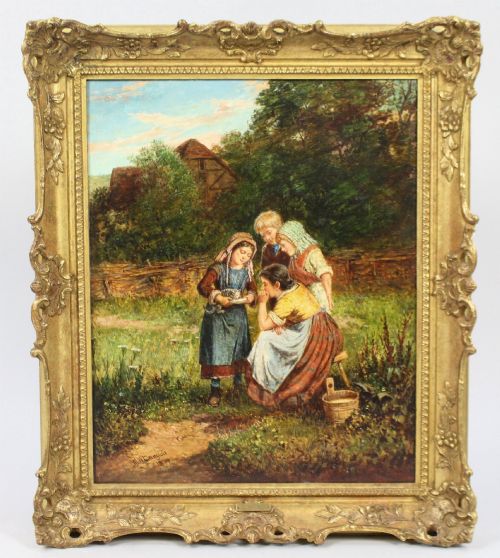
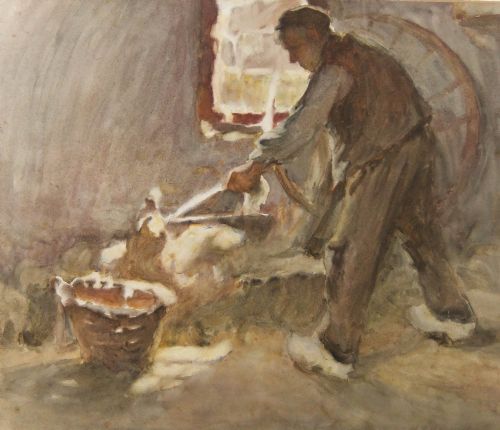
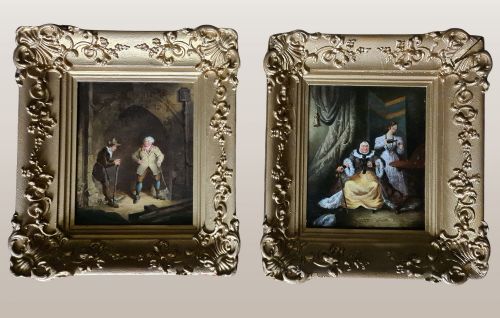
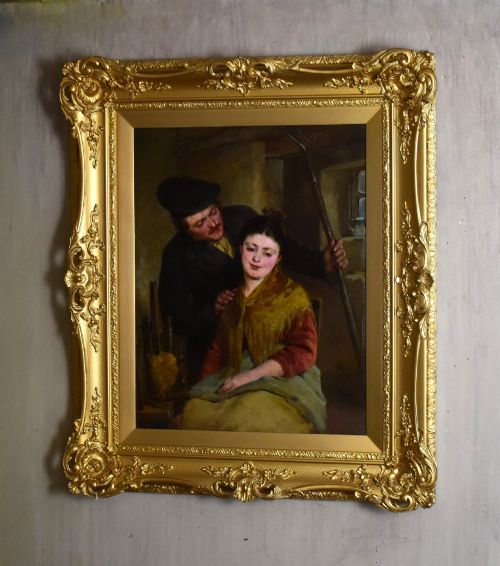
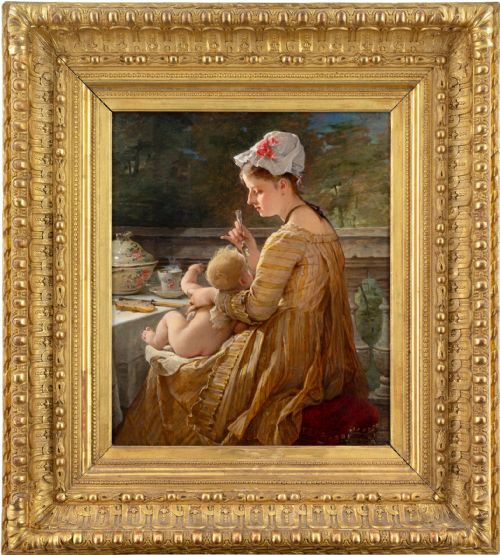
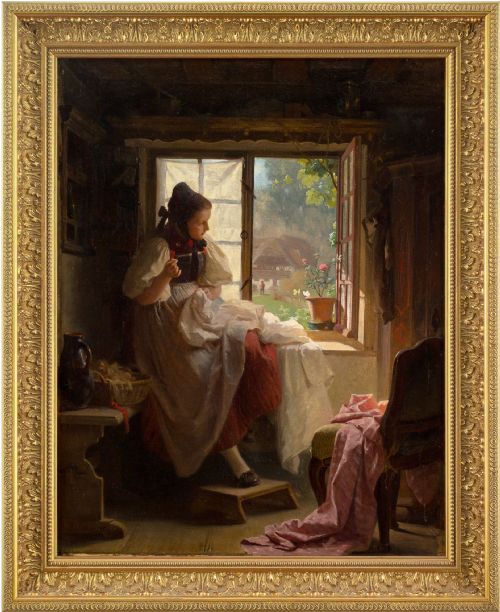
You are most likely to meet framed oil paintings on canvas or works on paper and board, created in styles ranging from academic realism to Victorian genre painting and the French school. The subjects recorded here include figures sewing, children feeding animals, blacksmiths at work, and tavern interiors.
Materials and methods
The works rely primarily on oil paint applied to canvas or board, alongside watercolours on paper, capturing fine details of costume and interior lighting. Canvases are frequently housed within period wooden frames, often ornamented with gesso and finished in gold leaf or giltwood.
Techniques range from tight academic precision to more fluid watercolour washes, executed by artists working within established European traditions. Support materials include paper, prepared canvas, and wooden panels, matched with traditional binders and pigments.
Listings feature periods spanning the Victorian era through the early twentieth century, utilising oil paint, watercolour, canvas, wood, and giltwood.
Distinguishing quality
Quality rests upon the artist's command of draughtsmanship, facial expression, and narrative clarity within the scene. Superior examples demonstrate a careful balance of light and shadow, confident brushwork, and convincing anatomical proportions in human and animal figures alike.
The handling of texture in fabrics, surfaces, and atmospheric interiors separates competent studio production from works by recognised academic painters and salon exhibitors. Original framing in period giltwood also contributes to the integrity of a piece.
Felix Stone Moscheles·Sir James Dromgole Linton·Valentine T. Garland·Henry Stacy Marks·Stephen Samuel Lewin·Vittorio Reggianini·Mark William Langlois·Henry Silkstone Hopwood·Howard Helmick·Adelaïde Salles-Wagner·Max Kaltenmoser·George Augustus Holmes·Joseph H Barnes·Henry Travis·Louis Charles Verwee·James Hamilton·Hendrik Valkenberg·Bernard De Hoog·J. C. Dollman·Carlo Ferranti·Alfred Arthur Brunel de Neuville·Jacob Akkersdijk·Thomas Kent Pelham·Miles Birkett Foster·Charles Henry Slater
The 19th Century Genre Artwork Glossary
- Genre painting
- Depiction of aspects of everyday life by portraying ordinary people engaged in common activities. These scenes often carry narrative or moral undertones.
- Oil on canvas
- Pigment mixed with a drying oil, typically linseed, applied to a stretched woven fabric support. This combination allows for rich colour blending and durability.
- Watercolour
- Paint consisting of colourants suspended in a water-soluble vehicle, usually applied to paper. It yields translucent washes and delicate detail.
- Gesso
- A paint mixture consisting of a neutral binder mixed with chalk, gypsum, or pigment. It prepares rigid surfaces and frames for gilding.
- Giltwood
- Wood carved and subsequently coated with gold leaf or metallic powder. It forms the decorative border of traditional picture frames.
19th Century Genre Artwork: Frequently Asked Questions
What is genre artwork?
Genre artwork represents scenes from everyday life, such as domestic interiors, market stalls, and street activities. These compositions focus on ordinary people rather than historical events or mythological figures.
Artists used these subjects to tell stories, capture contemporary manners, and document the social conditions of their time.
How do I care for oil paintings?
Oil paintings require stable indoor environments away from direct sunlight and rapid temperature fluctuations. Keep the canvas clean by gently dusting the surface with a soft, dry brush.
Avoid using moisture or chemical cleaners on the paint surface. Consult a professional restorer for cleaning or conservation work.
How do I date a 19th century painting?
Dating relies on signatures, artist biographies, exhibition labels, and stylistic markers such as costume and interior decoration. Frame styles can also provide clues, though frames are frequently replaced over time.
Canvas stamps and inscriptions on the reverse of the stretcher or board often reveal manufacturer details and specific dates.
Are watercolours as durable as oils?
Watercolours on paper are sensitive to light and require framing behind glass with acid-free mounts to prevent fading. They demand careful placement away from direct sunlight.
When properly protected and glazed, watercolours maintain their delicate pigments and transparency for generations.