





Antique English Genre Art
Antique english genre art captures everyday domestic and rural scenes that bring nineteenth-century life directly into a modern room.
Antique English Genre Art
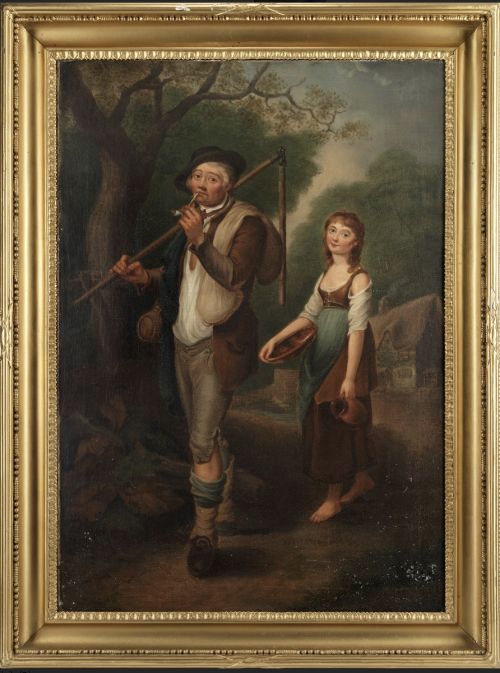
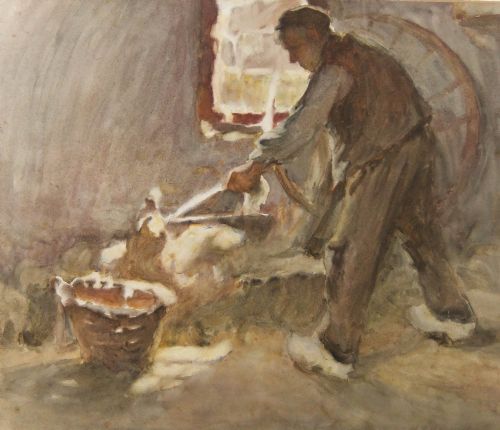
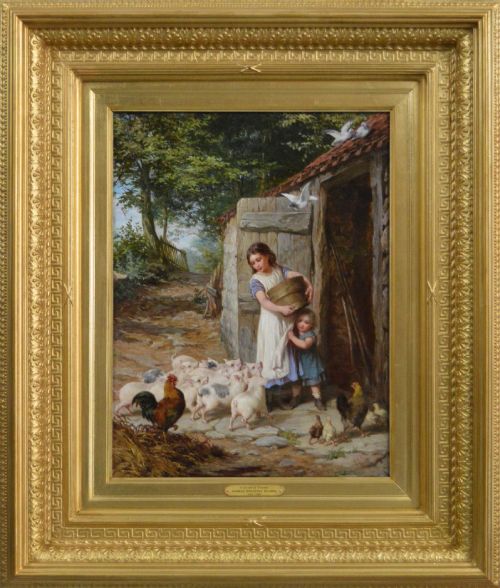
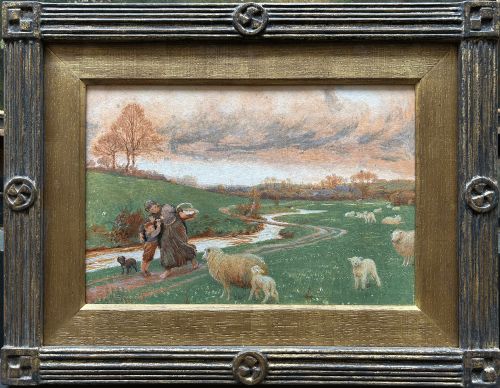
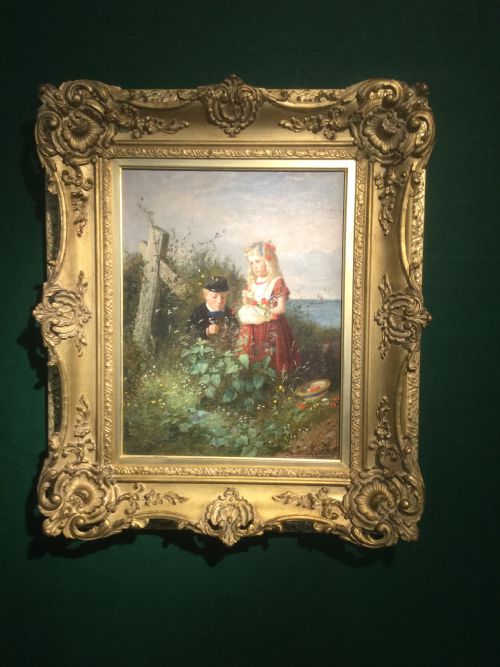
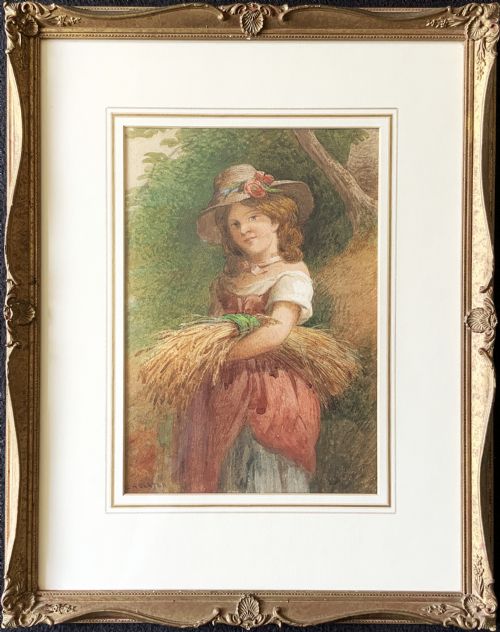
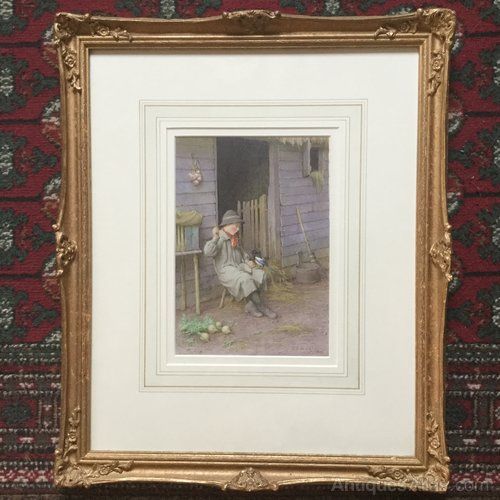
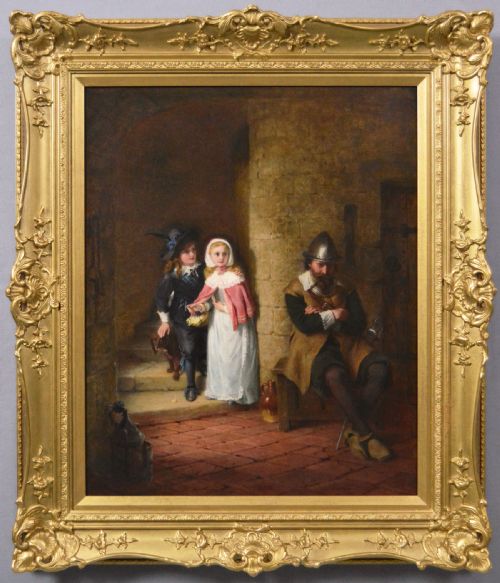
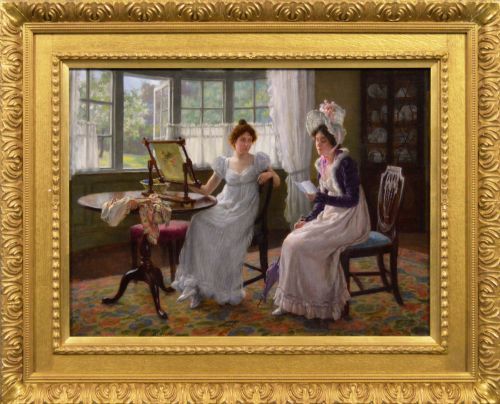
Antique english genre art portrays narrative subjects from domestic interiors, rustic cottages and country farmyards. These works depict everyday human activities like children playing, blacksmiths at work and family gatherings.
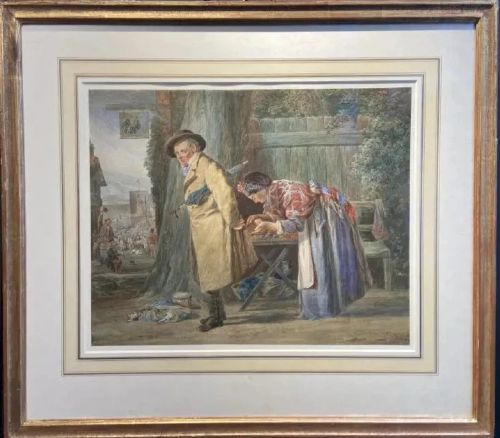
Most examples found here date from the nineteenth century into the early twentieth century. They appear as oil paintings, watercolours, framed prints and stipple engravings.
How they were made
Artists created these works primarily using oil on canvas or board, and watercolour on paper, applying pigments to capture detailed expressions and light. Skilled printmakers also reproduced compositions through mezzotints, lithographs and stipple engravings.
Finished artworks were typically housed in wood frames, frequently enhanced with gold leaf or giltwood to complement the domestic interiors where they hung.
Periods represented stretch from the eighteenth century through the Georgian, Victorian and Edwardian eras.
What varies in quality
Quality rests in the handling of narrative detail, facial expression and the natural arrangement of figures within a scene. Weaker works tend to feel stiff and formulaic, lacking the fluid observation seen in stronger examples.
The sophistication of the medium also defines the tier of a piece. Finely rendered oil paintings with deep tonal contrast sit above simpler prints, though masterly watercolours command equal attention.
Thomas Barker of Bath·Henry Silkstone Hopwood·George Augustus Holmes·Joseph H Barnes·Frederick Walker·Charles Hunt·Miles Birkett Foster·Charles Henry Slater·James Hayllar·Charles Edward Wilson·Robert Sayer·William Arthur Breakspeare·John Arthur Lomax·Charles Haigh Wood·John Sanderson Wells·Henry John Yeend King·James Hardy Junior·William Henry Knight·Arthur Longley Vernon·Helena Maguire·Linnie Watt·Frank Moss Bennett·E Jackson Stodart·Gilbert Scott Wright·John Henry Dell
The Antique English Genre Art Glossary
- Genre painting
- Painting that depicts scenes of everyday life and ordinary people rather than grand historical or mythological subjects. These works offer a window into past social customs and domestic interiors.
- Stipple engraving
- A printmaking technique where images are created by building up patterns of tiny dots rather than continuous lines. This method allows for subtle tonal gradations, particularly in skin and fabric.
- Mezzotint
- A printmaking process of the intaglio family where the plate is roughened to achieve deep darks and smooth tonal transitions. It was widely used for reproducing popular oil paintings.
- Lithograph
- A planographic printing process based on the chemical repulsion of oil and water. Artists drew directly onto stone to produce multiple faithful copies of an original image.
Antique English Genre Art: Frequently Asked Questions
What defines antique english genre art?
These works focus on narrative scenes of daily life, capturing human moments within rural or domestic settings. They record Victorian and Edwardian social life through the eyes of contemporary painters and printmakers.
Subjects range from children playing near ponds to blacksmiths at work and family interactions indoors. The appeal lies in their storytelling and historical documentation of ordinary routines.
How should I hang these pieces at home?
Most works arrive in period giltwood or wood frames that suit traditional and eclectic interiors alike. Pair watercolours and smaller oils together on a wall to create a traditional gallery arrangement.
Keep works out of direct sunlight to protect watercolours and paper prints from fading. Proper framing with archival backing helps preserve the medium over time.
Are watercolours as durable as oils?
Watercolours on paper require more careful protection from light and moisture than robust oil paintings on canvas or board. Both media have survived well from the nineteenth century when properly cared for.
Glazed frames protect watercolours from dust and atmospheric damage. Inspecting the paper for foxing or fading ensures long-term enjoyment of these lighter works.
How do I spot a reproduction print?
Closer inspection under magnification reveals whether a work is a hand-painted watercolour, an original oil, or a mechanical reproduction. Antique prints like stipple engravings or lithographs display distinct dot patterns and plate marks.
Signatures and period labels on the reverse often provide clues to an artist or publisher. Comparing the paper or canvas texture helps confirm the age of the piece.