





Victorian Interior Scene Painting
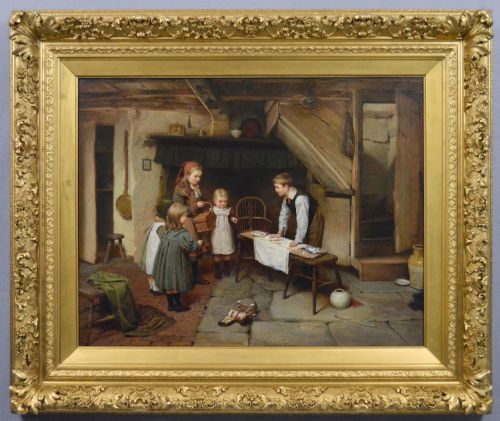
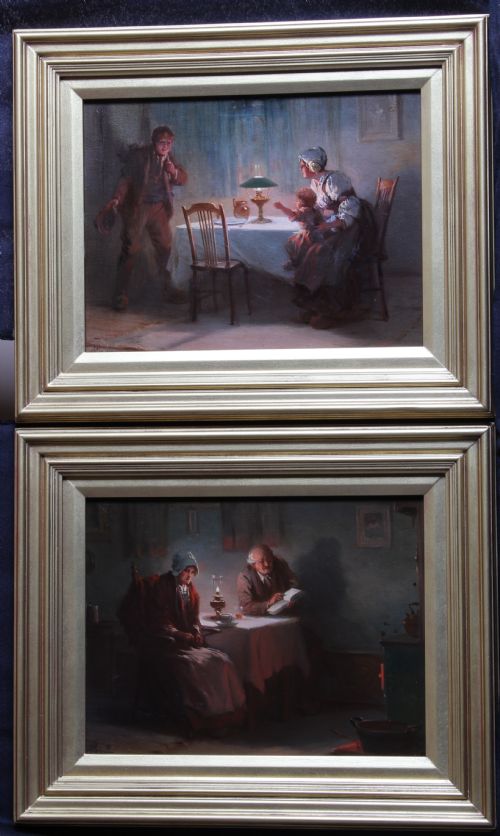
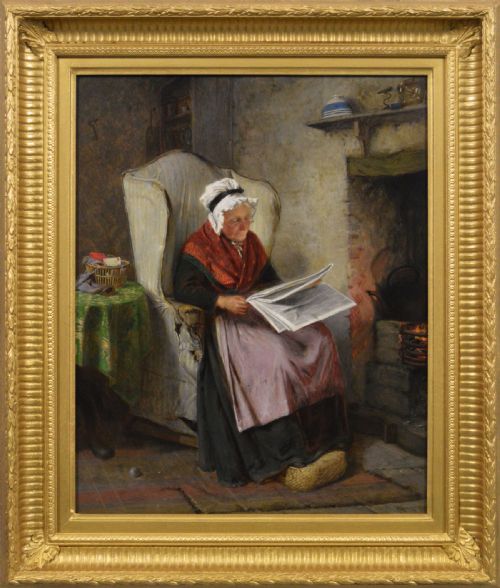
These pieces are a victorian interior scene painting, capturing domestic life, cottage interiors and quiet social moments that collectors prize for their narrative depth and historical charm.
Victorian Interior Scene Painting
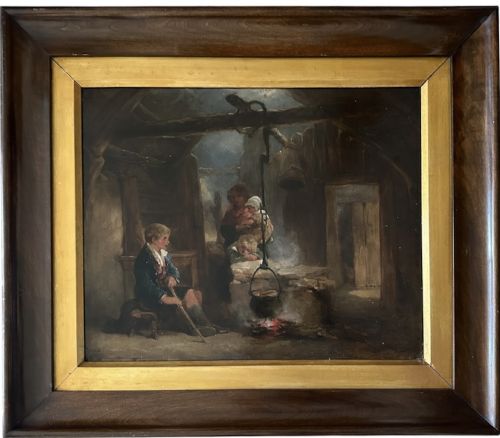
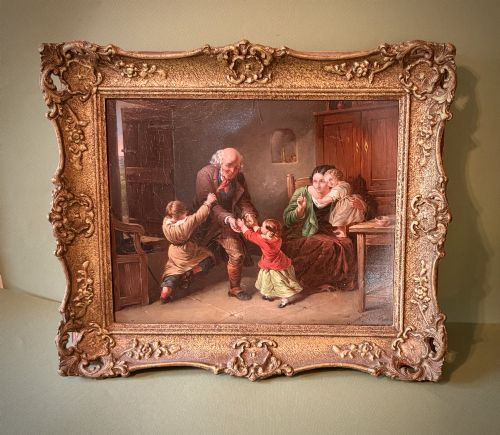
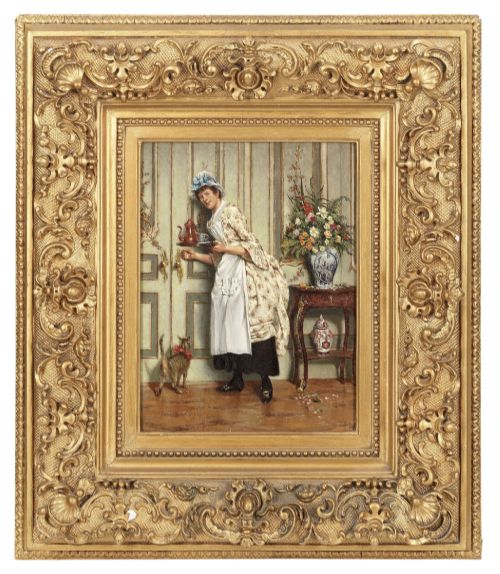
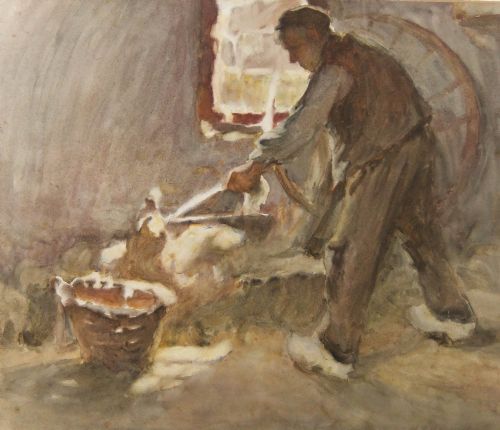
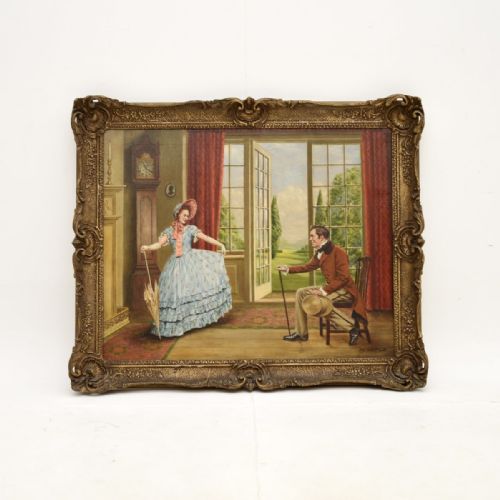
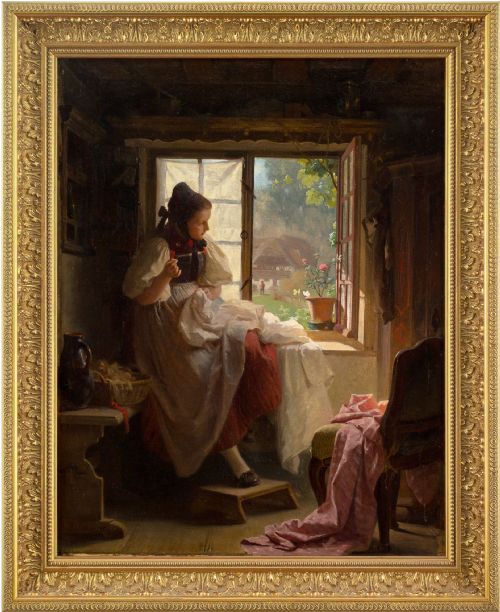
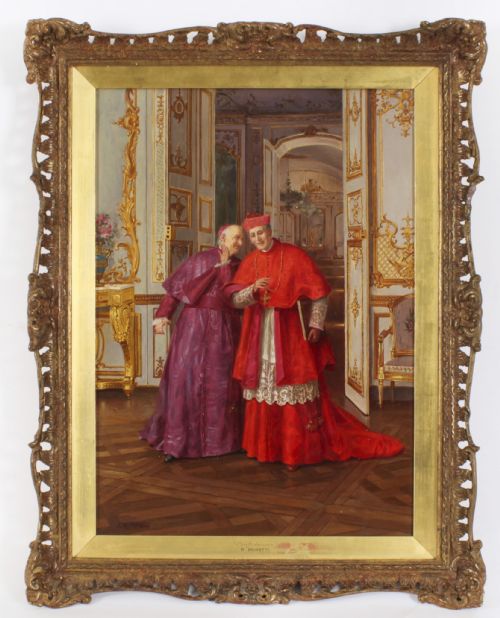
A victorian interior scene painting places the viewer inside domestic spaces, capturing everyday domestic moments from cottage kitchens to stately home drawing rooms. You will frequently encounter cottage scenes featuring women sewing, families taking tea or figures gathered by the fireside.
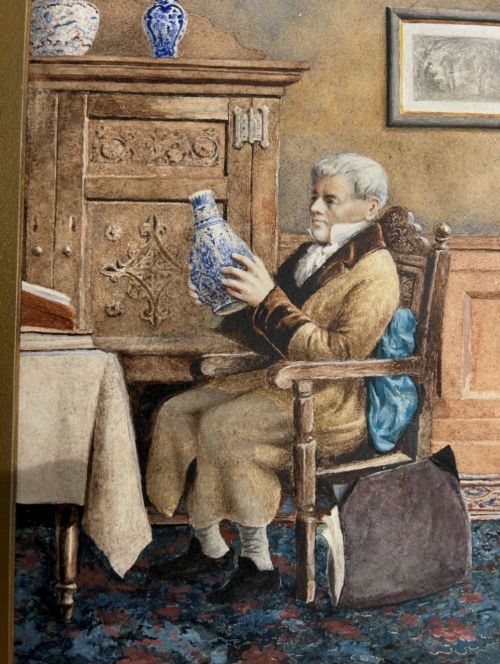
The works span the nineteenth century and into the early twentieth century, taking the form of detailed oil paintings on canvas or panel, alongside accomplished watercolours on paper. Many depict genre subjects, focusing on the intimate narratives of ordinary people or historical figures within domestic settings.
How They Were Made
Artists built these works primarily using oil paint or watercolour applied to canvas, panel, paper or tin, often finishing the presentation with gilt wood frames and gesso mouldings and gold leaf. The technique relies on careful draftsmanship and layered pigments to capture interior light filtering through windows or glowing from hearth fires.
The application ranges from tightly controlled academic realism to looser impressionistic brushwork, depending on whether the artist worked in a studio or painted en plein air. Support boards and canvases were frequently prepared with gesso grounds to receive the rich oil pigments.
Listings feature works from the nineteenth century through to nineteen sixty, utilising oil paint, watercolour, canvas, wood, tin and gold leaf.
What Varies in Quality
Quality rests heavily on the artist's ability to handle narrative expression and human anatomy within a confined interior space, distinguishing master hands from standard studio production. Figures that convey genuine psychological engagement or lively interaction elevate a composition far above rigid or static portraiture.
The handling of light and texture marks the upper tier of these works, seen in the convincing depiction of fabrics, polished wood surfaces and flickering firelight. Original frames bearing period gesso and gold leaf also contribute significantly to the integrity of the piece.
Henry Stacy Marks·Stephen Samuel Lewin·Henry Silkstone Hopwood·Alfred Lyndon Grace·Max Kaltenmoser·Renato Moretti·James Hayllar·Harry Brooker·George Kilburne·Alexander Rosell·John Arthur Lomax·Haynes King·James Kyd·Robert Alexander Hillingford·George Smith·Edwin Hughes·William Henry Knight·Edwin Frederic Holt·Théophile Emmanuel Duverger·Henry Spernon Tozer·Pauline Delacroix Garnier·Alfred Provis·Henry Collins·Thomas Gist·Jonathan Pratt
The Victorian Interior Scene Painting Glossary
- Genre Painting
- Depictions of everyday life and ordinary people engaged in common activities. This style forms the backbone of domestic interior art from the period.
- Oil on Canvas
- Pigments bound in a drying oil applied to a woven fabric stretched across a wooden frame. This method allowed artists to achieve deep tones and subtle blending in interior lighting.
- Gesso
- A paint mixture consisting of a neutral binder mixed with chalk, gypsum or pigment. It served as a smooth preparation base for wooden panels and frames before gilding.
- Watercolour
- Paint consisting of colour pigments suspended in a water-soluble vehicle. It was frequently utilised on paper for lighter, more translucent interior studies.
Victorian Interior Scene Painting: Frequently Asked Questions
What subjects appear in these paintings?
These works typically depict domestic activities such as spinning wool, taking tea, sewing by a window or resting by a cottage fireplace. Artists also captured social interactions, family gatherings and quiet moments of solitude within period rooms.
Many compositions focus on rural cottage life or historical interior settings featuring figures in period costume. The emphasis remains firmly on storytelling and human character within a defined domestic space.
How do I hang a watercolour safely?
Watercolours require careful placement away from direct sunlight to prevent the pigments and paper from fading over time. UV-filtering glass provides essential protection for works executed on paper.
Keep these pieces away from damp exterior walls and fluctuating heat sources like radiators. Stable indoor humidity preserves both the paper support and the gilt frame.
Are these paintings signed by the artist?
Many examples bear the artist's signature or monogram, often located discreetly in a lower corner of the canvas or paper. Some pieces also retain historical exhibition labels or inscriptions on the reverse.
Unsigned works frequently emerge from established English or continental schools of the period. Stylistic comparison and framing often help attribute these anonymous pieces to specific workshops.