
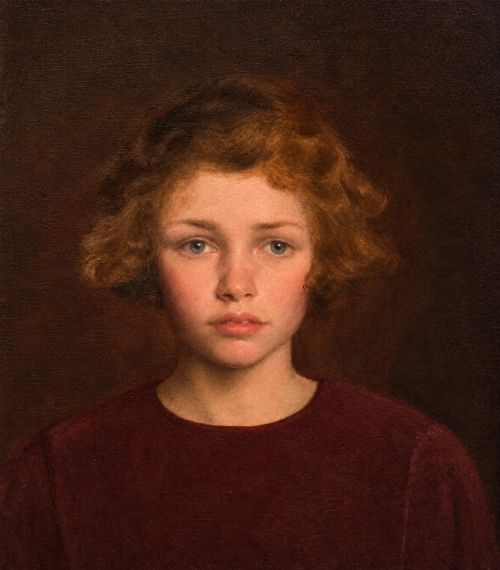
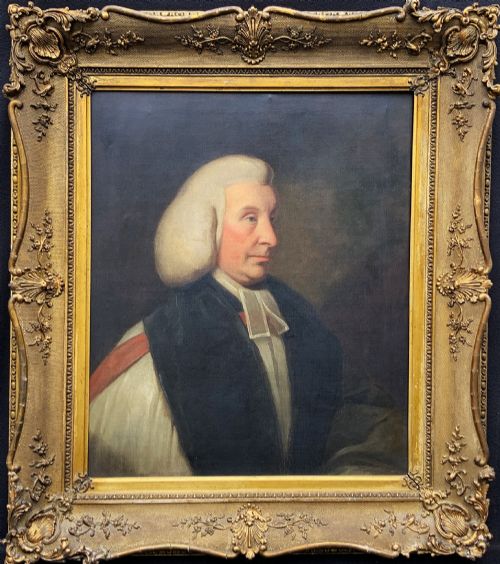
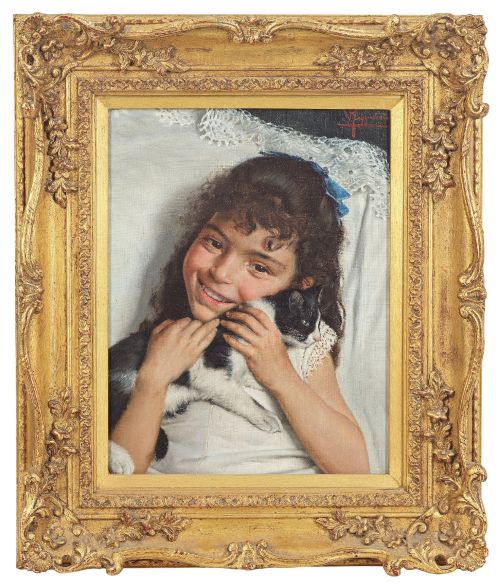
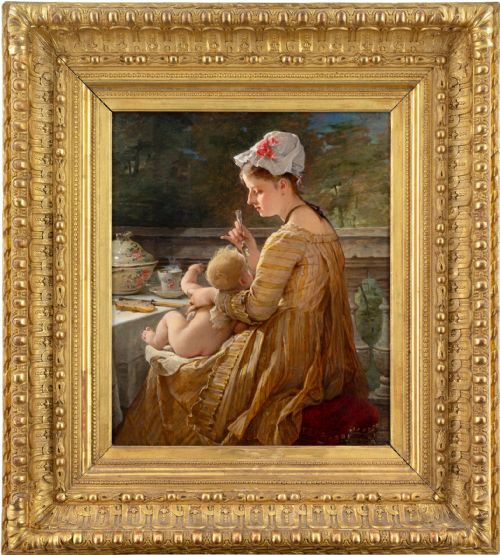
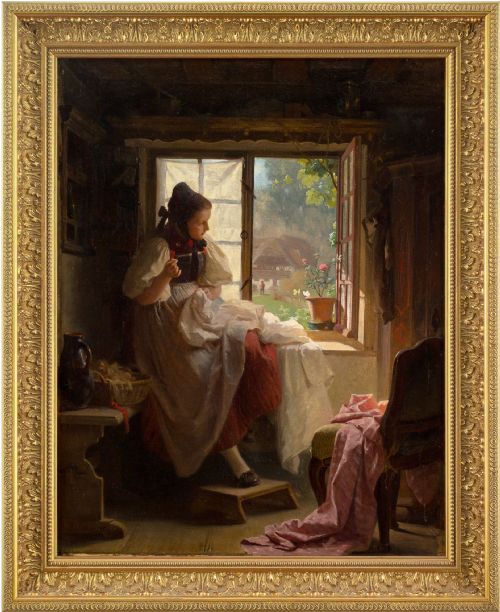
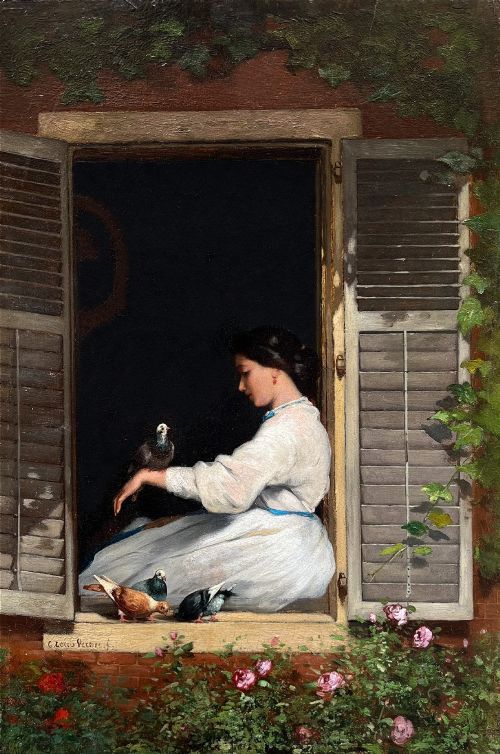
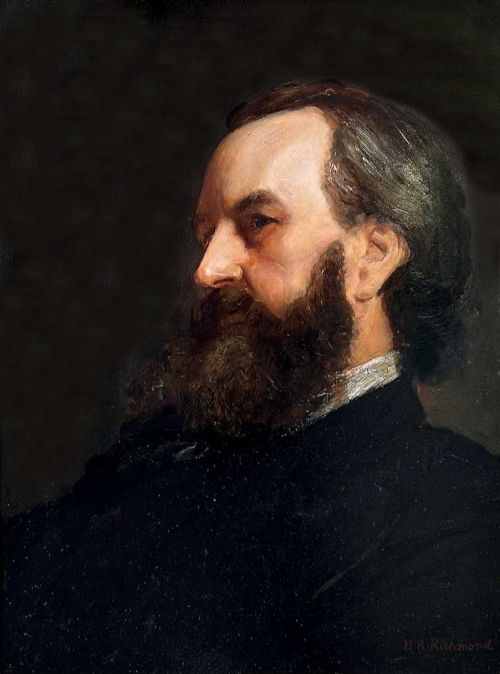
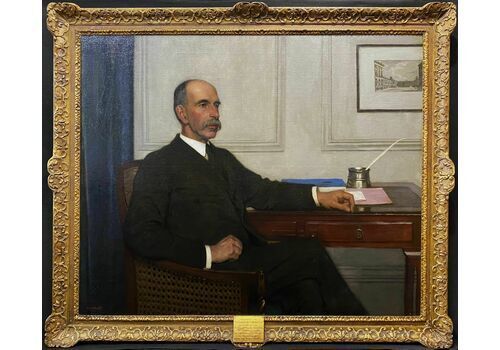
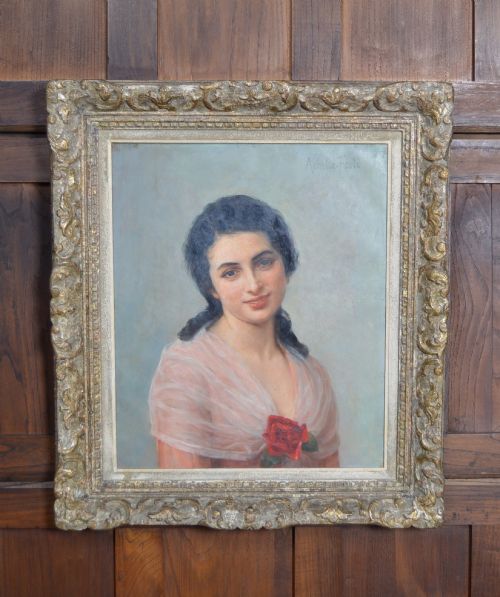
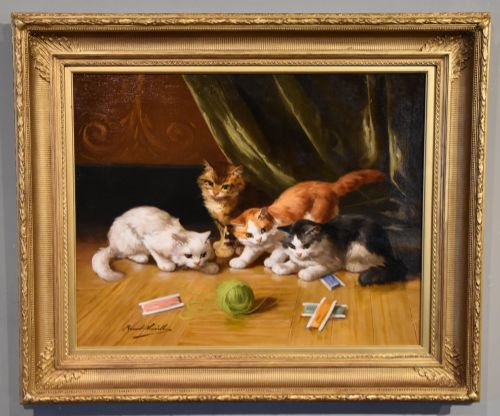
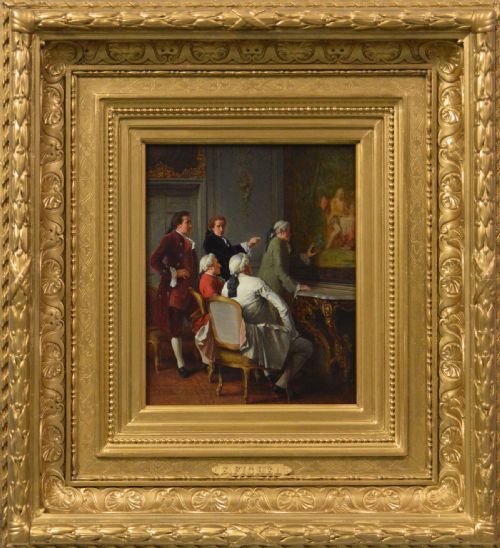
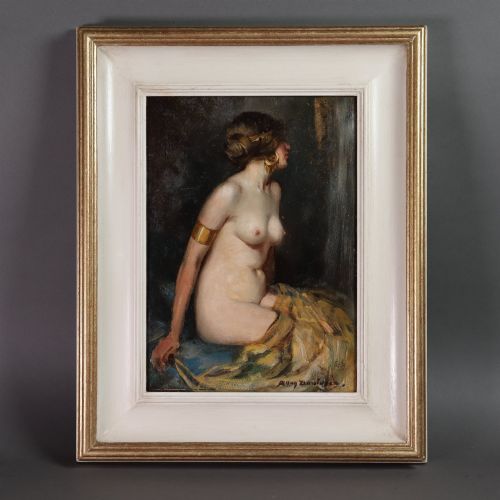
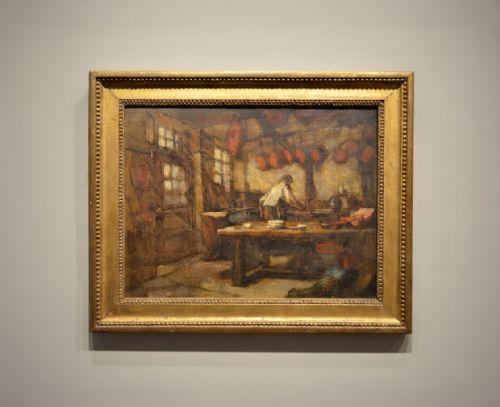


Original Academic Oil Painting
An original academic oil painting carries the trained brushwork and structured composition of rigorous nineteenth-century studio practice.
Original Academic Oil Painting
An original academic oil painting represents formal studio training and structured composition from the eighteenth, nineteenth, and early twentieth centuries. Buyers seeking an original academic oil painting encounter portraits, genre scenes, and still lifes spanning Georgian, Victorian, Edwardian, and later periods.
The works follow historical styles such as Academic Realism and nineteenth-century French and British traditions. Subjects range from individual sitters and historical narratives to intimate domestic moments.
Most examples originate from named European artists working on canvas or board. These paintings reflect traditional studio methods passed down through official academies.
How they were made
Painters applied oil paint to stretched canvas or wooden boards, often supported by wooden frames with gesso and giltwood ornamentation. The technique prioritised careful tonal modelling, accurate drawing, and layered pigments to achieve depth and realistic textures.
Artists built compositions through preliminary studies and oil sketches before final execution on canvas. Framing relied on traditional joinery and carved gesso applied to wood.
Materials recorded across the inventory include oil paint, canvas, gesso, giltwood, and wood panels.
What varies in quality
Quality rests in the precision of draughtsmanship, the handling of light and shadow, and the psychological depth of the subject. Masterful brushwork distinguishes works executed by formally trained academicians from routine studio output.
The preservation of the pigment layer and the originality of the associated giltwood frame influence the overall integrity of the piece. Stronger examples maintain the artist's intended tonal balance without heavy intervention.
Vittorio Reggianini·Adelaïde Salles-Wagner·Max Kaltenmoser·Louis Charles Verwee·William Blake Richmond·Harold Knight·Achille-Fould·Alfred Arthur Brunel de Neuville·Benjamin Eugene Fichel·Allan Douglas Davidson·Thomas Couture·Fernand Jean Barbier·Sir George Reid·George Hayter·Federico Andreotti·Arthur Spooner·Edmund Alphonse Andre·James Bertrand·Geza Vastagh·Jules Girardet·Alfred Seifert·Pierre-Louis Bouchard·Frank Thomas Copnall·William Dring·Adrian Bury
The Original Academic Oil Painting Glossary
- Oil on canvas
- Pigment bound in a drying oil, typically linseed, applied to a woven fabric support. This combination allows for rich blending and varied surface textures.
- Giltwood
- Wood carved and covered with a thin layer of gold leaf or metal powder. It provides a reflective border historically chosen to complement formal paintings.
- Gesso
- A paint mixture consisting of a neutral binder mixed with chalk, gypsum, or pigment. It creates a smooth preparatory surface for wood panels or frames.
- Genre painting
- The pictorial representation of scenes from everyday life. These works depict ordinary people engaged in common activities or domestic narratives.
- Academic Realism
- A style resulting from the standards of European art academies. It combines precise observation with idealised composition and rigorous technical skill.
Original Academic Oil Painting: Frequently Asked Questions
What defines an academic oil painting?
An academic oil painting follows the rigorous technical standards and structured training promoted by historical European art academies. These works emphasise precise draughtsmanship, careful tonal modelling, and formal composition.
Subjects typically include formal portraits, historical narratives, and detailed genre scenes executed on canvas or board. The style reflects strict adherence to traditional studio methods.
How should I hang an oil painting?
Hang oil paintings away from direct sunlight and fluctuating heat sources to protect the canvas and pigments. Secure the piece using appropriate wall fixings that match the weight of the canvas and its frame.
Ensure the wall is structurally sound and keep the painting at a comfortable eye level. Stable indoor humidity prevents the wooden stretcher and canvas from warping.
How do I identify the period?
Dating relies on the painting's style, costume details, stretcher construction, and framing materials. Signatures, inscriptions, and artist records offer further chronological markers.
Examining the canvas preparation and backing materials reveals manufacturing techniques characteristic of specific centuries. Comparative study of known works by the same school helps narrow the date.
Can I clean the canvas?
Surface dust can be removed gently with a soft, dry artist's brush. Avoid using water, household cleaners, or solvents on the paint layer.
Professional conservators should handle deeper cleaning or varnish removal to prevent damaging the original pigments. Regular light dusting is generally sufficient for maintenance.