


European Fine Art Painting
When you search for european fine art painting, you enter a world of canvas works spanning centuries of continental craft.
European Fine Art Painting
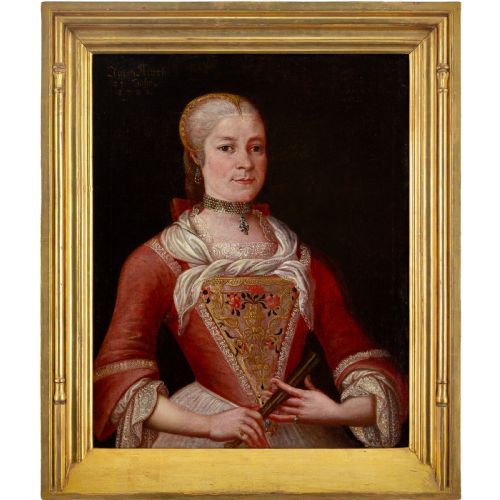
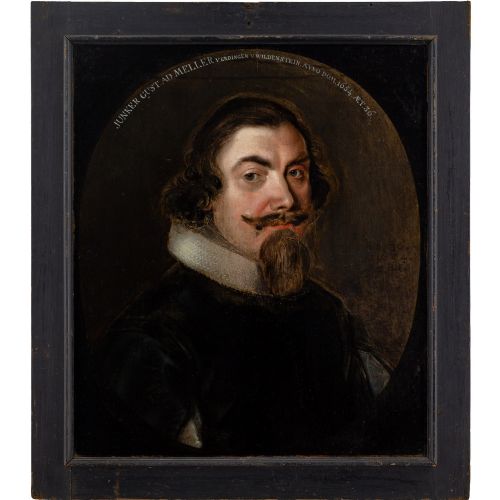
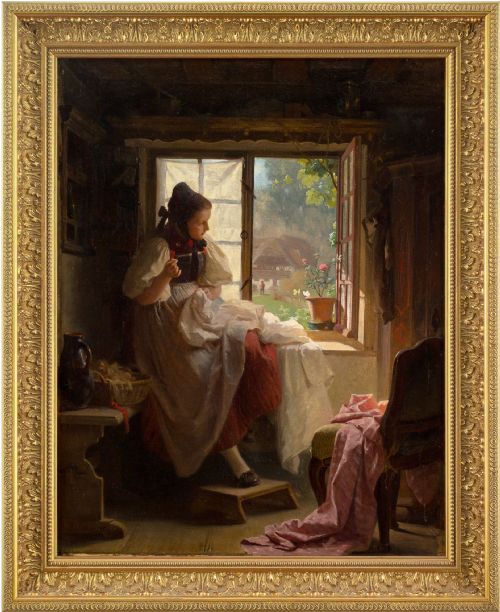
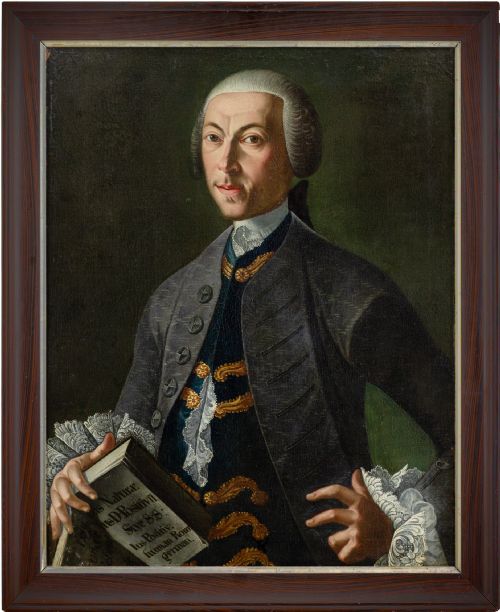
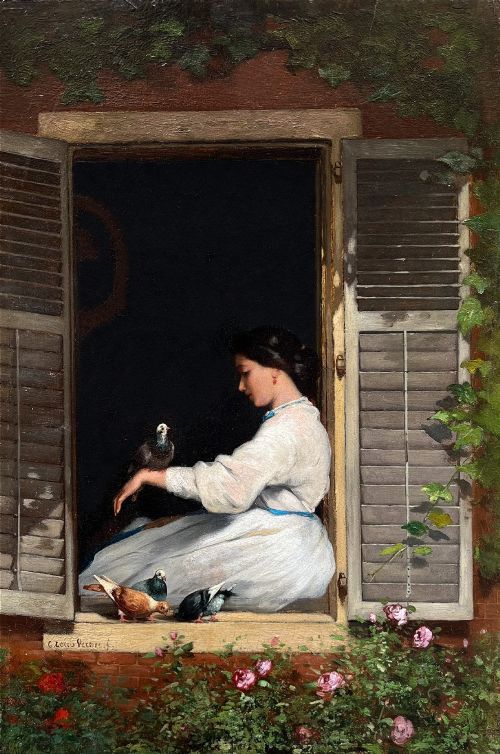
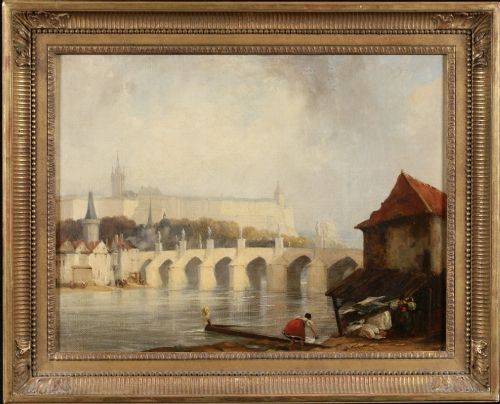
A european fine art painting brings centuries of continental heritage into a room, capturing landscapes, portraits and village scenes. When browsing this selection, you will frequently encounter works originating from Dutch, German, Flemish and French schools spanning multiple eras. These oils record historical figures, quiet domestic moments and sweeping vistas with remarkable depth.
The assortment on this page draws heavily from the seventeenth, eighteenth and nineteenth centuries, alongside early twentieth-century avant-garde pieces. Portraits of nobility sit alongside genre scenes of everyday life and atmospheric natural landscapes. Each canvas serves as a window into the artistic traditions of its specific regional school and period.
How they were made
Makers built these works using oil paint applied to woven canvas or solid wood panels, often supported by wooden stretcher frames. Artists layered pigments to achieve rich tones, subtle light effects and enduring texture across the surface of the work. Many surviving examples retain their original or period-appropriate giltwood and gesso frames, which complement the depth of the pigments within.
Techniques evolved from the meticulous realism of earlier northern European schools towards the looser brushwork of later impressionist and post-impressionist movements. Painters balanced tone and line directly on the support, utilising linseed binders and natural resins to preserve the vibrancy of the colours over centuries. The interaction between brushstroke and ground defines the physical reality of each piece.
Listings feature works executed in oil on canvas and wood across the seventeenth, eighteenth, nineteenth and twentieth centuries.
What varies in quality
Quality in these works rests upon the confidence of the handling and the expressiveness of the composition rather than sheer age alone. A master painter commands light, shadow and perspective to draw the viewer directly into the scene, whether rendering a portrait subject or a winter landscape. The vitality of the brushwork and the preservation of the original pigment layers dictate the overall distinction of the piece.
The harmony between the canvas and its period frame also influences the integrity of the object. Works that retain their original integration without heavy overpainting demonstrate superior historical survival. Subtle details in facial expressions, fabric folds or natural foliage reveal the true hand of a skilled continental master.
Max Kaltenmoser·Louis Charles Verwee·Victor Simonin·Frans Gailliard·Jules Rambo·Mercedes Legrand·Frederick Tully Lott·Hendricus Joseph Dillens·Jan Evert Morel·Jean Hippolyte Marchand·Franz Reder-Broili·Karel Frans Philippeau·Louis Smets·Wilhelm Alexander Meyerheim·Letitia Marion Hamilton
The European Fine Art Painting Glossary
- Giltwood
- Wood carved and coated with gold leaf or a gold-coloured finish. This material formed the traditional opulent frames surrounding classical European canvases.
- Gesso
- A plaster-like mixture applied to wood or canvas as a base for painting or gilding. It provides a smooth, stable ground for the application of oil media.
- Genre painting
- The pictorial representation of scenes from everyday life. These works depict ordinary people engaged in common activities rather than grand historical subjects.
- Impressionism
- A nineteenth-century art movement characterised by relatively small, thin, yet visible brush strokes. The focus rests on accurate depiction of light and its shifting qualities.
- School
- A group of artists associated with a particular place, period or stylistic tradition. Regional designations help identify the geographic origin and heritage of unsigned works.
European Fine Art Painting: Frequently Asked Questions
How do I care for an antique oil painting?
Keep the canvas away from direct sunlight, high humidity and sudden temperature fluctuations to prevent cracking in the paint layer. Dust the surface very gently with a soft, dry brush without applying pressure.
Avoid using any liquid cleaners, water or chemical solvents on the paint or the frame. Professional conservation should be sought if the canvas requires cleaning or structural repair.
What is the difference between canvas and wood panel supports?
Canvas panels consist of woven fabric stretched tightly over a wooden frame, offering slight flexibility and a textured surface for brushstrokes. Wood panels provide a rigid, solid foundation that painters favoured for fine detail work during earlier centuries.
Both supports require stable environmental conditions to prevent warping of the wood or slackening of the fabric. The choice of support often reflects the regional tradition and period of the maker.
How can I tell which regional school a painting belongs to?
Regional schools are identified through characteristic colour palettes, subject matter, handling of light and costume details depicted in the artwork. Dutch and Flemish works often feature specific landscape lighting or domestic interior arrangements, while German and Austrian pieces display distinct portrait traditions.
Examining the stretcher frames, old inscriptions, gallery labels or stamps on the reverse of the canvas can also reveal clues about geographic origin.
How were these paintings displayed in period homes?
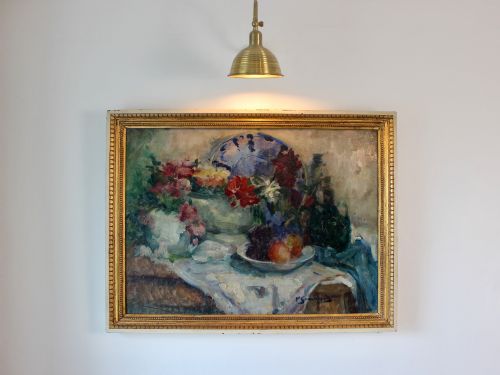
Historical European artworks were hung prominently in reception rooms, libraries and galleries, often secured within heavy, ornate giltwood frames designed to project status. They were lit by natural daylight from tall windows or by candlelight and oil lamps in the evening.
Collectors matched the scale of the painting to the proportions of the wall panel architecture. Today, these works continue to anchor interior schemes when paired with appropriate lighting.