




German Fine Art Painting
German fine art painting brings together centuries of portraiture, landscapes and townscapes executed in oil on canvas and porcelain.
German Fine Art Painting
German fine art painting spans several centuries, ranging from seventeenth-century portraits to nineteenth-century rural landscapes and townscapes. Buyers examining this page will find works executed in oil on canvas alongside porcelain plaques.
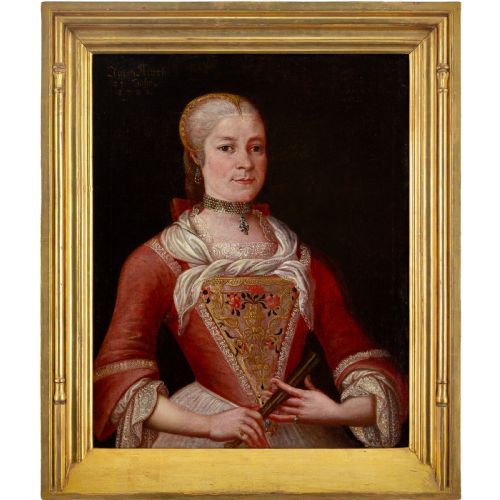
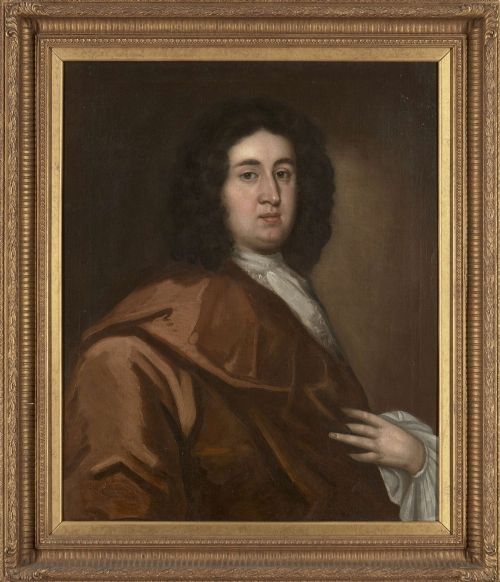
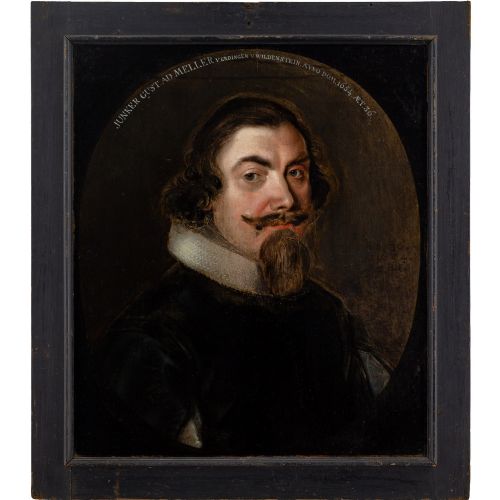
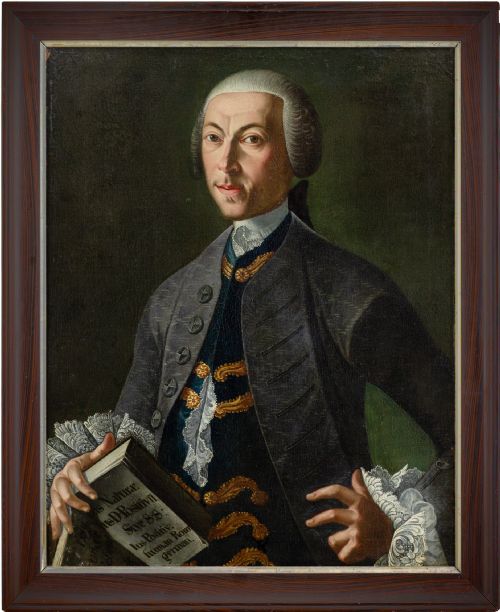
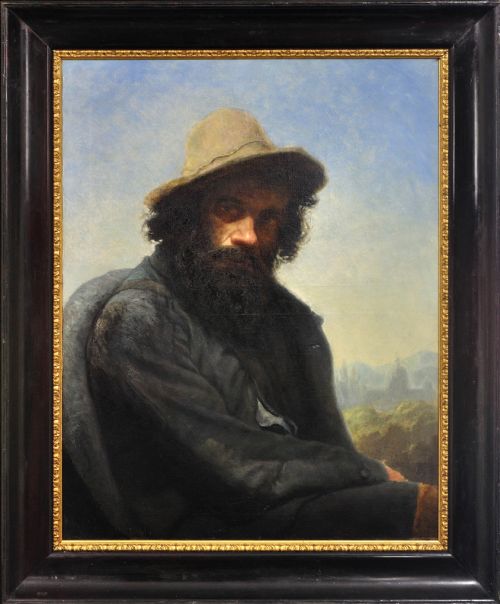
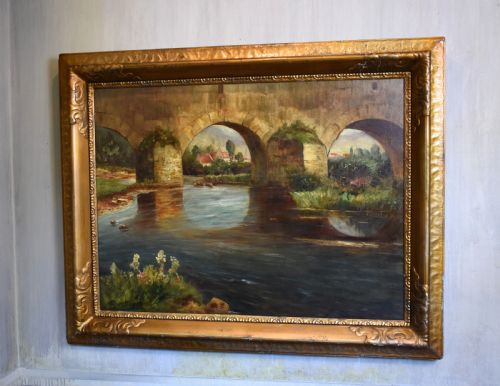
The selections include seventeenth-century school portraits and works from nineteenth-century realism, romanticism and Biedermeier styles. Portraits of gentlemen, ladies, merchants and children appear frequently alongside pastoral scenes and frozen river townscapes.
Regional works such as Bavarian school pieces and Bavarian Gothic castle depictions offer specific historical contexts. These paintings range in date from the mid-seventeenth century through to the mid-twentieth century.
Materials and technique
Artists painted primarily using oil paint applied to canvas, wood panels or porcelain plaques. Canvases and wooden supports form the core of the pictorial works seen in these listings.
Frames play a structural and aesthetic role, frequently utilising giltwood, gold leaf and carved wood. These ornate surrounds complement the oil paintings and support the preservation of the works.
Several paintings record cows resting, geese waddling and gentlemen holding ornate ivory staffs.
Quality and execution
The standard of a painting depends upon the precision of the brushwork, the depth of character captured in portrait subjects, and the atmospheric rendering of landscapes and townscapes. Skill in handling light, shadow and perspective distinguishes proficient student or school pieces from master works.
Max Kaltenmoser·Albin Mattenheimer·Heinrich Harder·Bernd Funke·Karl Herrle·Franz Reder-Broili·Ludwig Hermann·Joseph Emmanuel Weiser·Arthur Heinrich Wilhelm Fitger
The German Fine Art Painting Glossary
- Oil on canvas
- A painting technique where pigments suspended in drying oils are applied to a woven fabric stretched across a wooden frame. This method allows for subtle blending of colours and rich surface textures.
- Baroque
- An artistic style originating in the seventeenth century characterised by drama, deep shadow and rich detail. Works from this period often display theatrical lighting and intense emotional expression.
- Biedermeier
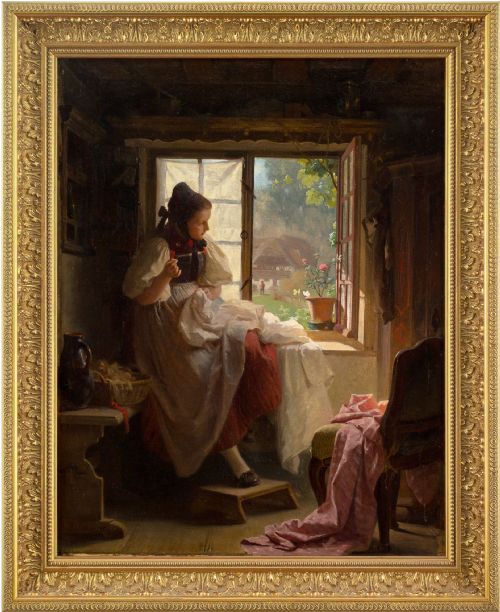
- A style from the nineteenth century focusing on domestic scenes, realism and middle-class life. These paintings emphasise comfort, clarity and unpretentious subject matter.
- Giltwood frame
- Wood carved and coated with gold leaf or metallic paint to create a decorative border. Such frames enhance the visual weight and presentation of oil paintings.
- Porcelain plaque
- A flat ceramic tablet fired and painted with enamel colours, often mounted within a frame. This medium provides a smooth, luminous surface for detailed portraiture.
German Fine Art Painting: Frequently Asked Questions
What subjects appear in these paintings?
The works feature individual portraits, family groups, merchants and rulers alongside rural landscapes, cattle scenes and winter townscapes. Genre scenes depicting daily life also form part of the selection.
Subjects range from seventeenth-century nobility to nineteenth-century pastoral views and architectural landmarks such as Bavarian castles.
How are these artworks framed?
Many paintings retain period surrounds constructed from giltwood or carved wood featuring gold leaf application. These frames were designed to complement the aesthetic of the artwork.
Original frames provide context and help secure the canvas or panel, though condition varies across different pieces.
What periods do the paintings cover?
The inventory encompasses works from the seventeenth, eighteenth, nineteenth and twentieth centuries. Examples include seventeenth-century school portraits and mid-nineteenth-century romantic and realist pieces.
Dates span from the 1660s through to mid-twentieth-century canvases signed by listed artists.
What materials are used besides canvas?
While oil on canvas is predominant, artists also utilised wood panels and specialised supports. Porcelain plaques appear for miniature or delicate portraiture.
Frames incorporate carved wood, gesso and gold leaf to house and protect the painted surfaces.
Are these paintings signed by artists?
Several works carry signatures, dates or attributions to specific painters and regional schools. Signed canvases and attributed pieces provide clear links to known European artists and workshops.
School attributions denote works created in the manner or workshop of a particular geographic tradition.