




19th Century French Looking Glass
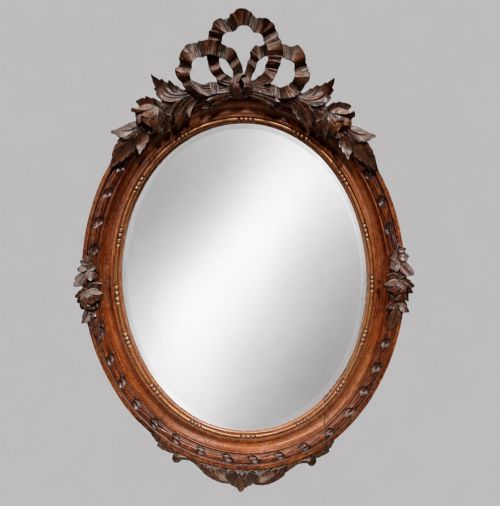
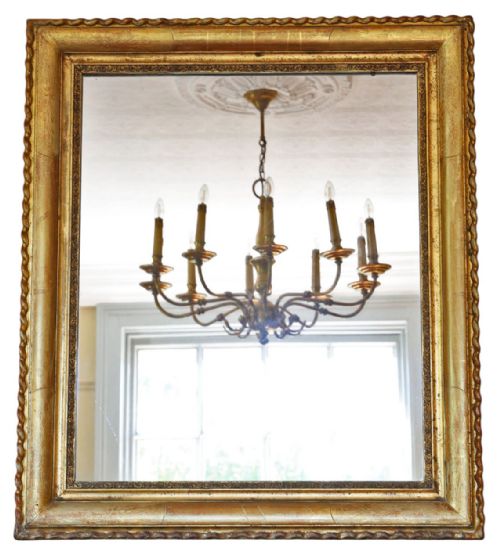
A 19th century french looking glass brings nineteenth-century craftsmanship into a modern interior through gilded surfaces and carved wooden frames.
19th Century French Looking Glass
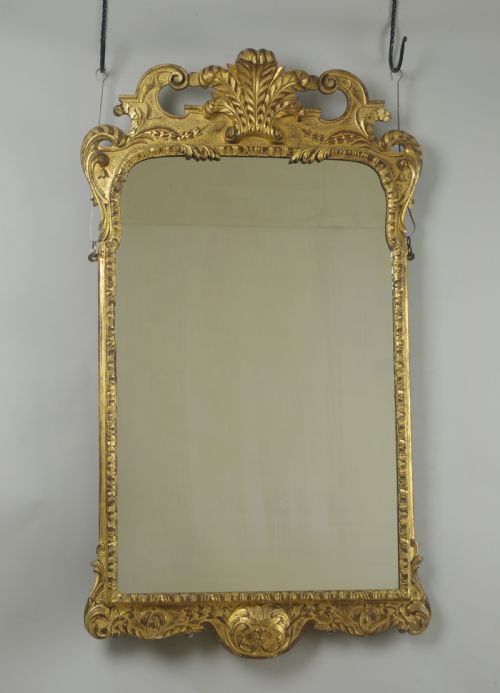
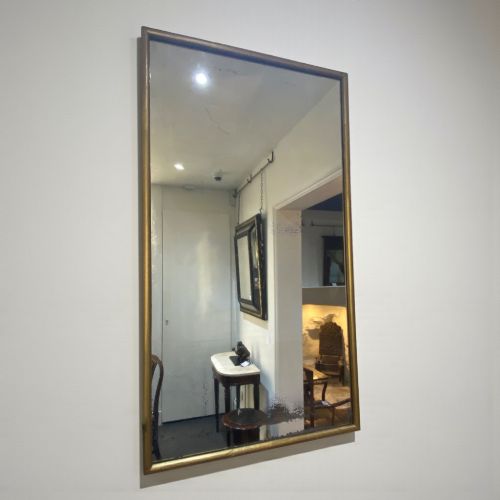
A 19th century french looking glass is typically encountered as a wall mirror, overmantle mirror, or oval wall mirror dating from the nineteenth century. These pieces reflect diverse stylistic movements including Rococo Revival, French Chateau, Neoclassical, and Louis Philippe.
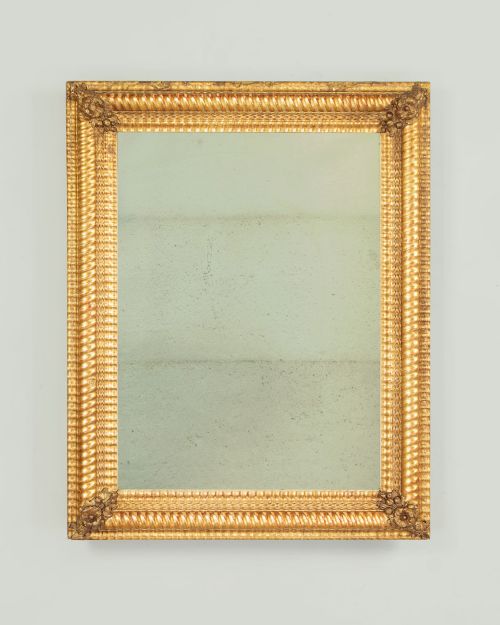
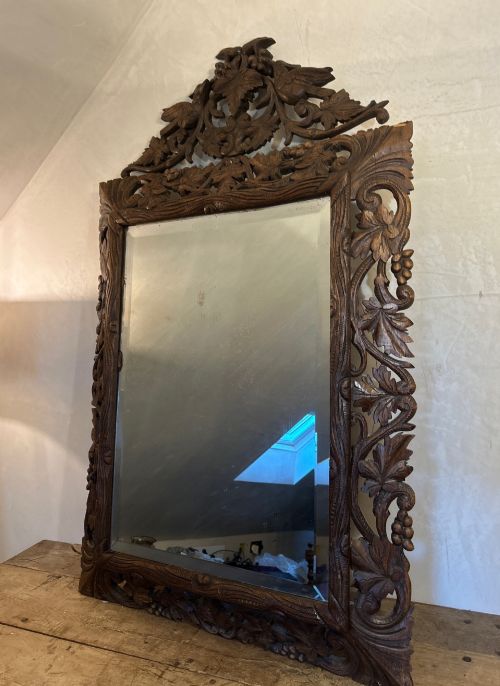
The selection on this page demonstrates that these items frequently utilise carved wood, gesso, and giltwood finishes. Surviving examples range from painted wooden frames to ornate gold frames with shaped tops and original mirror plates.
Materials and Construction Techniques
Makers of the period relied on substantial timber carcases, utilising oak, walnut, and general wood substrates to build the structural frame. Carved wood details were built up using gesso, a plaster-like mixture applied to the wooden base to receive intricate ornamental moulding.
Giltwood finishes were achieved by applying thin sheets of gold leaf over prepared gesso surfaces, whilst other examples received plain or decorative paint layers. Sand-moulded gesso techniques occasionally provided textured borders within the gilt frame design.
Several mirrors retain their original glass plates, offering centuries of accumulated reflections.
Factors Defining Quality
The standard of a 19th century french looking glass rests heavily on the depth and crispness of the wood carving. Finely carved foliage, scrolls, and symmetrical motifs separate standard production pieces from master-carved examples.
The preservation of the original surface finish, whether giltwood or painted, dictates the visual integrity of the mirror. Intact gilding with natural ageing demonstrates superior historical survival compared to heavily restored or modernly repainted surfaces.
The 19th Century French Looking Glass Glossary
- Giltwood
- Wood that has been coated with thin gold leaf or gold paint. This finish creates a reflective, luminous surface characteristic of formal period mirrors.
- Gesso
- A mixture of binder and chalk applied to wooden frames to create a smooth surface for gilding or painting. It allows craftsmen to carve intricate relief decoration.
- Overmantle
- A large mirror designed to hang specifically above a fireplace mantelpiece. These pieces often feature extended horizontal proportions to fit the architectural space.
- Rococo Revival
- A nineteenth-century design style drawing on asymmetrical C-scrolls, shell motifs, and naturalistic curves. This style heavily influenced ornate French mirror frames.
19th Century French Looking Glass: Frequently Asked Questions
How do I date a French mirror?
Dating relies on examining the construction methods of the wooden frame, the composition of the gesso, and the style of the carving. Period-specific motifs such as Louis Philippe lines or Rococo Revival scrolls offer clear chronological indicators.
Secondary clues include the backing boards, fixings, and the oxidation patterns present within the original mirror glass plate itself.
Where should I hang an overmantle mirror?
An overmantle mirror is traditionally positioned directly above a fireplace opening to reflect light and anchor the room's central focal point. Its large scale commands attention within principal reception rooms.
Ensure the wall fixings are secured adequately into masonry or studs to support the substantial combined weight of the wood, gesso, and glass.
What is the difference between giltwood and painted finishes?
Giltwood involves applying gold leaf over a prepared gesso layer to achieve a brilliant metallic sheen that catches interior candlelight or daylight. Painted finishes utilise pigments directly on the carved wood or gesso ground for a softer aesthetic.
Both finishes were popular in nineteenth-century French workshops depending on the intended interior decorative scheme.
How do I clean an antique gilt frame?
Dust giltwood and gesso frames gently with a soft, dry brush to prevent dislodging delicate raised ornamentation. Avoid chemical cleaners, moisture, and abrasive cloths which can strip fragile gold leaf or historical paint layers.
Preserving the original surface patina requires minimal intervention and careful handling during routine maintenance.