
Overmantel Wall Glass
An overmantel wall glass sits above the fireplace, catching the room's light and anchoring the entire wall with its scale.
Overmantel Wall Glass
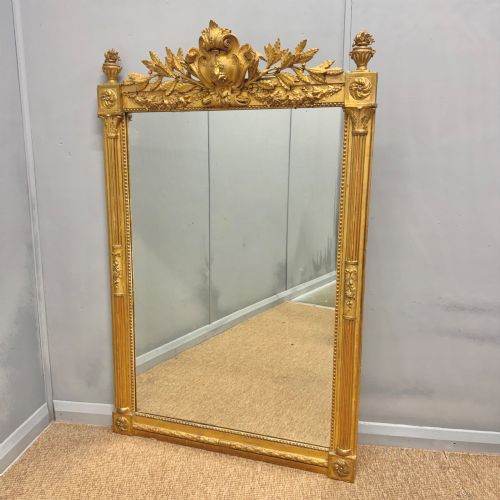
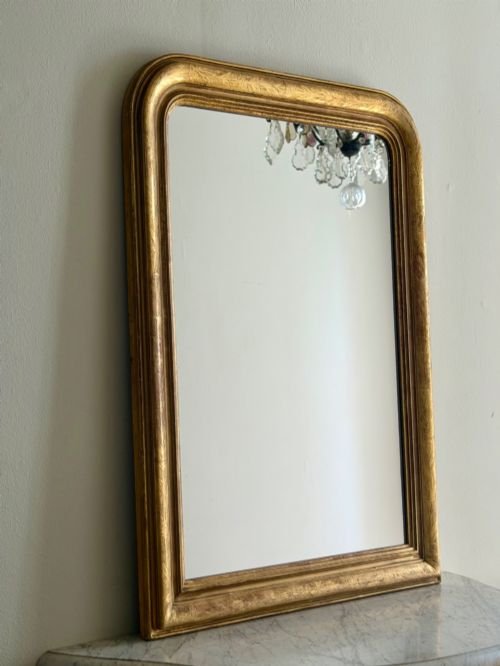
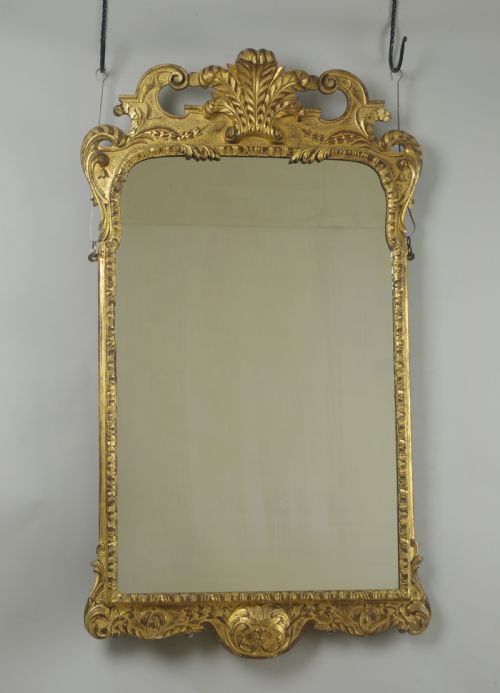
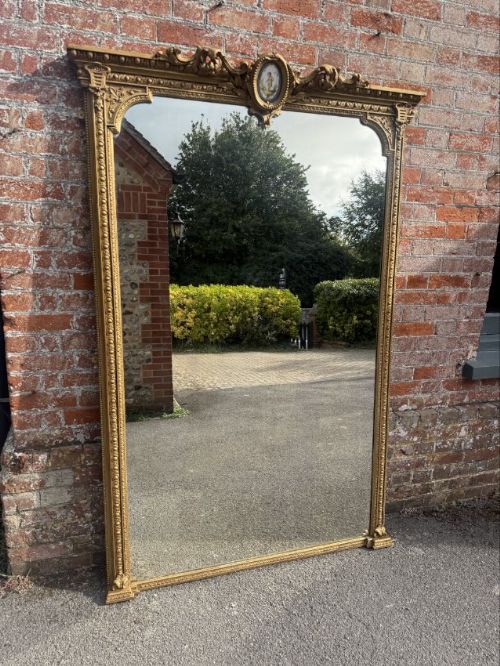
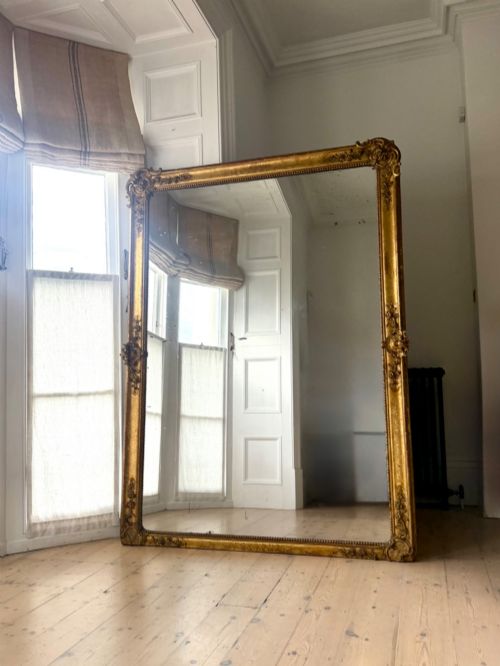
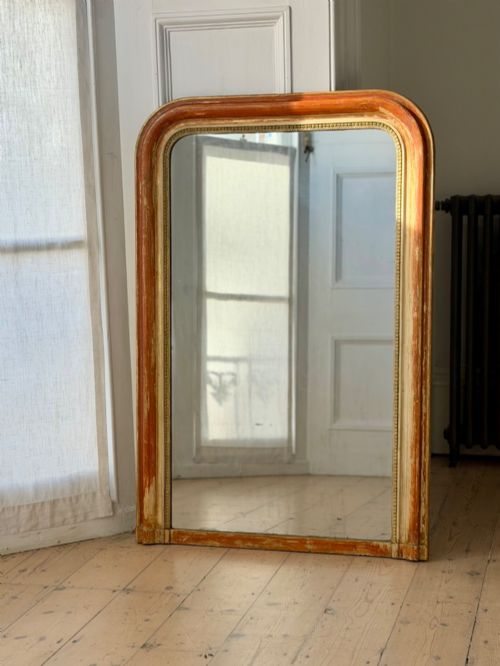
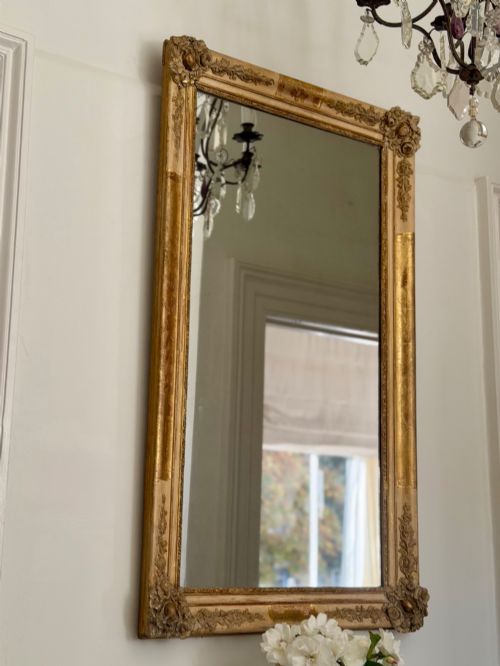
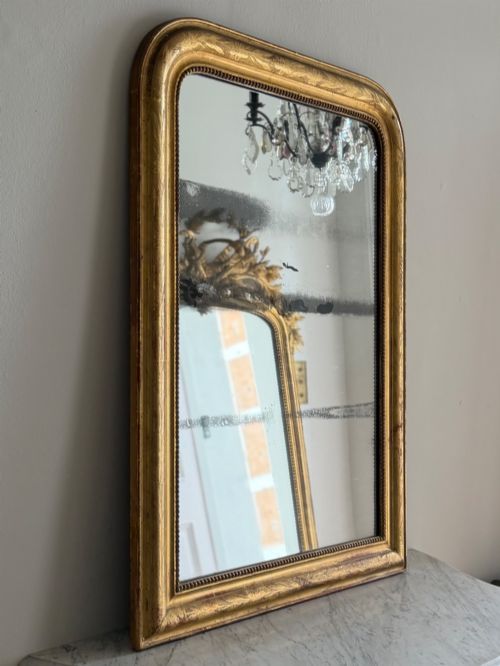
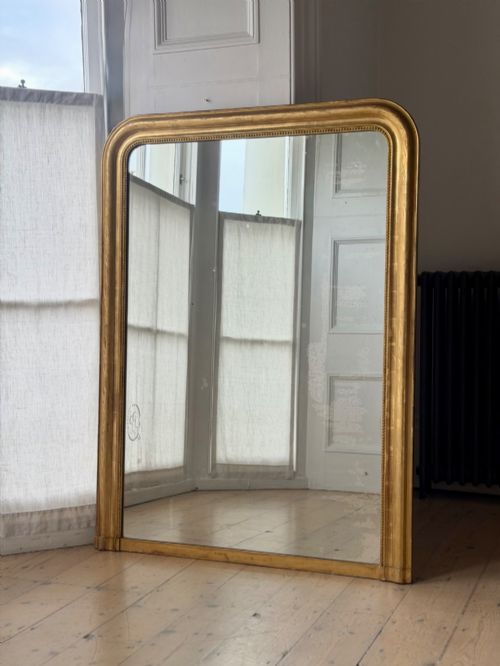
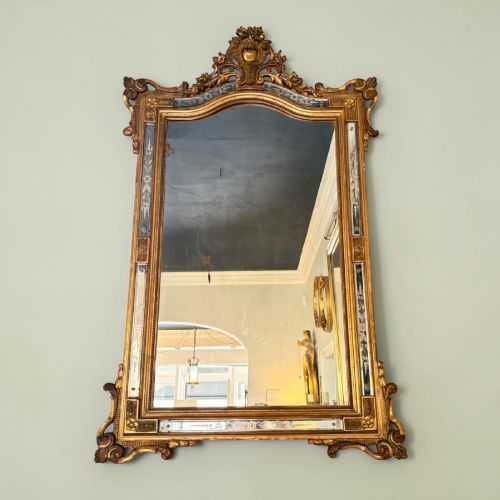
An overmantel wall glass is a large mirror designed to hang directly above a mantelpiece, reflecting the hearth and the room below it. When you search for an overmantel wall glass, you encounter substantial formats shaped by nineteenth-century tastes, often featuring arched tops or ornate gilt frames intended to dominate a principal reception room.
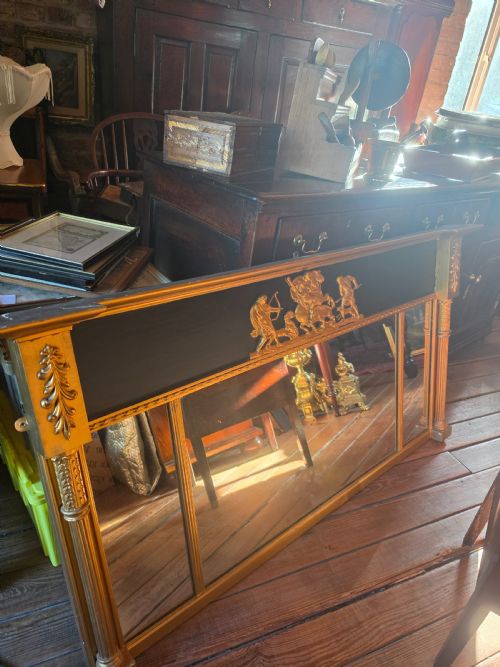
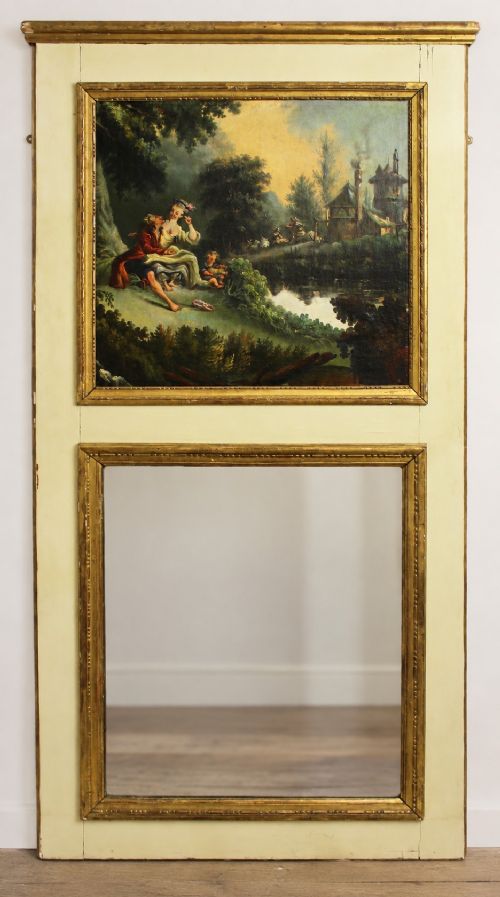
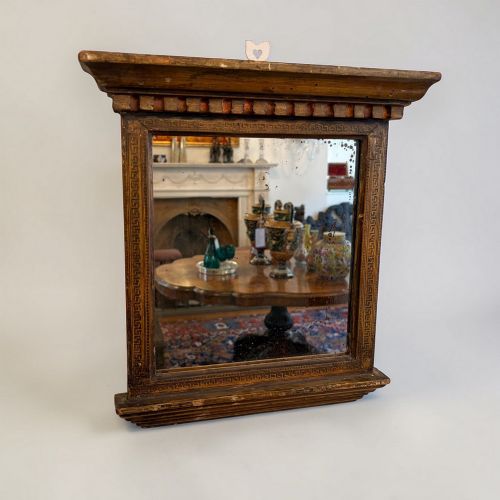
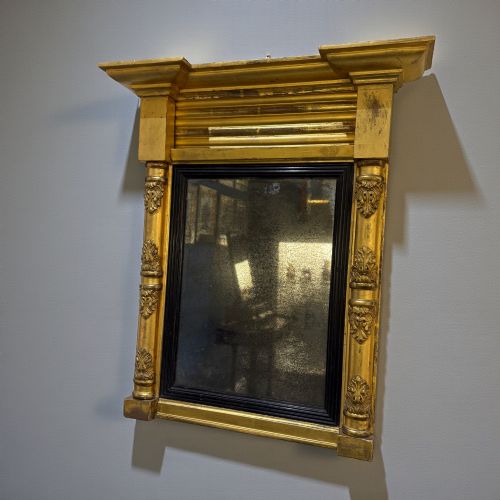
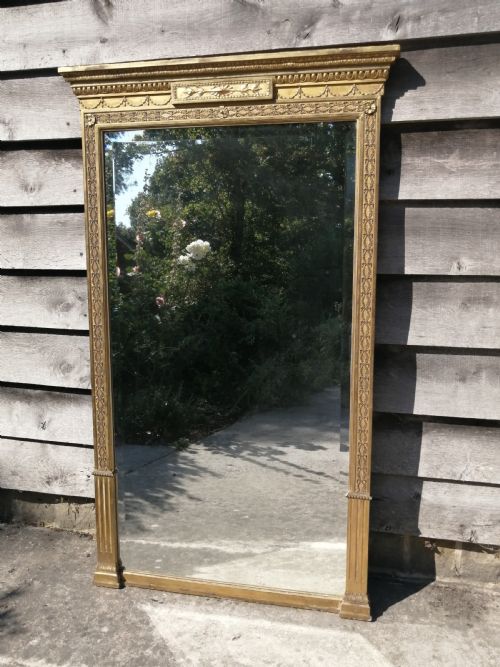
The pieces on this page span the eighteenth, nineteenth, and early twentieth centuries, drawing on Regency, Victorian, and French Rococo Revival styles. You will find both English and French examples, ranging from carved oak frames to grand giltwood constructions with original plates.
How they were made
Maker's hands shaped these frames from solid timbers such as oak, mahogany, and walnut, or built up intricate relief work using gesso and composition moulded over carved wood foundations. Guilders then applied gold leaf or paint to the prepared surfaces, creating the luminous finishes seen on Regency and Victorian pier and overmantel pieces.
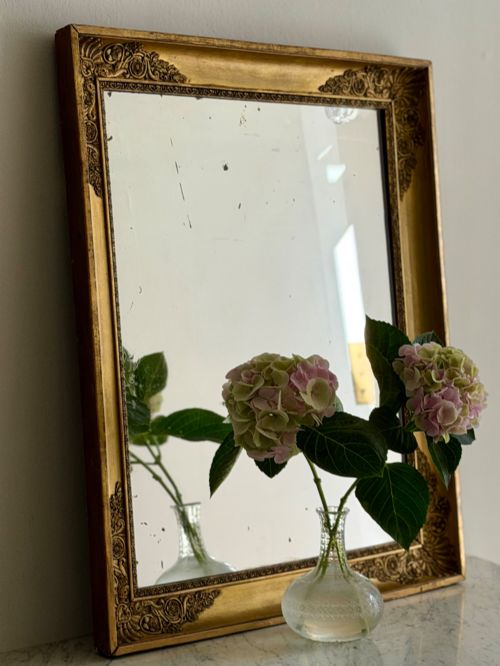
Mirror plates were traditionally silvered using mercury techniques in earlier periods, leaving characteristic foxed spotting, before later Victorian and Edwardian manufacturing shifted to modern bevelled glass plates. The frames rely on robust joinery to support the considerable weight of these large glass panels.
Listings feature eighteenth, nineteenth, and early twentieth-century pieces, spanning Regency, Victorian, and French Rococo Revival aesthetics.
What varies in quality
Quality in an overmantel wall glass rests upon the depth and crispness of the hand-carved ornament rather than shallow composition mouldings. Superior examples display harmonious proportions where the weight of the frame complements the expanse of the mirror plate without feeling top-heavy.
The survival of original elements, such as untouched mercury glass plates with natural foxing and authentic gold leaf surfaces, distinguishes a piece that retains its historic integrity from one that has undergone heavy modern restoration.
Waring and Gillow
The Overmantel Wall Glass Glossary
- Overmantel
- A large mirror specifically proportioned to hang on the wall above a fireplace mantelpiece. They were traditionally manufactured to fill the visual space between the chimneypiece and the cornice.
- Gesso
- A plaster-like mixture applied to a wooden frame as a smooth base for gilding or painting. Artisans could carve and model it while semi-set to create elaborate relief decoration.
- Mercury glass
- An early mirror plate backing method utilising a tin and mercury amalgam before silver nitrate became standard. It produces a characteristic mottled, dark speckling known as foxing.
- Pier glass
- A tall, narrow mirror designed to hang on the pier of wall space between two windows. They frequently matched console tables placed directly beneath them.
- Composition
- A moulded material made from whiting, resin, glue, and oil pressed into decorative motifs. It was widely used on nineteenth-century frames as a faster alternative to hand carving.
Overmantel Wall Glass: Frequently Asked Questions
Where should an overmantel glass hang?
These mirrors traditionally anchor the wall directly above a fireplace mantelpiece, drawing the eye upward and reflecting light across the room. Their scale makes them principal focal points in reception rooms.
Ensure the wall construction and fixings can support the substantial weight of these large wooden and mirrored frames safely.
What is foxed glass?
Foxing refers to the dark spots, speckles, and mottled ageing that develops naturally on older mirror plates over decades as the backing deteriorates. Many collectors prize this characteristic for the authentic historic atmosphere it brings.
Original mercury glass plates naturally show this patination, distinguishing period antiques from later replacement glass.
How do I tell Regency from Victorian styles?
Regency mirrors tend to exhibit cleaner architectural lines, classical motifs like lion masks, and restrained gilded frames. Victorian pieces often embrace heavier, more exuberant carvings, elaborate gesso work, and broader arched tops.
Examining the construction methods, wood types, and framing details helps clarify the specific nineteenth-century period of manufacture.
Can these mirrors be cleaned safely?
Dust the gilded wood and gesso frame gently with a soft, dry brush to avoid damaging delicate surface leaf or composition details. Moisture can easily soften historic gesso and nineteenth-century paint.
Use a minimal amount of gentle glass cleaner applied to a cloth rather than the mirror itself, preventing liquid from seeping behind the old plate edges.