
19th Century French Figurines
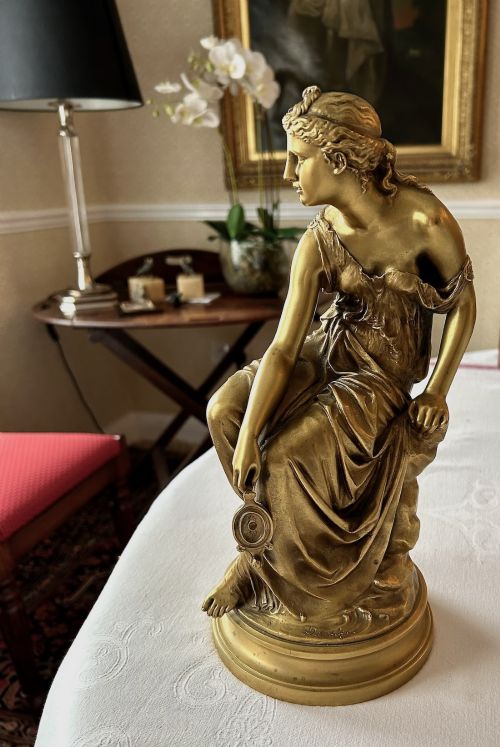
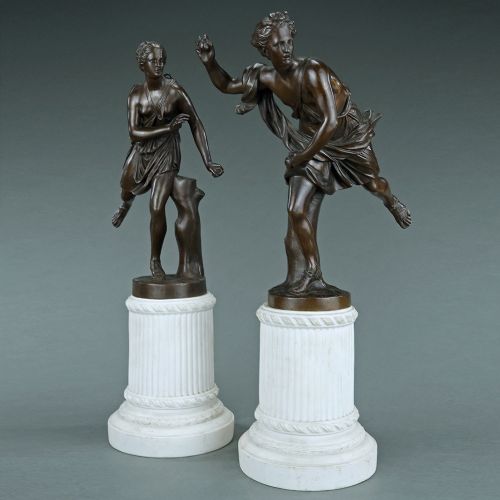
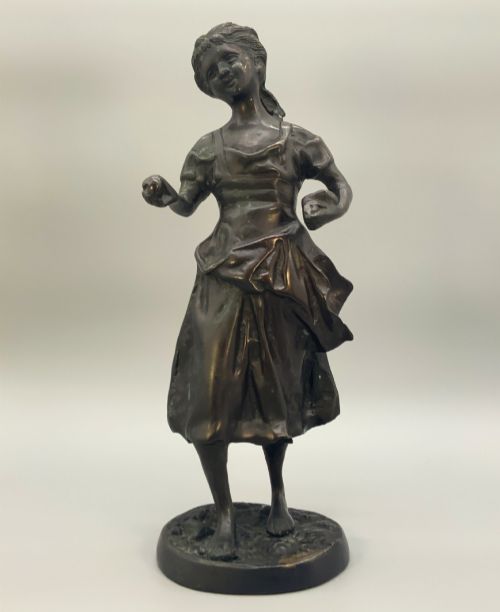
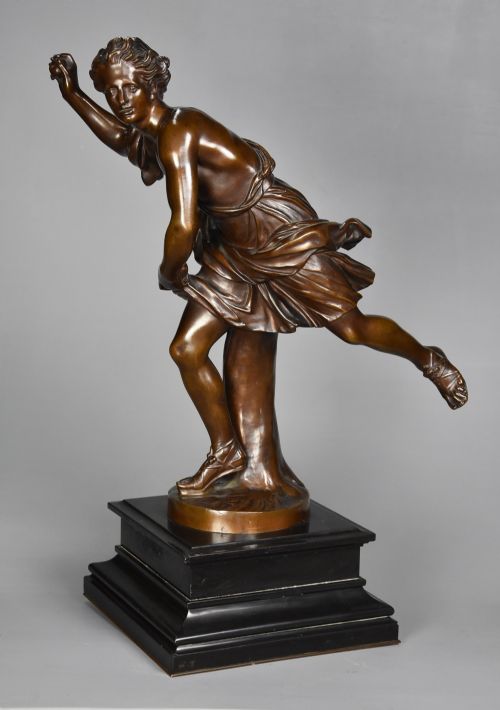
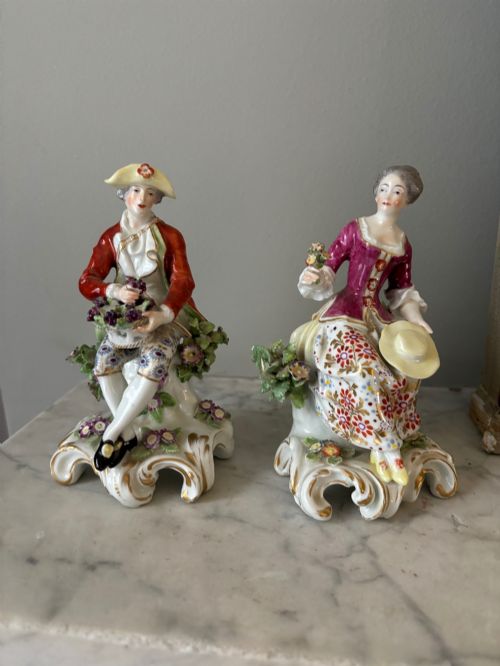
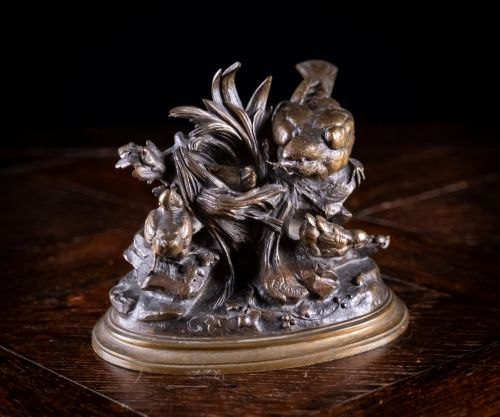
These 19th century french figurines capture mythological figures, animals, and classical maidens in cast bronze and porcelain.
19th Century French Figurines
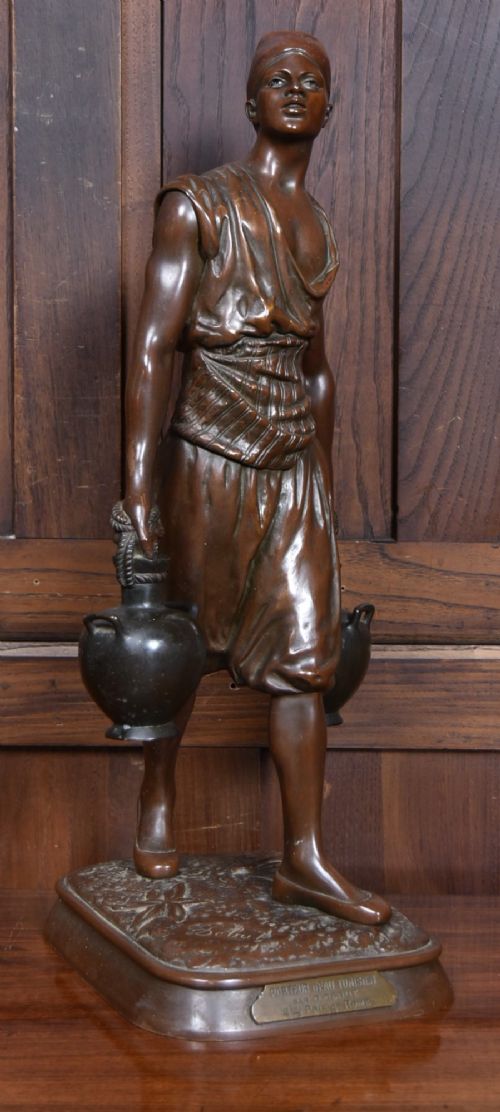
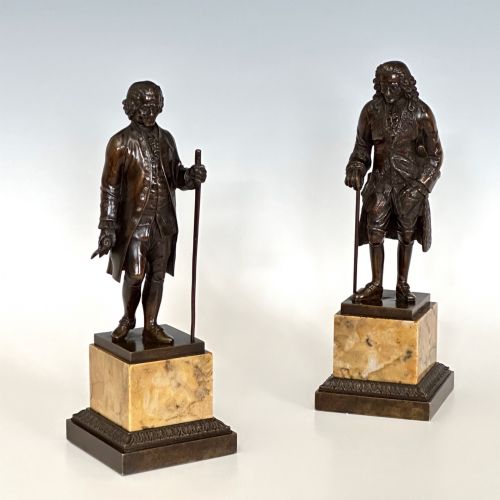
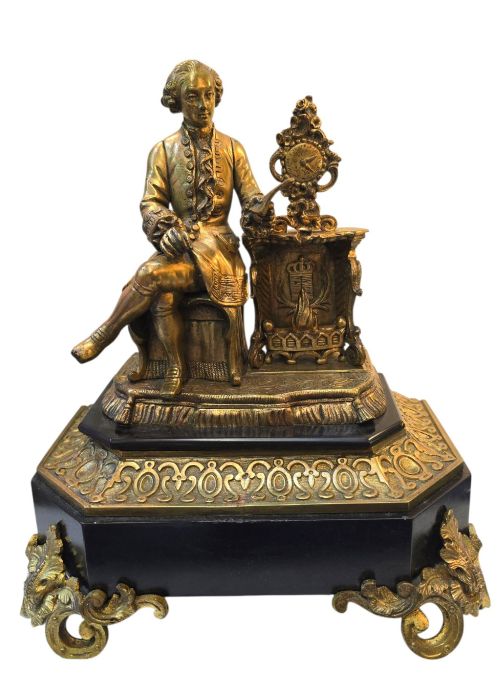
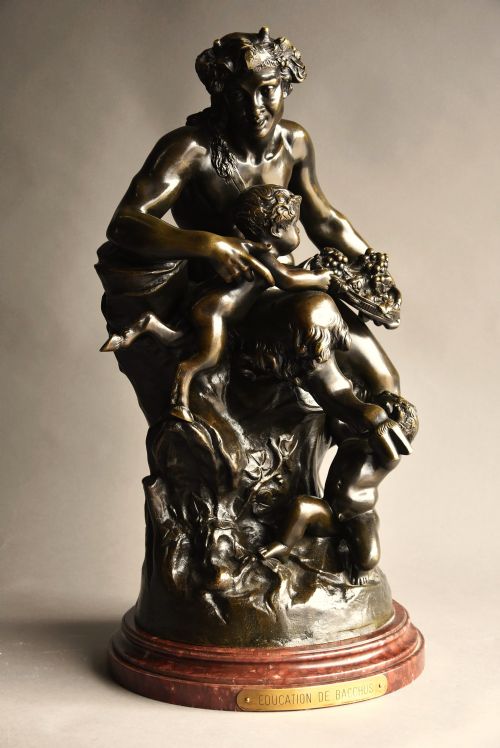
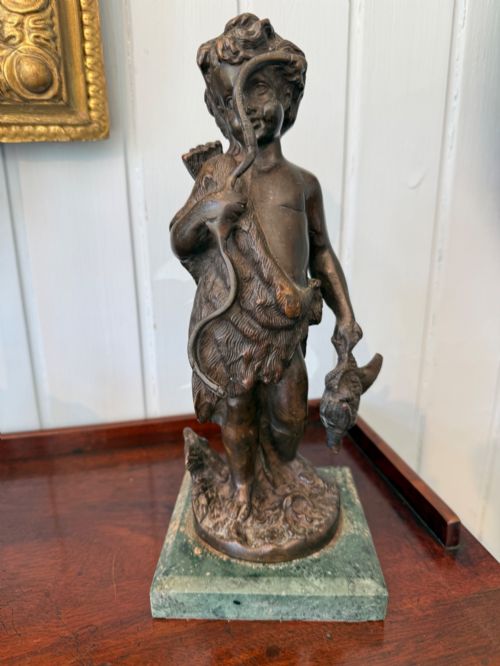
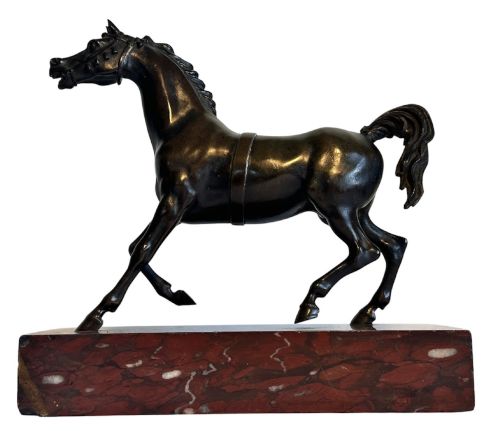
When you search for 19th century french figurines, you encounter cast metal sculptures, porcelain figures, and decorative inkwells produced across the nineteenth century. The versions most commonly met on this page are patinated and gilt bronze sculptures depicting classical subjects, agricultural workers, and animalier studies.
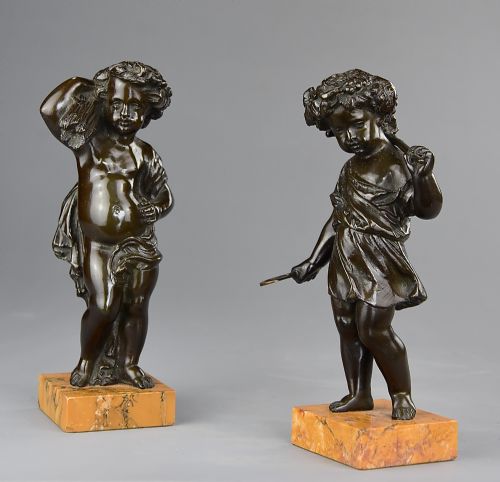
Production spans from the Restauration period through the Victorian era and into Art Nouveau, encompassing diverse forms such as allegorical putti, historical portraits, and mythological groups. Makers utilised both traditional foundry casting and delicate ceramic modelling to create mantel ornaments and cabinet pieces.
The selection ranges from small cabinet bronzes mounted on marble bases to larger sculptural groups after classical models. Buyers find works executed in the manner of renowned sculptors alongside signed pieces from established Parisian foundries.
How they were made
Foundries cast these metal figures using the lost-wax technique or sand-casting methods, applying chemical patination or gold leaf gilding to the finished bronze surface. Many bronzes stand upon integral or separate marble bases.
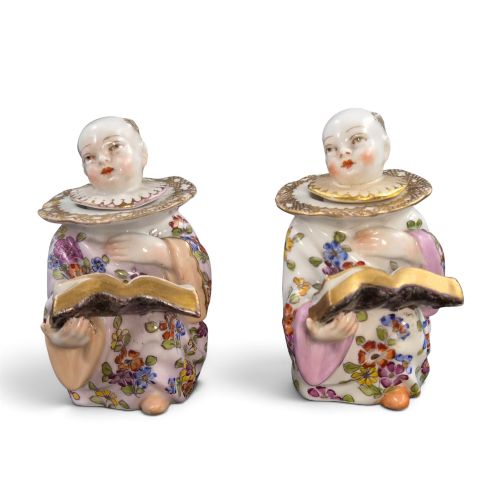
Ceramic pieces utilise biscuit porcelain, faience, and parian bodies, sometimes incorporating enamel decoration or gold anchor marks. Artisans modelled these figures after historical works by sculptors such as Clodion and Michel Victor Acier.
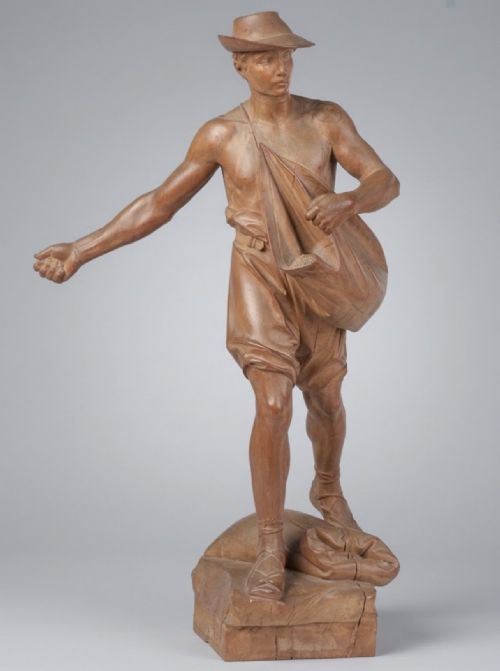
Wood figures carved from fruitwood also appear, demonstrating the range of sculptural materials utilised by makers during the period.
Listings feature works from the Victorian, Restauration, and Art Nouveau periods, executed in bronze, marble, porcelain, and fruitwood.
What varies in quality
In porcelain and bisque figures, the fineness of the modelling and the delicacy of applied floral garlands separate masterworks from commercial output. The quality of the original model and the reputation of the founder or ceramic manufactory heavily influence the standing of each piece.
Etienne-Henri Dumaige·Barbedienne·P J Mêne·Edmé Samson·Moreau Family·Émile Louis Picault·Antoine Louis Barye·Alfred Dubucand·Jules Dalou
The 19th Century French Figurines Glossary
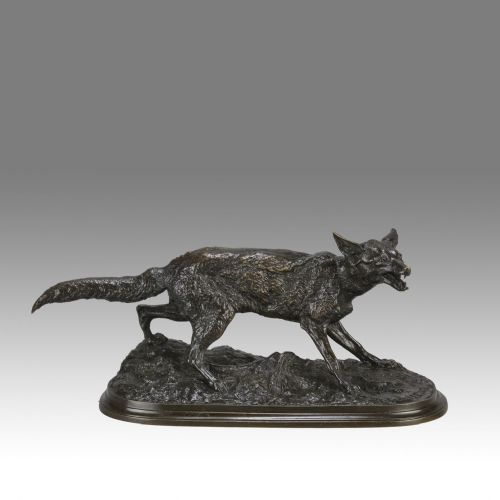
- Animalier
- A term for nineteenth-century art focusing on the realistic portrayal of animals, particularly horses, dogs, and wildlife. Sculptors working in this style studied live subjects closely.
- Biscuit porcelain
- Unglazed white porcelain that has a matte, marble-like texture. It was frequently utilised for neoclassical sculptural groups and portrait figures.
- Gilt bronze
- Bronze that has been coated with a thin layer of gold or gold leaf. Also known as gilt bronze, it provides a bright, reflective finish.
- Patinated bronze
- Bronze treated with chemical solutions to produce a darkened or coloured surface finish. This treatment protects the metal and highlights sculptural detail.
- Rococo Revival
- A nineteenth-century design style reviving the asymmetrical curves, scrolls, and natural motifs of the eighteenth-century French rococo. It appears frequently in decorative mounts and figural bases.
19th Century French Figurines: Frequently Asked Questions
How do I identify animalier bronzes?
Animalier bronzes depict animals in naturalistic poses, often displaying detailed musculature and textures.
These pieces frequently bear the signature of specialised animal sculptors on the bronze base.
What is the difference between bronze and bisque porcelain?
Bronze offers a heavy metallic structure with applied patination or gold leaf.
Biscuit porcelain provides a matte ceramic surface without glaze, commonly used for white figural groups.
Where were these figures displayed?
Owners placed these sculptures on mantelpieces, desks, and library tables as decorative ornaments.
Some specialised forms, such as figural inkwells, served practical functions on writing furniture.
How do I recognise Art Nouveau pieces?
Art Nouveau figures incorporate flowing organic lines, floral elements, and motifs inspired by natural growth.
These works typically date from the late nineteenth or early twentieth century.