

19th Century French Figures
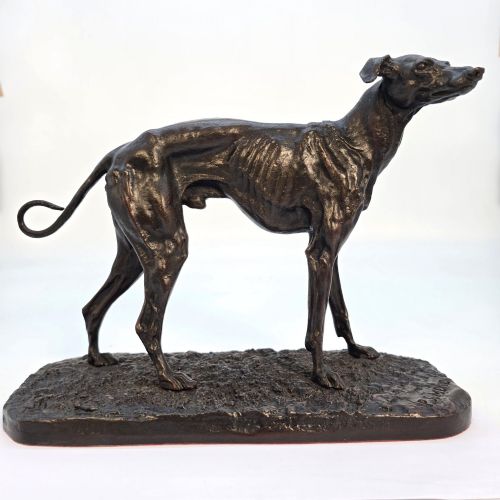
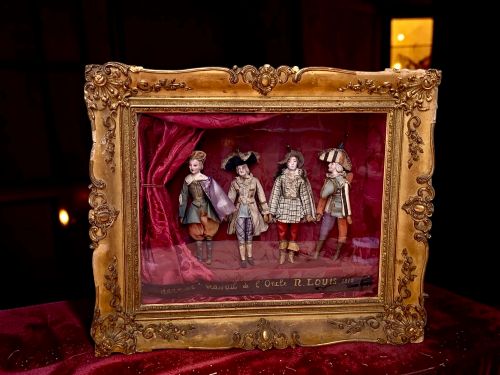
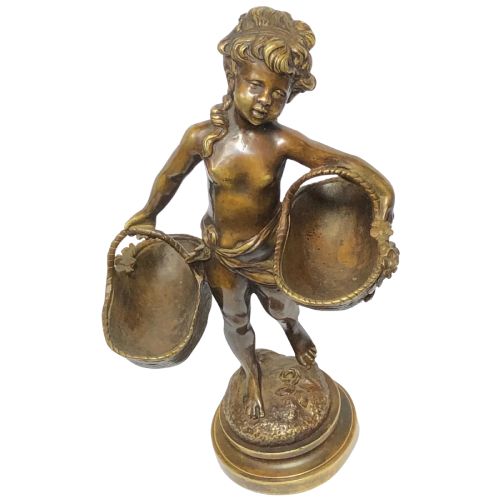
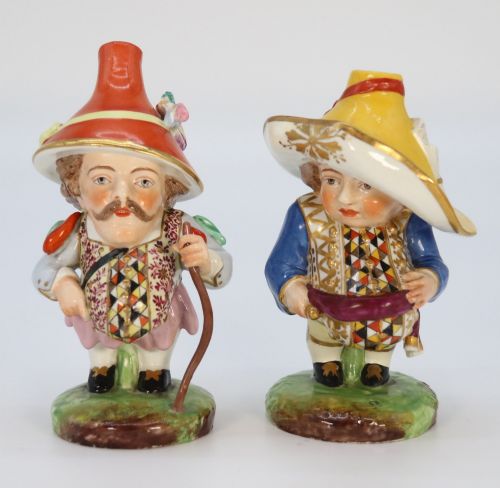
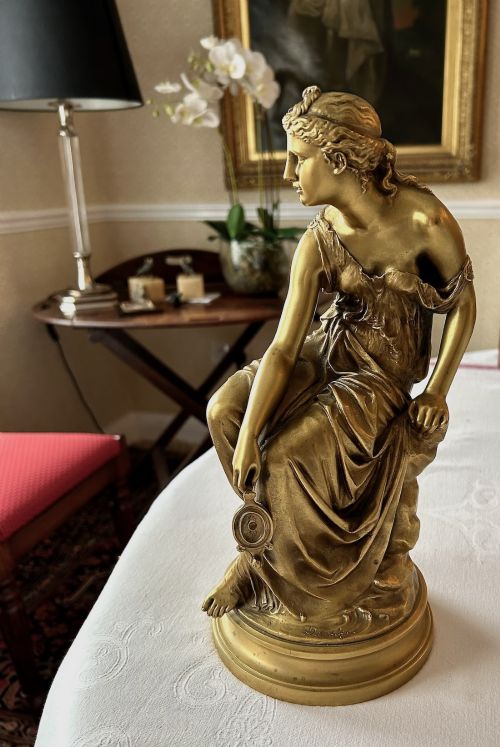
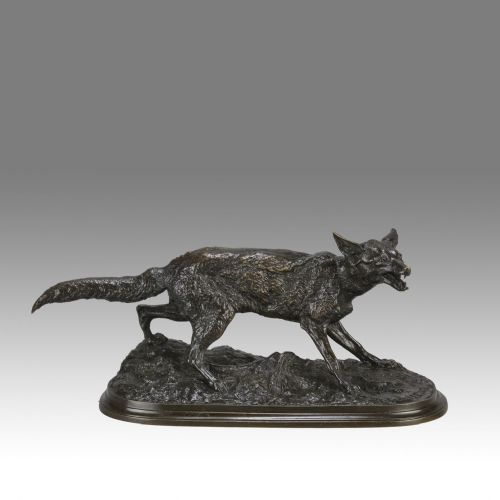
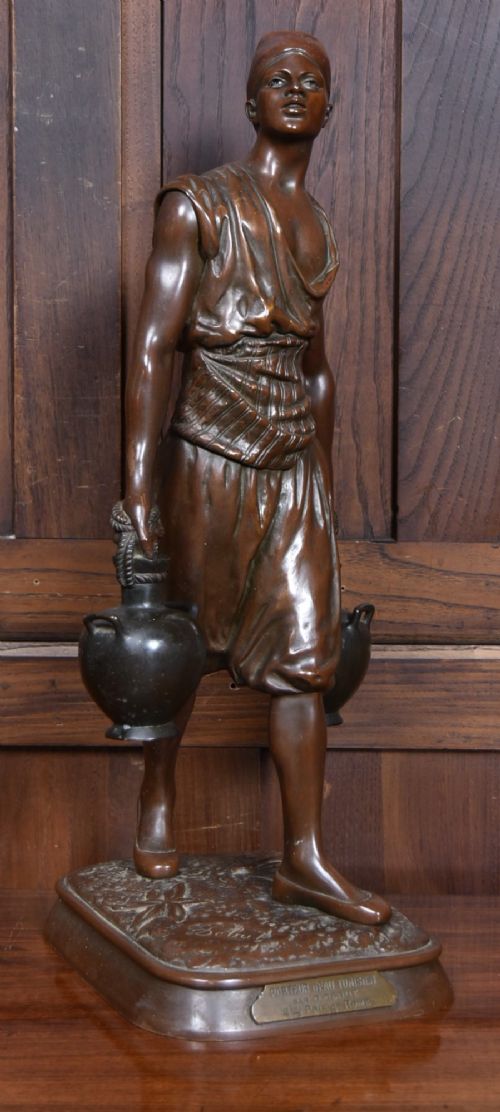
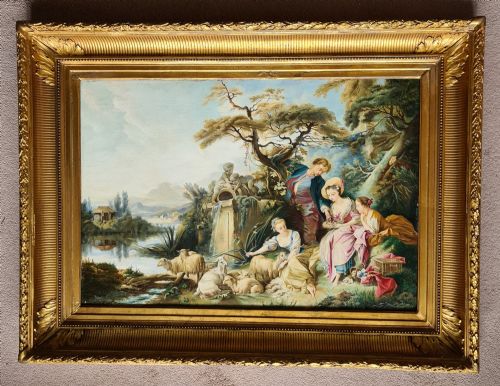
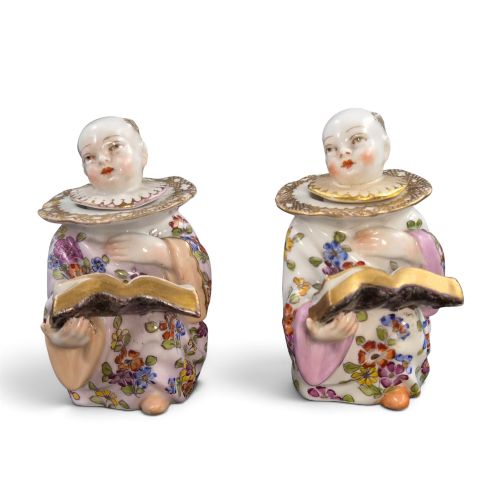
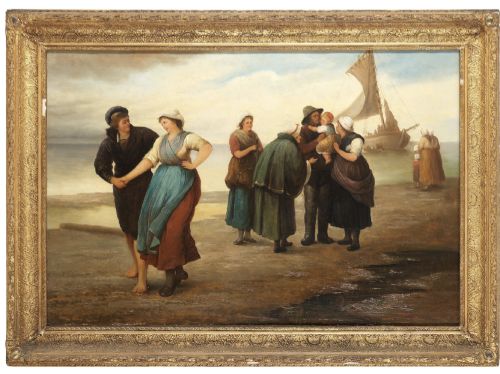
When you search for 19th century french figures, you encounter cast metal sculptures, porcelain statuary, and occasional oil paintings recording classical, animalier, and allegorical subjects.
19th Century French Figures
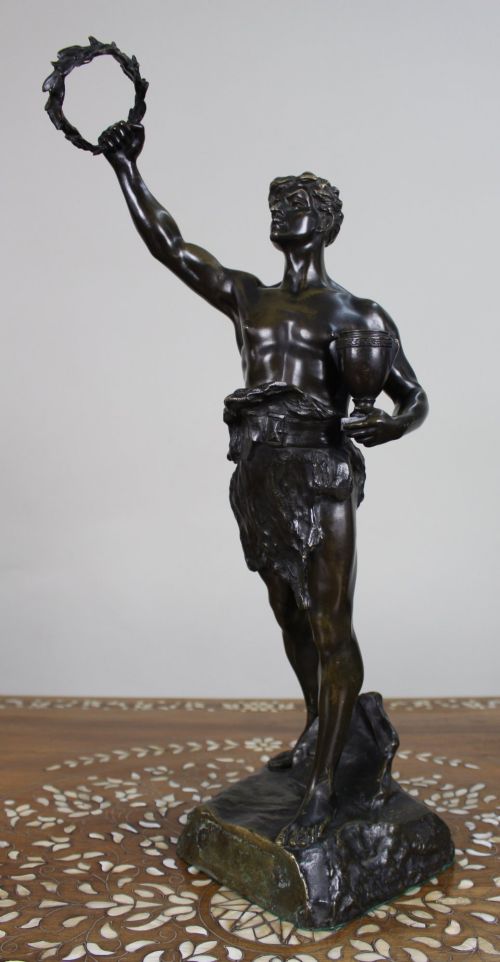
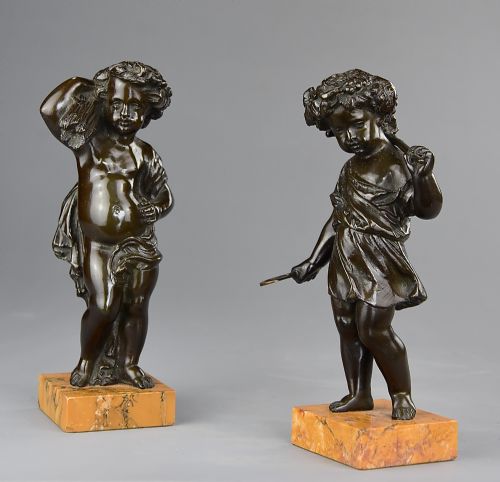
Buyers exploring 19th century french figures typically encounter cast bronze sculptures, patinated metals, and carved materials depicting mythological deities, historical personages, and rural labourers. These works span neoclassical compositions, animalier studies of wildlife, and romantic interpretations rooted in academic salon traditions.
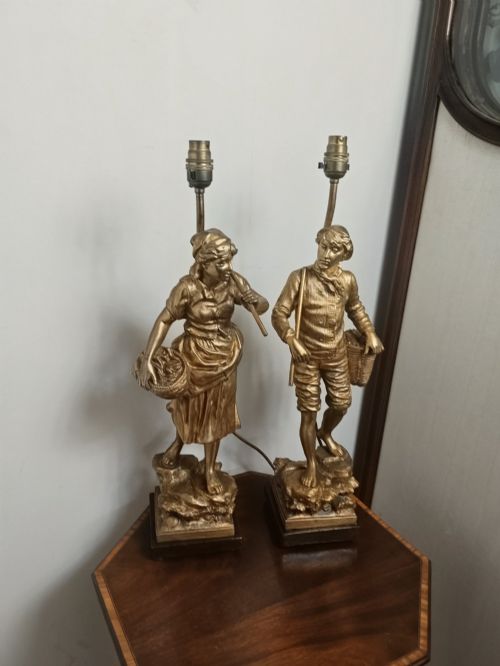
The objects on this page range from small cabinet bronzes and porcelain figurines to monumental mantel garnitures and figural table lamps. Many pieces draw direct inspiration from classical antiquity or earlier French sculptors, reinterpreted through nineteenth-century foundry practices.
Materials and Casting Techniques
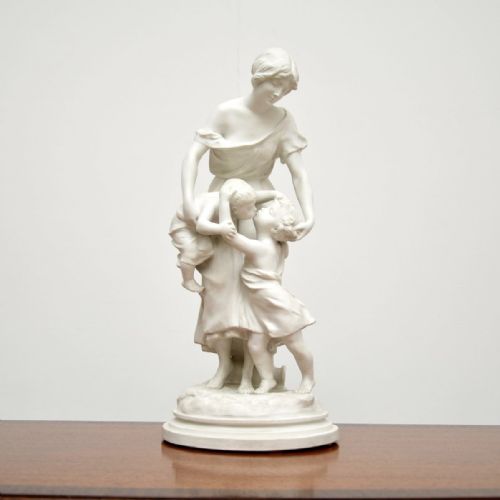
Alternative compositions incorporated carved carrara marble, fruitwood, and moulded porcelain or parian ware, often mounted onto integrated marble or slate plinths.
Listings feature materials including bronze, marble, porcelain, and fruitwood across nineteenth-century sculptural forms.
Factors of Quality
Quality in these sculptures rests upon the crispness of the metal chasing and the depth of the foundational casting, where superior pieces retain delicate anatomical articulation and sharp relief in garments. Lesser examples show softened textures and visible seam lines from hurried foundry work.
The integration of the material also dictates distinction, seen in the density of the chosen marble base, the richness of the chemical patina, and whether the signature or foundry stamp was deeply struck into the hot metal before finishing.
Etienne-Henri Dumaige·Ferdinand Barbedienne·P J Mêne·Edmé Samson·Antoine Louis Barye
The 19th Century French Figures Glossary
- Animalier
- A nineteenth-century artistic genre and style focusing on the realistic depiction of animals, particularly horses, lions, and hounds in motion. Prominent French sculptors elevated animal anatomy through careful observation.
- Ormolu
- Finely ground high-carat gold applied to a bronze base using a mercury amalgamation technique, creating a durable golden surface. This technique was widely utilised across decorative French bronzes and candelabra.
- Parian Ware
- A fine-grained unglazed porcelain developed in the nineteenth century to imitate carved marble statuary. It takes its name from the white marble quarried on the Greek island of Paros.
- Patination
- The chemical treatment or natural oxidation applied to the surface of bronze to alter its colour and tone. Foundries used specific acid solutions to achieve dark brown, green, or near-black finishes.
- Lost-wax casting
- A historic metalworking method where a wax model is melted from a clay mould to create a hollow cavity for molten bronze. This allows for intricate undercut details and thin, lightweight metal walls.
19th Century French Figures: Frequently Asked Questions
What subjects do these figures depict?
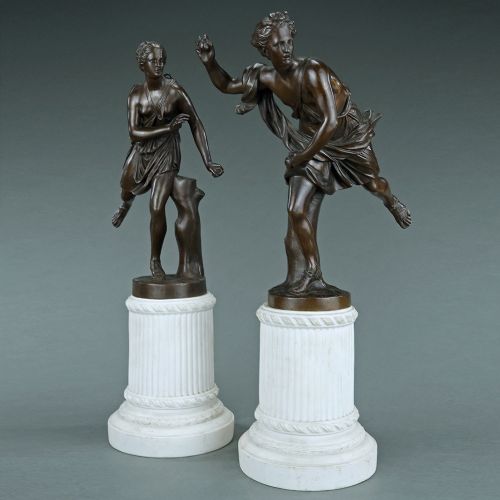
These sculptures and statuettes predominantly portray classical deities, allegorical representations of seasons or virtues, and realistic animal studies. Human subjects range from Roman soldiers and historical figures to rural labourers and mythological characters like Atalanta.
Many pieces adapt famous antiquities or reinterpret models by earlier sculptors such as Clodion and Giambologna. The subject matter reflects the academic tastes and decorative preferences of nineteenth-century French salons.
How are bronze figures mounted?
Many nineteenth-century bronze figures are secured directly onto turned or polished marble and slate bases. These heavy plinths provide physical stability for the sculpture and visually anchor the composition.
Foundries often matched specific marble colours, such as veined black or white carrara, to complement the tone of the bronze patination or gilt surface above.
How can I identify a foundry mark?
Foundry stamps and signatures are typically incised into the bronze base, near the feet of the figure, or along the edge of the integral metal plinth. These marks indicate which Parisian workshop cast the edition.
Names such as Barbedienne or specific artisan signatures verify the production origin and help separate commercial studio work from high-grade artistic editions.
How should I care for bronze sculptures?
Bronze sculptures require minimal intervention, needing only gentle dusting with a soft, dry brush to prevent particulate buildup on the patinated surface. Avoid liquid cleaners, oils, and abrasive cloths that can strip the protective wax or chemical patina.
Keeping the piece away from direct heat sources and high humidity preserves both the metal and any associated marble or wood mounts.