


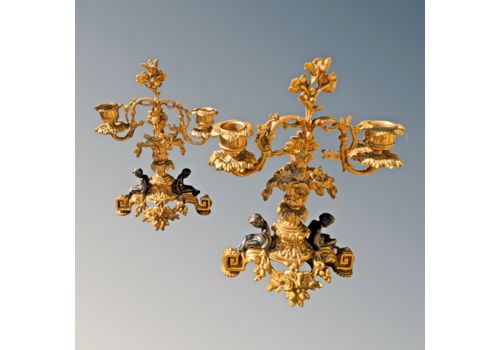


French Second Empire Bronzes
French second empire bronzes combine heavy cast metal, marble, and intricate gilding to capture the ornate architectural ambition of the nineteenth century.
French Second Empire Bronzes
French second empire bronzes encompass a diverse range of decorative and functional objects produced primarily during the mid-to-late nineteenth century. Collectors pursuing these items encounter mantel clocks, candelabra, figural sculptures, wall sconces, and furniture mounts that reflect the lavish tastes of the Napoleon III era. The aesthetic often draws heavily on earlier French Neoclassical and Rococo Revival precedents, reinterpreting them with grand scale and meticulous detail.
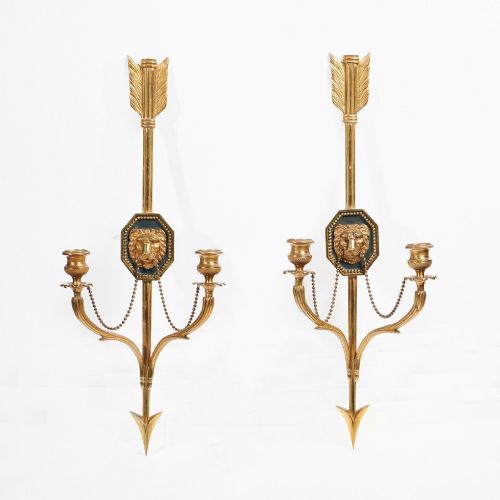
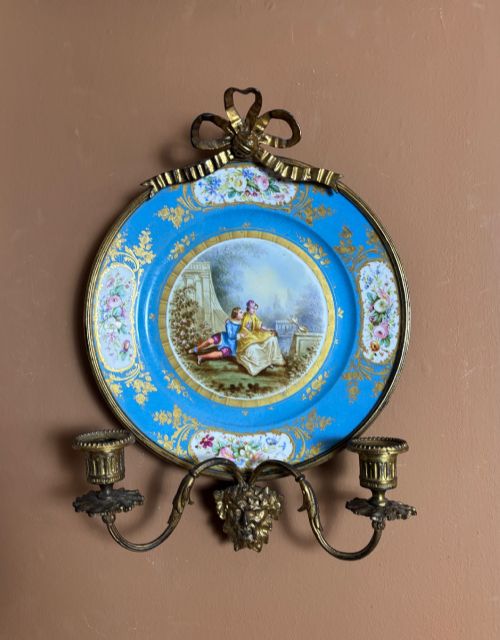
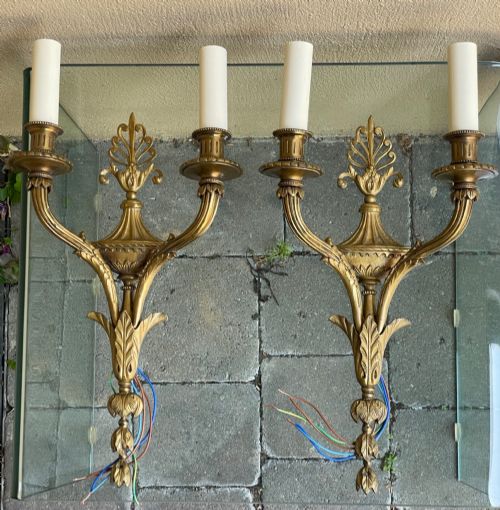
Mantel clocks and candelabra dominate the offerings on this page, frequently paired with rouge marble bases or porcelain inserts. Alongside these timepieces and lighting fixtures stand wall lights, inkwells, and large sculptural figures depicting classical motifs or historical personages. The materials range from solid cast bronze to patinated surfaces and fire-gilt ormolu.
While many pieces date directly from the 1860s and 1870s, the inventory also includes later revivals and associated nineteenth-century styles such as French Empire. These works served as opulent interior furnishings for Parisian salons and grand European residences, functioning simultaneously as practical utilities and status symbols. Each form demonstrates the high level of foundry skill characteristic of the period.
Evaluating the craftsmanship
The distinction between standard production items and exceptional works lies chiefly in the crispness of the hand-chasing after casting. Superior pieces retain sharp leaf veins, well-defined facial expressions on figural subjects, and deep relief work that softer, later castings lose. The quality of the gilding also plays a major role, with genuine mercury ormolu showing a warm, deep lustre compared to flat modern electroplate.
Weight and structural integrity further separate the tiers of craftsmanship. Heavier, solid-cast components indicate a more generous use of metal, whereas hollower constructions feel lighter and exhibit thinner walls. Maker attribution, visible in signatures on the bronze or movement stamps on clocks, elevates certain examples through documented foundry provenance.
Listings feature items spanning the 1840s to the 1930s, incorporating gilt bronze, patinated bronze, rouge marble, and tortoiseshell.
Japy Frères·Tahan of Paris·Auguste Cain·Charpentier Paris·Deniere and Cailleaux·François-Christophe-Armand Toussaint·Pierre Hebert
The French Second Empire Bronzes Glossary
- Ormolu
- Gilt bronze created by applying an amalgam of gold and mercury to a bronze object and heating it to vaporise the mercury, leaving a durable golden coating. This technique produced a rich, deep finish characteristic of nineteenth-century luxury goods.
- Patinated bronze
- Bronze treated with chemical solutions to alter its surface colour to dark brown, green, or near-black tones. This treatment was often contrasted with gilt highlights to accentuate sculptural relief.
- Boulle
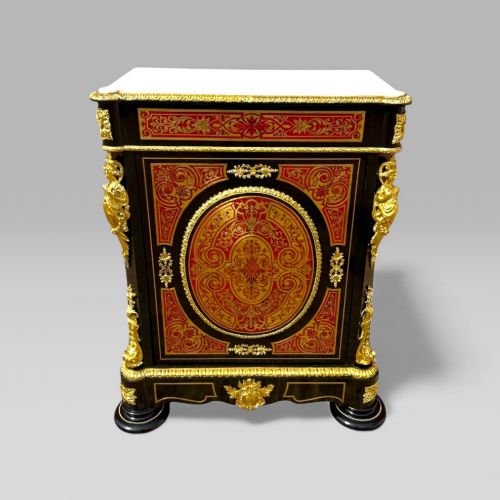
- A style of marquetry utilising brass and tortoiseshell inlaid in contra-partie designs, frequently applied to cabinets and clock cases during the Napoleon III period. It revives seventeenth-century cabinet-making techniques popularised by André-Charles Boulle.
- Candelabra
- Branched lighting fixtures designed to hold multiple candles, often executed in figurative bronze or mounted on marble plinths. They frequently match mantel clocks to form garniture sets.
- Cloisonné enamel
- A decorative metalwork technique where thin wire is soldered to a metal base to form compartments filled with enamel paste and fired. It appears on the dials and cases of mid-nineteenth-century mantel clocks and picture frames.
French Second Empire Bronzes: Frequently Asked Questions
What is a garniture set?
A garniture set consists of a central mantel clock accompanied by matching side pieces such as candelabra, urns, or vases. These matched suites were designed to be displayed together on a fireplace mantel or sideboard to create a symmetrical focal point in a room.
The components share identical casting motifs, materials, and gilding styles, ensuring a unified visual appearance. Surviving complete sets command strong interest from collectors because individual pieces were frequently separated over time.
How do I identify a Napoleon III clock?
Napoleon III mantel clocks typically feature dense architectural or figural bronze cases housing mechanical brass movements. They frequently incorporate contrasting elements such as white enamel chapters, porcelain plaques, or rouge marble plinths.
Maker signatures stamped onto the back plates of the clock movements or cast directly into the bronze bases provide definitive attribution. The styling leans heavily toward opulent revivals of Louis XIV, Louis XV, and French Empire aesthetics.
Where were French second empire bronzes displayed?
These decorative objects were designed for the formal reception rooms, salons, and boudoirs of wealthy urban residences and country houses. Mantel clocks and candelabra anchored the main fireplace, while wall lights and torchères illuminated dark hallways and drawing rooms.
Smaller decorative items like inkwells and picture frames occupied desks and side tables, demonstrating the owner's status and refined taste. Their robust construction allowed them to function as both practical household items and sculptural art.
What is the difference between ormolu and gilt bronze?
Ormolu specifically refers to objects finished using the traditional mercury gilding process, which bonds a gold-mercury amalgam to the bronze surface through heat. Gilt bronze is a broader term that can also describe pieces finished with modern electroplating or gold leaf.
In nineteenth-century contexts, genuine ormolu displays a soft, deep golden hue that does not flake or wear away easily. This finish requires careful handling during cleaning to preserve its historic surface integrity.