


Cast Bronze Table Statues
These cast bronze table statues bring figurative presence to a desk or mantel, spanning French animalier subjects to Victorian portraiture.
Cast Bronze Table Statues
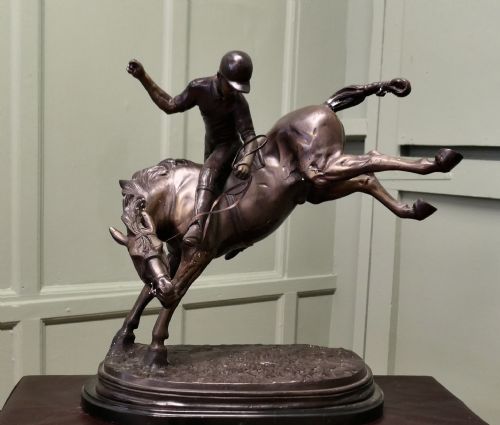
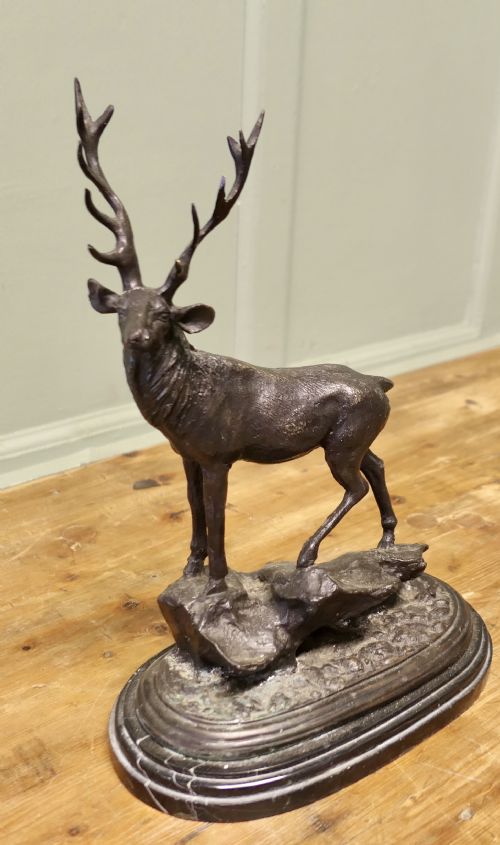
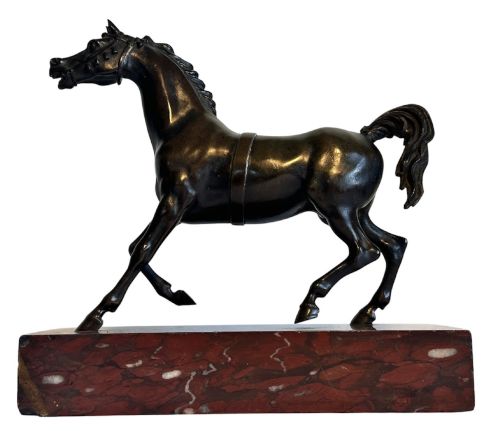
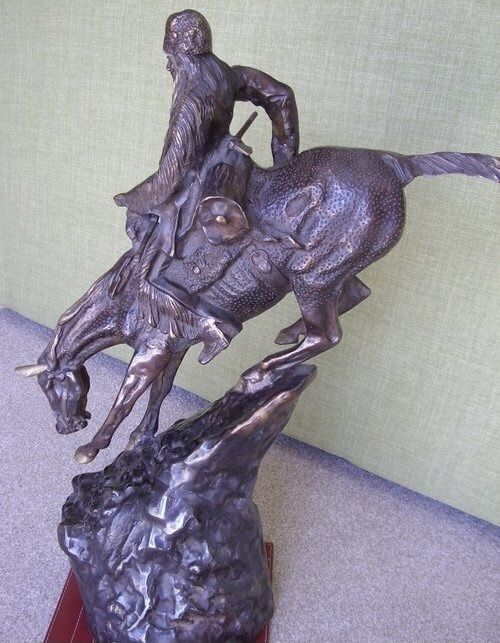
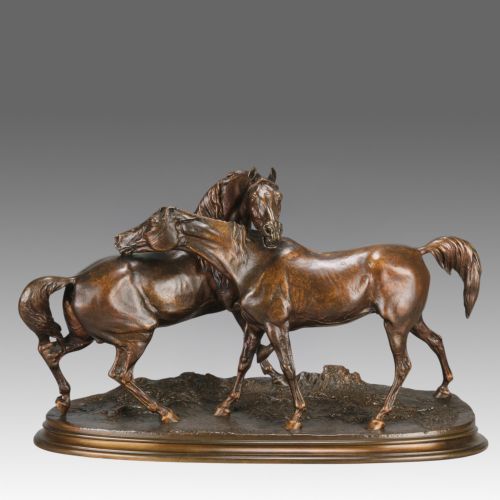
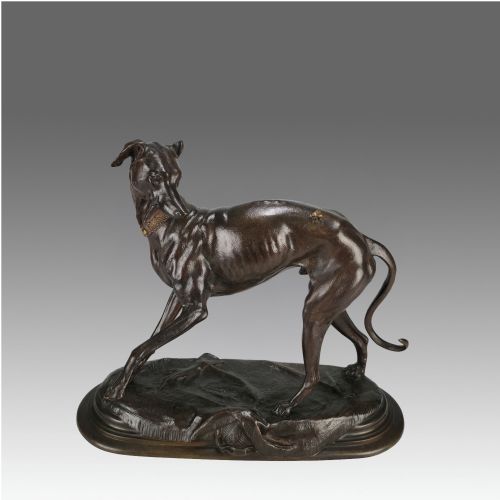
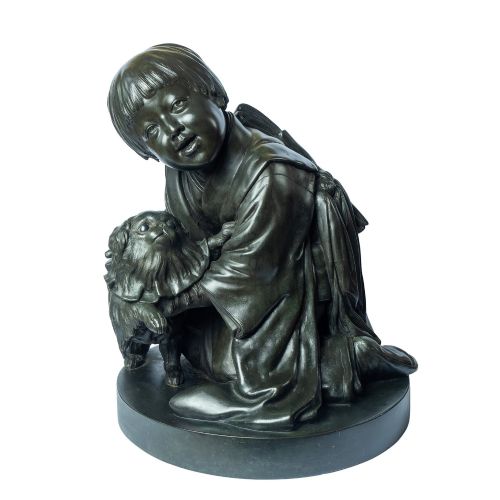
Cast bronze table statues encompass subjects ranging from horses and hounds to human figures and mythological characters, scaled specifically for display on furniture rather than plinths on the floor. When you examine cast bronze table statues, you encounter works produced across the nineteenth and early twentieth centuries, drawing heavily upon French animalier traditions, Art Nouveau curves, and Art Deco geometry.
The selections span distinct eras including Victorian, Edwardian, and the decades leading up to nineteen thirty, alongside Japanese okimono pieces. These figures frequently incorporate bases of marble or take practical form as table lamps and figural lighting.
Materials and casting
Makers utilised bronze, patinated bronze, and gilded bronze alongside alternative metals such as spelter and bronzed finish materials. Many sculptures rest directly upon integral or fitted marble plinths, combining heavy stone foundations with metal figures.
Several dogs stand eternally poised on rocks or table corners, refusing to chase the nearby flies.
Execution and finish
Quality rests upon the crispness of the metal chasing and the fidelity of the cast to the original model. Finer pieces display sharply defined anatomy and plumage, while alternative metal versions rely on softer surface definition.
The integration of the figure with its base also marks distinction, where tightly fitted marble plinths and intentional patination elevate the visual balance of the work.
P J Mêne·Alfred Barye·Friedrich Goldscheider·Edith Parsons·Franz Bergman·Emmanuel Villanis
The Cast Bronze Table Statues Glossary
- Animalier
- A nineteenth-century artistic movement dedicated to the realistic portrayal of animals, particularly horses, dogs, and wildlife in motion.
- Spelter
- A zinc alloy frequently utilised as a less expensive alternative to bronze, often given a bronzed finish to simulate heavier metal.
- Okimono
- A Japanese decorative ornament intended for display on a shelf or tabletop, encompassing cast bronze animal and human subjects.
- Patinated
- Treated with chemical solutions to produce a specific surface coloration or aged tone across the metal.
- Plinth
- A heavy slab of marble or stone that serves as a stable base for a bronze sculpture.
Cast Bronze Table Statues: Frequently Asked Questions
How do I identify a spelter copy from bronze?
Spelter is a softer zinc alloy that feels lighter in the hand and often shows a brighter grey metal beneath worn areas of its surface finish. Bronze maintains a heavier, denser weight and develops a stable patina over time.
Examining the underside or discreet edges can reveal the underlying metal colour without damaging the piece.
Were these statues always mounted on marble?
Many nineteenth and twentieth-century figures were paired with marble plinths to provide stability and visual weight on furniture surfaces. Some casts relied on integral metal bases instead.
The presence of stone depends heavily on the workshop tradition and the intended placement of the sculpture.
What is an animalier bronze statue?
Animalier statues focus specifically on the realistic and dynamic depiction of animals in natural poses or dramatic action. This genre gained immense popularity in nineteenth-century France through specialised sculptors.
Horses, hounds, stags, and birds dominate this category of tabletop sculpture.
How should I clean a bronze table statue?
Dusting gently with a soft, dry cloth is usually sufficient to maintain the surface without disturbing the historic patination. Avoid harsh chemical cleaners or abrasive polishes that strip away the aged finish.
Wax can occasionally be applied sparingly to protect bronze surfaces from atmospheric moisture.