



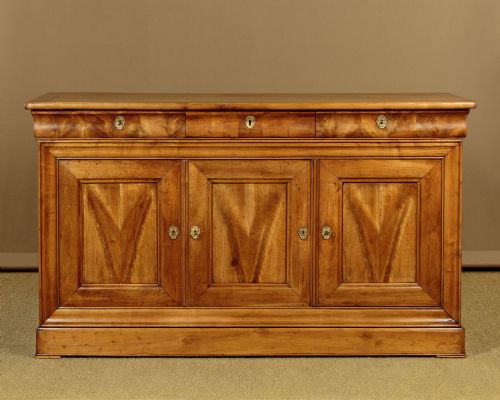
19th Century French Credenza
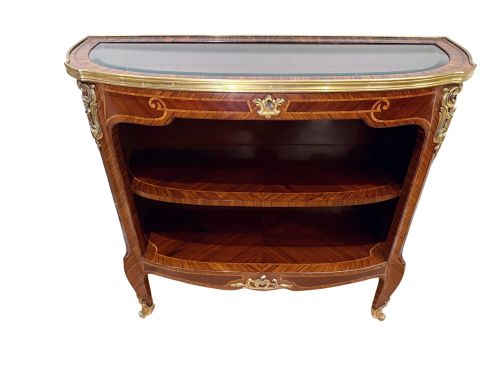
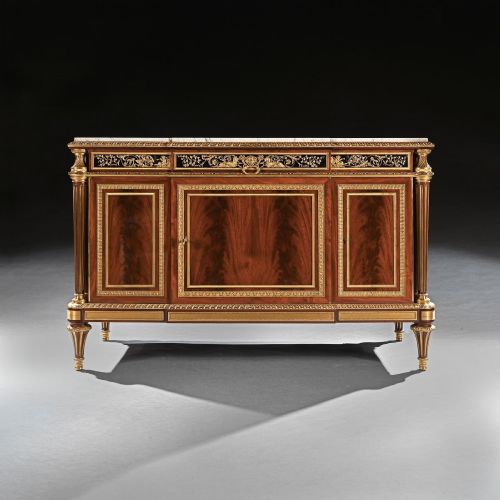
A 19th century french credenza brings grand proportion and elaborate surface detail into a room, uniting timber, metal and stone.
19th Century French Credenza
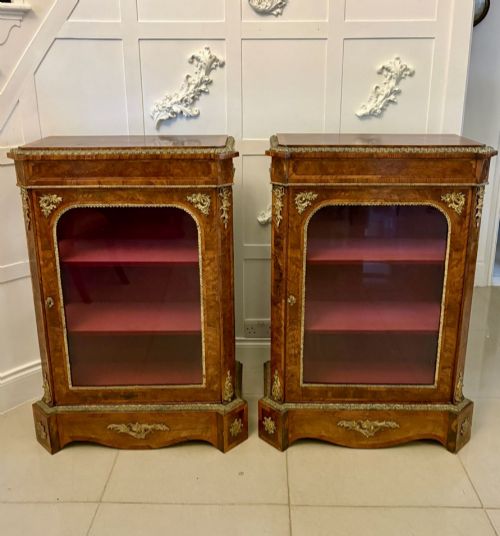
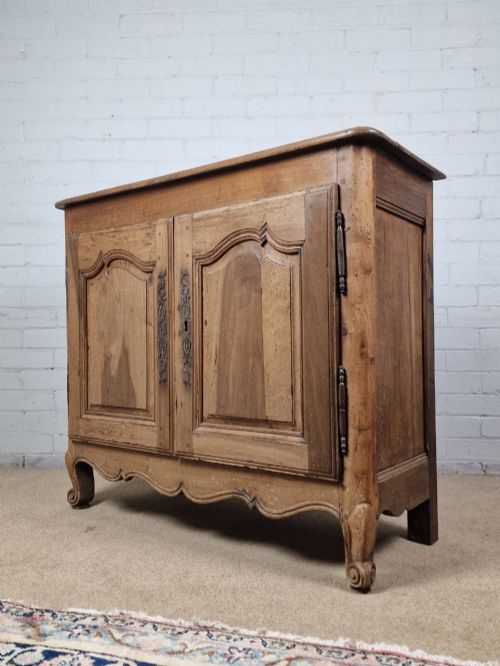
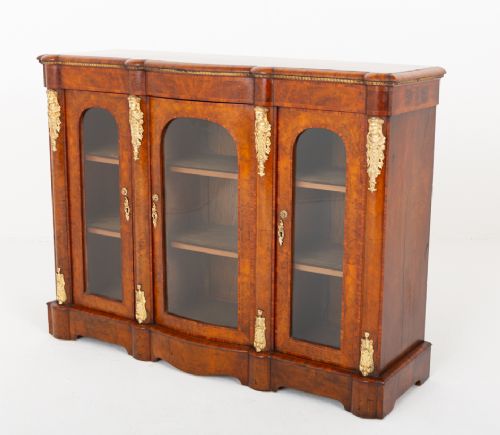
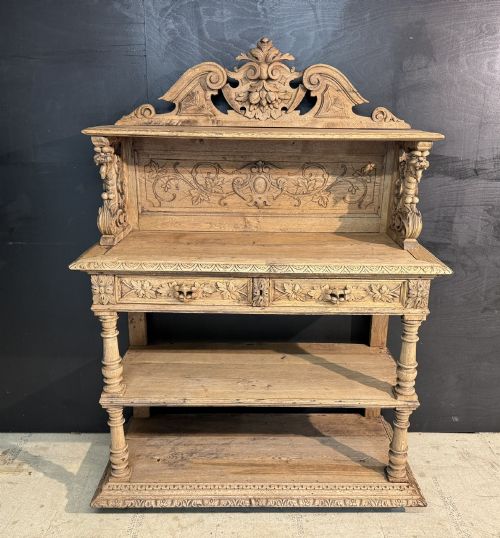
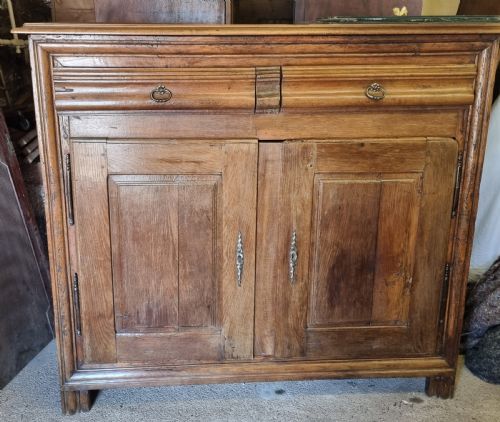
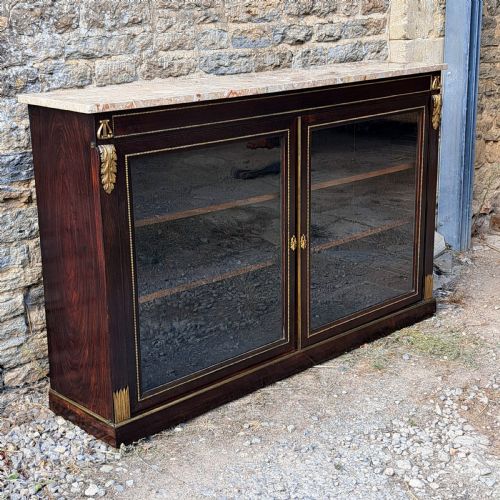
A 19th century french credenza stands as a substantial low storage piece, often displaying glass doors or open shelving flanked by cupboards. These items emerge alongside related forms like side cabinets, pier cabinets and commodes from the same era.
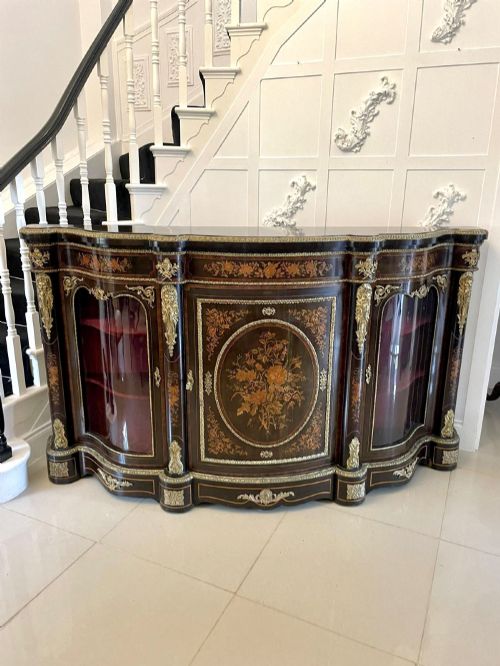
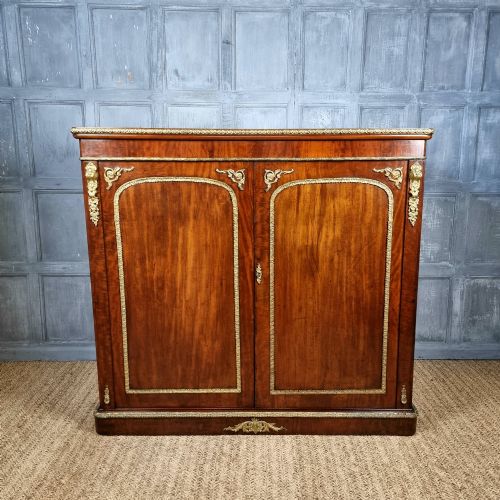
The versions met most frequently on this page combine nineteenth-century periods with revival styles, utilising figured veneers and gilt bronze mounts. Makers adapted earlier monarchical designs for domestic reception rooms, producing serpentine fronts and breakfront profiles.
How they were made
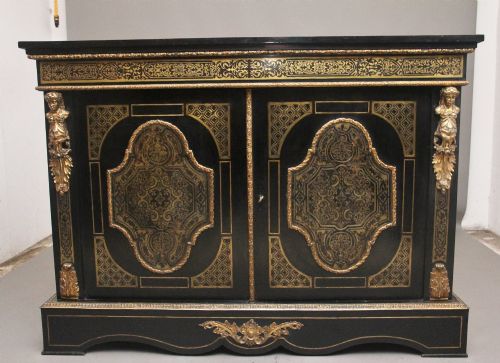
Carpenters constructed carcasses from foundational timbers like oak or pine, applying decorative surface veneers of burr walnut, kingwood, rosewood or ebonised wood. Marquetry panels incorporated floral motifs or geometric brass inlay set into tortoiseshell.
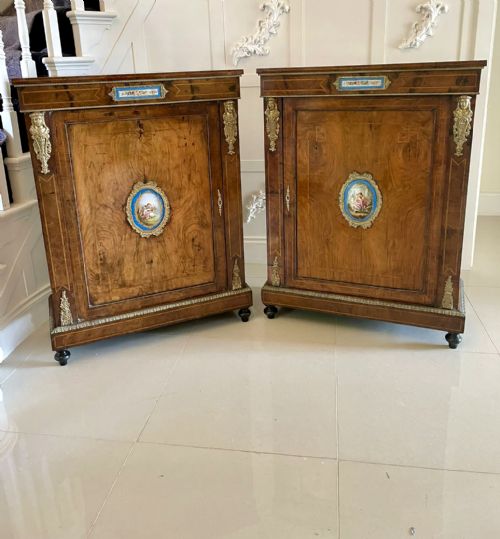
Mounts cast in ormolu or brass were chased and applied to corners, borders and door frames, while shaped marble slabs were fitted to top surfaces. Porcelain plaques, including Sevres style inserts, were frequently integrated into the cabinetry doors.
The inventory combines French Napoleon III and English Victorian periods with revival aesthetics from Louis XV and Louis XVI.
What varies in quality
The refinement of the cast bronze ormolu mounts separates standard production from exceptional examples, showing crisp detail in the chased foliage and figures. Precision in the marquetry cutting and the match of the timber grain across doors and panels indicates the skill of the workshop.
Integration of secondary materials dictates overall execution, seen in the selection of thick marble slabs and the quality of porcelain plaques. The complexity of the serpentine shaping and the stability of the foundational carcass complete the hierarchy of manufacture.
Henry Dasson·Gillows·Weisweiler
The 19th Century French Credenza Glossary
- Ormolu
- Gilded bronze used for decorative mounts and feet. This technique involved applying a mercury and gold amalgam to cast brass or bronze.
- Boulle
- Marquetry technique utilising brass and tortoiseshell inlaid in counter-change patterns. It was popularised during the reign of Louis XIV and revived in the nineteenth century.
- Marquetry
- Decorative veneer patterns formed from pieces of wood, shell or metal applied to a carcass. Craftsmen arranged contrasting grains to create floral or geometric pictures.
- Serpentine
- A curved furniture front curving outward in the centre and inward at the sides. This contour required precise woodworking to follow the sweeping lines.
- Pier Cabinet
- A narrow display cabinet designed to fit the wall space between windows. These pieces frequently featured glass doors and velvet-lined interiors.
19th Century French Credenza: Frequently Asked Questions
Where were these cabinets placed?
These pieces found their positions against principal salon walls or between large windows, anchoring the formal layout of a nineteenth-century interior.
They served both as display surfaces for decorative objects and as enclosed storage for valuable dining wares or documents.
How do I clean marble tops?
Polished stone surfaces require gentle wiping with a damp cloth and mild, neutral soap to remove dust without harming the porous material. Acidic liquids must be kept away from the surface to prevent permanent etching of the polish.
What is boulle work?
Boulle work involves cutting intricate designs from thin sheets of brass and tortoiseshell pressed together, creating matching positive and negative panels. Craftsmen glued these detailed inlays onto ebonised wood carcasses to catch the candlelight.
How do I spot a revival piece?
Revival items display nineteenth-century construction methods, such as secondary timbers and machine-sawn elements, beneath decorative styles borrowed from earlier centuries. Hardware fixings and interior shelving often provide clear clues to the actual date of manufacture.