

19th Century French Candelabra
These 19th century french candelabra bring sculptural presence and warm illumination to a mantel or side table, shaped by diverse revivalist movements.
19th Century French Candelabra
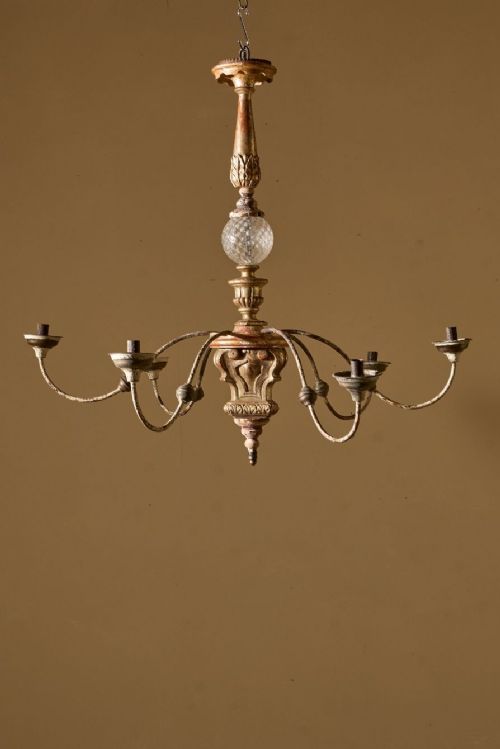
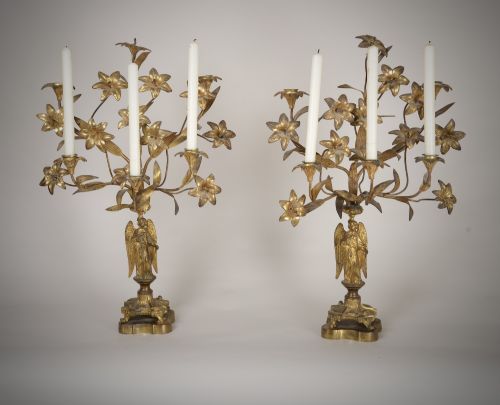
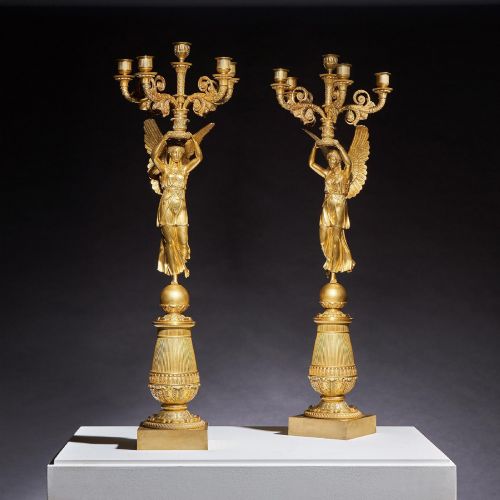
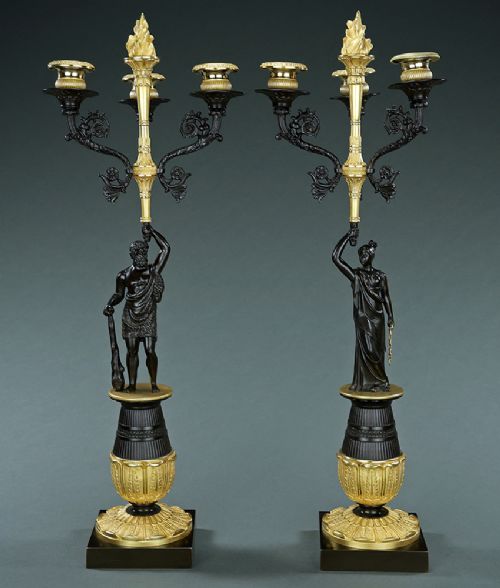
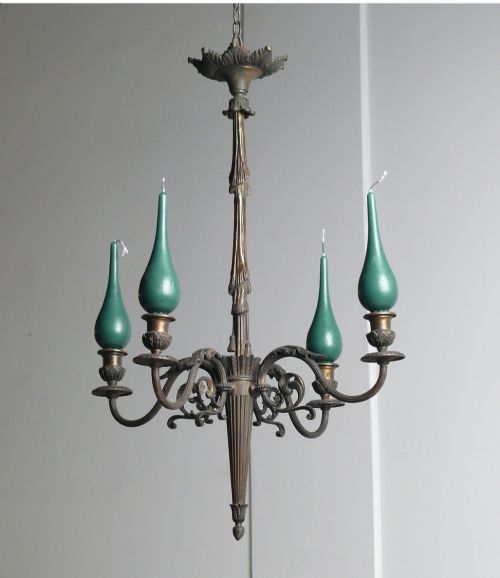
Buyers exploring 19th century french candelabra encounter decorative lighting pieces designed to hold multiple candles, often paired as matching sets for formal room symmetry. These metalwork objects frequently incorporate figural elements, architectural motifs, and ornamental arms radiating from a central stem.
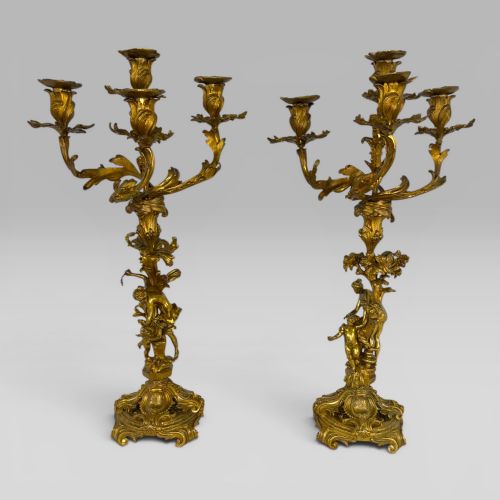
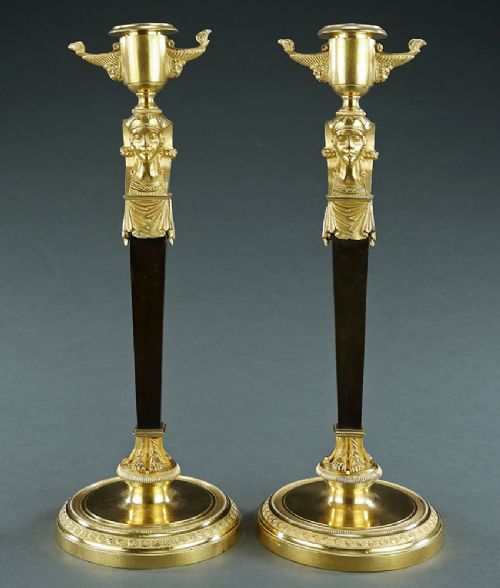
The selections available range from restrained neoclassical models to heavily ornamented rococo and empire designs. Many examples integrate contrasting materials, pairing dark patinated metals with polished gilt highlights.
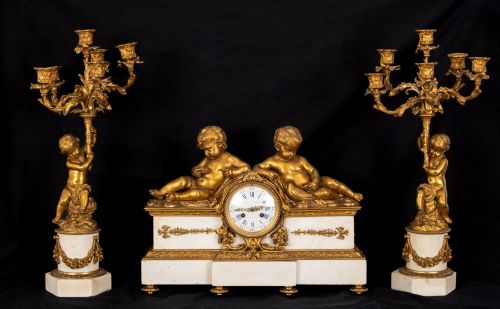
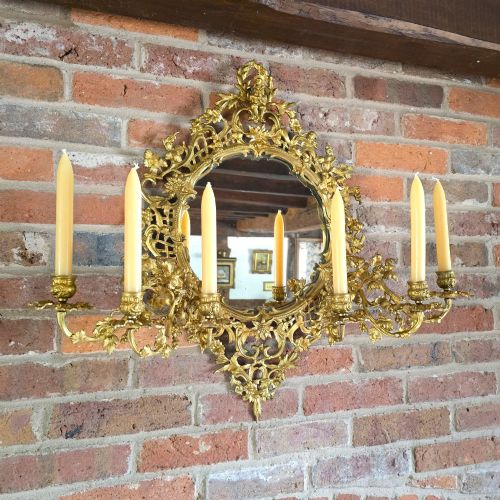
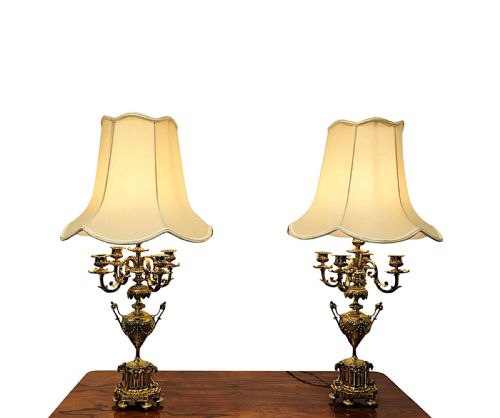
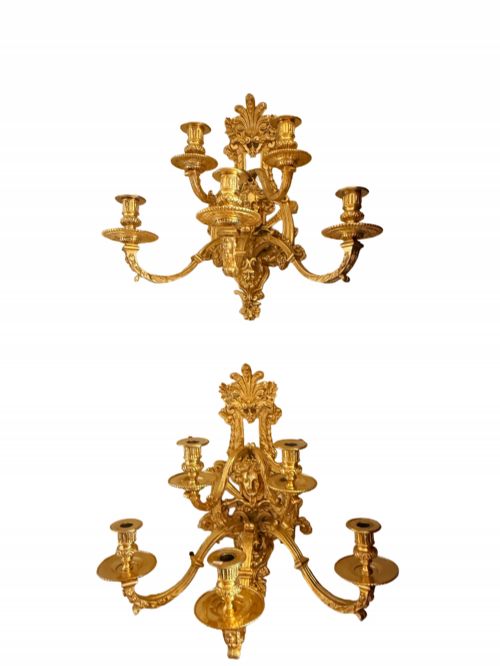
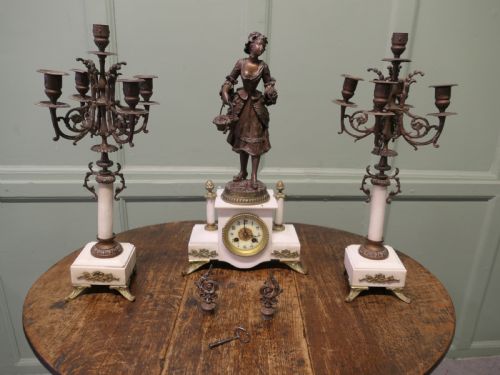
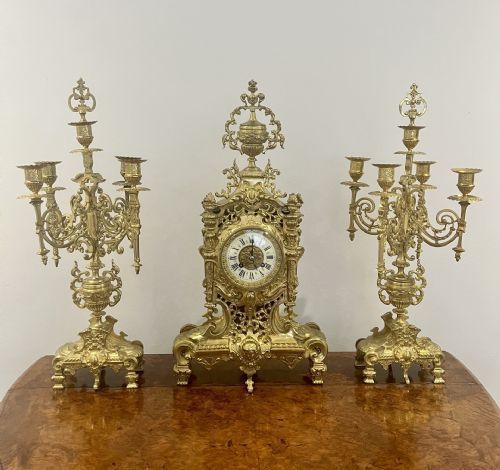
Beyond standard tabletop lighting, surviving items include wall-mounted sconces, garniture sets flanked by matching clocks, and pieces adapted for modern electrical wiring. The overarching aesthetic reflects the shifting tastes of nineteenth-century French designers drawing inspiration from earlier historical reigns.
Materials and construction methods
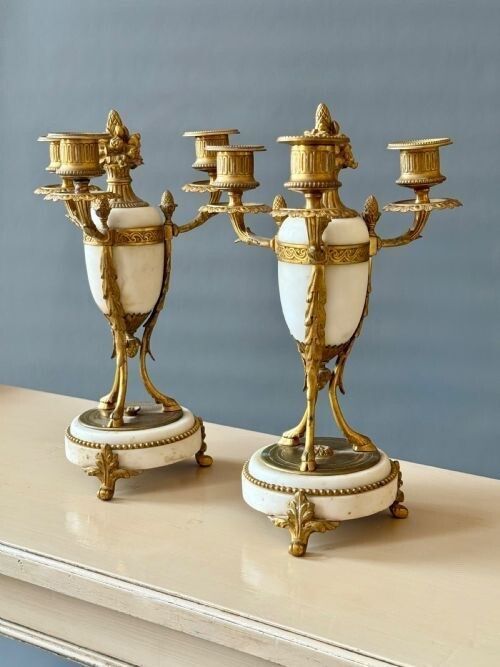
Many designs incorporate structural elements of white marble, onyx, or porcelain, which serve as solid bases or column shafts for the metal branches. Enamel and glass components appear selectively to add colour and texture to the finished arrangement.
19th Century French Candelabra Retail Price Guide 2026
Typical asking prices for 19th century french candelabra among the pieces listed under this phrase on Sellingantiques today, from the lower quarter to the upper quarter. They describe what is for sale here now, not the wider market.
The available listings demonstrate heavy reliance on gilt bronze, ormolu, and white marble, frequently styled in French Rococo and Empire revivals.
Distinguishing levels of execution
The distinction between standard production and exceptional work rests on the crispness of the hand-chased surface details and the weight of the cast metal. Superior examples display fluid articulation in figural sculptures and secure, well-fitted joints across multiple arms.
Makers who supplied high-end clientele utilised heavier bronze gauges and richer fire-gilding techniques that retain their lustre over time. Lesser pieces exhibit softer casting lines and simplified ornamentation that lacks depth.
Pierre Philippe Thomire·Henry Dasson·Rabiat
The 19th Century French Candelabra Glossary
- Ormolu
- Gilded bronze produced through a mercury amalgamation process or later electroplating methods. This surface treatment provides the bright gold-coloured finish seen on many nineteenth-century decorative items.
- Garniture
- A coordinated set of ornamental objects, typically comprising a central clock flanked by matching candelabras or urns. These sets were designed to display together on a mantelpiece.
- Champlevé
- An enamelling technique where troughs are dug into a metal surface and filled with vitreous paste before firing. The resulting patterns display colourful geometric or floral designs.
- Patinated bronze
- Metal treated with chemical solutions to darken the surface and create a controlled oxidized layer. This dark tone provides contrast against polished gilt highlights.
- Girandole
- A branched candleholder, often fitted with a wall mirror or designed as a freestanding table candelabrum. The reflective surfaces helped amplify ambient candle illumination.
19th Century French Candelabra: Frequently Asked Questions
How do I clean nineteenth-century gilt metal?
Dust these items gently using a soft, dry brush to prevent accumulation in recessed chased details. Avoid harsh chemical cleaners or abrasive cloths that can strip the delicate gilt surface.
Moisture should be kept away from any incorporated marble or enamel components during maintenance. Professional conservation is recommended for objects requiring deep intervention.
Were these candelabra electrified later?
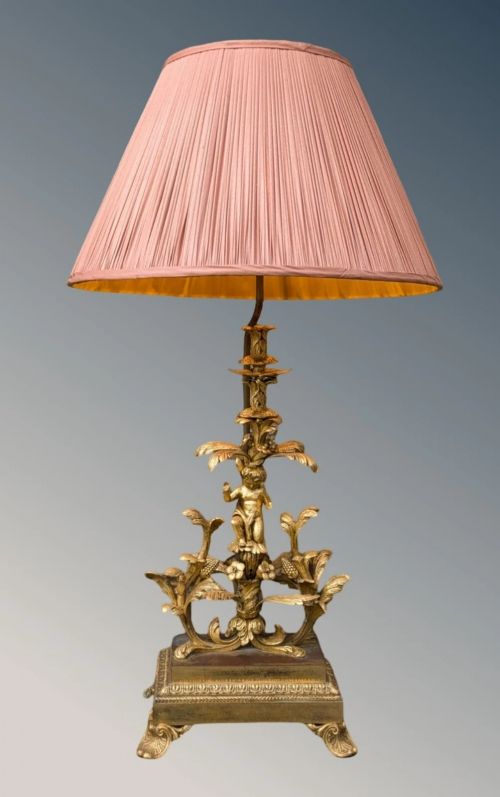
A portion of surviving pieces underwent conversion into table lamps during the twentieth century to accommodate modern domestic lighting. This adaptation often involved running internal wiring through the central shaft.
Collectors evaluate whether conversions are reversible without damaging the original metalwork. Unaltered pieces retaining their original wax pans remain desirable for traditional displays.
How are empire style pieces identified?
Empire designs draw on classical Roman, Greek, and Egyptian motifs, featuring symmetrical layouts, military trophies, and sphinx or eagle figures. The metalwork relies on a strict architectural geometry rather than asymmetrical curves.
Stricter adherence to classical proportions distinguishes these items from later, more flamboyant revival styles. Rich patinated bronze paired with bright ormolu mounts is typical of the period.
Can missing bobeches be replaced?
Bobeches, the small drip pans fitted beneath the candle nozzles, frequently suffer loss or damage over long periods of use. Replacement components can be sourced through specialist antique restorers who match period brass and bronze alloys.
Matching the correct casting style and finish to the parent piece requires careful sourcing. Replacements should ideally replicate the weight and chasing of the original fixtures.