




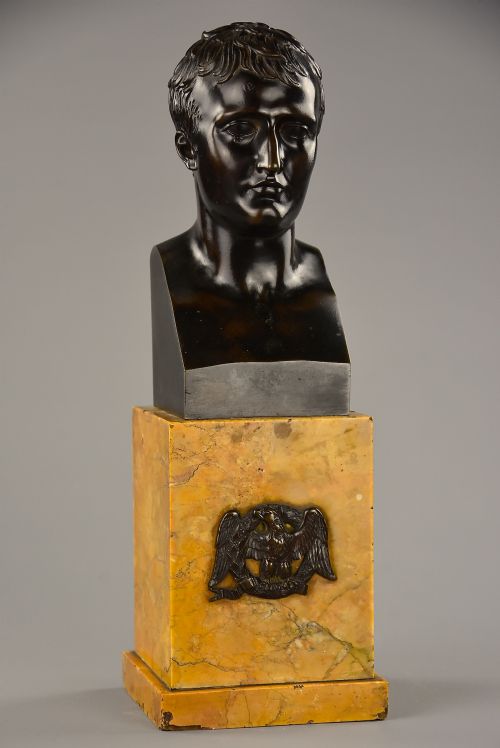


19th Century French Bust
A 19th century french bust captures the character and sculptural mastery of the period, offering buyers a tangible piece of classical or art nouveau portraiture.
19th Century French Bust
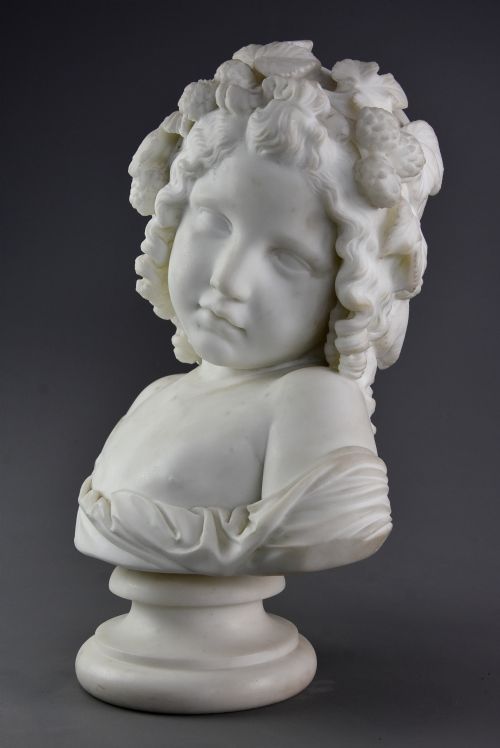
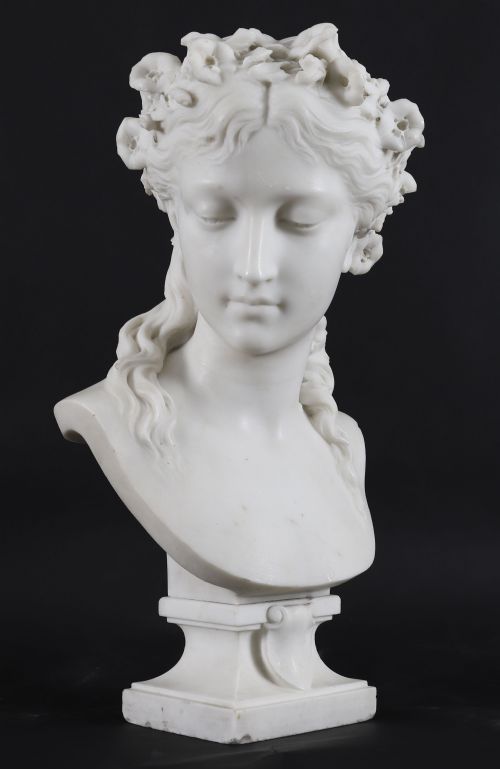
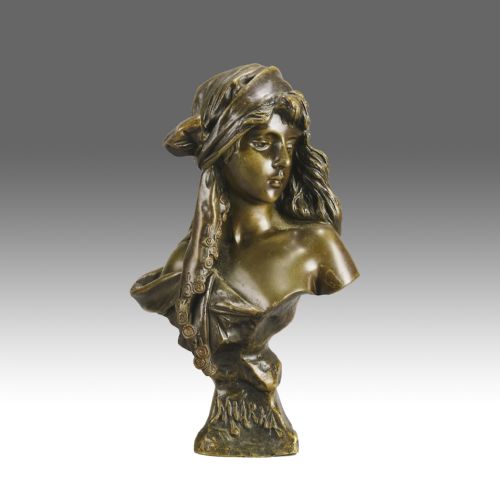
A 19th century french bust typically depicts historical figures, literary characters, classical deities, or idealized female studies in the round. These sculptures reflect the shifting tastes of the century, moving from rigid neoclassical portraiture to the fluid, organic lines of art nouveau.
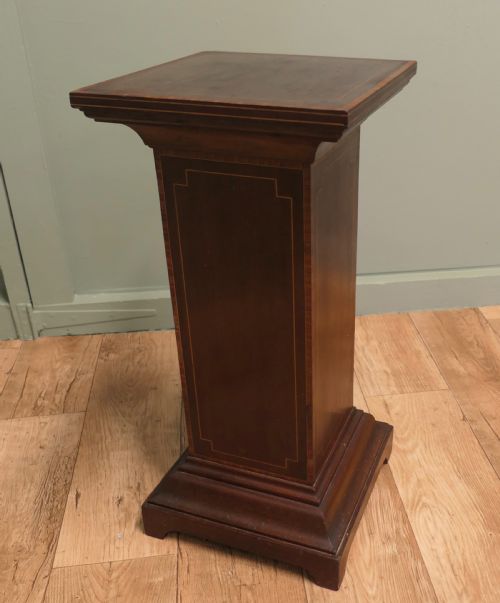
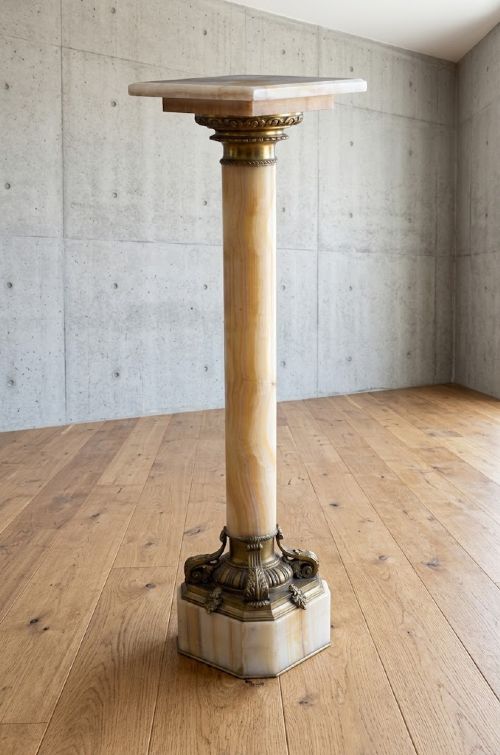
Most pieces encountered on this page originate from French foundries and studios spanning the eighteen-hundreds up to nineteen-ten. They appear primarily as standalone bronze or marble sculptures, frequently mounted upon matching stone pedestals or mixed-material bases.
Makers ranged from academy-trained sculptors to commercial foundries producing reductions of famous museum works. Buyers select them to anchor a room with classical dignity or to introduce period decorative character to a mantelpiece or hallway.
Materials and Construction Techniques
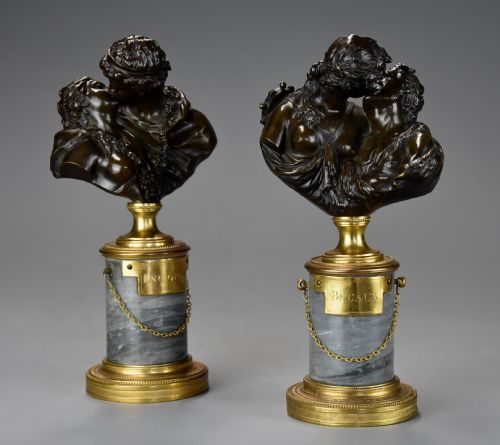
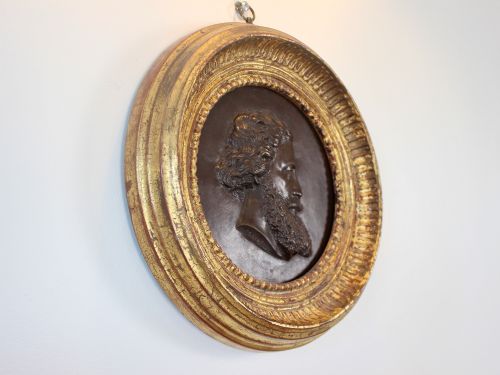
Foundries utilised the lost-wax casting method or sand casting to produce bronze portraits, often applying chemical patination to achieve deep brown, green, or near-black surface tones. Ormolu mounts and gilt bronze highlights were frequently added to enhance architectural bases and collars.
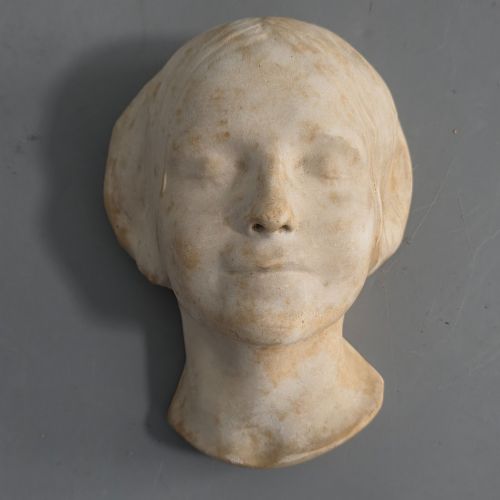
Stone carvers worked directly with carrara marble, alabaster, or onyx, sometimes turning to terracotta or bisque porcelain for smaller portrait figures. Bases often combined contrasting materials, pairing dark slate or marble plinths with lighter sculptural subjects.
Listings feature works spanning the nineteenth century, utilising materials such as carrara marble, patinated bronze, alabaster, onyx, and terracotta across neoclassical and art nouveau styles.
Distinctions in Quality
The precision of the chiselling and chasing following the cast separates standard commercial foundry work from museum-quality sculpture. Superior bronzes retain crisp facial details, delicate hair texture, and subtle surface transitions without softening from worn production moulds.
Jean Antoine Houdon·Eugene Aizelin·Emmanuel Villanis·Mathurin Moreau·Adolphe Jean Lavergne·Eutrope Bouret
The 19th Century French Bust Glossary
- Patinated bronze
- A bronze sculpture treated with chemical acids to produce a specific surface colour and finish. This layer protects the metal while defining the tonal quality of the drapery and skin.
- Ormolu
- Gilt bronze ornamentation applied to furniture, clock cases, and sculpture bases. The technique involves fusing a mercury and gold amalgam to a bronze base through heat.
- Carrara marble
- A type of white or blue-grey marble quarried in the city of Carrara in central Italy. Sculptors favoured this stone for its fine grain and luminous surface quality.
- Bisque porcelain
- Unglazed porcelain with a matte, tactile surface resembling marble. French factories utilised this material for delicate portrait busts and decorative figures.
- Neoclassical
- A Western cultural movement drawing inspiration from the art and culture of classical antiquity. Sculptures in this style emphasise severe dignity, restraint, and classical dress.
19th Century French Bust: Frequently Asked Questions
What subjects do these busts typically depict?
These sculptures portray a wide range of subjects including classical mythological figures, historical leaders like Napoleon, literary characters, and allegorical female studies. Artists also rendered contemporary political figures and society portraits.
Subjects often reflect the prevailing aesthetic of the decade in which they were produced, shifting from solemn neoclassical heroes to expressive art nouveau maidens.
How are bronze busts signed and stamped?
Sculptors usually signed their models directly into the clay or wax before casting, resulting in a signature that appears cast into the metal itself. Foundries sometimes added their own stamps or cachets to the base.
Signatures confirm the hand of the artist or the commercial edition, helping to place the work within a specific nineteenth-century studio tradition.
Where should I place a heavy marble bust?
Due to their substantial weight, marble and alabaster sculptures require sturdy support such as dedicated stone pedestals, strong architectural columns, or heavy low cabinets. Placing them away from direct heat sources prevents thermal stress to the stone.
Positioning them at eye level or slightly above allows the carved facial expressions and patination details to be viewed correctly.
How do I care for nineteenth-century patinated bronze?
Maintaining bronze requires gentle dusting with a soft, dry cloth to prevent the accumulation of abrasive particles. Avoid using liquid cleaners, polishes, or oils which can damage the original chemical patination.
A light application of microcrystalline wax is occasionally used by conservators to protect the metal surface from atmospheric moisture.