
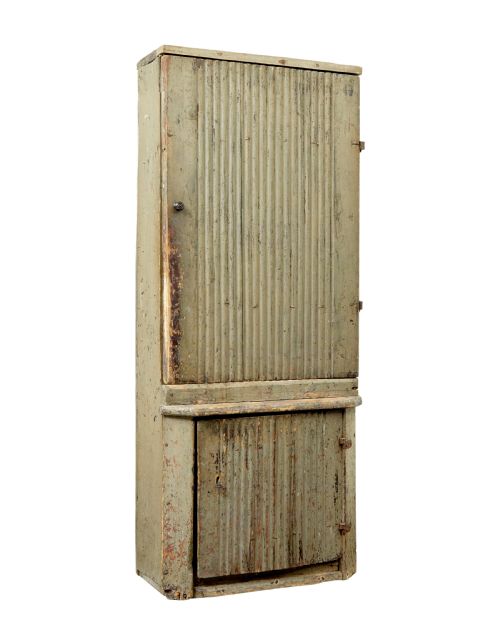


19th Century Food Cupboard
These 19th century food cupboard pieces are utilitarian domestic storage furniture in pine and oak, prized for their regional character and practical proportions.
19th Century Food Cupboard
A 19th century food cupboard represents essential domestic storage from regional kitchens and larders across Britain, France, Scandinavia, and Eastern Europe. These utilitarian items were designed to store bread, cheese, and perishables before modern refrigeration, utilising local timber and vernacular traditions.
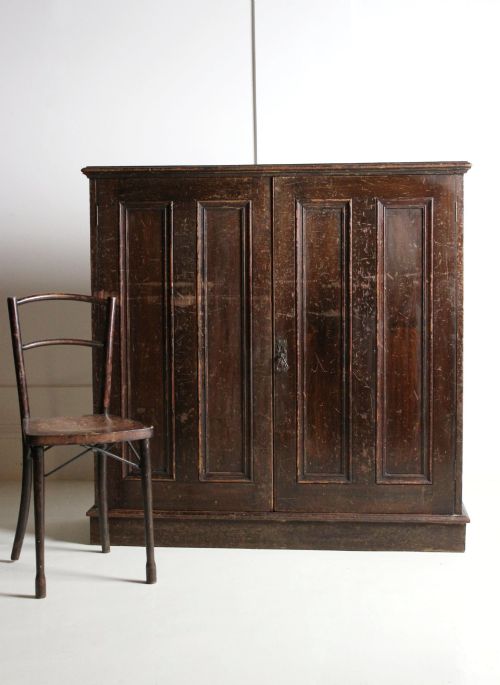
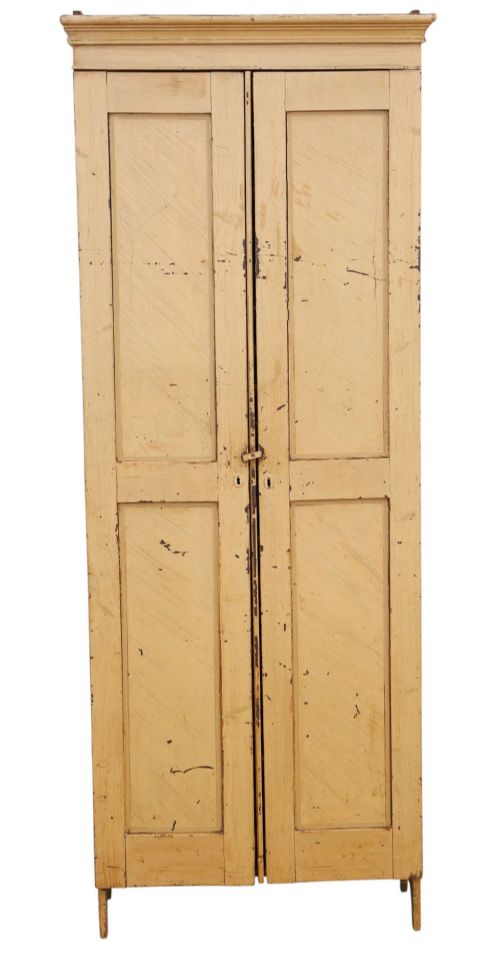
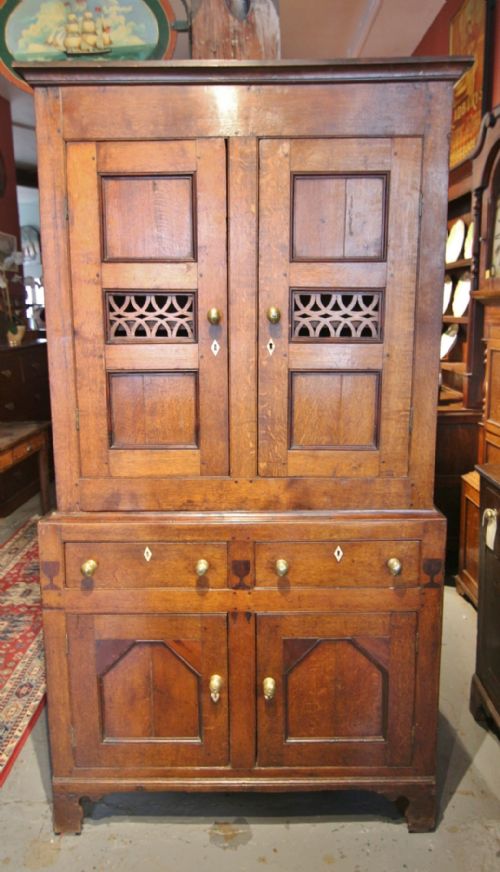
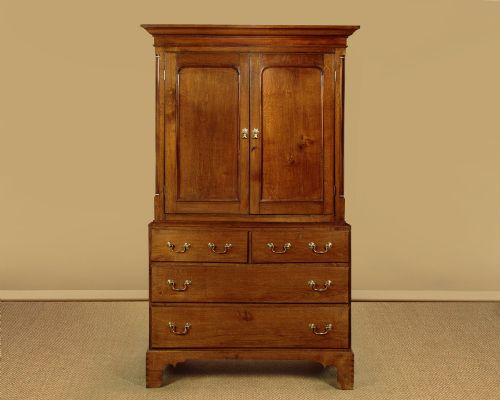
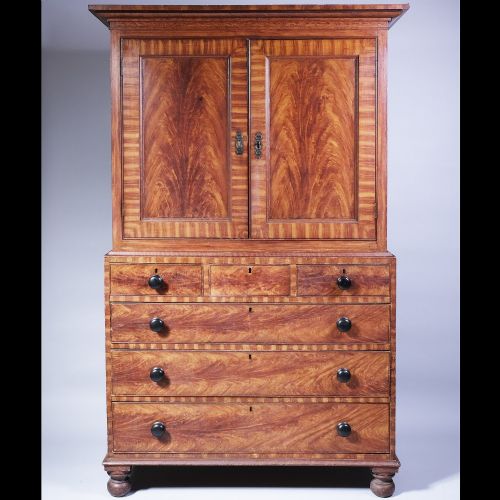
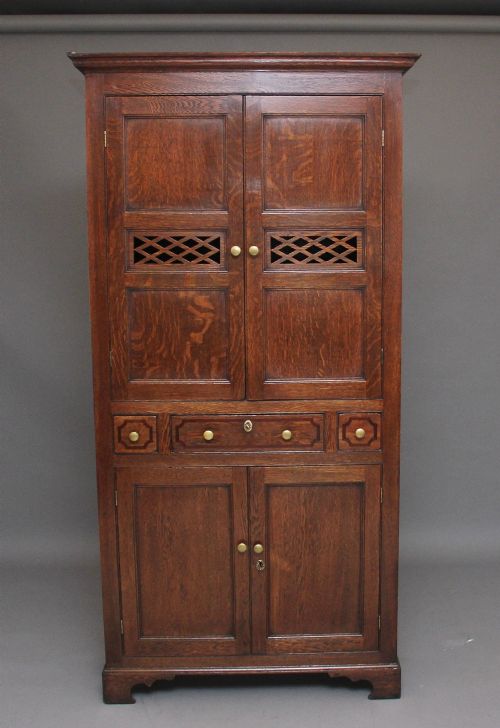
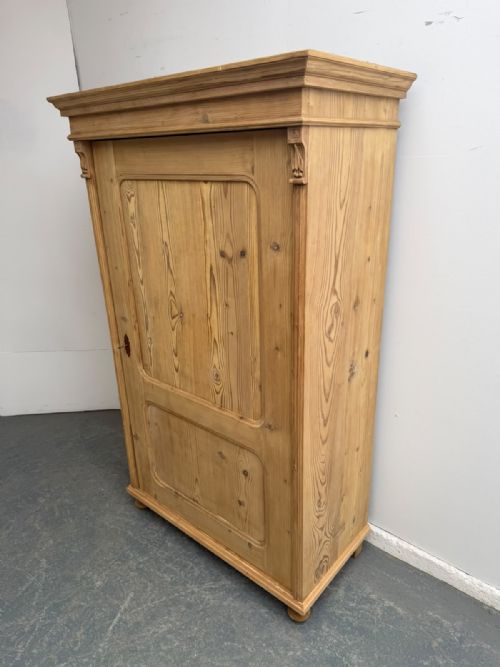
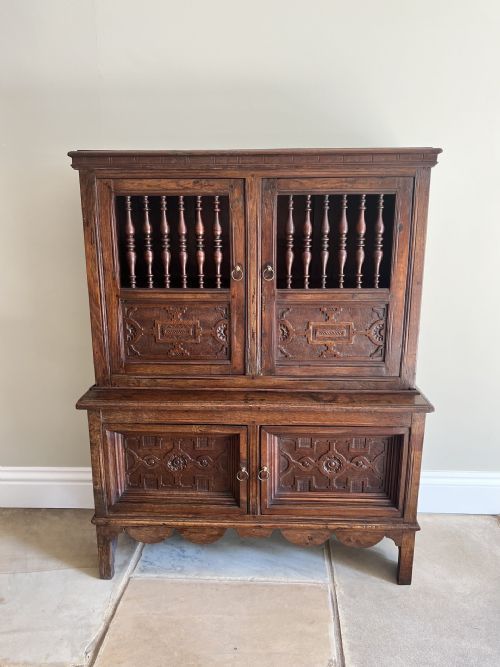
The pieces appearing on this page range from tall housekeeper's larders and press cupboards to low single-door pine cabinets and specialised bread safes like the panetière. Oak examples reflect British vernacular making, whilst pine and painted surfaces dominate Scandinavian country and French provincial workshops.
Buyers seeking a 19th century food cupboard will encounter diverse regional forms, from Welsh inlaid bread and cheese cupboards to Swedish ragwork painted kitchen cabinets and Scottish food cupboards. Their enduring appeal lies in their honest construction, unpretentious utility, and deep connection to rural domestic life.
How they were made
Makers constructed these cupboards primarily from solid native timbers such as pine, oak, chestnut, and walnut, chosen for availability and local utility. Joinery relied on traditional methods suited to domestic workshops, accommodating seasonal wood movement in kitchen environments.
Surface treatments varied significantly by region, employing traditional milk paints, scumble glazes, hand-mixed pigments, and ragwork finishes alongside plain waxed or polished wood. Iron and brass hardware, including strap hinges and latches, completed the functional construction of each piece.
Geographic origins range from Welsh and Scottish vernacular workshops to French provincial and Scandinavian folk art traditions.
What varies in quality
Quality in these domestic pieces is rooted in the integrity of the original timber and the survival of early or untouched surface finishes. Original paint, scumble work, or natural patination on pine and oak elevates a piece far above later stripped or modernly painted surfaces.
Structural refinement also distinguishes better examples, seen in thoughtful proportions, regional decorative carving, or inlaid details like those found on Welsh vernacular pieces. The honesty of the construction and the degree of original hardware remaining intact define the upper tier of the range.
The 19th Century Food Cupboard Glossary
- Panetiere
- A small cabinet or bread safe designed for storing loaves away from rodents, often featuring turned spindles for ventilation.
- Housekeeper's Cupboard
- A large multi-tier storage piece traditionally used in country houses for linens, provisions, and dry goods.
- Scumble Painted
- A decorative surface technique where a translucent glaze is manipulated over a lighter base colour to imitate graining.
- Ragwork
- A paint application method using rags to create mottled or textured patterns on pine furniture surfaces.
- Vernacular
- Architecture and furniture built by local craftsmen using traditional regional methods and materials without academic design.
19th Century Food Cupboard: Frequently Asked Questions
What is a 19th century food cupboard used for?
These cupboards were originally built to store perishable provisions, bread, and cheese in domestic kitchens before mechanical refrigeration existed.
Today, buyers utilise them in modern homes as larder units, kitchen pantries, or general storage furniture for tableware and linens.
How do I identify a regional style?
Regional identity is revealed through the choice of timber and decorative traditions, such as oak for British vernacular pieces or pine for Scandinavian workshops.
Surface finishes like French provincial paint, Swedish ragwork, or Welsh inlay provide further clues to their geographic origins.
Are painted finishes original?
Many Scandinavian, French, and British country cupboards retain early or original painted surfaces, which are highly prized by collectors for their patina.
Some pieces were stripped or repainted later in their history, so close inspection of the pigment layers and wear patterns is essential.
Where were these cupboards made?
They were made across Europe in rural workshops, farms, and provincial towns to serve the daily needs of households.
Common origins represented include Wales, Scotland, England, France, Sweden, and Eastern Europe.