


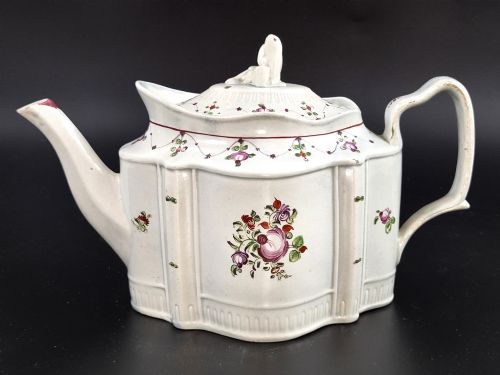
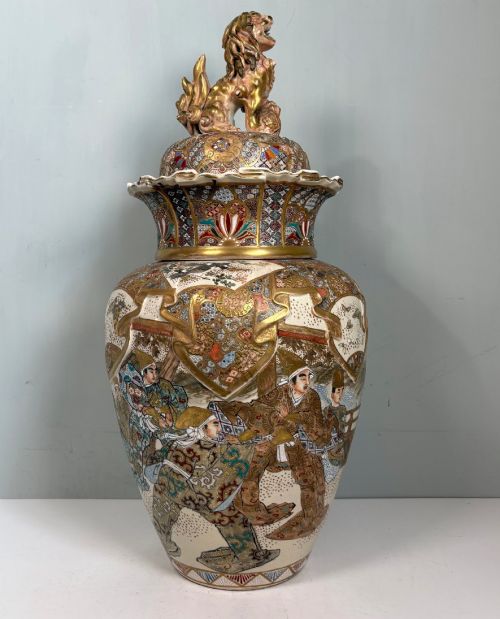

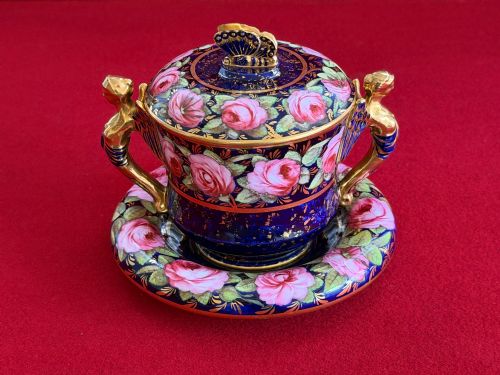
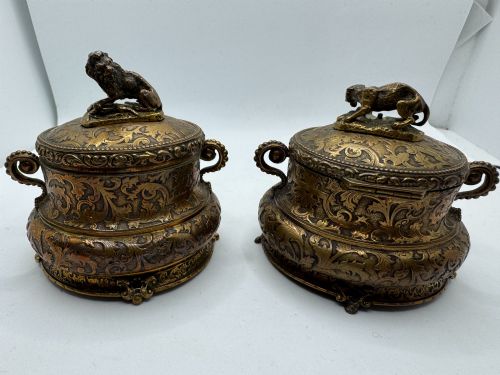
19th Century Finial
When you search for a 19th century finial, you encounter architectural ornaments, clock tops, and decorative terminals that anchor period design.
19th Century Finial
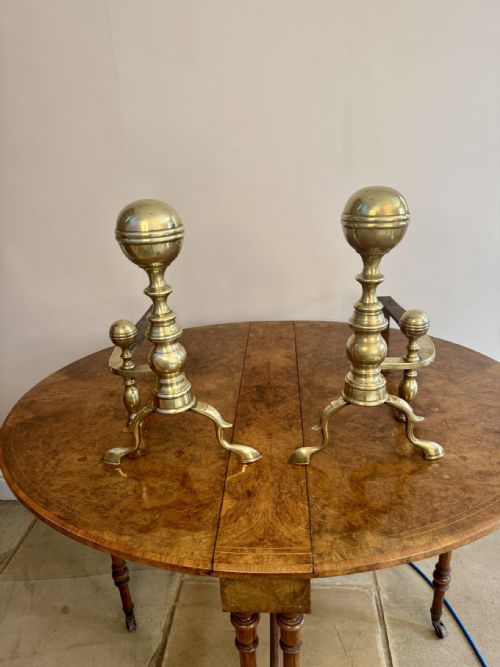
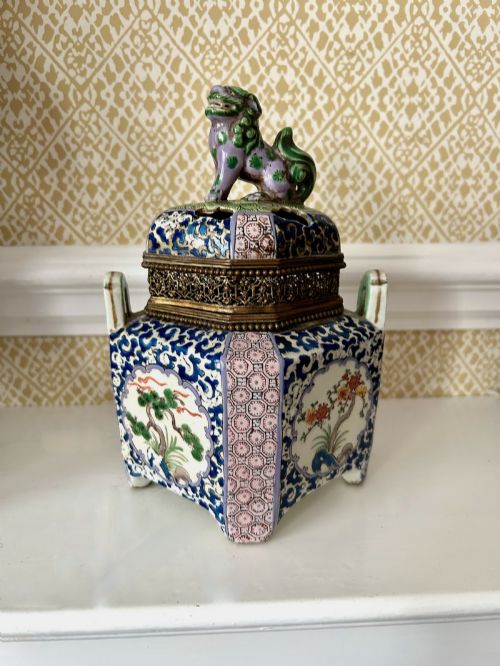
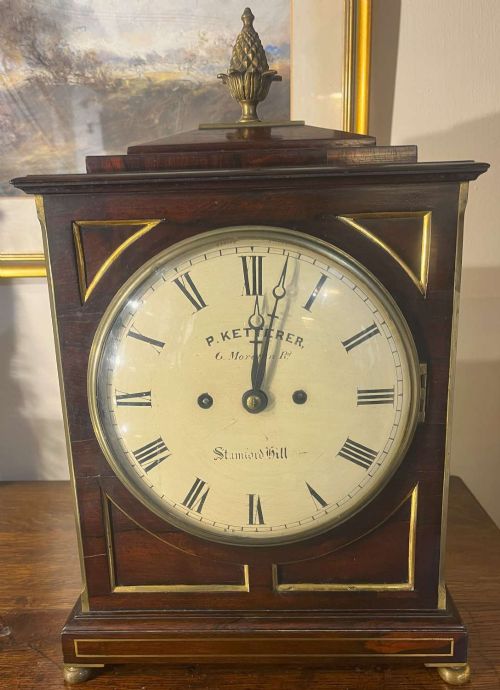
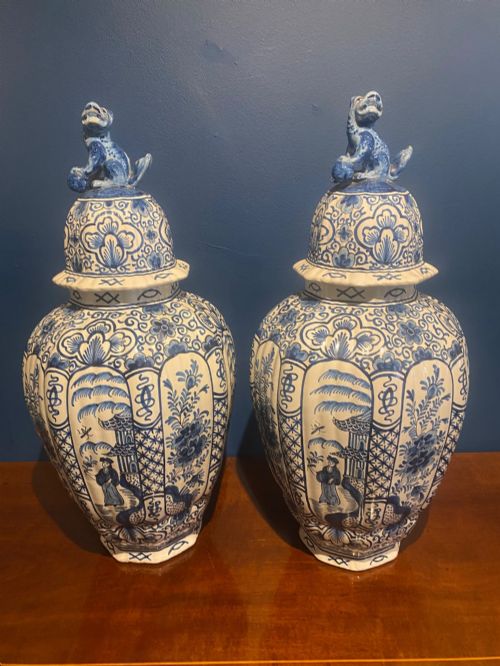
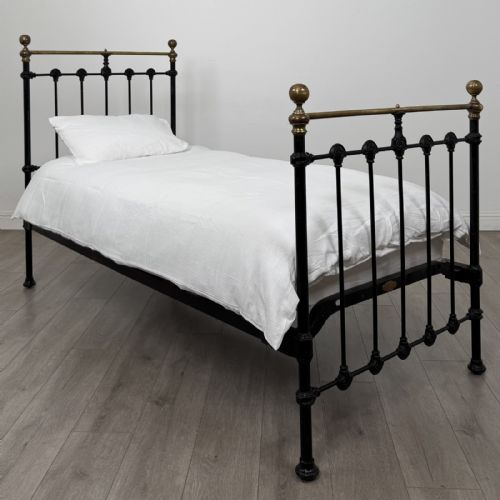
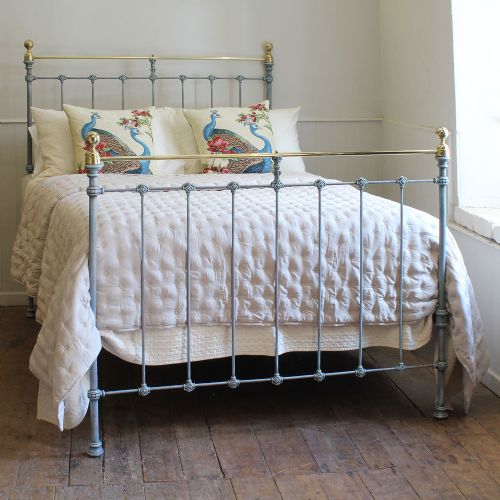
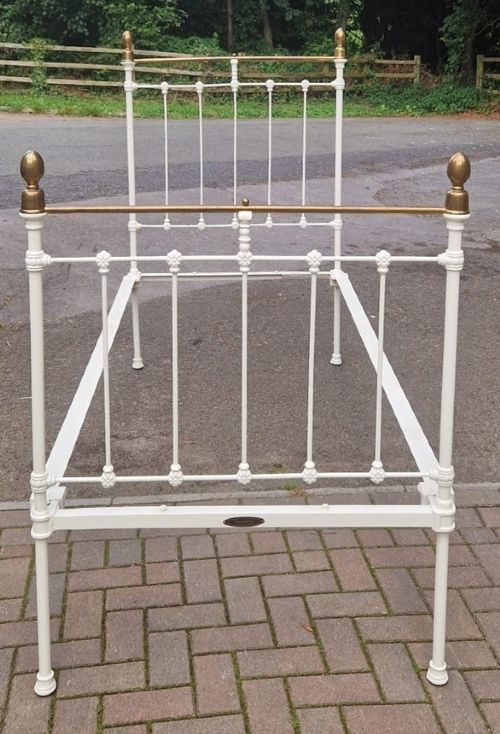
A 19th century finial serves as a crowning terminal ornament on objects such as clocks, furniture, and architectural elements. You meet these pieces in various forms, including carved oak poppy heads, brass balls, giltwood shapes, and cast iron architectural terminals.
The evidence shows these elements mounted on longcase clocks, newel posts, mirrors, and lidded urns across the Regency, Victorian, and later nineteenth-century periods. They function as both structural anchors and decorative endpoints for larger pieces of furniture and metalwork.
Makers and artisans of the era utilised specific regional styles, shifting from neoclassical mahogany urns to Gothic church carvings and French rococo ornamentation. These items reflect the broader design movements of the nineteenth century in miniature decorative components.
Materials and construction methods
Makers shaped these components from dense hardwoods like mahogany and oak, employing carving and turning techniques to achieve balanced symmetrical forms. Metal versions utilised cast iron, brass, copper, and gilt bronze, often cast in multiple parts before assembly.
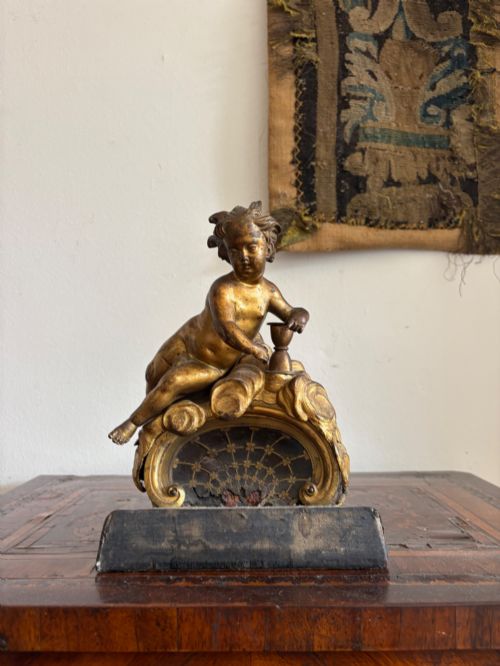
Gilding and surface treatments played a significant role, with gold leaf and ormolu finishes applied to wood and bronze substrates to create reflective highlights. Stonework and ceramics also appeared, utilising terracotta and glass moulded into specific terminal profiles.
19th Century Finial Retail Price Guide 2026
Typical asking prices for 19th century finial among the pieces listed under this phrase on Sellingantiques today, from the lower quarter to the upper quarter. They describe what is for sale here now, not the wider market.
Some nineteenth-century church benches wear carved wooden poppy heads that look ready to sneeze.
Assessing quality in period terminals
The crispness of the carving or the precision of the metal casting dictates the visual standard of the piece, where sharper undercut details indicate superior handwork. Clean joints, original surface patination, and the retention of original gilding or polish separate utilitarian examples from finer ornamental work.
Material selection influences overall integrity, with dense timbers and heavy-gauge brass or bronze demonstrating greater durability and refined weight distribution. The harmony between the terminal ornament and its intended object type points to thoughtful design coordination.
Samuel Marti·Thomas Jackson·John Bull of Bedford·Leplastrier of London·Webster Cornhill London
The 19th Century Finial Glossary
- Finial
- A decorative terminal ornament that marks the highest point of a piece of furniture, clock, or architectural structure.
- Ormolu
- Gilt bronze or finely chased brass mounted onto decorative objects, popular in French and English Regency design.
- Newel Post
- The principal post at the foot or landing of a stair, frequently capped with a carved wooden or glass finial.
- Poppy Head
- A carved wooden ornament, often resembling a bud or poppy, terminating the top of a pew or bench end in Gothic church architecture.
- Bracket Clock
- A portable clock designed to sit on a bracket or table, commonly featuring brass handle terminals or decorative top finials.
19th Century Finial: Frequently Asked Questions
What objects use a 19th century finial?
These decorative terminals appear most frequently on tall case clocks, furniture pieces, mirrors, and architectural roofs.
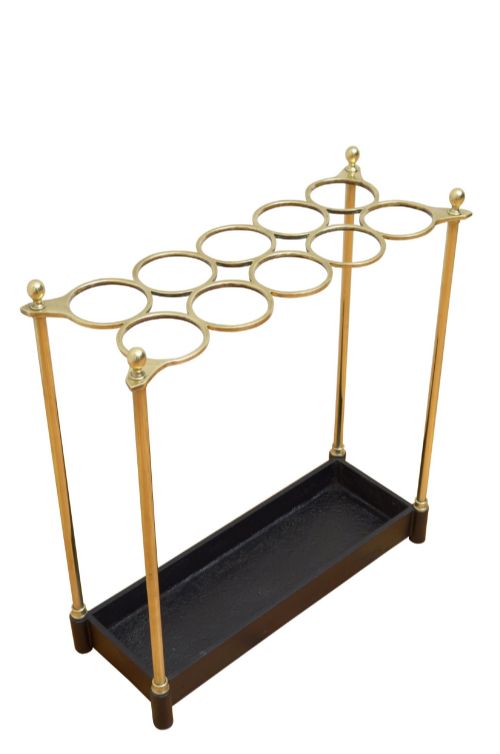
They also mount onto metal fire irons, umbrella stands, and lidded urns from the period.
How do I identify the period of a finial?
Dating relies on matching the material, tool marks, and stylistic vocabulary to known nineteenth-century movements like Regency, Gothic Revival, or Victorian.
Changes in metal casting methods and timber preparation across the century help narrow the date of manufacture.
Were these pieces always attached to furniture?
While many served as integral components of clocks and cabinetwork, some functioned as independent architectural elements.
Examples include copper weather vanes, lead air vents, and terracotta roof terminals designed for exterior placement.
How should I clean a brass or bronze terminal?
Care involves removing surface dust with a soft, dry cloth while preserving the historic patinated layer accumulated over time.
Harsh chemical polishes should be avoided to protect the original surface integrity of the metal.