




Decorative Metal Finial
These decorative metal finial pieces are architectural and furnishing accents shaped in brass, iron, bronze, and ormolu that punctuate beds, gates, and urns.
Decorative Metal Finial
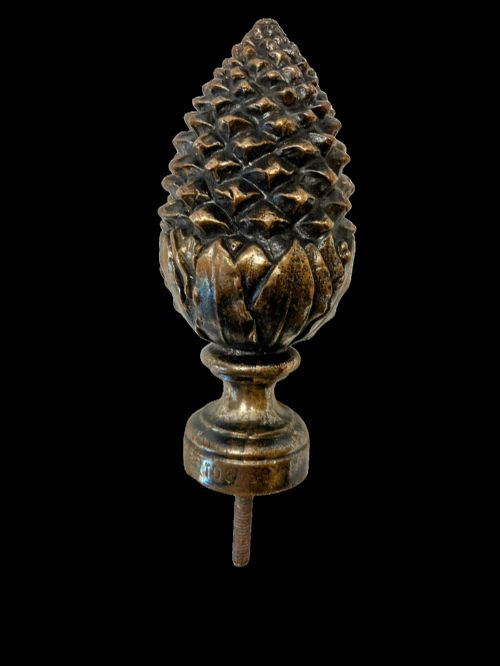
When you search for a decorative metal finial, you are looking at functional terminal ornaments that cap architectural hardware, furniture, and hearth accessories. The selection on this page runs from staircase terminals to mounts on firedogs, garden gates, and lidded urns.
The versions you are most likely to meet span the nineteenth century and the Victorian era, alongside eighteenth-century architectural salvage. They appear in brass, cast iron, wrought iron, bronze, and ormolu, reflecting styles from the Regency revival to neoclassical and French nineteenth-century design.
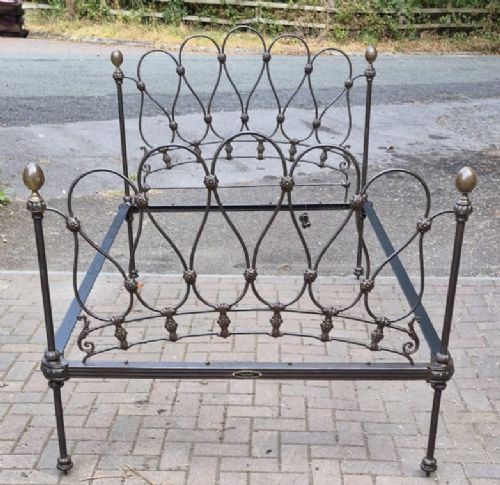
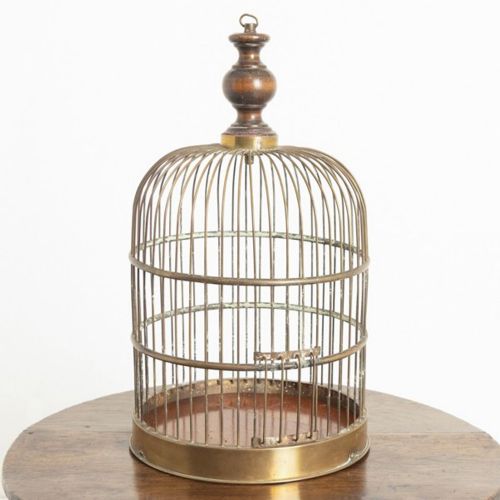
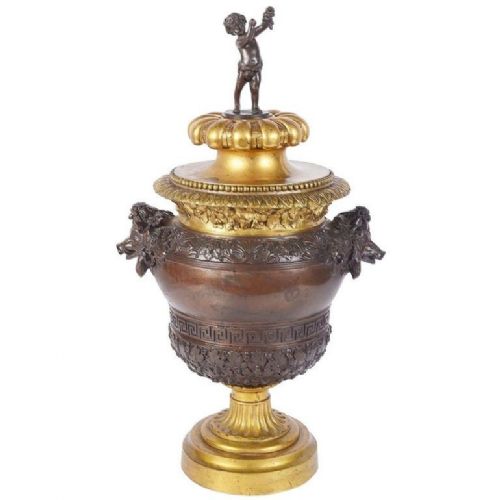
Many of these items function as distinct decorative objects in their own right, detached from the larger iron bedsteads, gates, or incense burners they once completed. Their forms draw on classical urn shapes, bird cages, and architectural terminals, serving as sculptural focal points for interiors and gardens.
How they were made
Makers shaped these objects using foundational metalworking techniques suited to the material at hand, employing casting for bronze, brass, and iron components. Cast iron and bronze examples often display crisp relief work, while ormolu combines metal casting with mercury gilding for a bright surface finish.
Wrought iron elements rely on hot forging, where the metal is hammered and bent into structural details like curls and trident motifs seen on gates and bedsteads. Toleware items involve painted metal surfaces, combining sheet metal shaping with applied decorative pigments that survive from the nineteenth century.
Decorative Metal Finial Retail Price Guide 2026
Typical asking prices for decorative metal finial among the pieces listed under this phrase on Sellingantiques today, from the lower quarter to the upper quarter. They describe what is for sale here now, not the wider market.
Periods represented span the eighteenth century, the Victorian era, and the nineteenth century up to nineteen hundred.
What varies in quality
The standard of a decorative metal finial depends on the precision of the casting and the crispness of the chased or forged details. Finer examples show sharp definition in foliage, classical motifs, and structural edges without softening from worn moulds.
Material choice and surface preservation also dictate the character of each piece. Intact patination on bronzes, original ormolu gilding, and uncompromised wrought iron structure distinguish superior examples from heavily altered or pitted metalwork.
The Decorative Metal Finial Glossary
- Ormolu
- A gilded bronze technique utilising finely ground gold amalgam applied to a cast bronze base. This process creates a rich, luminous golden surface popular in neoclassical and French decorative arts.
- Toleware
- Painted or lacquered sheet metal items produced from the eighteenth century onwards. The technique involves applying durable pigments over a metal substrate to create decorative urns and household objects.
- Andirons
- Horizontal metal supports raised on legs, designed to hold logs in an open fireplace. Pairs of these hearth accessories frequently feature decorative finials or cast brass terminals.
- Salvage
- Architectural elements recovered from older buildings, gates, or furniture before demolition. This category includes cast iron staircase finials and wrought iron garden gate components.
Decorative Metal Finial: Frequently Asked Questions
What is a decorative metal finial?
A decorative metal finial is a terminal ornament placed at the apex of a structure, furniture piece, or architectural element. These pieces cap items such as iron bedsteads, garden gates, staircase posts, and lidded urns.
They serve both a structural purpose in sealing an end and a decorative role in completing the design of an object. Materials range from cast iron and wrought iron to brass, bronze, and ormolu.
How do I style a finial at home?
These metal finials and terminal ornaments work well when displayed independently as sculptural objects on mantelpieces, bookshelves, or side tables. Their varied materials, including aged brass and patinated bronze, introduce texture to a room.
Larger pieces like lidded bronze urns or cast iron architectural elements function as focal points on surfaces. Pairing them with other nineteenth-century metalwork creates a cohesive interior aesthetic.
How do I date nineteenth-century metalwork?
Dating nineteenth-century metal items involves examining the casting marks, construction techniques, and stylistic influences. Pieces from this era often draw on neoclassical, Regency, or Victorian design vocabularies.
Hand-wrought iron details differ from later machine-pressed elements, while the wear on brass, bronze, and ormolu surfaces provides clues to the age of the piece. Comparing the object to documented architectural salvage helps narrow the period.
What is the difference between brass and bronze?
Brass is an alloy of copper and zinc, typically possessing a brighter, golden-yellow tone when polished. It appears frequently in nineteenth-century firedogs, incense burners, and decorative hardware.
Bronze is an alloy of copper and tin, often displaying a deeper brown or patinated surface. Bronze lends itself to fine casting and chasing, as seen in classical urns and Grand Tour objects.