



Copper Architectural Salvage
Copper architectural salvage comprises heavy exterior lanterns, trade signs, and metal fittings shaped by 19th-century and Edwardian utility.
Copper Architectural Salvage
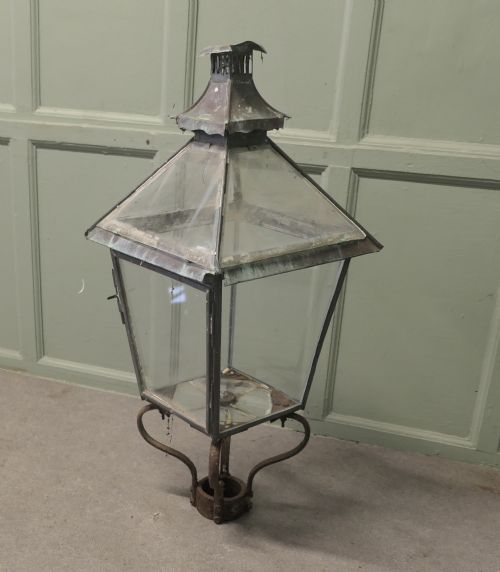
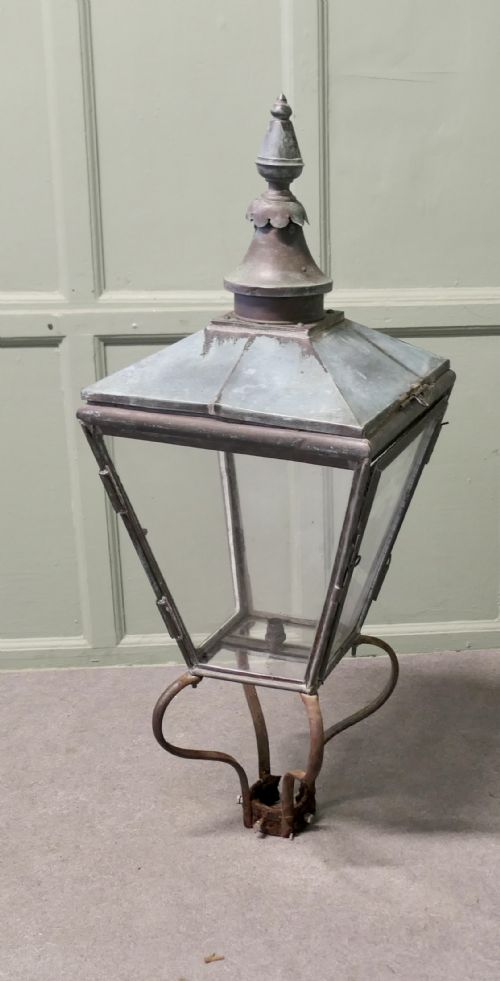
When you search for copper architectural salvage, you encounter substantial metalwork recovered from streetscapes, domestic hearths, and historic buildings spanning the 18th century through to the 1930s. The selection on this page leans heavily toward large outdoor street lanterns and gate post lights from the Victorian and Edwardian eras.
Beyond outdoor lighting, the inventory occasionally encompasses trade signs, decorative finials, and fireplace accessories formed from copper alloy, cast bronze, and iron. These survivors carry the marks of municipal and domestic infrastructure, often paired with glass panes or wrought iron mounts.
How they were made
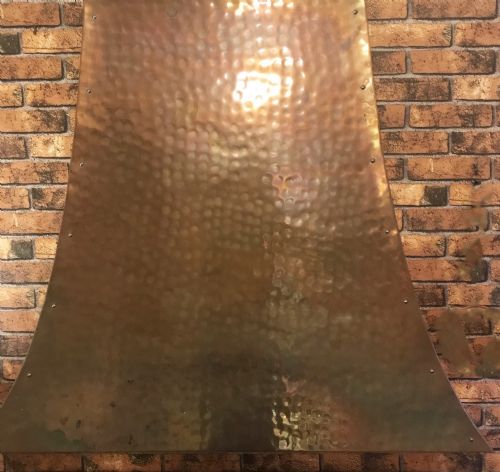
Makers shaped these utilitarian objects using sheet copper, frequently hand-hammered and joined to structural frames of cast iron and wrought iron. Glass inserts completed the weatherproofing for street lamps and exterior lanterns.
Surface finishes range from natural patination to remnants of early paint and hand-finished ornamental details, particularly on pieces associated with 1930s domestic fixtures and French 19th-century finials.
Copper Architectural Salvage Retail Price Guide 2026
Typical asking prices for copper architectural salvage among the pieces listed under this phrase on Sellingantiques today, from the lower quarter to the upper quarter. They describe what is for sale here now, not the wider market.
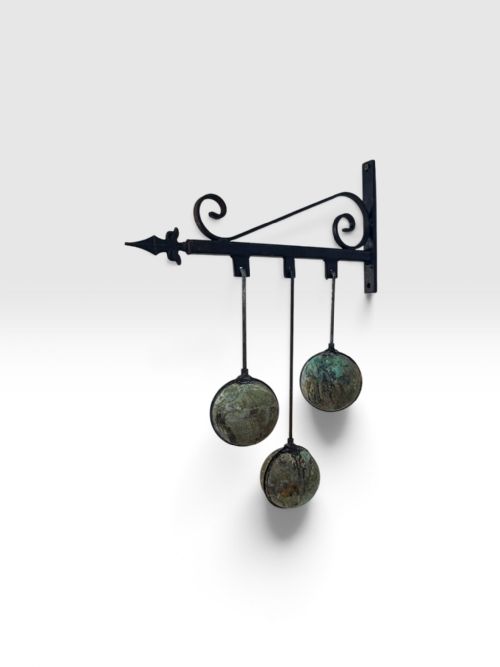
A solitary pawnbroker's sign hangs ready to lend financial street cred to any modern hallway.
What varies in quality
The distinction between standard utility items and finer examples rests in the crispness of the hand-finishing, the integrity of the original metal gauge, and the presence of makers' marks or municipal stamps. Substantial copper lanterns with intact structural frames and original glass hold greater material presence than heavily restored counterparts.
Proportion and scale also dictate distinction, where exceptionally large gate post lights or complex trade signs demonstrate superior architectural ambition compared to smaller domestic hardware.
A Foster & Pullen Bradford
The Copper Architectural Salvage Glossary
- Finial
- A decorative architectural ornament fixed to the apex of a roof, dome, or gable. These elements provide a terminal point for exterior metalwork.
- Trade sign
- A bold hanging or mounted emblem utilised by businesses to advertise a specific trade or service to the street. Examples include historic pawnbroker symbols.
- Street light
- A large glazed exterior lantern designed to illuminate thoroughfares, typically mounted on posts or brackets. They frequently incorporate heavy copper housings.
- Clock face
- The visible dial of a public or turret clock, displaying hours and minutes. Historic examples often feature painted or cast metal numerals.
Copper Architectural Salvage: Frequently Asked Questions
What is copper architectural salvage?
Copper architectural salvage consists of reclaimed metal fixtures, lanterns, signs, and decorative elements removed from historic buildings and streetscapes.
These pieces span periods from the 18th century to the 1930s, utilising copper, brass, iron, and glass.
How were old street lanterns used?
Historic street lanterns illuminated public thoroughfares, gates, and carriage entrances, mounted upon stone posts or iron brackets.
They relied on enclosed glass panes to shield gas or early electric flames from wind and rain.
Can I hang an antique copper lantern outdoors?
Many of these lanterns were originally built for exterior municipal use and naturally withstand outdoor placement.
However, fragile original glass and historic wiring require careful assessment before modern installation.
How do I date a copper architectural piece?
Dating relies on stylistic markers associated with Victorian, Edwardian, Arts and Crafts, or Classical Revival periods.
Construction techniques, such as hand-hammering versus machine-stamping, also indicate the era of manufacture.