
19th Century Equestrian Painting
A 19th century equestrian painting captures the power and character of horses through oil on canvas, offering a direct window into historical sporting life.
19th Century Equestrian Painting
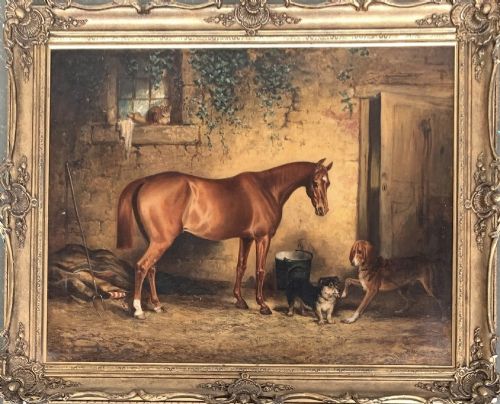
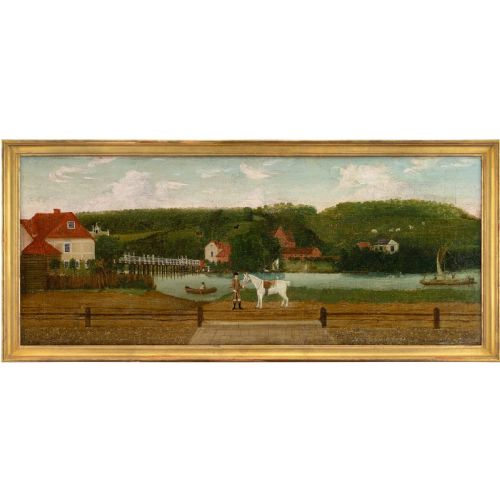
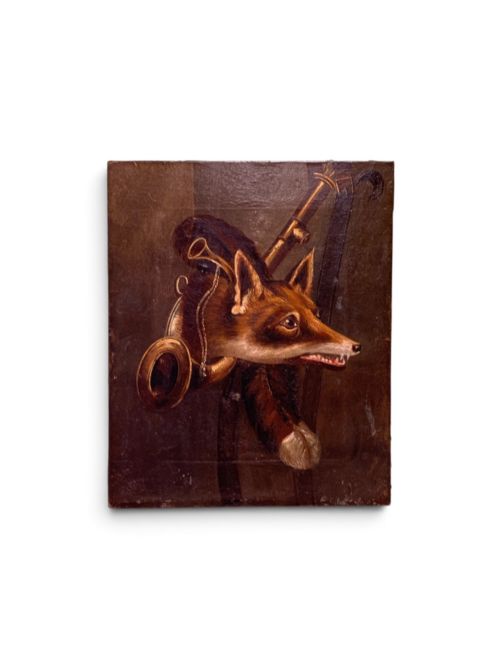
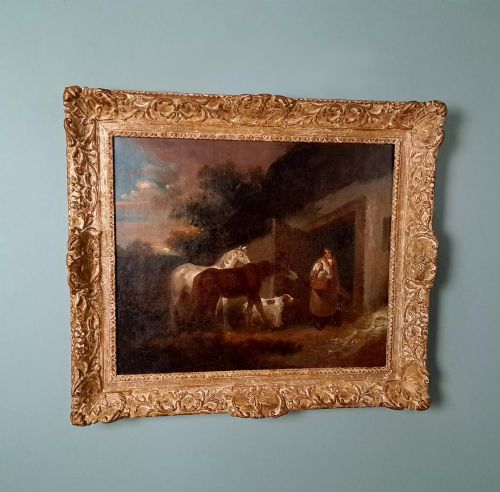
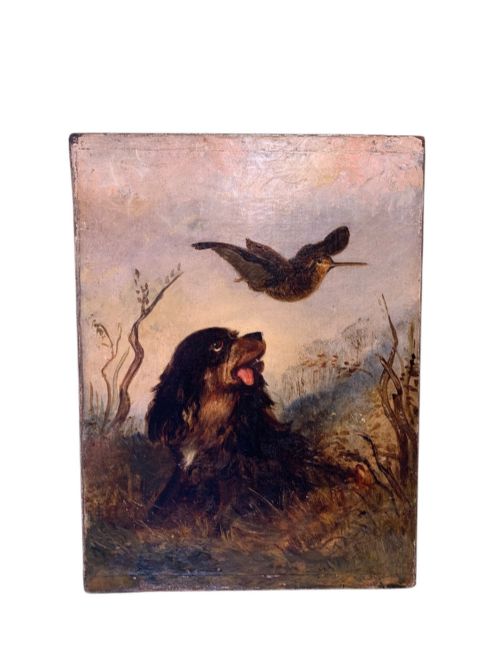
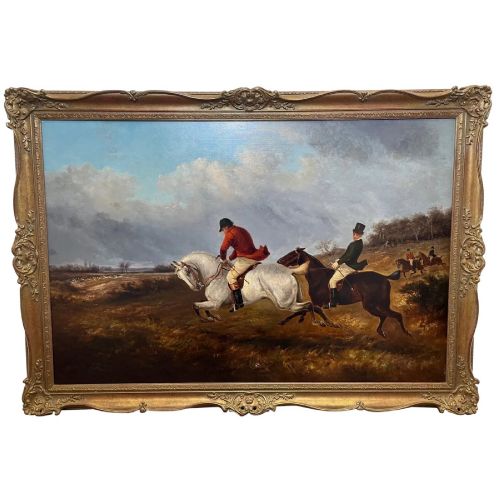
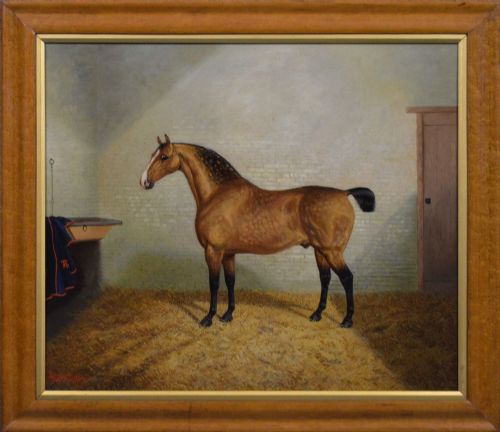
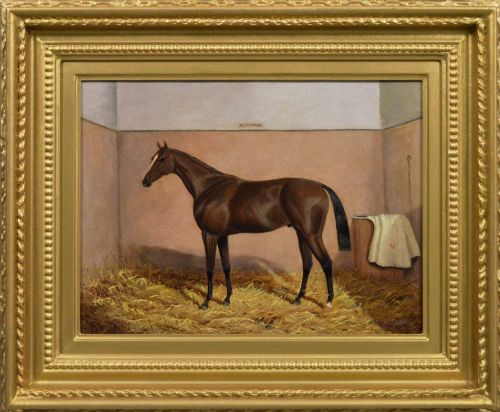
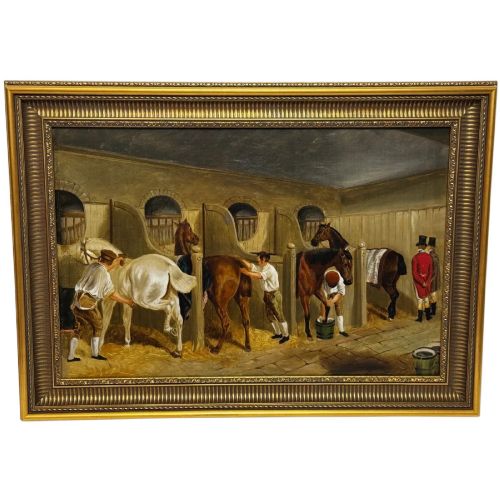
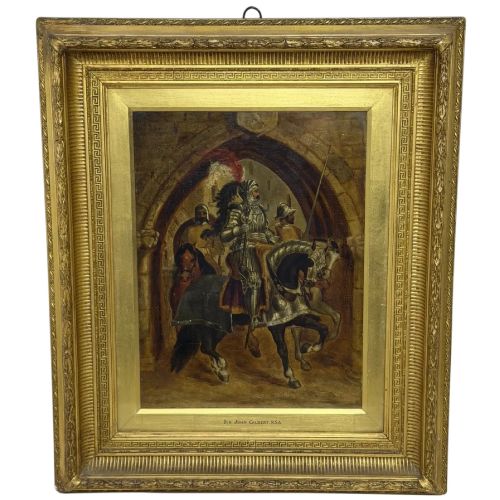
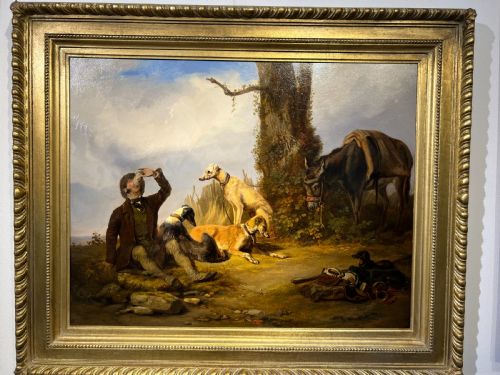
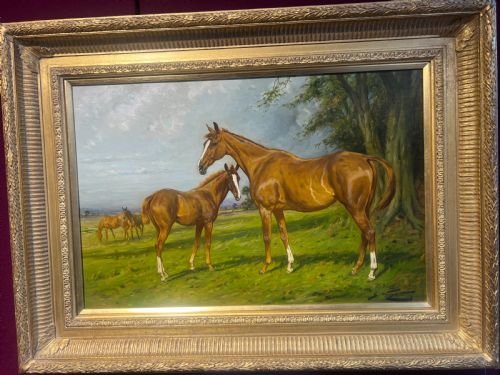
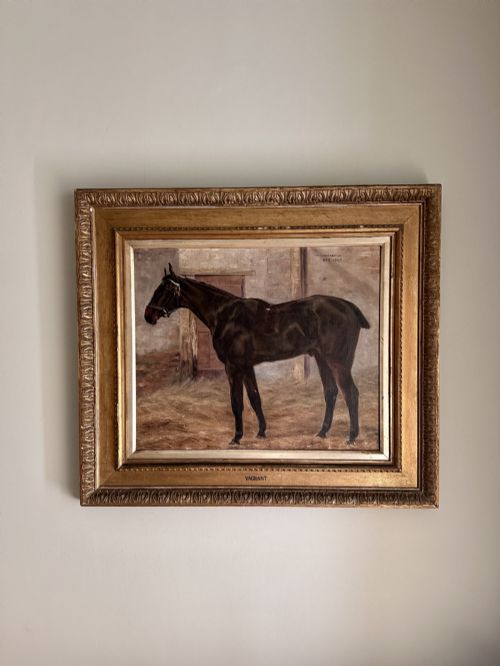
A 19th century equestrian painting focuses primarily on horse portraits, hunting scenes, and racing subjects executed during the Victorian and Georgian periods. These works frequently depict named thoroughbreds, working animals, or hounds within landscape settings and stable interiors.
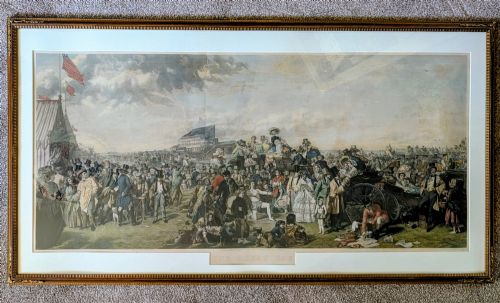
The selections available here range from intimate studies of individual animals by regional artists to large-scale canvasses documenting race winners and estate owners. Collectors encounter both detailed British sporting art and continental depictions featuring similar themes of horses and hounds.
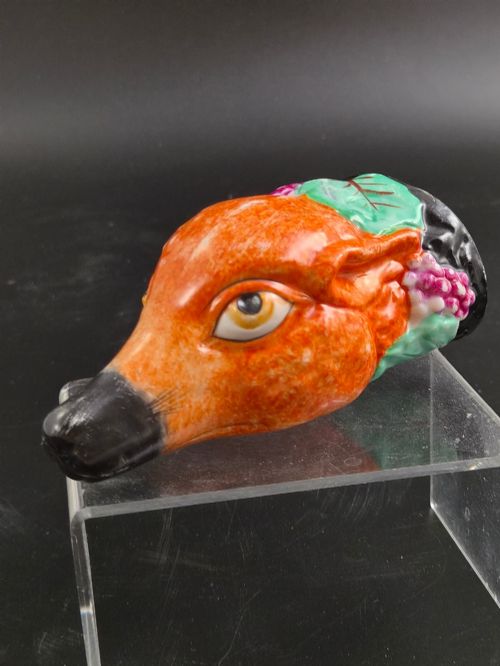
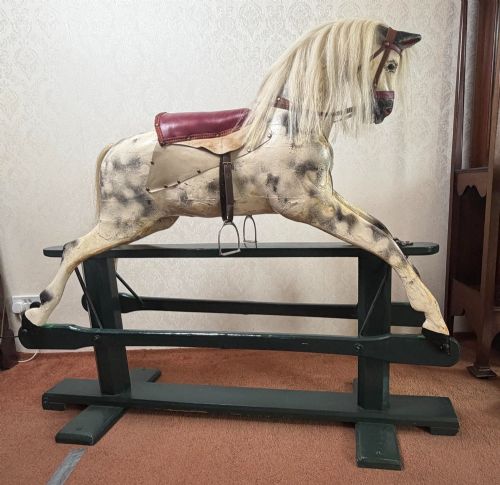
Beyond traditional canvases, related objects such as watercolours, painted bronzes, and carved wooden rocking horses also appear under this heading. Most pieces originate from British and European schools working between eighteen hundred and nineteen hundred.
How They Were Made
These works rely on oil paint applied to stretched canvas, often housed within original giltwood or carved wooden frames. Artists built up depth using layered oil pigments to capture the sheen of a horse coat and the textures of landscape foliage.
Watercolour paintings on paper represent a lighter medium used for preparatory studies or finished pastoral scenes. Supporting elements such as gilt frames utilise carved wood finished with gold leaf.
19th Century Equestrian Painting Retail Price Guide 2026
Typical asking prices for 19th century equestrian painting among the pieces listed under this phrase on Sellingantiques today, from the lower quarter to the upper quarter. They describe what is for sale here now, not the wider market.
Several Victorian horses gaze out from their canvases with expressions more dignified than the humans who owned them.
What Varies In Quality
Anatomical accuracy and the precise rendering of the horse's musculature distinguish superior works from standard regional productions. Master painters convey movement and temperament with distinct precision in the eye and posture of the animal.
The integration of the horse within its surrounding landscape or stable environment affects the overall composition. Finer examples maintain a clear provenance and bear the signature of a documented Victorian or Regency sporting artist.
William Joseph Shayer Senior·Thomas Smythe·Albert Clark·Sir Edwin Henry Landseer·George Wright·Fred Fitzpatrick·Thomas Walker Bretland·John Ferneley Senior·John Frederick Herring Jnr·Franz Bergman
The 19th Century Equestrian Painting Glossary
- Giltwood
- Wood that has been coated with a thin layer of gold leaf or gold paint. This technique was widely applied to nineteenth-century picture frames to enhance the visual weight of the artwork.
- Oil on Canvas
- Pigments bound in an oil medium and applied to a woven fabric surface stretched over a wooden frame. This method allows for subtle blending and rich colour depth.
- Sporting Art
- A genre of painting dedicated to equestrian subjects, hunting, shooting, and racing. These works record specific animals, owners, and sporting events of the period.
- Provenance
- The documented history of ownership of an artwork from its creation to the present day. Detailed provenance establishes authenticity and historical context.
19th Century Equestrian Painting: Frequently Asked Questions
What subjects appear in these paintings?
The compositions typically feature individual horse portraits, hunting scenes with hounds, racing horses, and stable views. Many works document specific named animals alongside their owners or trainers.
Rural landscapes and estate settings frequently form the backdrop for these nineteenth-century sporting subjects.
How do I identify the artist?
Signatures, monograms, or inscriptions on the canvas or stretcher bars often reveal the creator. Contemporary labels and framing inscriptions also provide clues to attribution.
Comparing brushwork and anatomical style against known examples helps confirm the hand of a specific painter.
Are original frames important?
Period giltwood frames complement the aesthetic and historical context of nineteenth-century canvases. Original frames often display maker stamps or collection labels that add to the history of the piece.
Matching the frame style to the date of the painting remains a key consideration for collectors.
Where were these artists active?
Most recorded painters worked within British and European artistic centres, often travelling to country estates and racecourses for commissions. Regional schools also produced local sporting records.
Stable yards and hunting clubs served as primary locations for observing and painting the animals.