

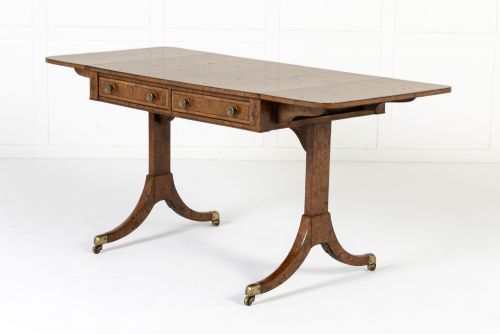
19th Century Elm Desk
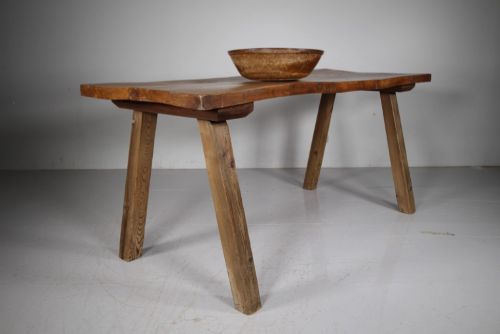
A 19th century elm desk brings honest vernacular warmth into a room, offering sturdy utility shaped by regional British and continental hands.
19th Century Elm Desk
The inventory spans English country, Victorian, Regency, and French country styles, alongside Qing Dynasty Chinese writing desks and tables.
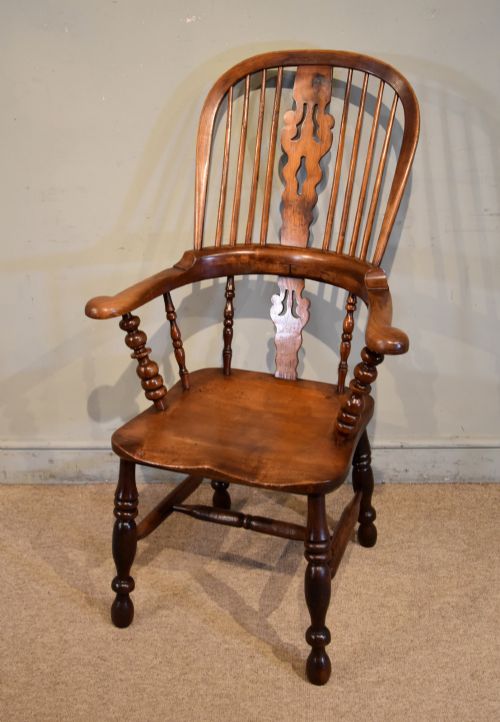
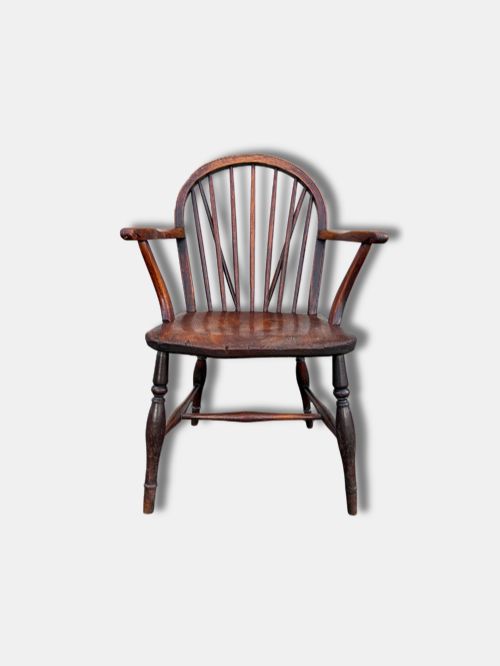
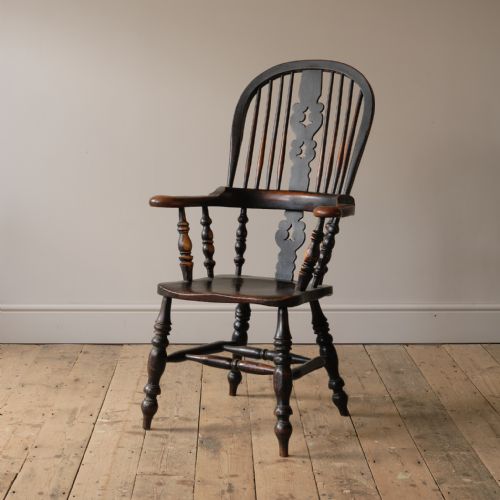
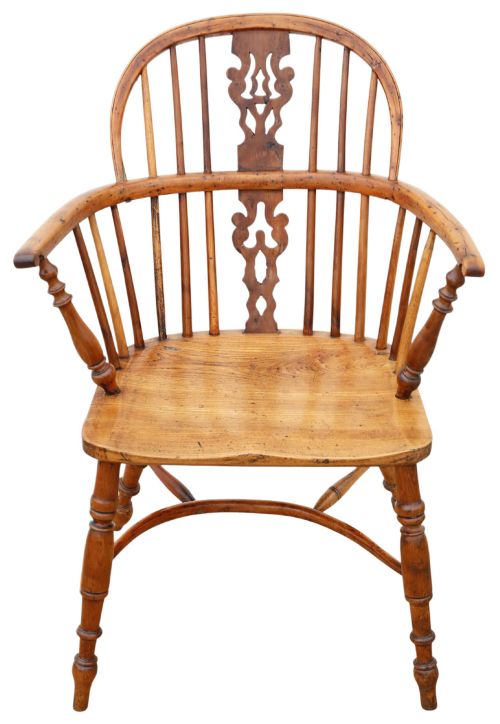
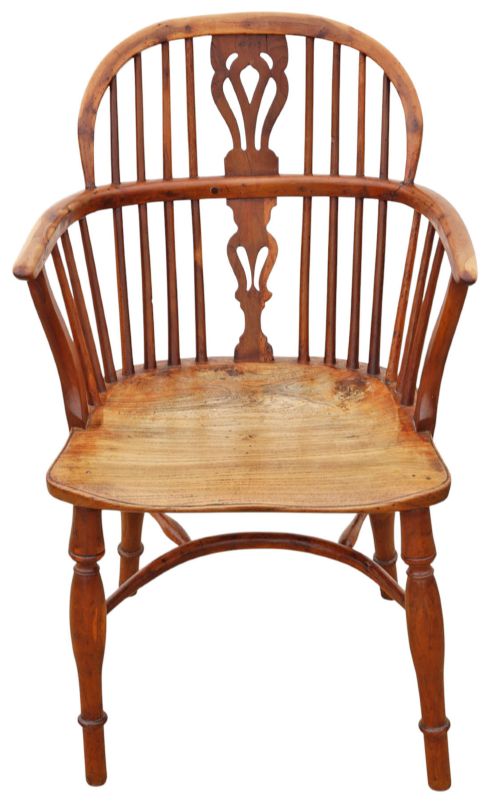
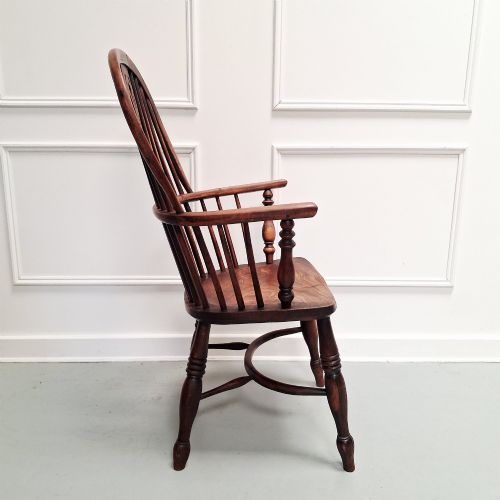
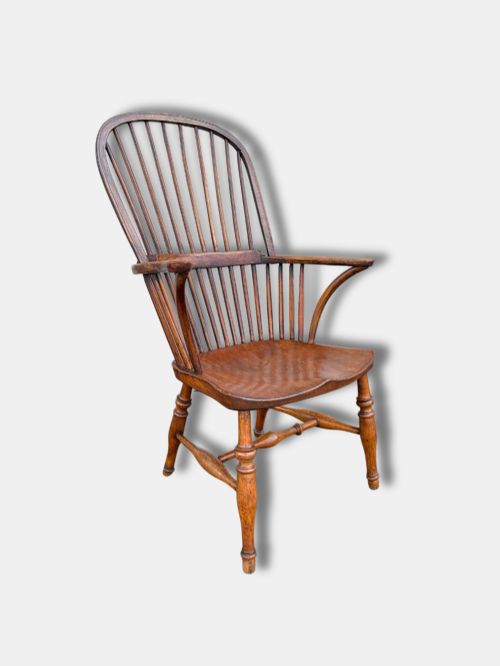
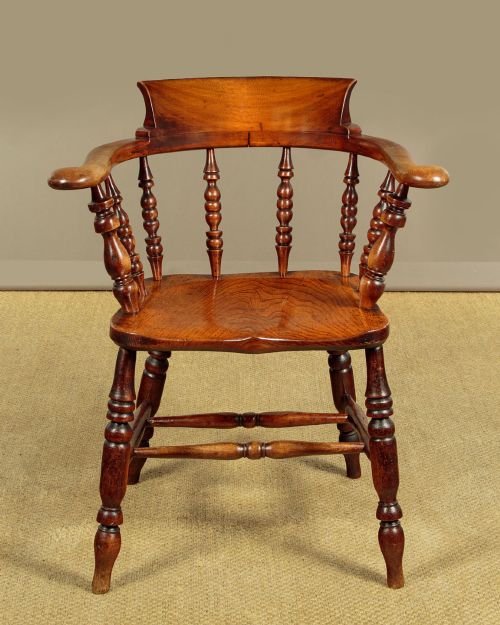
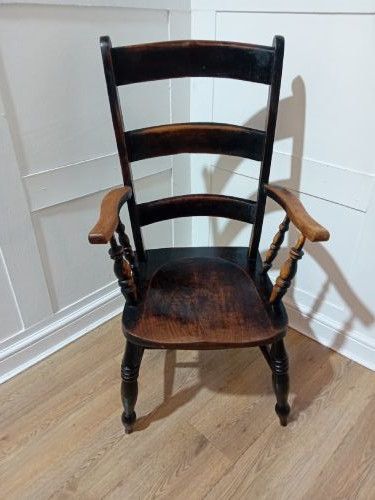
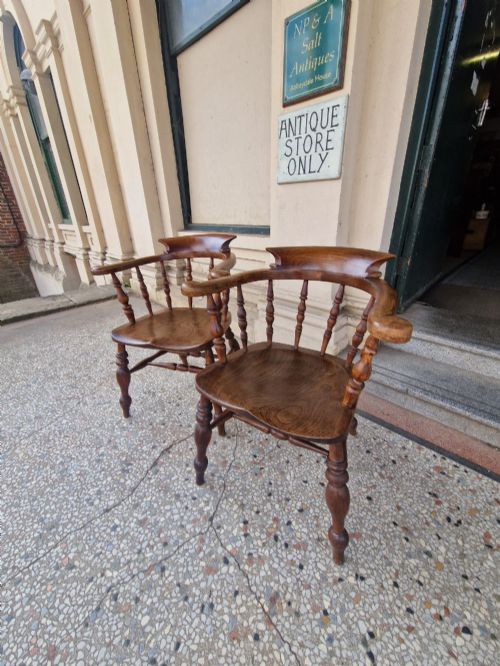
Makers worked within distinct regional traditions, producing forms like Thames Valley Oxford chairs, Nottinghamshire low backs, and broad arm ash and elm variants.
How they were made
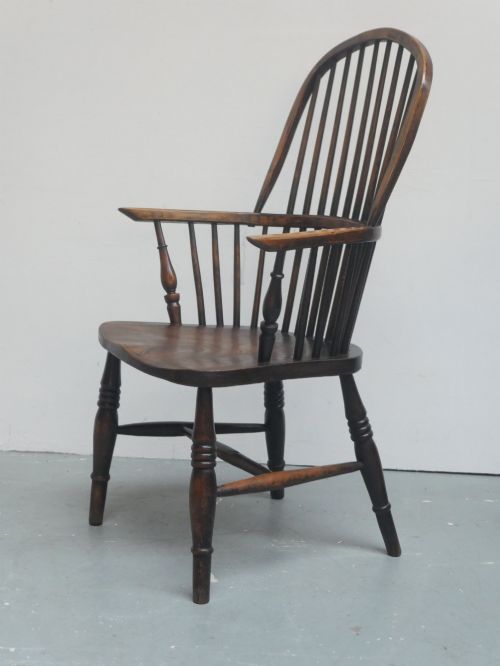
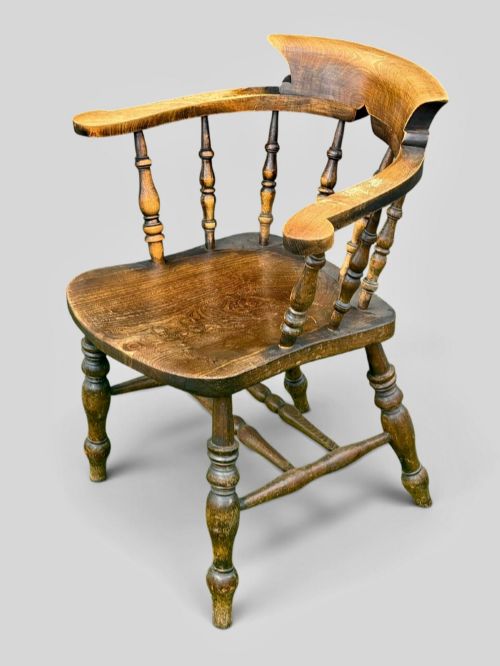
Cabinet makers and bodgers utilised local hardwoods, pairing tough elm seats with ash or beech spindles, legs, and bentwood bows.
Traditional construction methods relied on steam bending for continuous arm rails and deep-seated plank construction for seats, frequently reinforced with crinoline stretchers.
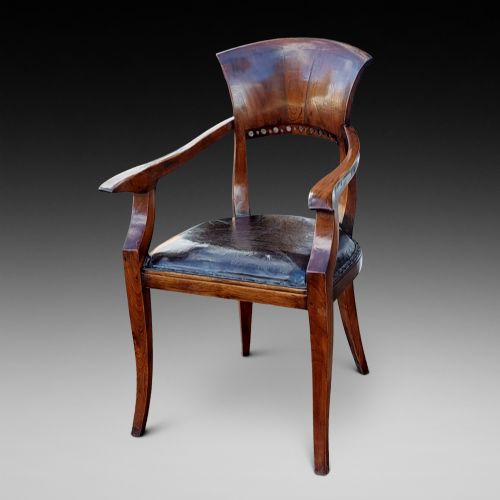
Surfaces display original finishes, patinated grain, and occasionally brass fittings or leather inserts.
19th Century Elm Desk Retail Price Guide 2026
Typical asking prices for 19th century elm desk among the pieces listed under this phrase on Sellingantiques today, from the lower quarter to the upper quarter. They describe what is for sale here now, not the wider market.
Listings feature periods from the early nineteenth century through the Victorian era, alongside Qing Dynasty forms.
What varies in quality
The distinction between standard examples and superior pieces rests in the selection of timber figures, such as highly figured burr elm or rich yew wood combinations.
Structural integrity and the retention of an original surface finish or stamp distinguish artisan work from everyday utility furniture.
J Spencer
The 19th Century Elm Desk Glossary
- Elm
- A tough, interlocking hardwood prized for stool and chair seats because it resists splitting under heavy use. Its distinctive grain pattern provides significant visual character.
- Crinoline Stretcher
- A bent metal or wooden horseshoe-shaped stretcher connecting the legs of a Windsor chair to provide extra stability. It takes its name from the shape of Victorian hooped skirts.
- Thames Valley Chair
- A distinct regional style of Windsor chair produced along the Thames valley, often featuring high backs and expert combinations of yew, ash, and elm.
19th Century Elm Desk: Frequently Asked Questions
What is an elm desk?
An elm desk is a nineteenth-century writing table or desk constructed primarily from elm timber, often exhibiting regional vernacular characteristics.
These pieces reflect the practical carpentry methods of the period, utilising the dense and durable nature of the wood.
How were Windsor chairs used?
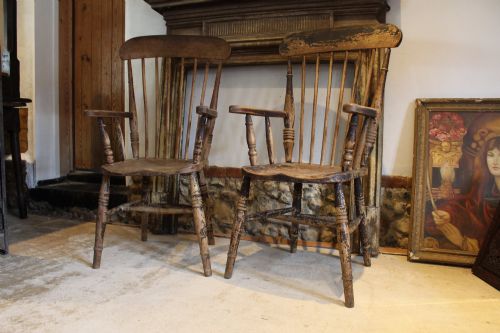
Windsor chairs served as versatile everyday seating in kitchens, offices, and country homes throughout the nineteenth century.
Their robust construction made them suitable for heavy daily use by families and workers alike.
How do I live with antique elm?
Living with nineteenth-century elm involves placing pieces away from direct heat sources to prevent the timber from drying out and splitting.
Regular dusting and occasional waxing help maintain the natural lustre of the patinated surface.
How can I tell periods apart?
Distinguishing periods relies on observing changes in turning styles, fastener types, and regional building traditions from the early to late nineteenth century.
Earlier pieces often display simpler vernacular forms, while later Victorian examples incorporate more ornate spindle work or factory stamps.