
19th Century Ebonised Table
When choosing a 19th century ebonised table, collectors encounter pieces that combine dark wood finishes with intricate decorative arts.
19th Century Ebonised Table
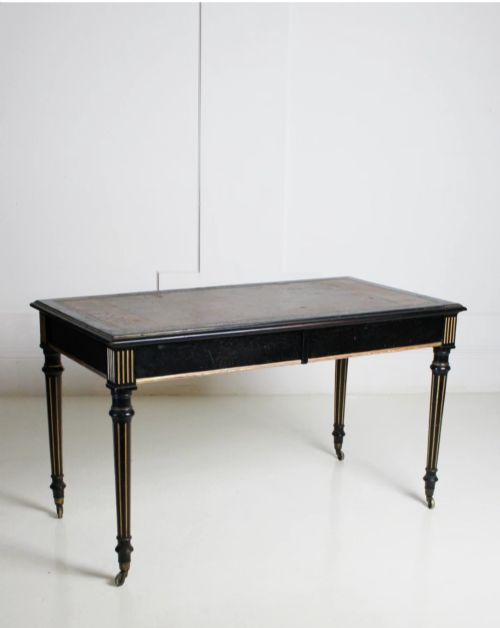
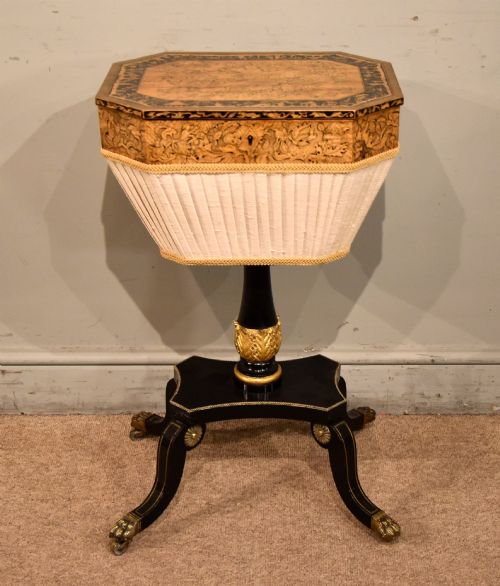
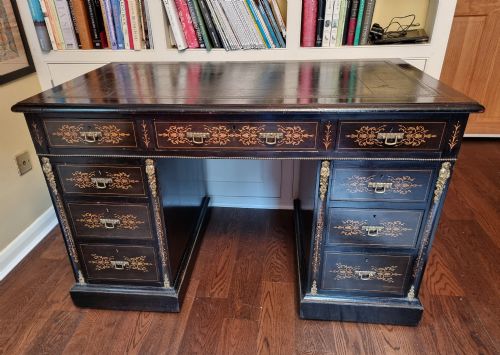
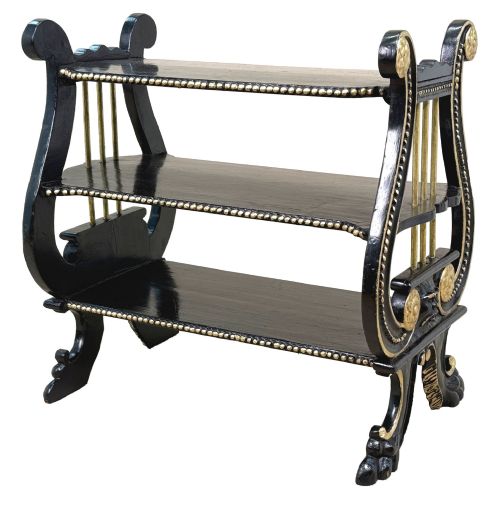
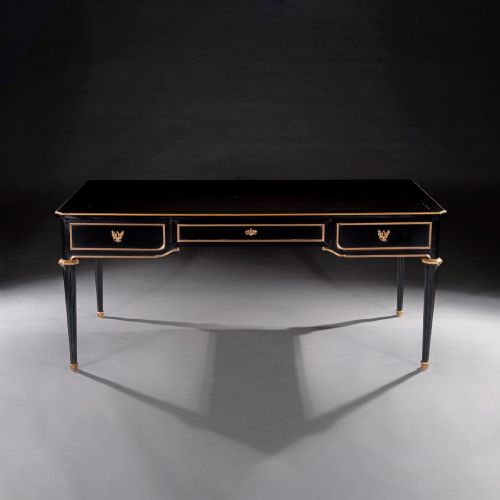
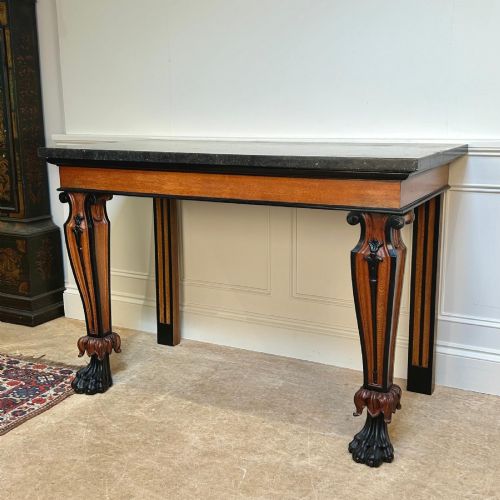
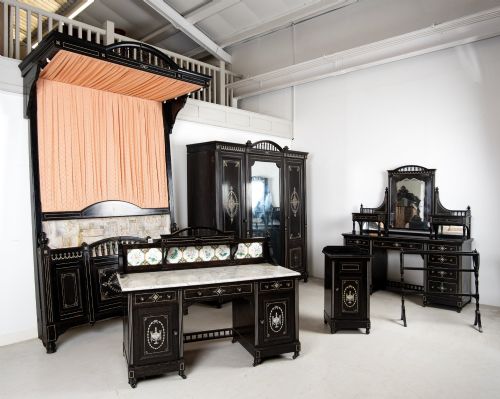
A 19th century ebonised table encompasses a diverse array of forms, including occasional tables, centre tables, console tables, and writing desks produced across the Victorian and Regency periods. These pieces feature heavily darkened or black-finished wood surfaces designed to emulate costly ebony.
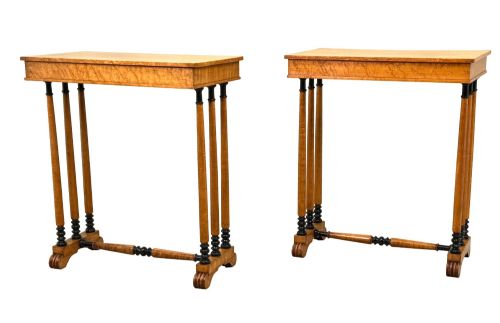
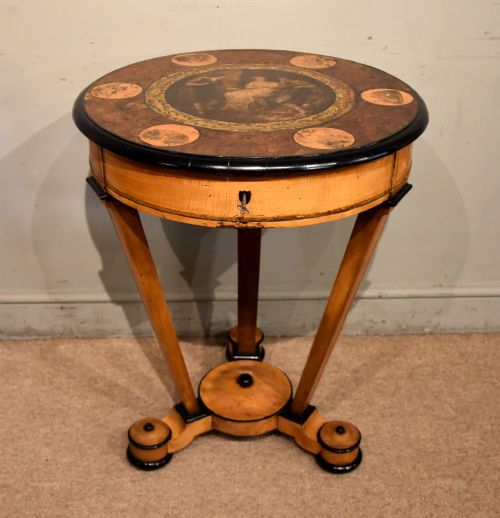
Buyers frequently encounter French Napoleon III, Aesthetic Movement, and Biedermeier variations alongside English Victorian examples. Forms range from compact folding and sewing tables to large library and console tables suited to period interiors.
How They Were Made
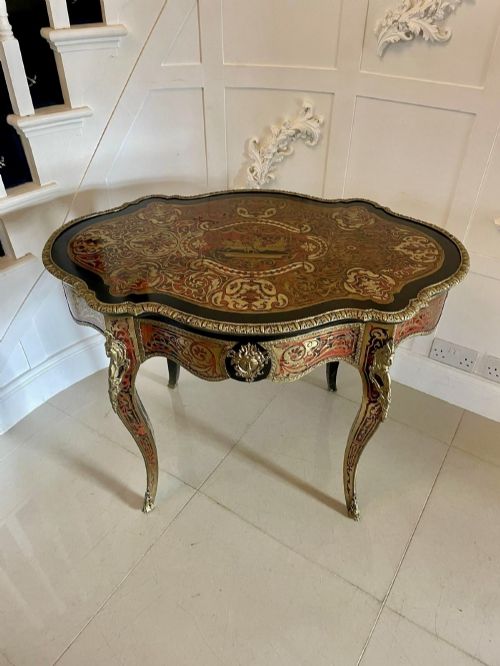
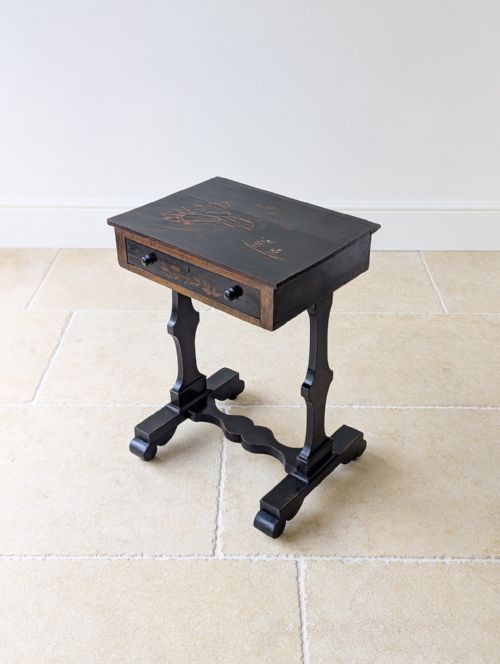
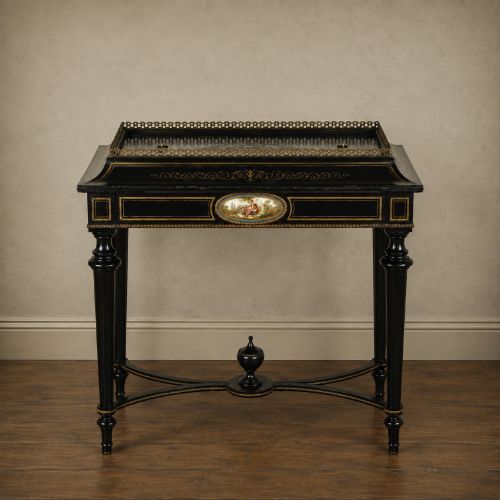
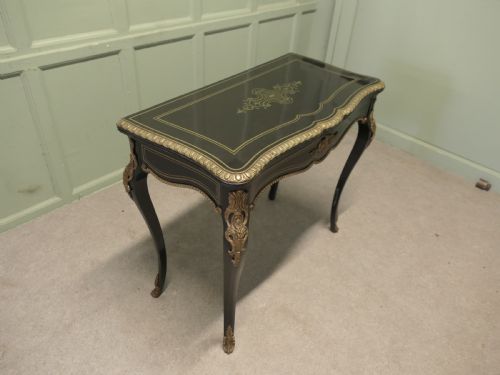
Craftsmen utilised woods such as oak, mahogany, and walnut, applying dark stains, japanning, or black paint to achieve the signature ebonised finish. Many pieces integrate contrasting materials like brass inlay, gilt bronze, ormolu, and parcel gilding.
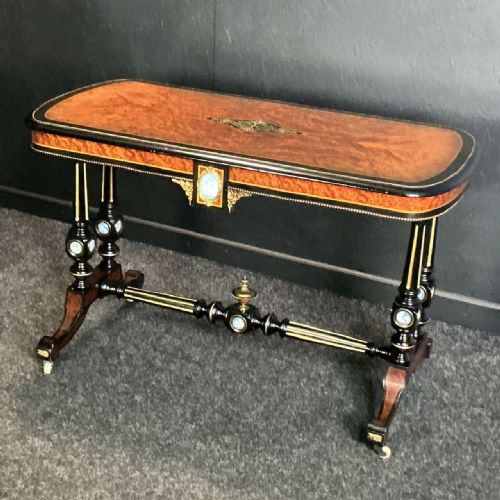
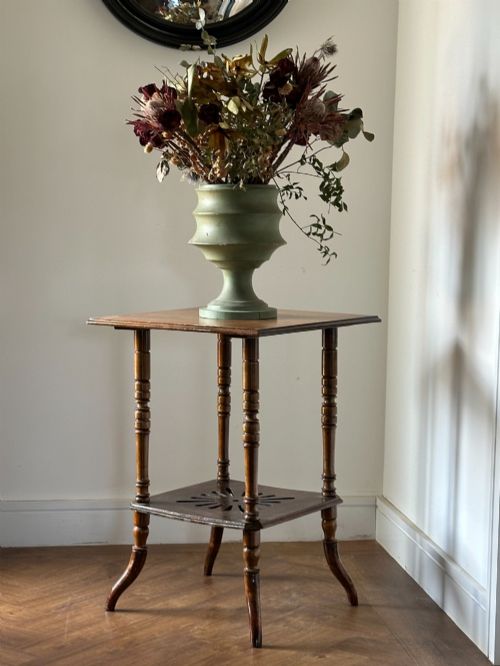
Sophisticated surface decoration often includes marquetry, hand-painted porcelain plaques, penwork, and mother-of-pearl inlays. Structural techniques vary from traditional joinery to the bamboo-turned legs seen in specific Oriental-influenced designs.
Several items incorporate conch shell cameos and faux bamboo legs for unexpected maritime and botanical charm.
What Varies in Quality
The standard of a piece rests heavily on the precision of its decorative inlays and the integrity of the ebonised finish. Pieces featuring complex brass work, hand-painted details, or fine secondary timbers like amboyna sit higher in the range.
Execution of secondary elements, such as Ormolu mounts, carved mouldings, and structural stability, dictates the distinction between standard production items and exceptional cabinetmaking.
Gillows·Edwards And Roberts·Liberty And Co·Holland And Sons·Merklen Bros
The 19th Century Ebonised Table Glossary
- Ebonised
- Wood treated with stain or paint to imitate true ebony, widely utilised during the Victorian period for dramatic visual effect.
- Ormolu
- Gilded bronze mounts and decorative details applied to furniture, frequently seen on French Napoleon III tables.
- Marquetry
- Decorative patterns formed by inserting pieces of wood, bone, or metal into a veneered surface.
- Bonheur-du-Jour
- A light ladies' writing desk featuring a small cabinet or tiered superstructure on top.
- Japanning
- A European imitation of East Asian lacquerwork, applied to surfaces to create a glossy black finish.
19th Century Ebonised Table: Frequently Asked Questions
What defines an ebonised table?
An ebonised table is a wooden piece finished with a black stain, paint, or japanning to mimic the appearance of solid ebony. This treatment became popular in various forms throughout the nineteenth century.
Cabinetmakers utilised this dark finish to highlight contrasting metallic inlays, gilt highlights, and porcelain plaques. The style spans multiple design movements from Regency to the Aesthetic period.
Where were these tables placed originally?
These tables served multiple functions within nineteenth-century homes, acting as centrepieces in drawing rooms, side pieces in libraries, or specialised writing desks in private studies. Smaller occasional and sewing tables were easily moved around domestic spaces.
Console and card tables were positioned against walls or deployed for evening entertainment. Their varied forms reflected the specific social habits of the period.
How do I identify the period?
Period identification relies on examining the underlying furniture style, construction methods, and secondary woods. Pieces displaying heavy classical influence often date to the Regency era, while Aesthetic Movement examples feature distinct Anglo-Japanese motifs.
Hardware, joinery techniques, and specific decorative idioms like Boulle work or parcel gilding help narrow the date of manufacture. Comparing the form against documented design sources clarifies the timeline.
How do I care for ebonised wood?
Maintaining ebonised surfaces requires protection from direct sunlight and excessive moisture to prevent the dark finish from fading or lifting. Gentle dusting with a soft cloth preserves the sheen without abrasive chemical cleaners.
Polishing should be done sparingly using appropriate wax finishes suitable for antique wooden furniture. Stable indoor humidity prevents timber movement beneath the dark surface treatment.