


19th Century Dresser Drawers
These 19th century dresser drawers offer practical storage through timeless timber forms, appealing to collectors seeking period utility and craftsmanship.
19th Century Dresser Drawers
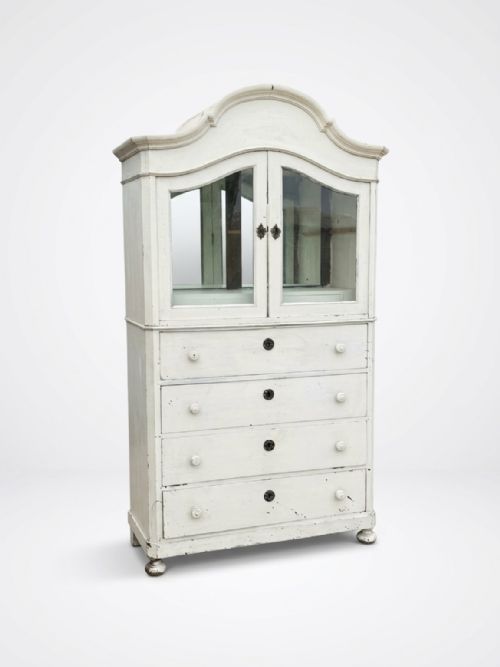
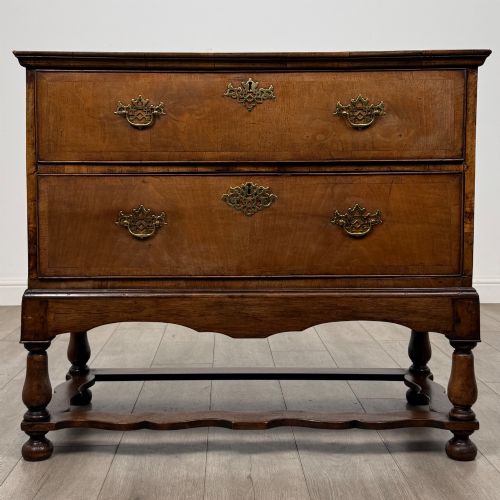
When you search for 19th century dresser drawers, you encounter a selection spanning Georgian, Regency, and Victorian periods. The pieces primarily take the form of chests of drawers, alongside sideboards, commodes, and cabinet variations.
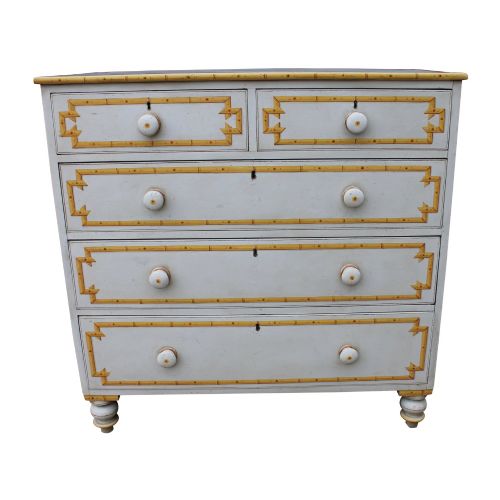
Mahogany dominates the material selection, appearing frequently in flame veneer, alongside pine, oak, and painted surfaces. Pieces originate from English, Scottish, Welsh, French, Swedish, and American workshops.
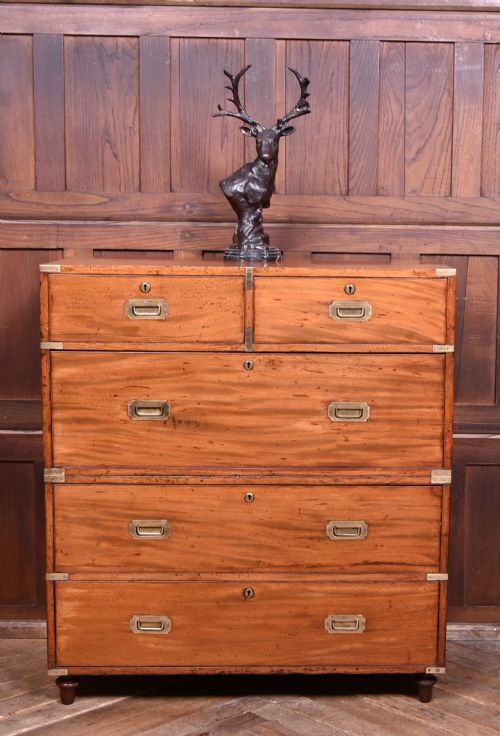
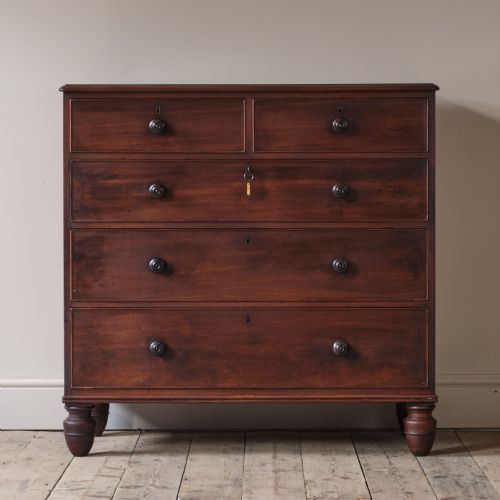
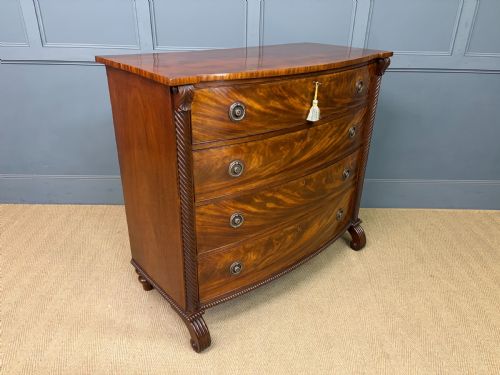
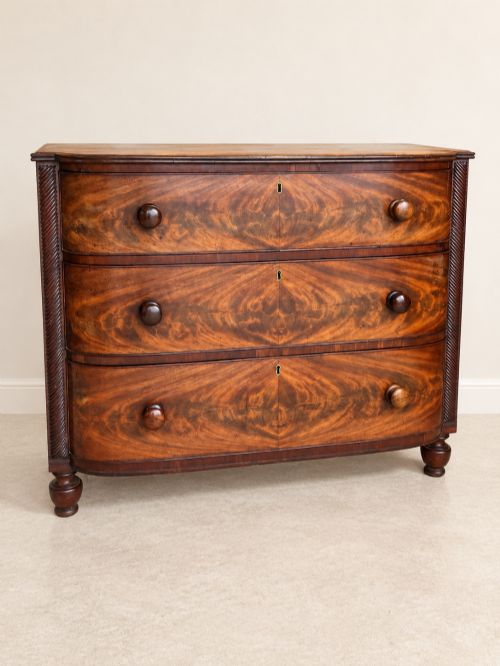
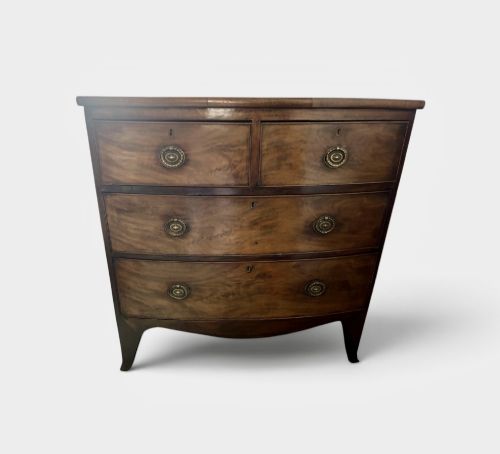
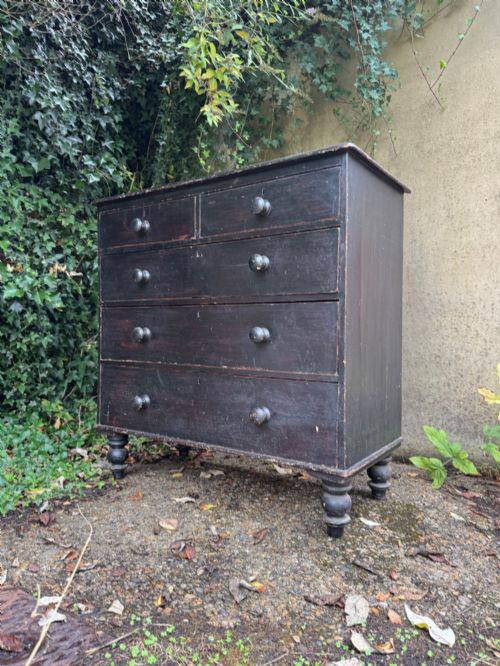
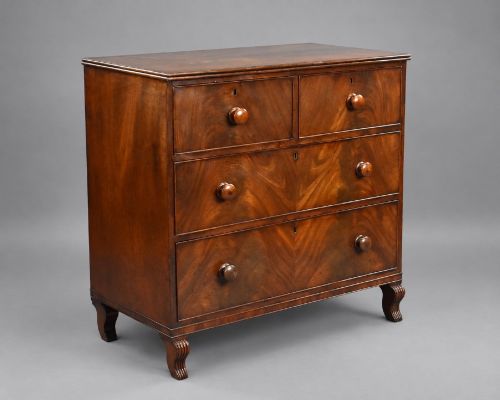
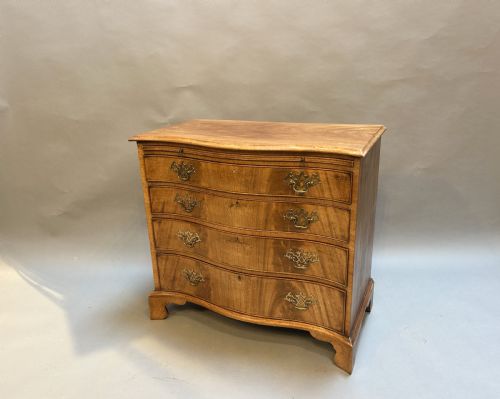
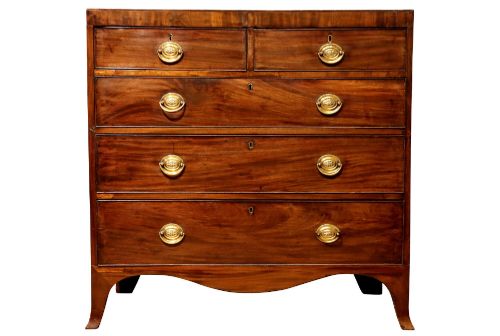
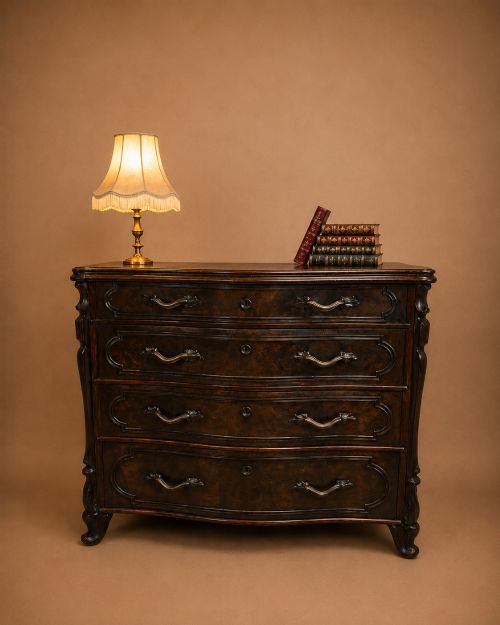
The common form on this page is the mahogany chest of drawers, often featuring a bow front, serpentine outline, or upright proportions. Simpler country pine and painted variants also appear regularly.
How they were made
Cabinet makers utilised solid timbers and veneers, applying flame mahogany over secondary woods to create figured grain patterns on drawer fronts. Brass hardware, bone escutcheons, and bun handles completed the construction.
Construction techniques involved traditional joinery, tongue and groove panels, and occasionally secret drawers integrated into the carcass. Painted finishes were applied directly to pine or softwood bodies in original schemes.
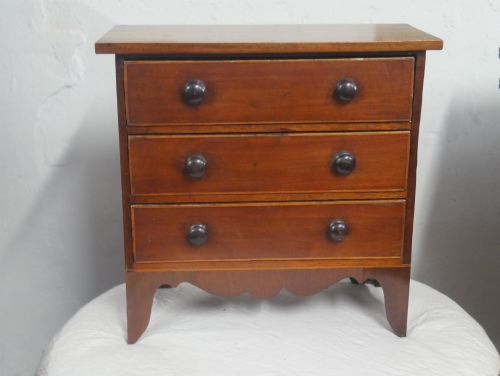
Apprentice chests allowed young woodworkers to practice complex joinery on a miniature scale, resulting in perfectly proportioned tiny drawers that still function today.
What varies in quality
The caliber of a piece rests in the choice of timber, particularly the symmetry and depth of flame mahogany veneer across the drawer façades. Finer examples display precise proportions, such as bow fronts or serpentine outlines, executed with clean lines.
Secondary elements like original brass handles, intact bone details, and untouched painted surfaces elevate a piece above standard utility items. The precision of the drawer dovetailing and the integrity of the internal framing also dictate distinction.
T & G Seddon
The 19th Century Dresser Drawers Glossary
- Bow front
- A convex curved cabinet or chest front that swells outward in the centre. This shape became popular during the Regency and Georgian periods.
- Serpentine outline
- A shelf or chest front shaped with a central convex curve flanked by concave sweeps. It requires advanced woodworking skill to execute properly.
- Flame mahogany veneer
- Thin slices of mahogany cut from timber fork joints to produce a flickering, flame-like grain pattern. Makers applied this to principal surfaces for visual impact.
19th Century Dresser Drawers: Frequently Asked Questions
How do I identify a Regency chest of drawers?
Regency chests typically exhibit clean classical proportions, often utilising figured mahogany and brass ring handles. Look for reeded edges and bracket or turned feet.
Many examples feature bow fronts or brass inlay, reflecting the neoclassical tastes of the early nineteenth century.
What is the difference between pine and mahogany pieces?
Mahogany pieces generally represent formal urban furniture designed for principal rooms, often showcasing polished veneers and sophisticated outlines. They tend to be heavier and more structurally refined.
Pine versions usually originate from country workshops or domestic utility spaces, frequently retaining original paint, scrubbed finishes, or simpler construction methods.
Were secret drawers common in these chests?
Secret drawers appear in specific regional or high-end pieces, often concealed beneath the top moulding or within the frieze. Cabinet makers integrated these compartments to secure valuables.
Accessing them typically requires lifting a hidden panel or operating a covert wooden catch inside the primary carcass.
How should I care for a painted pine chest?
Painted pine surfaces require protection from direct sunlight and excess moisture to preserve the original pigment. Dust them gently with a dry, soft cloth rather than using liquid polishes.
Maintaining stable room humidity prevents the soft timber from expanding and protects the historical paint layer from flaking.