

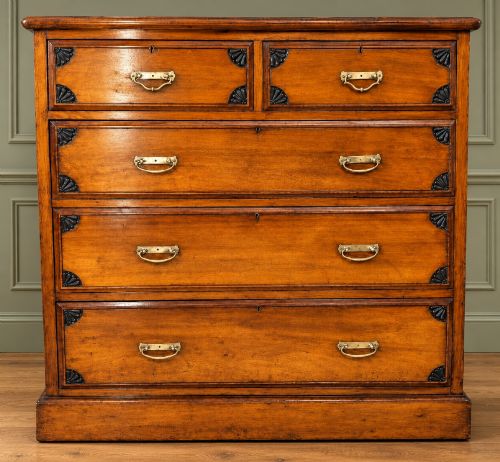
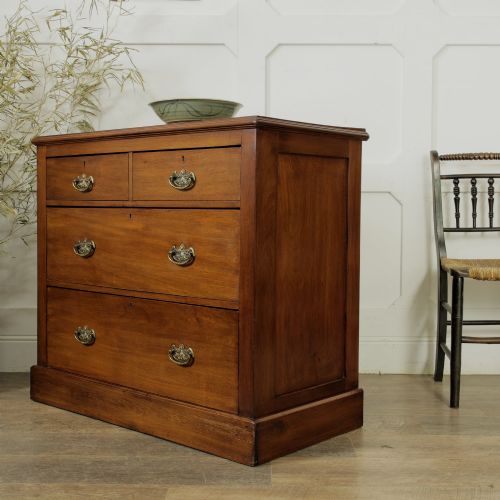
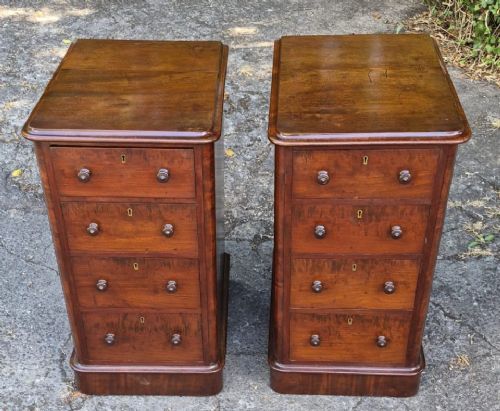
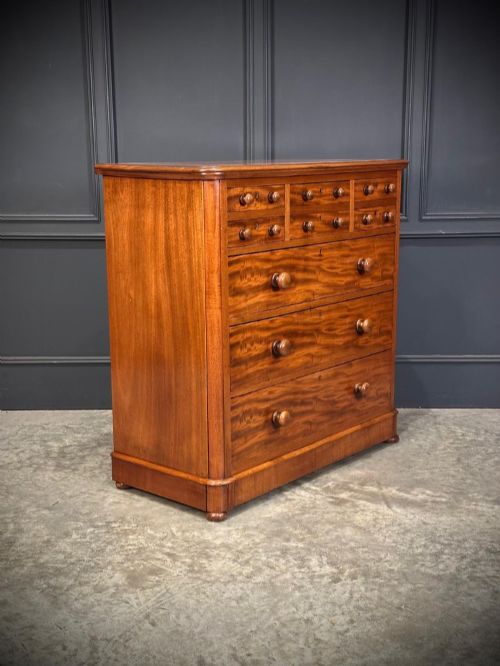
Antique Plinth Base Chest
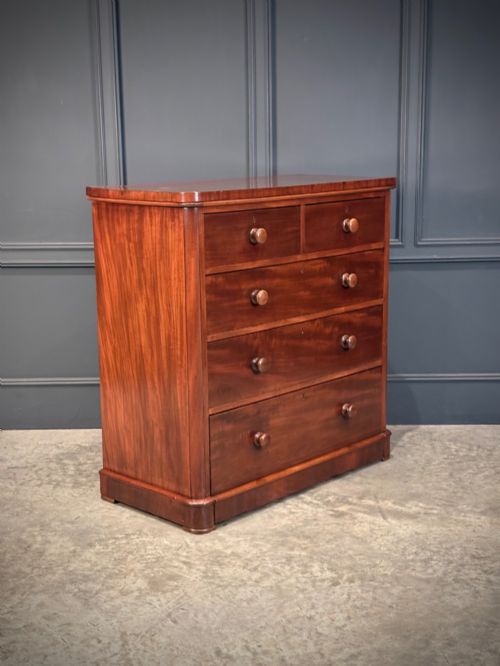
An antique plinth base chest offers solid storage grounded on a clean timber plinth rather than traditional bracket feet.
Antique Plinth Base Chest
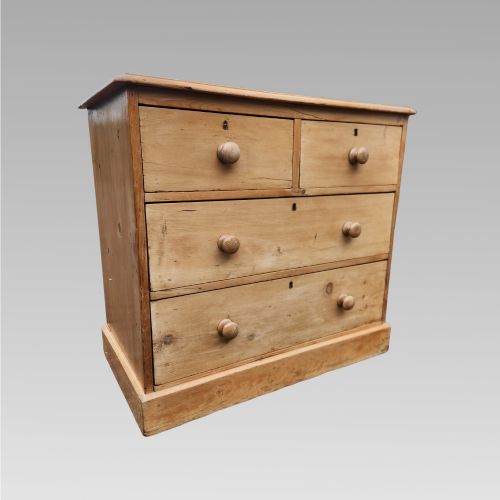
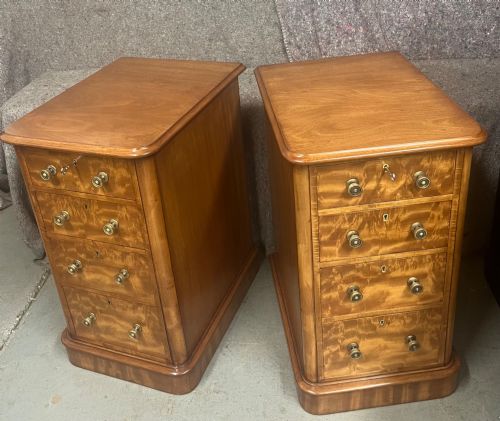
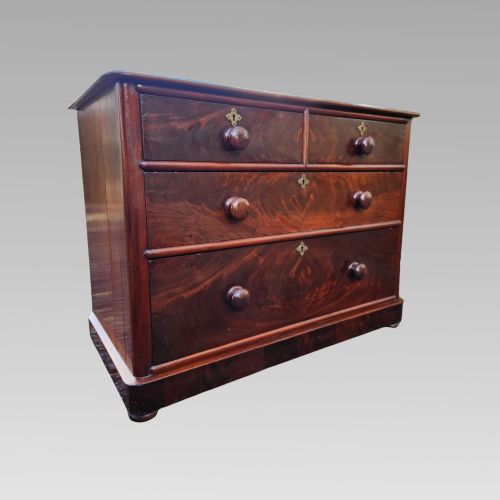
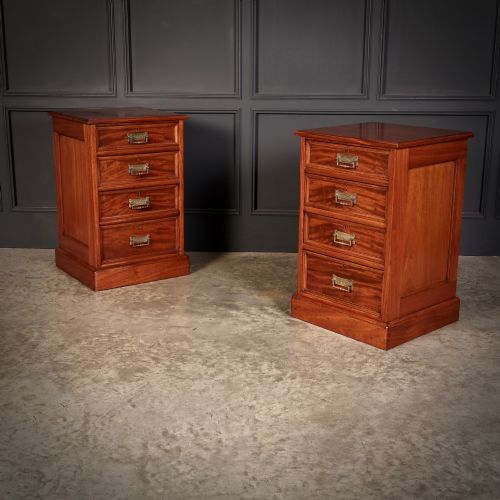
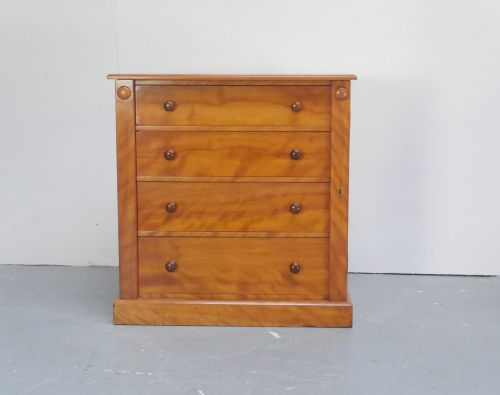
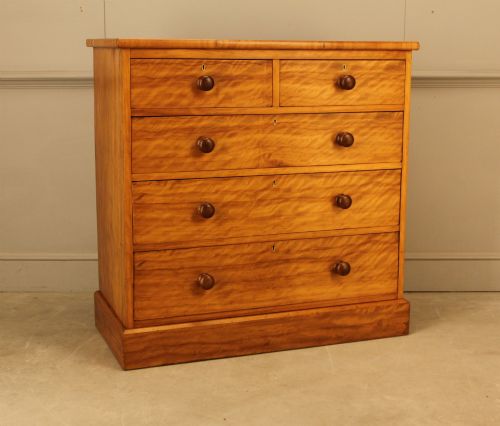
An antique plinth base chest provides substantial bedroom storage using a solid floor-level timber foundation instead of raised legs. These pieces emerge predominantly from the nineteenth century, including Victorian, Edwardian, William IV, and Regency periods, spanning chest of drawers and bedside formats.
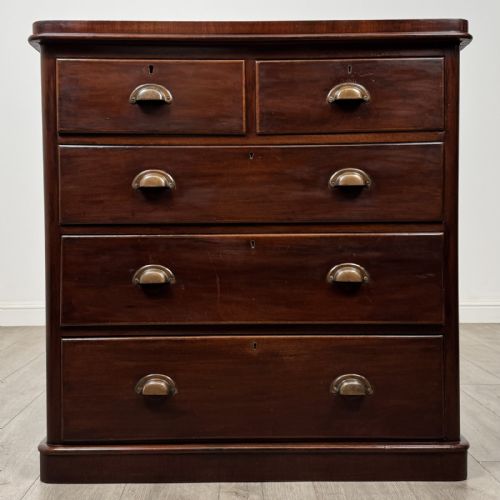
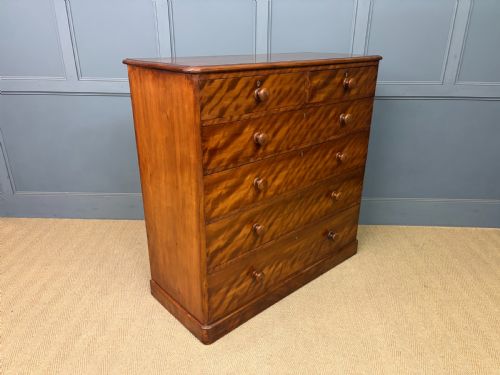
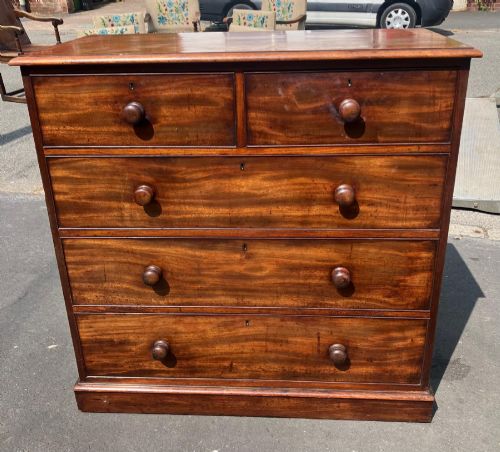
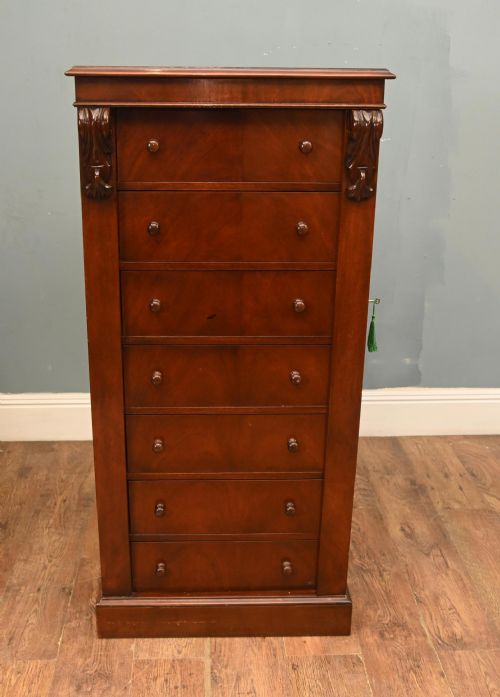
The version most commonly met on this page is the Victorian mahogany chest of drawers, constructed with multiple graduating timber drawers. Alongside these sit side cabinets, Wellington chests, and pine variants built with the same characteristic flat plinth base.
How they were made
Cabinet makers built these chests using solid timbers like mahogany, pine, oak, satinwood, ash, and burr walnut, often applying flame mahogany veneer to the drawer fronts. Interiors typically utilise secondary woods for drawer linings, paired with brass hardware and handles.
Construction relies on traditional joinery methods suited to heavy timber, integrating flush plinths at the base to support the carcase. Inlaid details and polished surfaces complete the execution of these nineteenth-century storage units.
Antique Plinth Base Chest Retail Price Guide 2026
Typical asking prices for plinth base chest among the pieces listed under this phrase on Sellingantiques today, from the lower quarter to the upper quarter. They describe what is for sale here now, not the wider market.
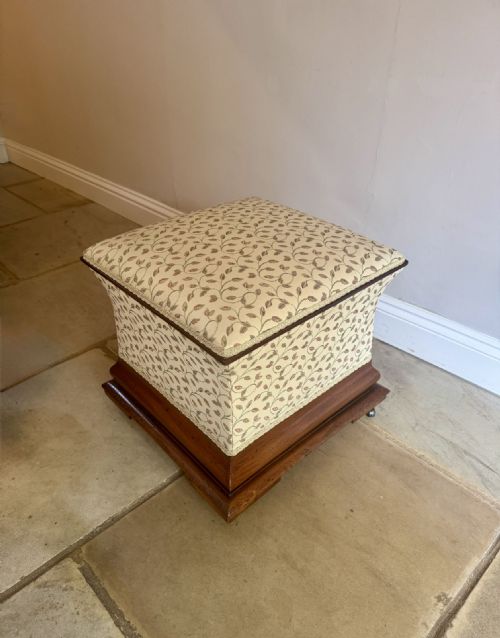
Among the storage pieces, a Victorian shoe box cabinet and an ottoman wait quietly to hold footwear.
What varies in quality
Quality depends upon the choice of timber figure, such as the depth of flame mahogany veneer or the grain of satinwood and burr walnut. Finer examples display precise inlay work and well-figured secondary timbers inside the drawers.
The integrity of the plinth construction and the preservation of original handles distinguish superior workshops from standard production. Cabinet makers who invested care in timber selection and structural joinery produced pieces that retain their architectural presence.
Heal & Son·Mawer & Stephenson·Harris Lebus
The Antique Plinth Base Chest Glossary
- Plinth base
- A flat, solid block foundation supporting the base of a cabinet rather than standing on feet. This architectural feature gives the furniture a grounded, substantial stance.
- Flame mahogany
- A timber veneer showing a distinctive flickering flame pattern derived from specific cuts of mahogany. Cabinet makers utilised this on drawer fronts for decorative impact.
- Wellington chest
- A tall, narrow chest of drawers secured by a locking side stile that fastens over the drawer edges. These pieces date across the nineteenth century.
- Satinwood
- A pale, lustrous hardwood used by nineteenth-century makers for fine cabinet work and decorative veneers. It provides a bright contrast to darker timbers.
- Secondary wood
- Timber used in hidden structural areas, such as drawer linings and carcase backs, distinct from the primary show wood.
Antique Plinth Base Chest: Frequently Asked Questions
What is a plinth base chest?
A plinth base chest is a storage unit that rests directly on a flat wooden plinth at the floor rather than standing on legs or bracket feet.
This design became particularly common during the nineteenth century across various styles of chests of drawers and bedside cabinets.
Which woods were used for these chests?
Makers constructed these chests primarily in mahogany, pine, and oak, with decorative pieces featuring satinwood, burr walnut, and flame mahogany veneer.
Internal drawer linings often utilised secondary timbers, while hardware incorporated brass fittings and original handles.
How do I date a Victorian chest?
Dating relies on stylistic markers, timber choices, and construction methods associated with specific periods like the Victorian, Edwardian, or Regency eras.
Many pieces from the nineteenth century carry specific decade attributions based on their design evolution and documented maker stamps.
Where should I place a bedside chest?
Bedside chests fit well beside a bed to provide enclosed surface and drawer storage within easy reach.
Their compact proportions and flat plinth bases allow them to sit flush against bedroom walls alongside larger chests of drawers.