

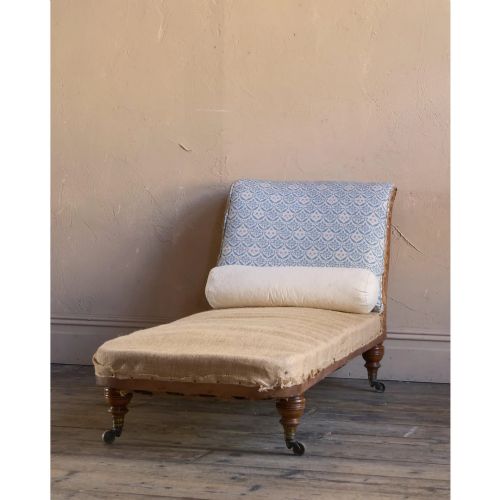
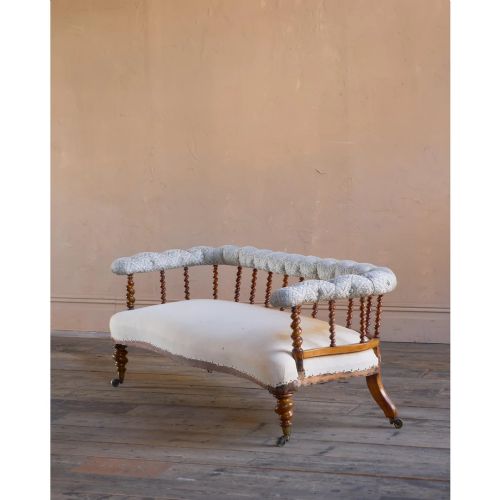
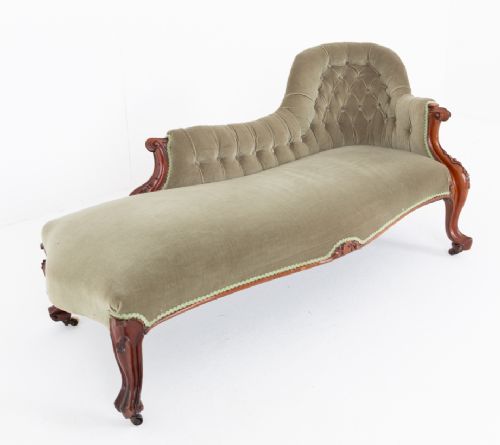
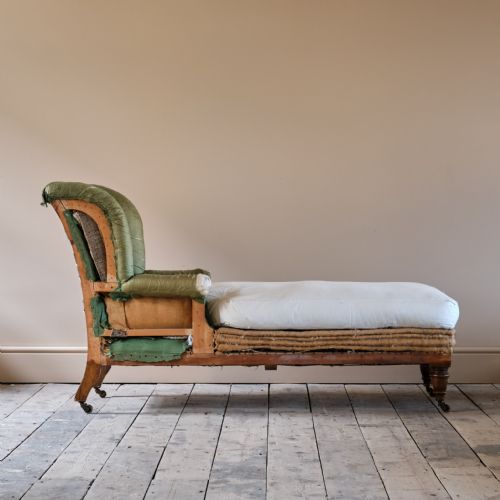
19th Century Daybed
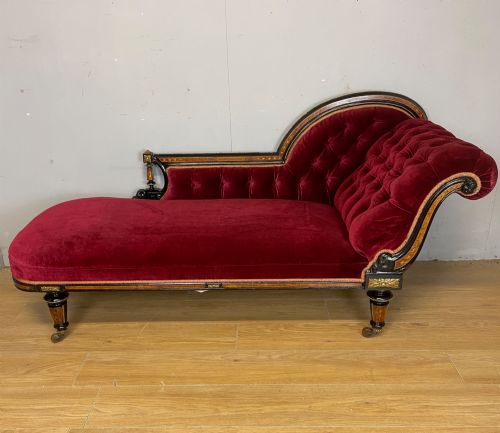
When you search for a 19th century daybed, you encounter a wide range of reclining seating from chaise longues to couches designed for daytime resting.

19th Century Daybed
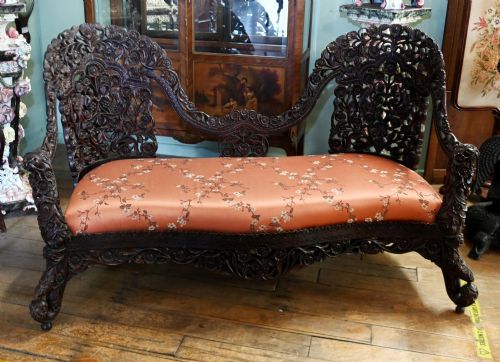
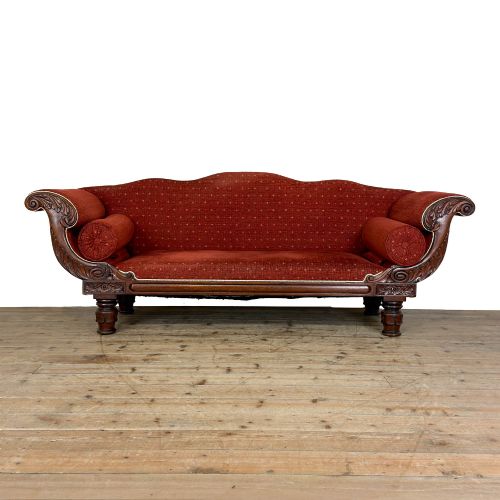
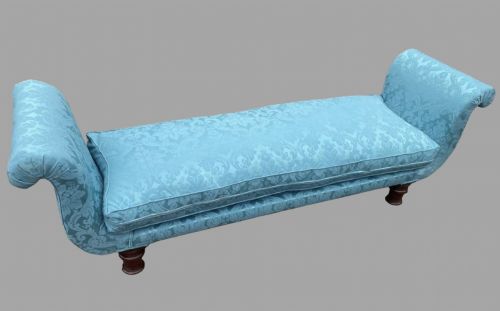
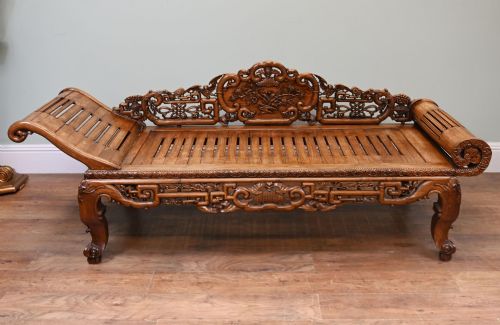
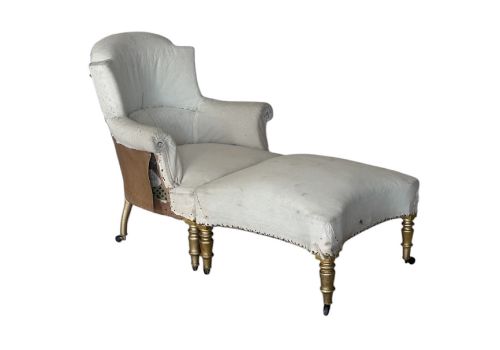
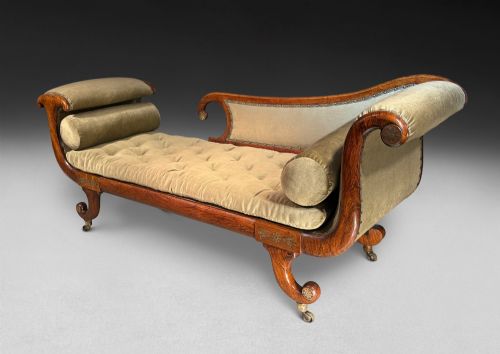
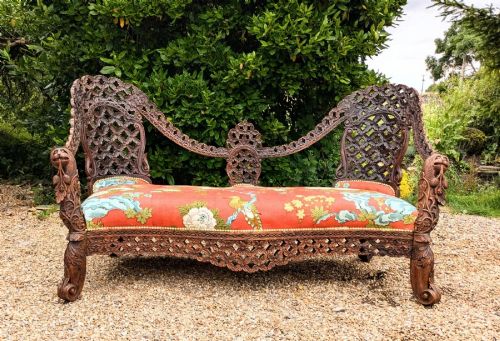
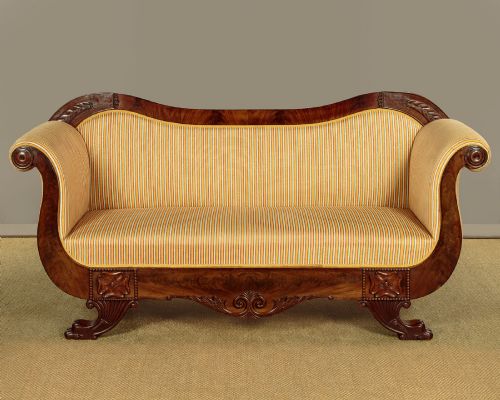
A 19th century daybed encompasses various forms of extended seating used for reclining and resting during the day, drawing from periods such as the Regency, Victorian, and William IV eras. The selection frequently includes chaise longues, scroll-end couches, and daybeds originating from English, French, and Anglo-Indian workshops.
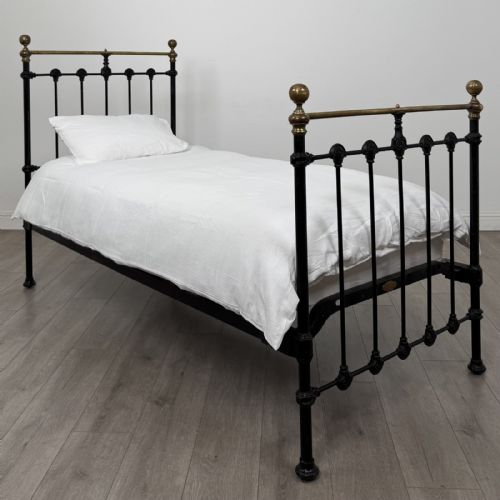
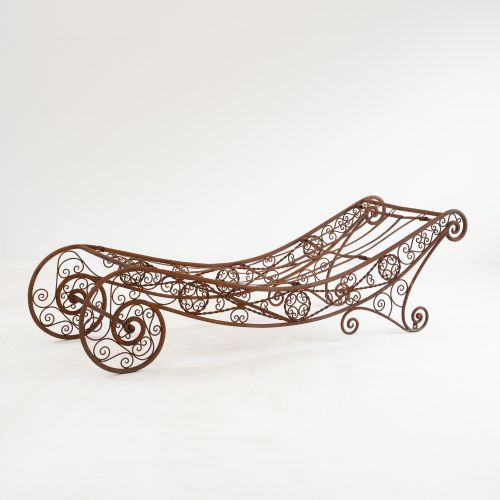
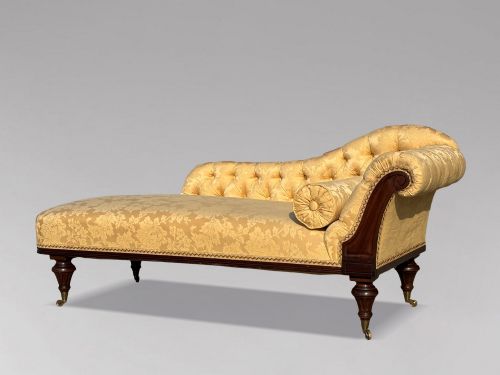
Buyers will encounter forms ranging from elaborate French lit bateaux and wrought iron garden daybeds to deep-buttoned Victorian rosewood and mahogany chaise longues. Styles span from classical revival designs to country house comforts and exotic hardwoods with cane or upholstery fabrics.
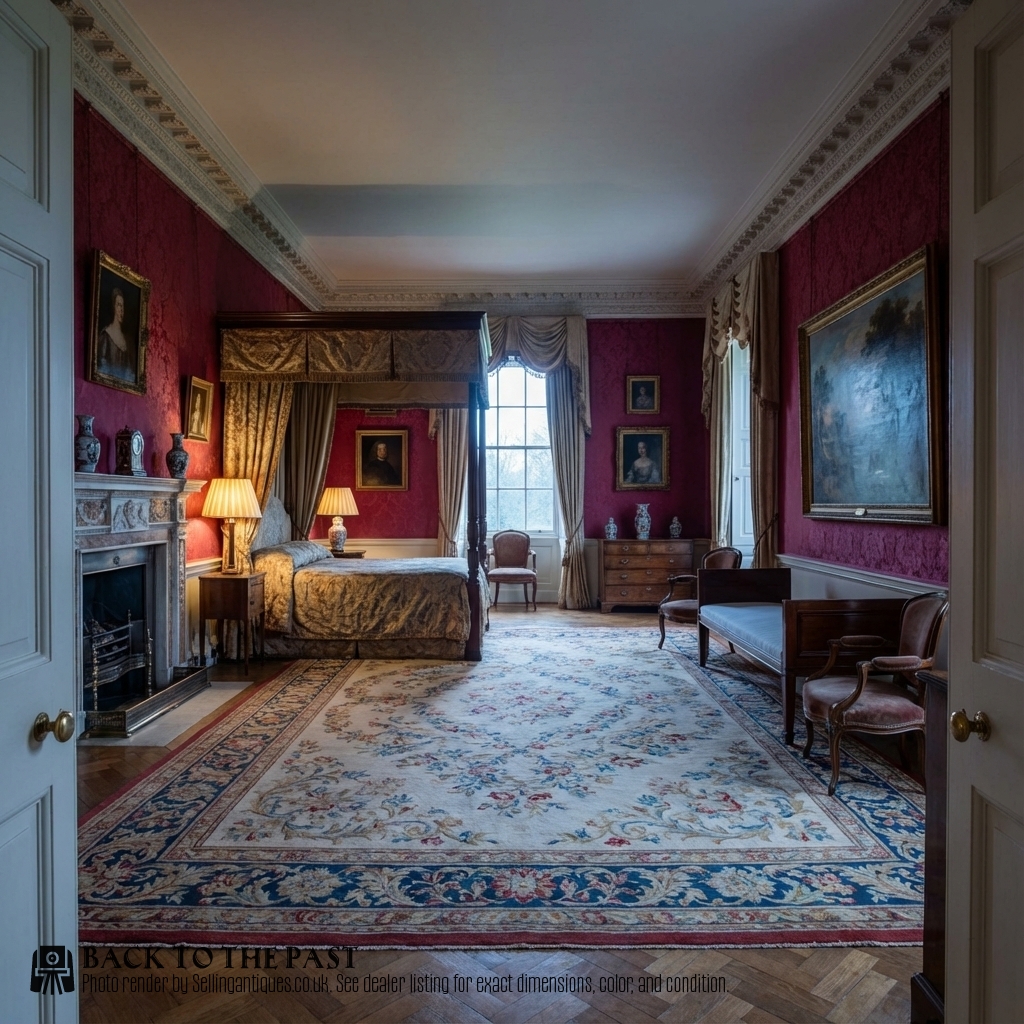
How they were made
Frames rely on dense timbers such as mahogany, walnut, rosewood, and hardwood, often shaped into scroll ends, sabre legs, or spindle backs. Cabinetmakers integrated brass inlays, ormolu decoration, and carved details into the wooden structures.
Upholstery involved traditional stuffing techniques finished in velvet, floral linen, and custom upholstery fabric. Caning was utilised for specific Anglo-Indian and Chinese pieces to provide breathable surfaces.
19th Century Daybed Retail Price Guide 2026
Typical asking prices for 19th century daybed among the pieces listed under this phrase on Sellingantiques today, from the lower quarter to the upper quarter. They describe what is for sale here now, not the wider market.
Even nineteenth-century readers needed a lie down, prompting makers to invent drop-back mechanisms and reversible box ottomans.
What varies in quality
Quality differentiates through the precision of the timber carving and the sophistication of decorative additions like brass inlay or ormolu mounts. Finer examples display harmonious proportions in scroll ends and superior joinery within the frame.
The integrity of the underlying frame and the quality of the textile finish, whether buttoned velvet or woven cane, separate standard production pieces from workshop-attributed seating.
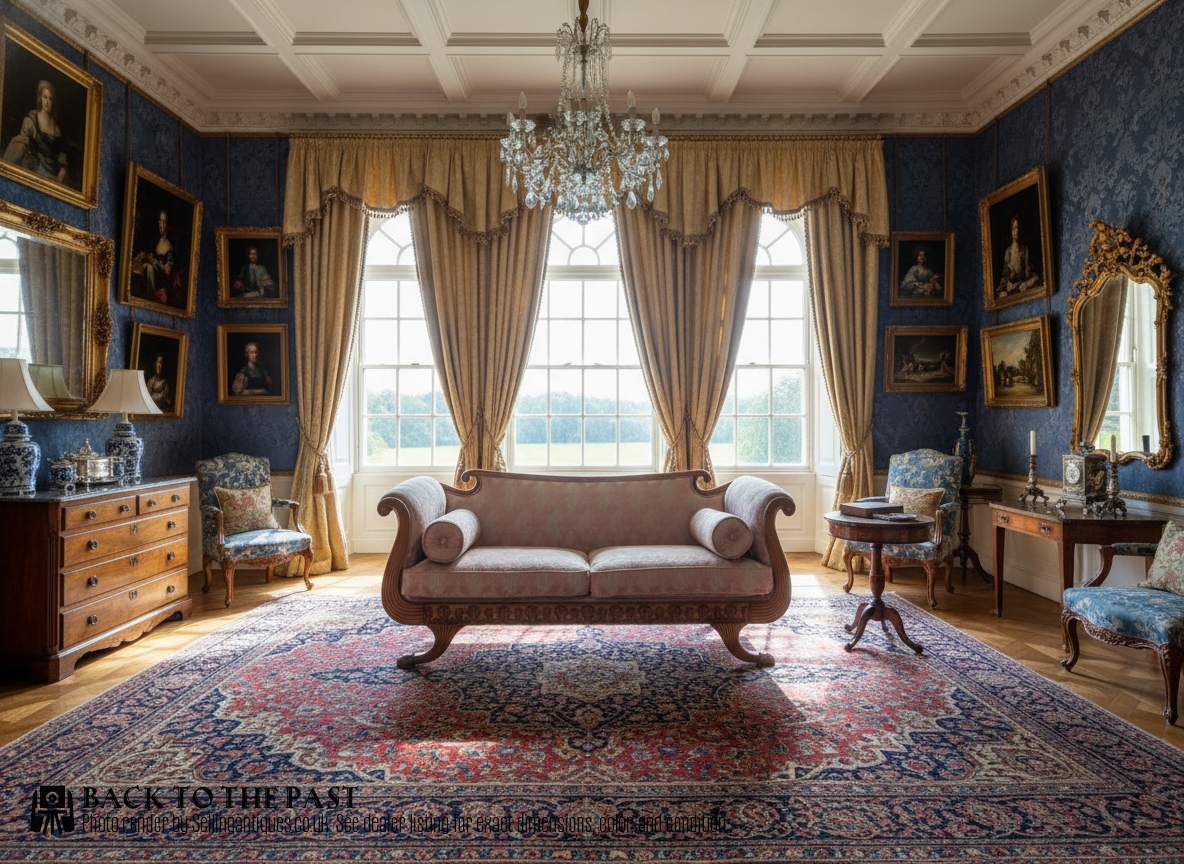
C. Hindley & Sons·Howard and Sons·Holland & Sons·H. Goodall & Sons·Jas Shoolbred·Maple & Co
The 19th Century Daybed Glossary
- Chaise Longue
- An upholstered chair with a seat long enough for the user to stretch their legs out. This form dominates much of the Victorian and Regency seating selection.
- Lit Bateau
- A French bed style featuring scrolled ends of equal or near-equal height resembling a boat. It translates literally as boat bed.
- Ormolu
- Gilded bronze ornamentation applied to furniture frames. It provides metallic contrast against dark woods like mahogany or ebonised timber.
- Caning
- Woven rattan material stretched across wooden frames for seats and backs. It appears frequently on Anglo-Indian and hardwood pieces.
- Scroll End
- A sweeping, curved wooden terminal on the arm or back of a couch. This shape characterises many Regency and William IV designs.
19th Century Daybed: Frequently Asked Questions
How do I identify a Regency daybed?
Regency pieces often display classical influences with sabre legs, brass inlay, and simulated rosewood finishes. They reflect early nineteenth-century design trends inspired by ancient Greek and Roman furniture.
Scroll ends and architectural woodturning also help mark this distinct stylistic period.
Where were these pieces used in the home?
Daybeds and chaise longues were placed in drawing rooms, bedrooms, and private boudoirs for daytime relaxation. They offered comfortable seating for reading or resting without retiring to a full bed.
Country house variations often sat in large reception rooms or garden spaces depending on their construction.
Are these daybeds suitable for daily use?
Many nineteenth-century daybeds remain sturdy enough for regular seating if the wooden frame and internal webbing are sound. Historic upholstery may require professional restoration to support everyday lounging.
Careful placement away from direct heat sources protects the antique timber and delicate fabrics.