
19th Century Cut Glass
When choosing 19th century cut glass, collectors secure brilliant decanters, rummers and centrepieces that bring weight and prismatic light to a room.
19th Century Cut Glass
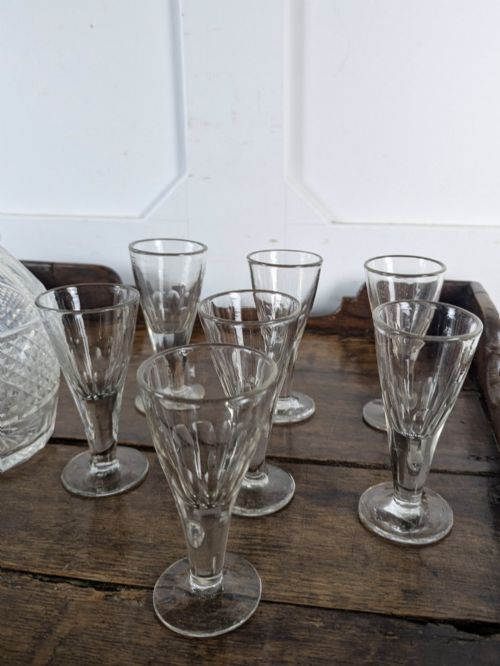
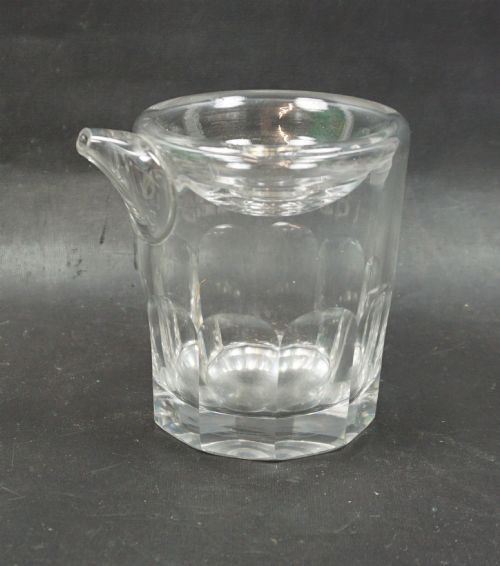
The 19th century cut glass category encompasses a diverse array of utilitarian and decorative objects, ranging from heavy drinking vessels such as rummers, whiskey tumblers, and decanters to grand architectural lighting and table centrepieces. Buyers frequently encounter drinking glasses sold in sets alongside single serving bottles, jugs, and elaborate inkstands fitted with silver plate or brass.
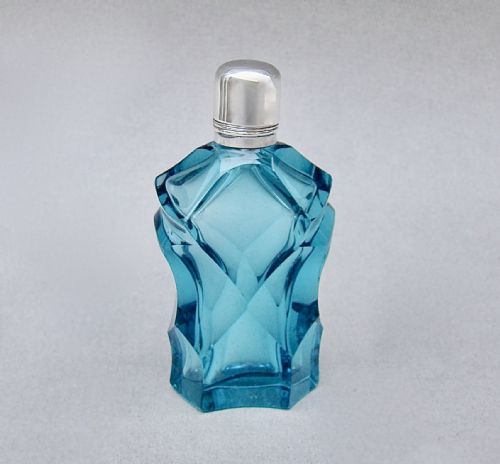
Originating largely from English, Irish, and continental European workshops, these pieces often combine heavy lead crystal with metal mounts in styles spanning Georgian, Victorian, Regency, and French Empire. Forms extend from simple thumb-cut sherries and cordial glasses to intricate scent bottles, biscuit barrels, and table lustres incorporating coloured glass.
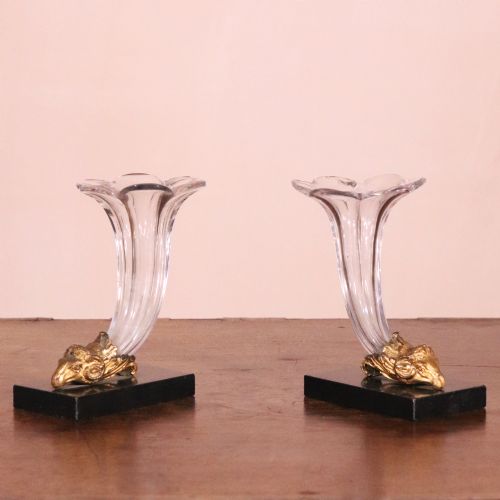
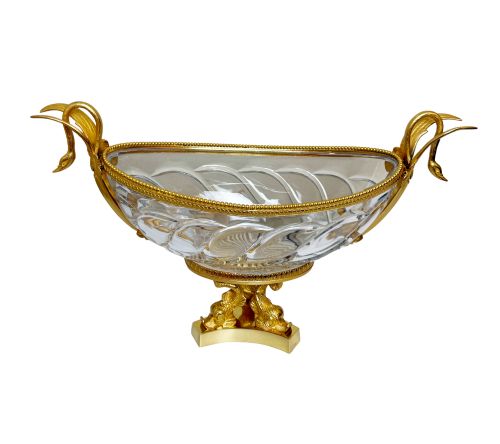
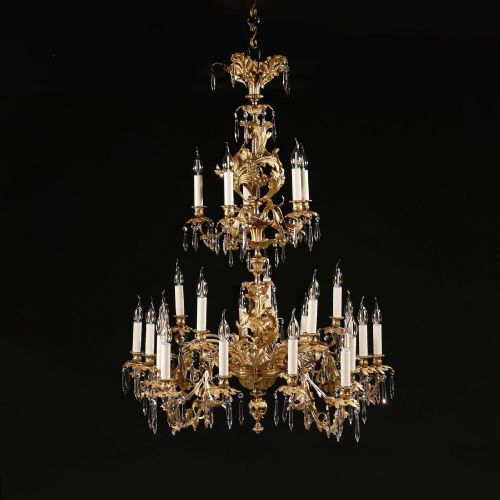
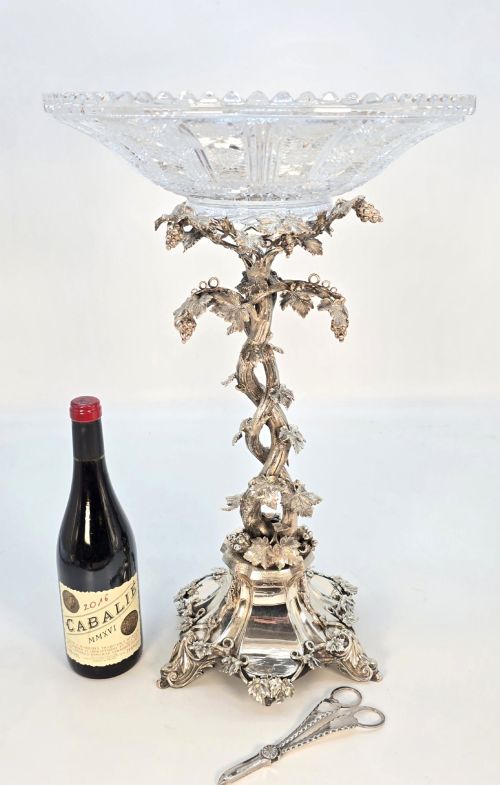
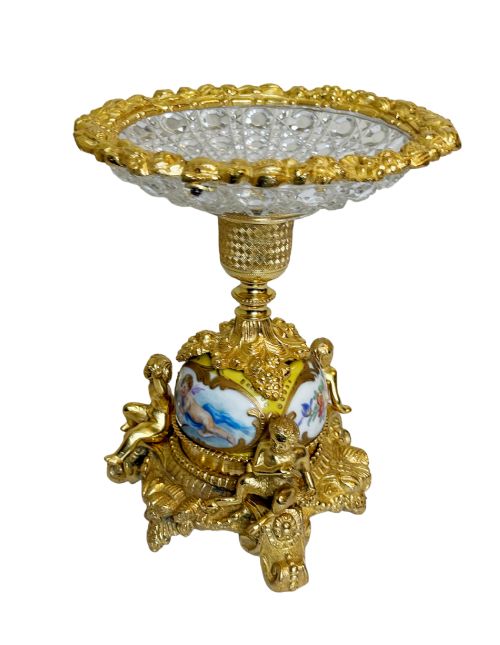
Tableware forms dominate the market, particularly wine decanters, water jugs, and matching sets of tumblers designed for formal dining. Decorative items like chandeliers, cornucopias, and monumental centrepieces reflect the period preference for light refraction and rich mixed-media construction.
Materials and production methods
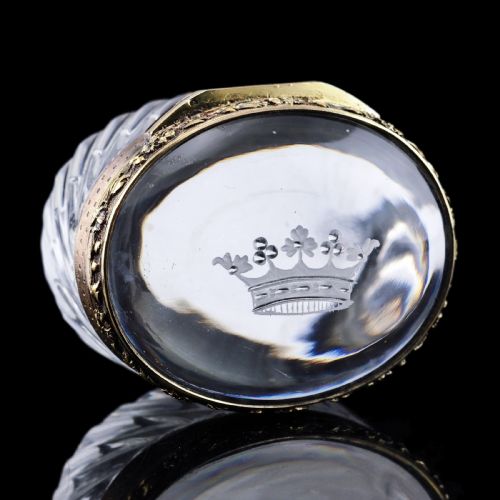
Items in this category rely primarily on heavy lead crystal or standard glass blanks, which allowed artisans to carve deep geometric and linear patterns across the surface. Once cooled, the glass was subjected to abrasive wheels for cutting and smoothing, followed by polishing to achieve a high-gloss finish on the facets.
Many structural and decorative components incorporate secondary materials such as gilt bronze, brass, or silver plate, particularly in complex desk accessories, tantalus frames, and large centrepieces. These metal mounts were cast, chased, and fitted precisely to the glass bodies using collars, screws, or specialised adhesives.
Listings feature 19th century items incorporating lead crystal, brass, gilt bronze, and silver plate across tableware and lighting.
Markers of quality and craftsmanship
Quality in these objects is determined by the crispness of the cutting and the weight of the glass, where deeper, sharper facets create superior light refraction and resonance. Superior examples display exact symmetry in their geometric patterns and complete absence of distortion or cloudiness within the material itself.
The sophistication of the metal mountings and the integration between glass and metal dictate the upper tier of the market. Pieces featuring finely chased gilt bronze or substantial silver-plated hardware indicate a higher standard of manufacture than those with generic or loosely fitted mounts.
Elkington·Wilkinson Co·Thomas Bradbury·J Dixon·Osler
The 19th Century Cut Glass Glossary
- Rummer
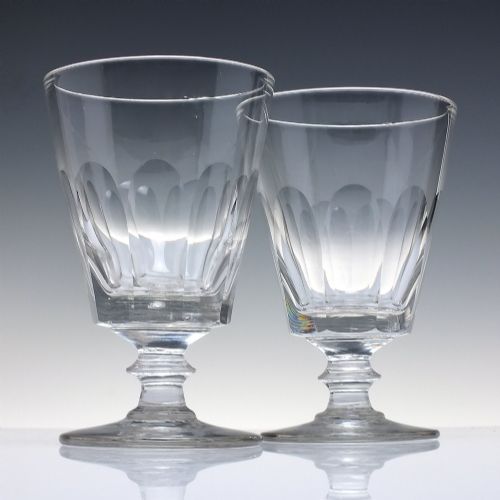
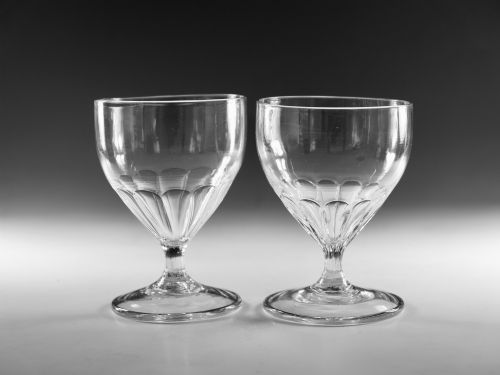
- A large, heavy-stemmed drinking glass popular in the Georgian and Victorian periods, typically used for ale or wine.
- Tantalus
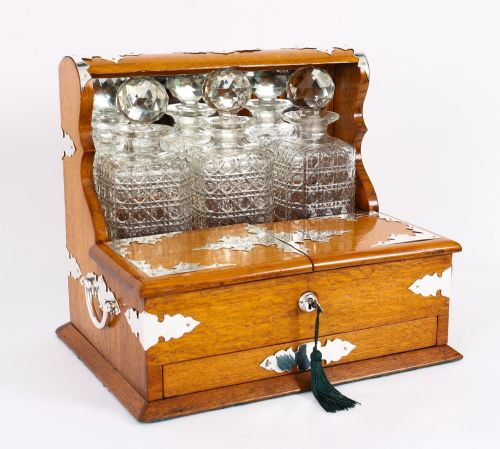
- A locking wooden frame holding three decanters, designed to display the contents while preventing unauthorized access.
- Thumb-cut
- A decorative pattern consisting of shallow, concave ovals pressed or ground into the surface of the glass.
- Standish
- A structured inkstand or tray holding inkwells, quill pens, and sanders for a desk.
- Claret jug
- A specialised serving vessel for red wine, usually combining a cut glass body with a metal spout, handle, and hinged lid.
19th Century Cut Glass: Frequently Asked Questions
How do I identify a Georgian decanter?
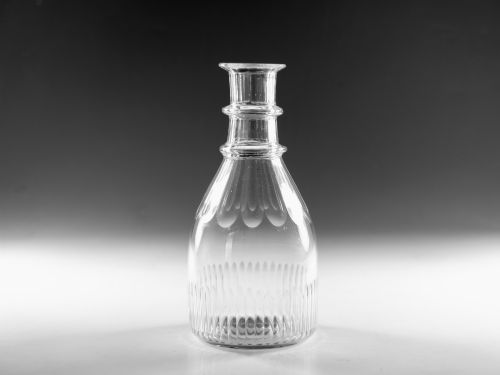
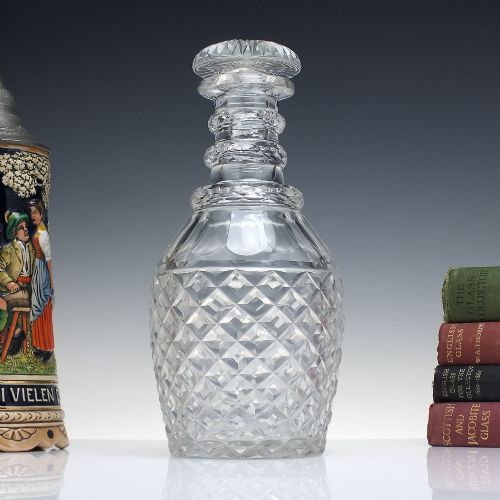
Georgian decanters generally feature heavier lead metal, distinct three-ring necks, and hand-cut fluting or panels that feel substantial in the hand.
Matching stoppers are typically ground by hand to fit individual bottlenecks, leaving subtle matching numbers or tool marks on both pieces.
What is a glass rummer used for?
Rummers served as versatile vessels for ale, cider, and punch during communal dining in the 18th and 19th centuries.
Their thick walls and sturdy stems helped withstand frequent toasts and robust tavern or household use.
Are coloured pieces authentic?
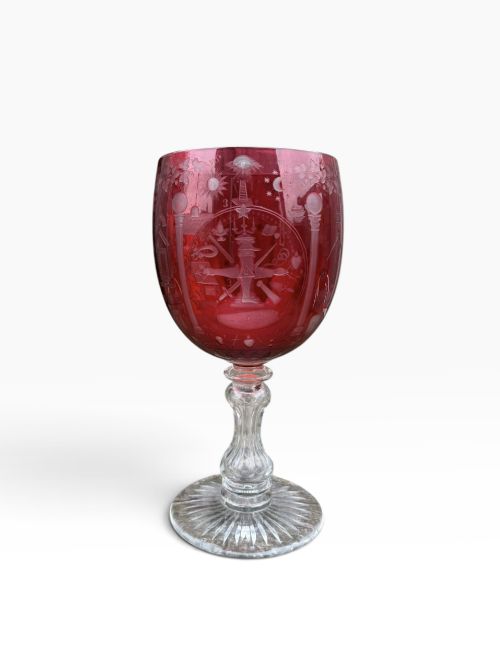
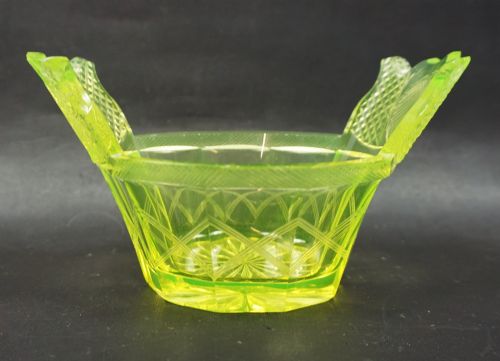
Coloured glass items, including cranberry, green, and amber variants, were widely produced across English and Bohemian workshops during the Victorian era.
Manufacturers achieved these hues by adding metallic oxides to the molten batch before blowing and cutting.
How should I clean cut glass?
Warm water and mild detergent with a soft cloth preserve the clarity and prevent scratching on antique surfaces.
Harsh abrasives and dishwashers damage both the polished facets and any accompanying silver-plated or gilt-bronze mounts.