


19th Century Covered Vase
A 19th century covered vase brings decorative presence to a room, uniting utility with the ornate craft of European and Asian kilns.
19th Century Covered Vase
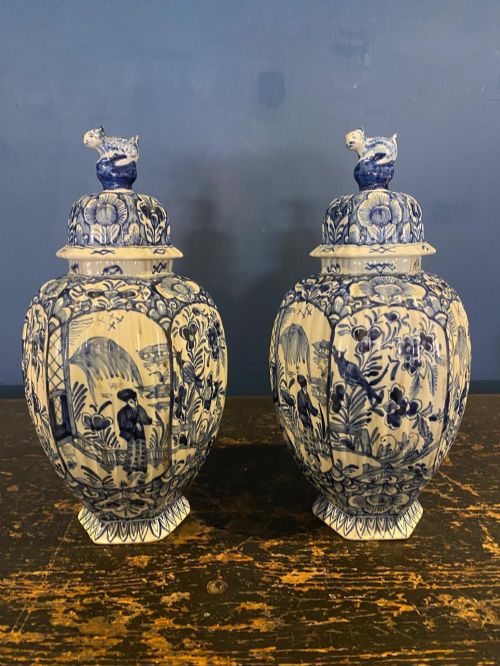
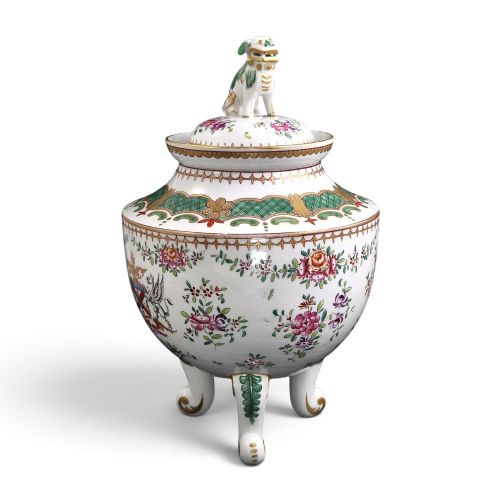
A 19th century covered vase covers diverse ceramic and metal forms designed for display or aromatic potpourri across European and Asian traditions. The selection spans French porcelain, English ironstone, and Japanese Imari ginger jars from various decades of the 1800s.
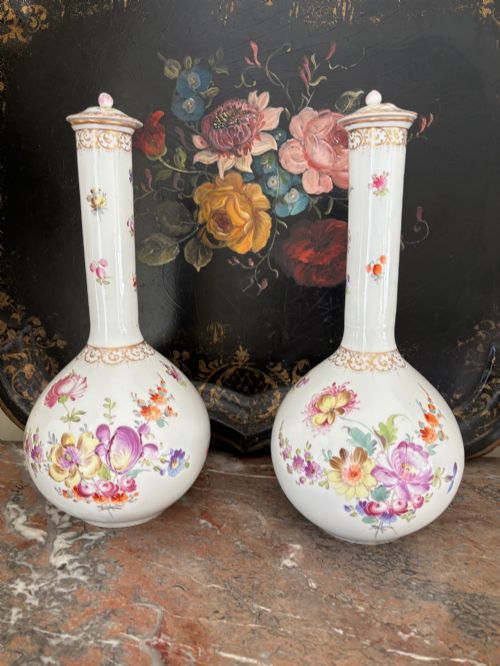
Makers ranged from major European factories like Meissen, Samson Paris, and Spode to Japanese kilns producing Satsuma and Kutani wares. Forms include classical urns, bulbous ginger jars, and baluster vases paired with matching lids.
The style vocabulary draws on Rococo Revival, Neoclassical, Chinoiserie, and Japanese Meiji aesthetics. Pieces frequently incorporate painted floral panels, Watteau scenes, or armorial motifs suited for formal interiors.
How they were made
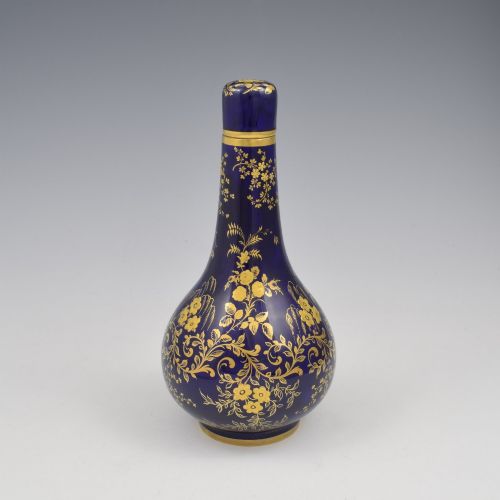
Ceramic bodies utilise porcelain, ironstone, and earthenware formed on wheels or in moulds before receiving hand-painted decoration. Cobalt blue grounds, polychrome enamels, and delicate gilding applied with gold leaf define the surface treatment.
Metal vessels combine cast bronze or lead with ormolu mounts and gilt bronze accents. Artisans chased the metal components to frame ceramic bodies or form independent classical urns.
Some nineteenth-century ginger jars spent decades wired as heavy lamps before having their original lids reunited with them.
What varies in quality
The standard of hand-painted detail separates ordinary production from exceptional workshop output. Fine facial expressions in figural scenes and crisp brushwork on floral panels indicate superior artisan skill.
The integration of mounts and lids reveals manufacturing care. Precise matching of ormolu fittings to the ceramic body and the proportional balance of the cover dictate the visual success of the piece.
Jules Moigniez·Samson Paris·Sitzendorf·Derby Porcelain·Samuel Alcock·Spode·Royal Vienna·Helena Wolfsohn·Hadley's Worcester
The 19th Century Covered Vase Glossary
- Ormolu
- Gilded bronze mounts applied to furniture, porcelain, and clocks. This technique was widely utilised in French decorative arts during the nineteenth century.
- Ironstone
- A heavy, durable type of earthenware patented in England. It provided a robust alternative to porcelain for large decorative vases and jugs.
- Potpourri
- A vessel featuring pierced or perforated covers designed to diffuse dried scented flowers into a room. These containers often took bulbous or urn forms.
- Imari
- Japanese porcelain decorated in underglaze blue, iron red, and gold. This style influenced numerous European factories during the period.
19th Century Covered Vase: Frequently Asked Questions
What were covered vases used for?
Nineteenth-century covered vases served primarily as decorative garnitures on mantelpieces or console tables. Some specific forms, such as potpourri jars, held dried aromatic plant materials beneath pierced lids to scent the air.
Larger urns and ginger jars also functioned as standalone display pieces or were adapted later into lamps. Their lids protected the interior contents and completed the sculptural silhouette of the vessel.
How do I identify a Meissen-style mark?
Many nineteenth-century factories in Dresden and across Europe adopted blue underglaze marks that emulated the crossed swords of the Meissen manufactory. Names such as Helena Wolfsohn utilised distinct monogram marks alongside Meissen-style Watteau scenes.
Studying the quality of the porcelain paste and the crispness of the painted enamel helps distinguish genuine Meissen output from later Dresden or continental imitators.
Are Japanese Imari vases marked?
Nineteenth-century Japanese Imari pieces intended for export often bear studio signatures or kiln marks on the base, though many remain unmarked. The distinct palette of iron red, cobalt blue, and gilt highlights identifies the Arita region origin.
These jars and vases arrived in European markets through expanding international trade, prompting local factories to produce their own imitation Chinoiserie and Japanese styles.
How should I clean a gilded vase?
Gilded and hand-painted surfaces require gentle dusting with a soft, dry brush to prevent the abrasion of delicate gold leaf and enamel. Moisture can damage vulnerable historical pigments and old repairs.
Avoid chemical cleaning products and commercial metal polishes on ormolu mounts and gilt bronze details, as these substances strip the original patination.